1 free read left. Create a free account for unlimited reading + AI research.
Create free account
The Future of Avatars
Key insights
7 takeaways- 01Creators and public figures are leveraging this technology to scale personal interactions beyond the physical constraints of traditional media.
- 02The industry is shifting toward interoperable character frameworks that allow digital identities to move seamlessly across diverse gaming and mixed reality environments.
- 03Avatars are evolving from static representations into persistent, user-owned digital identities that function as the primary social infrastructure for immersive 3D spaces.
- 04This transition aims to replace the current mobile app model with a fluid, social-centric architecture that serves as the foundational layer for future digital interaction.
- 05Blockchain technology is being integrated to provide asset provenance, while AI enables autonomous functionality for these digital personas.
- 06Avatar ecosystems are being designed to offer an alternative to extractive social media models by prioritizing user ownership and community influence to attract Gen Z demographics.
- 07Machine learning is being utilized to retarget animations and assets across platforms, effectively breaking down the limitations of proprietary walled gardens.
Ask AI about this video
Transcript
foreign [Music] gaming podcast where it is our mission to explore the business and future of video games we bring together the industry's brightest Builders investors and thinkers to keep a full sun current events dissect emerging Trends and games share Lessons Learned and have a great time this podcast is also part of novik's growing ecosystem which ranges from free and premium research to Consulting and advisory services for more information visit www.navic.com [Music] this episode is sponsored by our partners at clevertap gaming clevertap gaming is the all-in-one platform that enables game studios and Publishers to create personalized player experiences it's the only solution that provides a real-time understanding of player actions and integrates lifecycle marketing liveops and remote configuration into a holistic experience
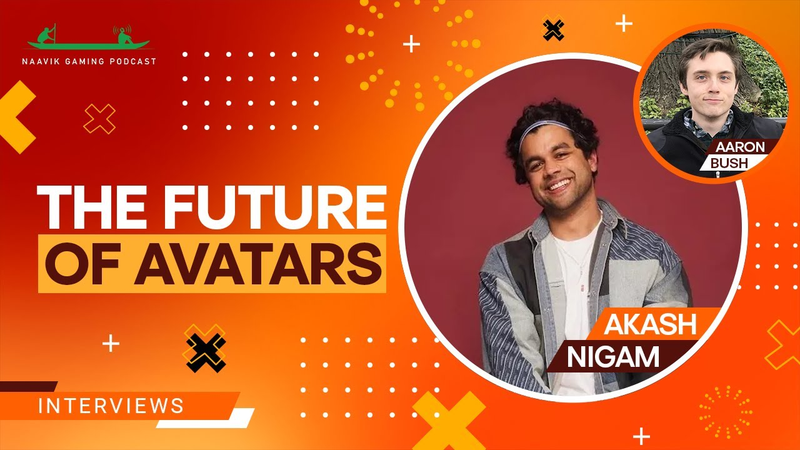
in other words you can maximize engagement retention and monetization through real-time segmentation and targeted offers and you can run liveops campaigns with a B testing push notifications in-app messaging and much more to discover how clevertap gaming can best serve your games team simply visit clevertap.com gaming or check out the details in the show notes and with that let's jump into the episode hi everyone I'm your host Aaron Bush and today I'm excited to welcome a new guest onto the show Akash Nigam is founder and CEO of Genies the leading Avatar technology company empowering humans to create their own avatar experiences naturally on the novik gaming podcast our driving force is to better understand the future of games however sometimes that future intersects with other big ideas and avatars and the role they do and ultimately will play across
digital ecosystems and Virtual Worlds is one of those big ideas and there may not be anyone better than Akash to help us break down where this future is headed how Genies sits in the middle of it and how we too can best prepare for the next wave so without further Ado Akash welcome to the pod thanks for having me man appreciate it awesome well let's go ahead and kick start the convo it was just some quick introductions for those listening who may not be familiar with you it starts to start could you just maybe tell us about your journey pre-genies and then what ultimately led to the Genesis of Genies itself totally yeah it's a kind of loaded question because there's so many different I mean it's been it's actually been quite some time uh before Genie's I was in college right um I think my entire life been been trying to optimize the way that people can socially interact on the Internet or any prevalent medium of communication at that at that time
um and so was you know was gangbusters in the very beginning when the App Store first hit the market and was trying to come out with different apps that could optimize the way that people could build relationships online and all the apps suck truthfully um I think we would try we would sacrifice an entire year our school year the summer and maybe you have a little bit more and we'd release would release the app and get like 10 15 20 users um it was really early on though like this is actually back when I was in high school um and so like I mean you're learning you get humbled super early on and then you get into college you get a little bit smarter over time too um and then finally there was one app that actually ended up working it was a college exclusive social network with a few e-commerce gimmicks here and there and it was my scene senior year when I was at Michigan I had eight credits left and decided to drop out and pursue a full time I dropped out with a couple of buddies and it actually did quite well we ended up getting an acquisition offer for the company but we didn't really want to work at that respective company for the next four years it's not why we dropped out of school and so forth and you know this is around as you mentioned
earlier this is around like seven seven years ago or so um and so like when you know when you're still in like your your early the young young 20s like whatever I was like 22 years old or so um you know you're you're trying you're trying to take as much risk as possible and so something we became really really excited about was getting away from video and text and audio and really obsessing around the power and the potential of an avatar as a method of communication not as a profile picture not as a sticker not as a video animation but really something that people can leverage to Showcase their inner self and then use it to build like-minded connections and deepen the relationships and so we started that Journey you know seven years ago and you only have so many resources to be able to create uh x large of a bet and so our bet has increased over time uh We've definitely changed paths a couple a couple of times but our founding principles and really our founding philosophy around the significance of an
avatar has never wavered um and so right now we're in our biggest and most ambitious bet yet but it's also when we've had the most traction and we have the most momentum behind us as well so yeah it's been I mean before I mean I think the question was literally like what have you done before Genies I'm sitting there I'm like I don't know I was in like computer I was I was in the Geeks 203 or something but um yeah it's definitely our life's work and we're excited that it feels like we're just getting started still awesome well there's a couple threads that that you just said there that I'll pull on throughout this episode but I guess first just one fellow entrepreneurial Dropout to another nice job uh congrats on the path that you've done uh you pulled off so far I know it's it's hard and weird to do that um sometimes you did it too but I did um more to get it in the investing world than even um just a startup but it took me it took me a couple of years but I'm I'm here now um but but anyways back to you with avatars we'll talk about the evolution um in a second but of course over the years avatars aren't
necessarily a new idea and many Avatar companies with different ways of approaching that market have come and gone and so I'm I'm just curious why was Genies able to stick and and some of those like earlier iterations like uh like what did you do uniquely or differently or just tap into the Zeitgeist in some way to ensure that Genies was the one or one of the one of those companies to to kind of stick that landing and create the foundation to give you something to build off of I think like one thing that we've always remain consistent with is being very disciplined to our North Star Vision um it's easy to get distracted by shiny things and have like short-term wins but you're immediately decreasing the ceiling threshold by doing that and succumbing to um you know like immediate interest versus like maybe what your initial long set Vision was um and so I think like genius has always cared about an avatar being a method of
communication you'll probably hear me say that like 10 000 times and what I mean by that is that we're obsessed with trying to allow people to use an avatar to feel more present in any given moment like when you look at a history of methods of communication whether it was text in the very beginning via like email or uh then came the mobile phone and it was audio and then came FaceTime and zoom which is like visual um all of those different components are methods of communication that try to make you feel like you're more present with the person in the room and each method of communication emanates new information about that person that you couldn't get from the uh for for the preceding method of communication um and so we think an avatar it's just all three of those on steroids and it adds a Fantastical component to it as well um and because we remain so disciplined towards that and we didn't like you know succumb to let's become a profile pic SDK or let's become um you know let's just create like a ton of different sticker packs and you know like we were we were we we've been obsessed with not just saying the right things but
actually acting on the saying so like expressing your inner self versus via your avatar has become like the thing that everybody says and 99 of the time when a big conglomerate is saying that they're actually not executing on it and they don't even know what the [ __ ] they're saying um I think like it just becomes like kind of like this media go-to statement whereas we actually sit there we're like okay what does inner self actually mean well an inner self might mean like thoughts who are they thinking about what are they thinking about how are they feeling okay outside of just expressing yourself and accessorizing your avatar fantastically how can we gather that information and so if you look at our use cases throughout the years it's been really trying to chip away at that at that core nerve and so because we've done that I think all of our traction that we receive they can sense the authenticity in the vision and I feel like they can also sense it whenever they're interacting with their product is different in nature because there's no precedent set for each attempt that we're making it's not like all of our attempts work right but at
least we're trying something unique and different and trying to really realize the full potential of an avatar versus just copying what somebody else is doing on on industry already um and for what it's worth I was able to pick up on some of that authenticity even just preparing for this podcast and reading through you know the Genie's blog and just different things on your website because it's not you know mired in the metaverse hype or you know blockchain or something like that it is very focused on like what your core um mission is I guess um next um you don't have to walk us through all of the iterations of Genies but I'm curious maybe if you could just kind of talk about like maybe some of the the highlights or Milestones along the way ultimately up to maybe just describing what exactly is Genie's business today what's going what are you up to right now yeah so when we first start it's actually funny because each time like you know we probably changed paths like twice if I change path it normally means like we actually realize that we've you know we because we received the traction
that we get maybe in step one and then we're able to unlock more resources from that step we're like oh [ __ ] now we can actually try the big idea from all of this that we we didn't have the resources to do in the first place right so it's kind of all stepping stones but we started off with something really really I mean when we're like four people in a wee work we started off with something really rudimentary which was um being able to use your avatar to be able to um correlate it with any type of big moment in your life that you care about and that came in the form of like news or culture or gossip um so it was kind of like a uh real time it was like a real-time reaction to anything your avatar would react in real time to anything that was happening in the world that you cared about so like if I care about the Niners which I do a lot if uh if my genie is rigged and it's and it's and it's DNA is rigged to to evolve based on how the Niners are doing um this is before we had aigc so we're doing everything with like an artist crowdsource platform this is back in my 2017.
um your avatar would react uh would react both physically and then also with verbiage based on how they were doing um so that was like the first iteration we ended up doing really well within College I actually ended up being like our breakout moment before that like we did we were just kind of like playing with a few ideas and nothing caught contraction um following that shortly we were still based in San Francisco but we would make visits to La quite often because a lot of celebrities were hitting our press link being like hey we've been seeing all these like avatars on social media can we get an avatar like one of the first people that asked us for one was offset from Migos and we're just four or five people and we were actually looking at it as like a marketing uh a marketing potential where we're like oh offset once an avatar yeah let's just custom create him one and then maybe he'll post on his Instagram and sure enough he did and when he did do that you know he was dating cardi so then cardi dm'd us was like oh my God I want an avatar and then so did like you know like a thousand other people and so all of a sudden like you know you're kind of it's a classic situation where you like release a
product and you have you know one one cohort leveraging your product in the way that you had initially anticipated but then you have another group of individuals that you didn't anticipate at all started using it in a way that you weren't really imagining but it's still hitting the same core nerve which is expressing their authentic self and so celebrities anyways like this became like our second component of the business and really like a driving force of the business at one point um celebrities would get custom avatars created and we created a way for them to also create custom content to be able to post their Avatar featured on Tick Tock or Instagram um and Snapchat and the the way that they were leveraging the Avatar was pretty unique it was um in two main themes one was to accomplish being in two places at once if they didn't want to like go to a brand shoot or they didn't want to show up they didn't want to like go and like pursue a music video or they didn't want to like uh uh they wanted to do like some type of like partnership or something like that they would leverage their Avatar to do so and the avatar for a lot of the time was actually like
performing just as well as human themselves so it became like a win-win for both like the partners and then also the avatars too um so that was like one one main way and then the second the second way was if it wasn't anything to do like with a commercial deal they would Leverage The Avatar to showcase the side of their personality that their physical self was incapable of doing so like you know a lot of these celebrities have to put up a very specific Persona throughout the day uh or sorry throughout the year because that's what fans have fallen in love with but a lot of the time that's actually not their authentic self and so they use an avatar as almost a vehicle to be able to Showcase that side of their personality and their fans would fall in love with that Persona too um and then finally like you know the celebrity I mean the celebrity uh angled was like our driving force up until even today um where we ended up signing partnership with the umg and wmg to become the official Avatar and digital Goods provider for every single celebrity underneath those umbrellas we partnered with the nflpa the MLB pi and the mvpa too
um and we had a Dom we I mean we still have a dominant Force within the celebrity Avatar um Marketplace that being said like you know we've reached like we reached the kind of like this like ceiling with celebrities who were like we're not even stealing this thing we put the check mark on it we're like okay we have that business nailed it's in quote unquote machine mode but the true north star of this business has never been just to cater to celebrities it never was even part of the plan um we want every single human on earth to be able to leverage an avatar and so it brings me to what we are today um the Creator business and the celebrity business still exists and it's doubling down but we've been able to afford the resources to really do the consumer angle right um and what that means is a couple of things um one and we just announced this three weeks ago we released a developer kit that allows people to be able to create their own avatar experiences but we don't want the Avatar experiences to be like different Temple Run Renditions right like I think like profile pic SDK things like we want to make sure that we set the right precedent so we're releasing an avatar social network later
this year which is going to be a culmination of all these Avatar experiences that people end up making that draw for um one main purpose which is people being able to participate in these experiences or mini games to then in uh which will then inform them what their mood is at any given point via their Avatar so you can almost think of this being like a mood horoscope but shown through your avatar based on the different actions that you take it throughout the day like these mini games are almost like personality tests disguise as many games if that makes sense um and then we're also um um the the the Avatar framework that we've created um over the past two years which for everybody that's listening here I feel like this is going to be like the audience that probably understands this the quickest you know anybody that's a developer creating a game hates creating an avatar system it's quite cumbersome it's annoying and you don't ever create like an advertised system that's at the at the um Quality that you would expect and all these um games are wild Gardens right none of them are interoperable what we've done is we've created a character framework that we're now giving out on a selective basis to
different game studios that allows that can accommodate any type of Avatar art style any type of aesthetic and any type of any type in general so whether it's a dog a cat an ogre a human it doesn't really matter our rigging system uses ml to predict how wearables can be transferred from one Avatar to the next and how it can interact in each respective environment too and so that means that all assets are interoperable that means that all avatars are are also interoperable between environments and that the accessories that they're wearing are interoperable amongst each other so it's kind of like the statement like everything works with everything and so we hope that different gaming Studios will be able to leverage our character framework in order to power all of their games moving forward which one should save them time in building out games but then two it should yield and higher Revenue potential because then you have a persistent identity that people have a higher propensity um to spend money on that's a really interesting answer a lot to on unpack in that and so maybe I'll take this in a
couple directions um first maybe even just to to throw a quote out there from a previous genius blog post your team wrote quote avatars fashion spaces experiences the four pillars of an avatar ecosystem all custom designed and created by the owner you using the tools provided us and so maybe a couple questions with this um first can you just help me better visualize what you mean by Avatar ecosystems like what does that look like and why are those the four pillars you know if we really want genius to be a method communication you kind of have to figure out like when does an avatar realize its fullest potential and we've always been sending if you look at our documentation went back in 2016 and 17 it's like our bet has always been going on this path for when avatars will be used um in an AR medium of communication and so everything that's happening with the Vision Pro um kind of like set that Trend into
reality it doesn't mean that it's going to happen overnight but and we can get it to Apple later but there's extreme conviction at least internally from our space that that is going to be the inevitable future and we need we need to start acting on that right now and so when you think about how people are gonna let's make the assumption that everybody is wearing these Vision Pro goggles right or headsets um the way that you interact with people in in more of like the social use cases or the gaming use cases which Apple's never going to go on stage and be like and you're 100 out of the gates and say like here's a Computing device also here's a hundred games that you guys can create you know when Apple first introduced the iPhone the two examples they showed on stage were I think it was like the flashlight and the calculator they never talked about all the games over to come and they didn't talk about the App Store but you could read through the tea leaves and be like okay this is what you can do and they want a crowdsource cool from everybody else right and so we believe that we can actually be the reason why kids and culture end up using things like The Vision Pro depending on the use cases that are produced and so these use cases
are all Avatar ecosystems they're kind of like the mini apps of the future right so like depending on you know the way that I show up um from one experience to the next or one use case to the next has to have some type of profile right like if web one was about a username and web2 you introduce a profile we think the future of the internet which is always dictated by his Computing device so like whenever uh AR glasses or Mr glasses come into Market we think that the Avatar is going to be the new username and Avatar has to show up with something so it shows up with fashion or accessories they show up somewhere so it's an avatar space and then you're going to do something in that space and that's the experience that's a use case right so like if you look at all four of those components it kind of creates these almost like mini Avatar worlds which we believe are going to be the mini apps of the future gotcha and then second you you mentioned how your team is not just building avatars or partnering with celebrities on collections Etc but actually building tools and development kits that enable other people developers and users to
level up their avatar game so to speak um and so maybe we can double down on that for for a moment could you just break down what tooling and infrastructure is needed to make your avatar ecosystems possible and where where are we in that Journey you mentioned um you know augmented reality but what about all of the the other stuff that's needed too yeah so our dev kit are the tools right so like there's different level of tools it's like we obviously provide you the tools to be able to create your avatar we provide you with the tools for a non-technical user to actually create Avatar fashion that's like one of our most popular use cases today but then we just rolled out our dev kit which should allow anybody um with even like minimal technical experience to be able to create an effective Avatar experience to start um the tool the the the dev kit really has like three main components to start um number one is a character framework itself that allows for again like I said like an assimilation of all different types of avatars and Aesthetics
um number two it comes with a Genie's AI trainer which is able to train all the different respective avatars to have personalities and personas that can act autonomously um and be able to interact with people and develop like very specific relationships so a lot of the use cases that uh are deriving very specific personality traits about the person requires sometimes not even require it's something that uh developers have found very interesting is including some type of AI agent and then finally is the extra compatibility Tech so the dev kid comes with um a suite of those features in order to make sure that these are things that not just exist on mobile today but can also transition and work well in any type of Mr uh in any type of Mr headset too um why is XR such a big deal for avatars avatars have been around in many forms um over the Internet um for a long time what about XR unlocks
some type of use case or more Central source of identity that will make this technology or idea of more powerful in the future well I think like it's you know it's like one thing for an avatar to be like a static pose as a profile on like a web 2 social platform like you know Facebook back in the day and I think that added value back when we were at that phase in time but considering where we're moving I feel like an avatar is able to emanate certain information through movement through gestures and through um and through assimilation with the real world the physical world around you that you can't quite get uh in in a very static 2D format right so I think like the the added element of 3D is helpful I think the added element of also immersion into the real world adds a sense of um reality to the Avatar as well
um and then finally I do feel like you know there's a huge it's almost asking a question of like what's the difference between like face time with you versus you sending me a photo and I would say like well you can send me a photo and you can put text behind it and that's like one interpretation of the narrative but if you're moving and you have voice and you're walk in and you're able to like show different aspects different context and background to what's happening in your life you're going to get more added information from that narrative too so I think there's going to be a whole another dimension that you're going to get from an avatar being in front of you and the fact that it can be Fantastical as well I think it makes it really really interesting gotcha and and also like this was timely to talk about too because as you mentioned Apple recently unveiled its Vision Pro beta also recently you know announced its Quest 3 and you know both of those products there might be others but both of those products as the two leading contenders and the you know the XR race they share similarities and differences and vision and maybe who it seems they
want their audience to be um I'm curious when you saw what was unveiled the different visions and Technical capabilities of what these devices are trying to be did that change your view at all about like your path to making avatars work did it spark new ideas I was just curious to get your reaction when you saw what the actual Hardware is going to be how did you think uh differently maybe about how avatars would fit into that changing world I think it just gave us further conviction around the around the path that we've been been on for years right and I think it gave us conviction in a lot of our Theses that were initially theories but now like we can we can kind of make them facts um you know we're not baking on the current Vision Pro headsets to be something that's going to get yv adopted uh we do feel like it's a signal that you know Apple's not going to come out with something like that use the extreme vernacular that they did and then randomly recoil and shut down the
project in a year like this is going to be their way of beta testing and researching to then inform their long-term strategy of what's going to be the day-to-day usage of some type of AR glass in the future um I think like watching like a keynote it kind of goes back to my initial point where it's like they are never going to be the ones to say like and this is these are the exact use cases that are going to onboard culture they're always gonna I mean they have the most powerful Dynamic and largest developer community in the world that's extremely passionate about building on their Hardware why would they be the deciders of what's cool um at the end of the day in my mind like if you look through the history of time like any new method of communication any new platform or any new Computing device um compute Computing device when it hit its inflection point is always popularized by culture and culture always equals Youth and when you look at what the youth cares about from and it's been Timeless and made my opinion it really boils down to these very basic
factors the youth cares about one looking unique or looking dope so like whatever dope means to them or like unique means to them number two they care about friends they want to make friends they want to hang out with friends three they care about Intimate Relationships girlfriend boyfriend partner and then four they just don't want to be bored those are like if I look if I think back when I was like 16 17 18 like those are the four things I only cared about like those General categories right and so what the what each advance from the internet does is it makes those four things more accessible and it solves those problems considering whatever the context of that internet era is and so um and and all the stats back that up right like if you go to sensor Tower and you look at like some of the most like popular apps in the very beginning they kind of fell underneath like entertainment uh hobbies and like mini games like everybody on this like in this community like can relate to that every single new competing device starts with like some type of like new mini game um and so like what was very apparent from the from the keynote was Apple I mean Apple partnering with unity is one
indication of 3D assets but then also their desire to bring games to the platform because they want culture to onboard onto um onto their headsets at one point or to any other future Computing devices and they know that when they get culture on board that the rest will follow and culture in the past has always cared about interacting with fun social experiences and social mini games right and so any of these social mini games or social experiences are going to require anything that's socially interactive as a mini game that's a Fantastical a prerequisite is an avatar and so we hope to be the Avatar provider for the Avatar ecosystem or the avatar game uh provider for for Vision Pro in a really big way so we're starting on mobile today we want to gain traction on mobile today with some of these experiences in our in our silver Studio has uh is our first one that's doing quite well amongst a very specific gen Z female demo but we're expanding that throughout the year especially with the developers that were onboarding right now in the college demographic um so that they could it can serve as a strong stepping stone for wood Vision Pro becomes available is there any unique behaviors that
you're seeing from a gen Z audience that maybe surprised you uh that you think could be interesting to the the gaming world you know like what we're doing is like we're kind of extrapolating what's been prevalent in gaming for decades right like avatars and digital goods and like interacting with online personas and introducing it to maybe like the non-gaming but yet still center of culture Community right so like this hardcore female I would say like not it's like not heart it's more like casual gaming demographic that's currently interacting with our first experience which is called Silver Studio it's all about creating and exchanging fashion amongst avatars and seeing their relationship with the Avatar as like an altar as an alternate ego is not something new right like we've just seen that throughout history and in in all different types of gaming environments the difference is that uh you know maybe like 20 years ago gaming
was actually not considered the cool thing it was it wasn't right it was like gaming was considered more of like um like you know there was it wasn't as widespread as it was and it definitely wasn't like the the cool thing in town per se I was just like oh yeah people are Gamers and there's like a certain reputation that's associated with them just by Society that's changed dramatically right it's like today I mean if you're I mean if you're like a Pro Gamer or like just first of all it's become far more widespread the interpretation the definition of gaming has changed quite a bit too it's become far more expansive and I think also the interpretation the reputation that the concept the gaming has has also become very very positive um and so with that in mind like I feel like the introduction of avatars which maybe 20 years ago if you try to introduce avatars to center of culture it would be rejected that's things like second life for example it was like second life it's I mean like there's so many different Renditions of second life that are happening today but the the
clientele and the usage of second life was a very specific demographic which is not very similar to the demographic that's leveraging platforms like that in today's world so um I don't know if there's like any exact learnings other than the fact that it's like you know some of these gaming behaviors can actually be introduced to like General gen Z in a different and they'll and they'll be more receptive than ever before I think some things could be like wary of it's like sometimes I think like Avatar platforms or gaming platforms screw up where they try to prioritize like you meeting strangers too quickly and I feel like what that ends up creating is this concept that we denoted as a creepy man syndrome where like you get into a platform and it's like not it's not the vibe and so like just prioritizing close friends that you actually know in the real world first and then expanding it to like new friends over time I think is like the right strategy so I think that's like one of the biggest learnings that we've that we've been able to uncover hmm that makes sense and that's well put
um slightly tangential and you can correct me if I'm wrong but over the past couple years or at least in uh maybe there's a blog post I read that was from two years ago um genius has taken on more of a web 3 tone and it's talked about or related to just the power of ownership and so maybe you can kind of uh help help me even frame the best way to ask this but what what drove you in that direction and what what does user ownership look like and unlock for both the Avatar economy and for Genies specifically yeah so I think I think this kind of goes back to what are the initial points that you brought up to which was this is a classic situation where Genies could have benefited from a short-term craze and decided to not right and I remember getting a lot of backlash from that for both the cap table like investors and then also like internally it was kind of like hey should we do this like and the
question was you know we could have done like the biggest nft drop ever right like we could have gotten all of our celebrities on board we had all the IP we had the art resource to go art resources to go ahead and create a hundred million dollar drop at its peak for sure and we decided against it because we're like all right we put 100 million bucks on the balance sheet now what it's like did that help us did that help our long-term vision of introducing this for everybody or are we just taking it taking advantage of a vulnerable uh liquidity pool and so you know when we were when we were going down and exploring what blockchain meant to us it actually was before the whole craze like I had met Rohan who's the CEO of doctor Labs um many times beforehand and what we wanted to introduce was the concept of being able to trade unique items that you would create via the fashion tools we provided and in order to do that properly and be able to track provenance and for a user to be like I got this you know this is something that Aaron had like
you know whatever a hundred different like Wares ago and people have thrifted it since you can see like the thrifting history and so forth and like whatever I should do it like properly we were like oh like maybe this should all be on blockchain and maybe like eight months after that it's like when I forget it was like Nifty Gateway took off the pandemic happened so like we were talking with Rohan pre-pandemic um we always made like an internal rule that we were going to quote unquote decentralize for whatever added value to our demographic um that they could understand so we weren't going to go ahead and like you know create these like epic really interesting smart contracts that were like insanely technical just for the sake of being part of a trend we're sitting there being like it goes back to like what does gen Z one out of the platform it's like well they want to make more money they're like a hustler generation they want to have influence over whatever the platform is going to do like they want to be able to have a voice right and so just looking at those
two examples we're like okay like if we gave them more ownership they could do more [ __ ] and they could possibly earn more money with their Avatar and their wearables and then number two is we want them to have a say at the table of like what does Genie's build out next like what's the next tool that we're going to be able to provide and we want them to have legit like voting power and so like in in that vein we wanted to introduce some qualities of a dow so you know I always hated it like I mean like you look at the pr and there's probably quotes in the past too like any time that we were called a metaverse company or I met her versus my least favorite word by far um it always has been because I feel like it has Brit I think it's BR I think it was like you it was it it was a word that brainwashed people to think about their future so myopically versus like just thinking about like the clear trends that were happening which are like AI AR and blockchain I still have full belief in blockchain um and and and I didn't like when people called this an nft company right because we're sitting there being like we never probably when we made everything in nft
which till this day there are still nfts kids are interacting with their wearables and our avatars as nfts but things are priced the same way that they would be pricing any game they're like five dollars ten dollars fifteen dollars we're prioritizing the use case over the monetary outcome um and so like I think ownership ownership has been valuable to the user because they feel you know right now gen Z gets really pissed off from like places like Instagram or Tick Tock or YouTube where they're realizing that they're the reason why the platform runs the crowdsource user platform but they don't make any money they get ripped off like crazy and the conglomerate owns all their [ __ ] we took the anti-meta approach where we're like look this is all about you you own your avatar and it's assets you can do whatever you want with it um and we want to make sure that you feel comfortable this is a user first platform and so that branding has actually gone a really long ways and I think that power that they have has gone a long ways too so they feel like even though it's a crowdsourced community it's a community that they can uh influence quite a bit
and that brings us back to interoperability to some degree too which has also always been a topic in the games industry but has come to light again in a bigger way alongside the whole web 3 push and I guess what what people are realizing again is that interoperability is hard and that even though you know they're really powerful underlying ideas to it and it's easy to see how in the case of avatars being able to take your digital self and put it in lots of different environments that's an incredibly powerful idea but there are also very thorny technical limitations at least to the way that many people think about or dream about interoperability so earlier in this conversation you you quickly hit on um how you are thinking about interoperability and kind of it seems like building the tools from the ground up to kind of create almost like a starting point of interoperability and
giving other teams the ability to kind of take what you do and integrate it and then let it let that spread around in different places but I'd maybe love for you to just talk a bit more about that how like how do you how do you see interoperability with avatars um going over time and then can you just unpack a bit more of like what exactly exactly are you doing like what's the pitch to to um to like make that possible with with Genies so I'll give an example let's say we're talking to a company like Sega right sega's sitting there and they're like okay we're coming out with a [ __ ] ton of games but every single time we have to come up with a game we have to go through the art process of creating the characters that we have to go through the process of um of rigging those specific characters to the game and it's a brand new system then we have to create the accessories that go along with it and it's a very it's a cumbersome process and like typically you always have to make compromises on an avatar system because people don't realize how significant of an undertaking it can be if you want to
create something that's special right and then you're limited to that art style and that confine within that environment and then you build like you know Sega will release thousands and thousands of uh of games that are all walled Gardens from the rest what ideally we would do is that we give the time back to the developers and we say hey don't worry about the Avatar system we've created the character framework already so that as long as you just ingest a 3D model our system knows how to ingest it and then make it work within your game and the next one and the one after that and so we've used ml to be able to predict all these different art styles and Aesthetics all different shapes sizes and conforms all the accessories that come along with it and how to retarget animations from an ogre to a dog to a cat to a butterfly to a rock it doesn't really matter right and so we've staffed our team accordingly and really invested the time in order to make sure that the character framework can power thousands of thousands of games and different characters that now are not walled in their own ecosystems but can travel from one game to the next and like I said it
should result in a higher yield of revenue for the overall game publisher in this case it would be Sega because you have a persistent identity right so I think starting there is a really good starting Block it's like interoperable within like your own ego system so we're not talking about being interoperable from like Roblox to Snapchat to tick tock through Google all these like dumb things that you've been reading in the media where you're like why the [ __ ] one would that add value to the user then too like you know like and then I think two it's like you know meta's like yeah I want to interoperable world but I want everybody to conform to us and it's like you know you're just gonna have these big giants just kind of like saying the same thing back and forth to each other I think you're starting at this level is a really good way to like build strong brand and then two add tremendous value to a company or an entity that actually sees that value right you know I'm glad I'm excited to be on a podcast like this because I feel like this this audience understands the complexities that come with an avatar system better than any other podcast and also understands the value
that it could potentially give if you're able to introduce something like this as well um so when I talk about interoperability that's what I mean and then I guess like the pitch is quite easy it's quite simple it's like one save time and produce more games to make more money from your games because of persistent identity um and that's it and it's not just limited to game to to Studios and Publishers right it's like you can make the same argument for a Content Studio as well gotcha um and clearly you're thinking bigger than just games or fashion or you know name your your industry uh but since we do have a video game audience that I think generally understands the power of virtual worlds and you know virtual avatars in those those worlds um I'm curious what your vision or expectation is for how avatars will maybe evolve or just play larger roles in gaming you talked about your framework but do you think there's anything else the games industry might still underrate when it comes to avatars
or their potential the potential of an avid like look like at the end of the day everything in life is a game right like it's like if you define what a game is it's like a game is a game is like when a person can participate in a set of rules to be able to accomplish something to get to the next level of propagation right so like you could argue in life like my career is a game uh my path to Enlightenment is a game my and then there's like traditional games right like yeah playing [ __ ] baseball or like whatever um so I just feel like the word game it's like it's the your whole life is a game so you might as well view every single experience as a game itself and if that's the case like you're gonna need something to be able to interact and participate in these games and if this is going to be the new username I think an avatar is super powerful but we've talked so much so far just about functionally what it can do from one ecosystem to the next and we've talked
about aesthetically around what the Avatar can look like but we haven't talked about the information that it could store over time too and so I feel like AI is a really key component here right it's like the fact that we can start to most effectively start to store data within this agent that can then travel with you from one place to the next and eventually you can maybe start doing tasks autonomously on your behalf too and get smarter over time I think it's super powerful right so like I think about you know just the same way that we talked about how any social interactive experience in AR requires an avatar right if it's a multiplayer experience and I'm in AR and it's interactive with my friends like how are you going to show up it's like an Avatar's prerequisite I think you're going to see the same thing with AI where any autonomous AI application is going to require an avatar uh one of the examples is like Ghostwriter right like I don't know if you saw that whole craze but it's like you know in the very beginning when like uh Ghostwriter dropped the song it was a banger it was like you know Drake and like a few other
artists and people were like damn this is sick and they started following this account called Ghostwriter which was just AI and at what point if like trends like that start to grow which they will then people are gonna be like I want to see Ghost Rider perform or I want to interact with the Persona of this autonomous AI application and in that case again an avatar is a prerequisite it's like okay what does Ghost Rider going to look like is it going to be like a made-up thing it's like well a made-up thing where Persona is going to be an avatar um so I guess like you know I think those are like the three just talking about it out loud right it's like those like three things it's like functionally what can it do from one game to the next or experience to the next um two aesthetically how can it evolve from one experience that X and then three what information could be stored in that agent from one experience to the next yeah that's cool we also talked we are starting to talk a bit more about too just even like what else can NPCs be when AI is possible and you can let them have their own personalities they learn from the environment their emergent properties and of course they're all
wrapped in avatars too right as you're saying so um even to be honest I mean you can our own individuals there could be other versions out there I mean you can imagine I mean without revealing too much or we're gonna be a making an announcement soon like think about all the celebrity avatars and Creator avatars that we currently have rigged and ready to go and think about like what their priorities are their priorities are engaging with their fans in new ways but they want to be able to develop if you ask if you know if you go to like I don't know like a random like if you go to like Shawn Mendes and you're like hey Sean like if you had the ability to develop a unique relationship with your 100 million fans that you have would you do it he's like yeah but I'm limited physically in this situation right if you can like kind of put two and two together that all of a sudden becomes a reality and it becomes really interesting for the fan base and it all comes up with the celebrity themselves gotcha but we got to go ahead and start start wrapping up so maybe I'll hit you
with two final questions here the first is just something we like to do occasionally uh which is bold predictions so as we close I'm curious do you have a bold prediction about avatars or the Avatar economy for the next five to ten years something else we didn't talk about today yeah like I think like the big one is that like Avatar ecosystems are going to be the new mobile apps um I do feel like the sooner that people can start interacting with avatars and alert and really focusing on the three pillars and to create an avatar right the definition of an avatar continues to evolve as soon as people are able to like really comprehend its latest thinking I feel like people will be able to wield it for really interesting and awesome use cases so that's that's like what bold bold assumption that's also the the you know that's the bed of the company right I mean it's it's still a very bold bet I like it um lastly if anyone wants to follow either just you personally online or learn more about Genies where should
they go Instagram and tick tock okay it's a it's a Kosh [ __ ] and then genies okay cool that sounds great uh well listen Akash this was awesome this conversation has been a blast I do need to to let you go but um thanks for for sharing your your vision and your insights with us today if you enjoyed today's episode whether on YouTube or your favorite podcast app make sure to like subscribe comment or give a five star review and if you want to reach out or provide feedback shoot us a note at podcast navic dot Co or find us on Twitter and Linkedin plus if you want to learn more about what novik has to offer make sure to check out our website www.navik.com there you can sign up for the number one games industry newsletter navic digest or contact us to learn about our wide-ranging Consulting and
advisory Services again that is www.navic.com thanks for listening and we'll catch you in the next episode
Summary
Avatars are transitioning from static digital representations into persistent, user-owned identities that serve as the primary medium for human expression and communication in immersive 3D spaces. By leveraging blockchain for asset provenance and artificial intelligence for autonomous functionality, these digital personas are evolving into the next generation of social infrastructure. This shift positions the avatar as the successor to the traditional username, functioning as a universal digital identity that enables seamless interaction across augmented and mixed reality environments.
The industry is currently moving away from isolated, proprietary platforms toward interoperable character frameworks. By utilizing machine learning to retarget animations and assets across diverse gaming environments, developers can overcome the limitations of walled gardens. This technical evolution allows for persistent identities that travel with users across multiple experiences, significantly reducing production overhead for publishers while simultaneously increasing user engagement. These ecosystems are designed to function as the next major platform shift, effectively replacing the current mobile app model with a more fluid, social-centric architecture.
Public figures and creators are central to this transformation, as avatar technology allows them to scale personal interactions beyond the constraints of physical presence. By prioritizing user ownership and community influence, these platforms offer a more equitable alternative to extractive social media models, specifically targeting the preferences of Gen Z. As these avatar ecosystems mature, they are expected to become the foundational layer for digital interaction, fundamentally changing how individuals build connections and express their inner selves within the future of computing.