1 free read left. Create a free account for unlimited reading + AI research.
Create free accountArticle GameMakers
1 free read left. Create a free account for unlimited reading + AI research.
Create free accountArticleGameMakers
Despite this significant payout, the platform's commercial viability for professional studios is limited. It lacks essential features like in-app purchases and premium sales.
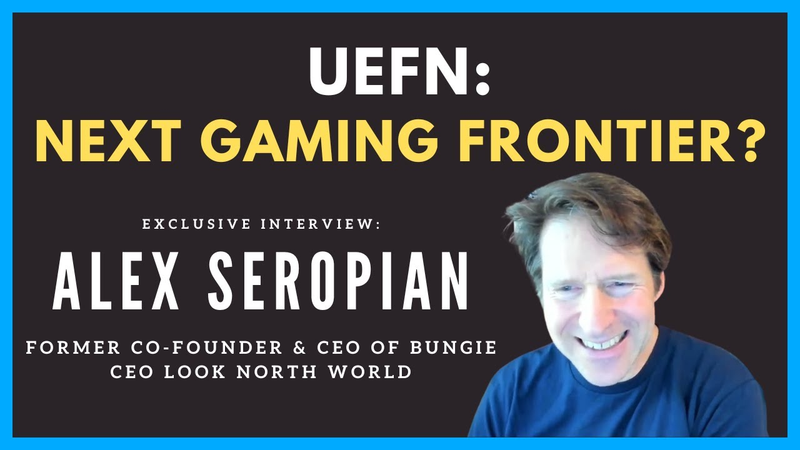
The Unreal Editor for Fortnite (UEFN) has emerged as a significant frontier for user-generated content, offering professional developers a unique environment for rapid prototyping and creative experimentation. While the platform has matured technically, providing developers with advanced tools like Verse scripting and a collaborative editing environment, its commercial viability remains a subject of debate. The analysis highlights that while Epic Games distributed over $350 million to UEFN developers in 2024, the current ecosystem is characterized by a highly concentrated payout structure, with only seven developers earning more than $10 million annually.
The primary challenges for professional studios involve a lack of robust commercial infrastructure. UEFN currently lacks essential features such as in-app purchases, premium sales, and sophisticated user acquisition tools, forcing developers to rely on external marketing and influencer partnerships. Furthermore, discovery algorithms often favor established, narrow genres, which can limit the reach of innovative or narrative-driven projects. Because the platform’s monetization is tied strictly to engagement-based payouts, it currently lacks the revenue depth required to support large-scale professional development teams.
Despite these hurdles, UEFN remains a valuable sandbox for testing gameplay concepts with minimal overhead. The platform’s audience is primarily composed of Gen Z users across North America, Europe, Brazil, and Japan, who demonstrate a strong preference for social, competitive, and fast-paced experiences. Looking forward, the platform is expected to evolve into a more unified ecosystem that integrates with Unreal Engine 6 and the Epic Games Store. For now, however, the platform is best suited for smaller teams prioritizing speed and creative agility over traditional, high-revenue commercial models.
The games and companies this document names on the inner ring, other documents about them on the outer one. Select a cover to see it up close and open it in a new tab; drag to move, pinch or Ctrl + scroll to zoom.
GameMakers · 2026

Naavik · 2025