1 free read left. Create a free account for unlimited reading + AI research.
Create free accountFinancial report Ubisoft
1 free read left. Create a free account for unlimited reading + AI research.
Create free accountFinancial reportUbisoft
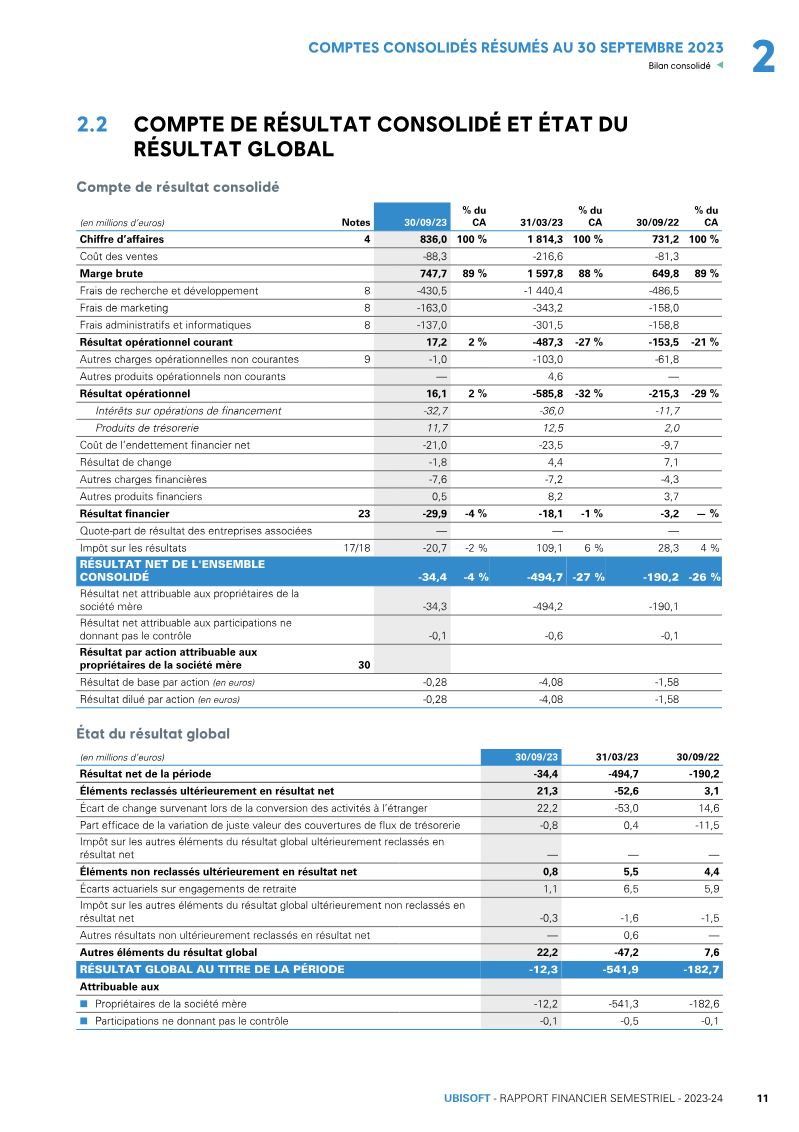
Ubisoft experienced a challenging first half of the 2019-20 fiscal year, characterized by a notable decline in financial performance. Net bookings fell by 11.4% to €661.1 million, while non-IFRS operating income plummeted to €6.9 million from €110.2 million in the prior year. This downturn was primarily driven by the underperformance of key titles such as Ghost Recon Breakpoint and The Division 2, alongside a softening in back-catalog sales. Consequently, the company revised its financial guidance downward and opted to delay several major titles into the 2020-21 fiscal year to ensure higher quality and long-term engagement.
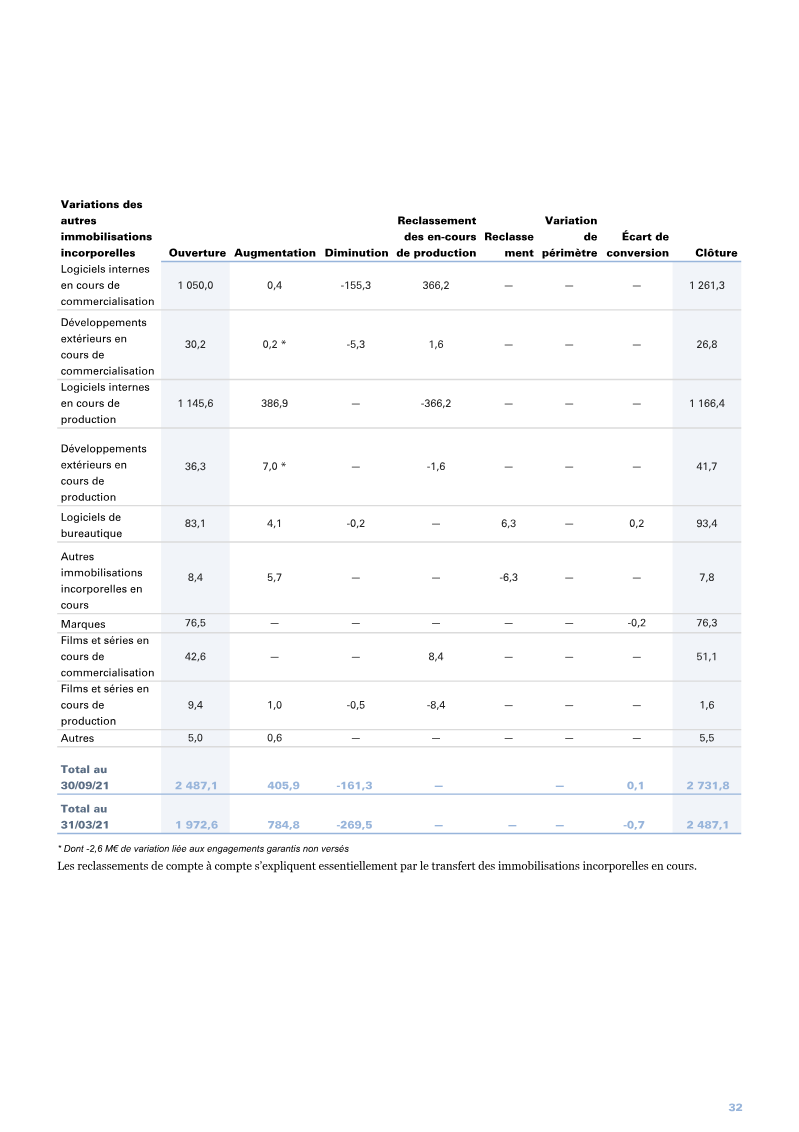
Operational costs rose during this period, fueled by a workforce expansion to 17,220 employees and increased investments in research and development. The company also pursued strategic growth in the mobile sector through the acquisition of a 70% stake in Green Panda Games for €36.7 million. Financial stability was maintained through active capital management, including the issuance of €500 million in OCEANE bonds to refinance existing debt. The balance sheet was further impacted by the mandatory adoption of the IFRS 16 accounting standard, which necessitated the recognition of new right-of-use assets and lease liabilities.
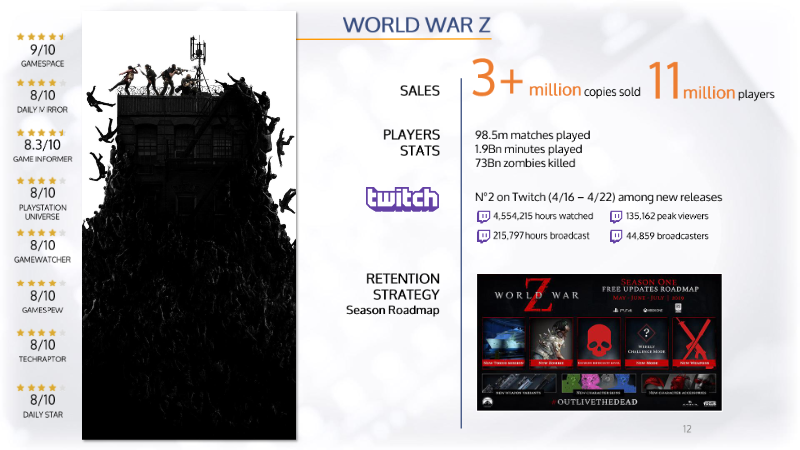
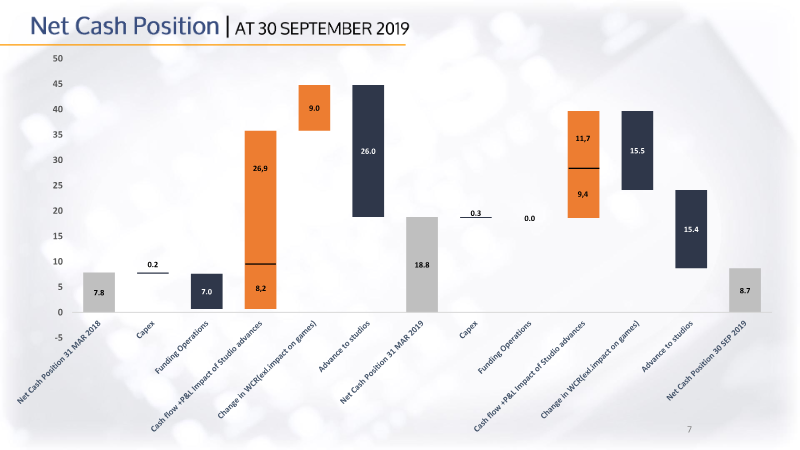
Despite these headwinds, the company maintained strong engagement metrics for established titles like Rainbow Six Siege and Assassin’s Creed Odyssey. Management remains focused on long-term value creation, supported by a stable liquidity position and compliance with all financial covenants. Independent auditors KPMG and Mazars confirmed that the consolidated financial statements provide a fair view of the group's position, noting that the results reflect both the current operational difficulties and the structural adjustments required by updated international accounting standards.
Ubisoft · 2026



Ubisoft · 2026

Ubisoft · 2026

Ubisoft · 2026
Ubisoft · 2026

Ubisoft · 2026

Ubisoft · 2026
Ubisoft · 2026
Ubisoft · 2026

Ubisoft · 2025
Ubisoft · 2025
Ubisoft · 2025
Ubisoft · 2024