1 free read left. Create a free account for unlimited reading + AI research.
Create free account
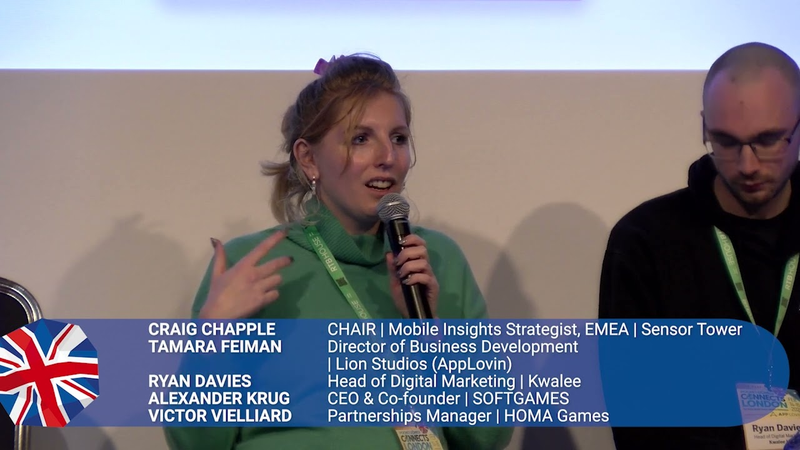
Panel: Best Practices in Design, Development & Distribution of Hypercasual Games
Key insights
6 takeaways- 01Developers must prioritize immediate player clarity by focusing on single-mechanic gameplay that is intuitive within seconds of the first engagement.
- 02Hypercasual success relies on maintaining a positive spread between user acquisition costs and lifetime value, using metrics like cost per install and installs per mille to determine project viability.
- 03Monetization is shifting toward non-intrusive formats like rewarded videos, which are integrated during the initial design phase to protect retention rates.
- 04The industry utilizes a rigorous prototyping framework that mandates the early abandonment of underperforming concepts to ensure resources are allocated only to high-potential titles.
- 05Market testing is typically conducted in major regions like the United States to gather granular data before committing to a broader, global rollout.
- 06While hypercasual games are traditionally short-lived, developers are increasingly using data-backed live operations and content updates to extend engagement and combat user fatigue.
Ask AI about this video
Transcript
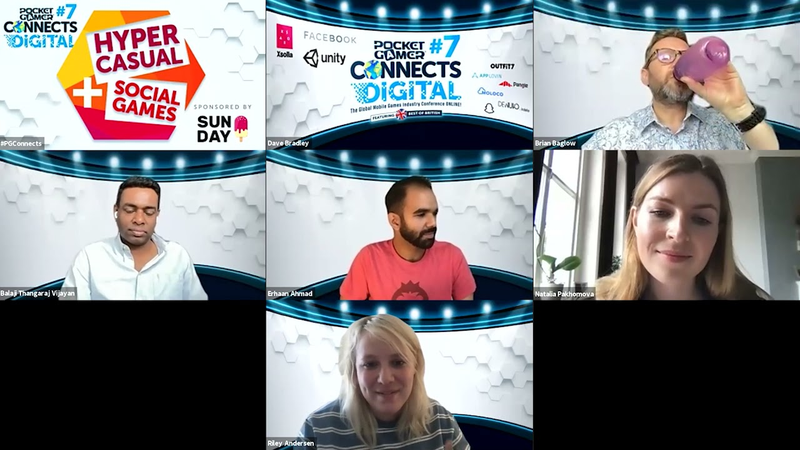
the next one is a panel so we've got uh a great lineup for you here hosted moderated i should say by my colleague brian baglow from pocketgamer.biz and he'll be joined by uh representatives from app loving uh umami games sunday and admix brian how you doing can you hear me okay if i can indeed uh how are you i'm all right thank you yeah good good and you're uh i suspect zooming to us today from scotland i am i am and my my background um has just changed so give me one moment to you know so many uh you you just had on there the background i think from our previous beyond games events and i should say folks remember attending that and seeing folk they were actually doing a beyond games track tomorrow so that might be worth tuning in for but today we're uh we're here with this so brian what i'll do is i'll hand over to you to discuss
the panel which is best practices in design development and distribution of hyper casual games i'll fade into the background um folks if you have questions for brian's panel which i'll let him introduce drop them into the q a box middle of your zoom screen there and then uh brian you can grab those and give them to your audience as you go or um and i'll pop up again uh sort of you know kind of 20 past 11 ish or whatever and help you uh sort of wrap things up then so over to you perfect thank you very much indeed dave and as dave fades into the background i i'd like to welcome this absolutely wonderful looking panel uh folks thank you so much for joining us it's a real pleasure to have you here um you know hyper casual is one of these topics that just seems to keep growing and growing um but despite that there seems to be an awful lot of misunderstanding from developers and publishers outside the sector so i think we've got a really good opportunity to to do something a little bit special this morning so and before
we go any further i would like you all to introduce yourselves tell everyone in the audience out there which is in the teaming thousands i'm sure um exactly who you are and what you do and it's also being scottish i'm i'm going to make sure that i have the pronunciation of your names down because you know i'm a bit gaelic celtic so i just want to be sure and so we'll we'll start with you uh balaji yeah vladimir that's right you got it right uh thanks brian and uh pleasure to be here uh my name is bolaji i'm the head of publishing at sunday we're a hyper casual publisher based out of hamburg germany thank you fantastic perfect and then uh yeah hi uh thanks brian my name is erhan i am um yeah on the bd team at lions studios by flowers wonderful thank you very much natalia
hi guys i'm natalia i work as partnerships manager at admix we monetize in-game environments and non-intrusively through implies and yeah just to let you know we're getting a little bit of feedback from your mic there natalia it seems to have stopped so fingers crossed whatever you were touching don't touch okay thank you and then last but not least riley lovely to see you again yes uh thank you and likewise brian and hello everyone uh i'm riley i'm the ceo of umami games and we make hyper casual moba games perfect perfect so a real lineup of talent um from people in various roles across a lot of the the different organizations involved in hyper casual so this morning we're going to be looking at design development and distribution and i think to keep things simple and and really sort of drill down in the short time we have we'll keep that kind of split so let's start off with with
design itself um and i would like to ask you all in your opinion what is it that you mean by hyper casual because it's such a hot topic it's something that's that's you know growing so quickly despite the ongoing you know predictions of its demise so what what is hyper casual to you um and we'll we'll go back to uh bellagi first if we can sure uh i mean different people uh you know define it in different way the way we say it it's uh free to it's it's largely free to play mobile games with very short sessions and very simple mechanics not only one mechanic right and uh it's accessible to anyone and it should have the same experience of clay for beat a seven-year-old or a 70 year old and it's slightly admonitized that's how i put it thank you perfect lovely yeah i mean i think that that's pretty spot-on for me it's it's it's kind of about the barrier to entry like this this term hyper-casual stuff
around been tossed around so much uh that i think it like becomes a bit of a box but uh these are just games that that anyone can play right i think like they have the broadest possible possible appeal um so being free to play is a big part of that um but yeah i just think making like super satisfying you know interactions that that anyone can pick up and could kind of intuit like how enjoyable it is that's what kind of it means for me lovely i like it and natalia yeah for us hyper casual games with large audience simple gameplay ad reliant and with lots of opportunities to monetize so we we see the genre as developers and users are very open to see ads and for example we conducted in in-place survey earlier this year a was of develop development developers voices three billion downloads where um hyper casual is the genre most
willing to monetize within play that's how they see hypercash that's that's amazing that's amazing and we will come back to all of these points and and riley could you fill us in please yes air for me i agree very much uh with the rest uh it sounds like short and sweet experience maybe apparently since we are developers also from the development side right that the development of the games is also very short and you should be able to actually assess whether it would make sense to keep working on this game very very fast where compared to maybe more casual shiners or other changes the initial development phase can be a bit longer um fabulous fabulous see so in our in one of our speakers yesterday described hyper casual um as video games for people who don't play video games and and i think that's a really neat way to think about it but for people who have worked in the industry for a long time especially
those making video games it can make the whole um genre seem disposable and and i don't believe that's the case because when you look at the numbers you look at the players it really does seem that people value these games they may not have the longest life but they certainly seem to value them while they're playing um and obviously what you all touched upon there is the mainstream appeal so when we come to actual design what are the key principles that you try to adhere to when you're when you're trying to come up with your next hit is it accessibility is it gameplay you know how do you begin designing a hybrid casual game and riley can we come to you first for this one please yes i mean that's a big one but um yeah for us of course as you say the accessibility is very very important um i'm also doing a talk later about like some of some of the same stuff and i think the first important thing is
like do you understand what the game is about right do you understand the gameplay um so when we design games i mean that's something we are very aware of right um what are we inspired of that can be everything right it has to be something trendy um we kind of see it sometimes as you you um you figure out how much innovation do you want in a design right uh in hyper casual maybe you want to have many of the areas similar to something that's already trendy but you maybe also have want to have something that's unique especially to this game right that's maybe like the killing moment in this game um so at least that could be a a way to start fantastic thank you and natalia it's how does admix look at this i mean obviously you're coming from the marketing advertising side a very very big part of this genre so do you have particular design guidelines well um we have early observations on the design of where some developers that monetize
with in-play solutions are um when they release new games they have in play uh uh in mind while designing releasing new games so basically they create perfect surfaces for in-play ads and um we anticipate this may become a trend in the year so uh and especially among hyper-casual games because in play is an additional revenue and it's player friendly yeah and i think that that fine line between um participation and monetization is is very clearly a key here um can we come to you next yeah for sure i mean i think for us at lion like clarity is very important here so riley touched on it before where like the development of hyper casual games is kind of unique right you're trying to strike this balance between you know getting
developing it but not developing it too much because it's a high fail rate and and you're working with a lot of volume so i think like one of the key principles for us is like clarity is the idea clear and can it be really clearly presented like can you understand it in a few seconds if you if you saw a little clip of it or a video i think that's a really like good um indication of yeah whether the idea is is even a good one because because often just presenting something clearly gets you a better reading on its potential um so yeah i would kind of put a lot of emphasis on that clarity um fantastic and and uh please sure i mean adding on to what uh the others mentioned a quick asset test would be is the player able to understand in the first five seconds what the game is about right what the mechanic is about and balancing this fine line between creativity and data i mean it's super important right right from the day one of the ideation process and the key difference for me having worked on other games as well as you're not making games for gamers but you're making everyone feel as if
they're gamers right that's simply insane yeah fantastic and and i guess when it comes to the whole ideation and design process it it's clarity um erihan riley you both mentioned the fact that a it's a single simple you know mechanic it's it's the combination of mechanic and game play that can be understood in seconds and so do you have a prototyping process for this is it one of these um situations where you kind of get a writer's room um everyone throws in ideas and you keep things simple or or is it very much down to any sort of individual um ideas and concepts coming in where where do you begin with the whole design process so for us um we have a very strict process and i think that's kind of key to actually making the work optimizing everything right from the like uh researching design trends right um like the way we do it um
we actually make like a movie strip of each of the designs uh we have a huge trello board where a lot of different ideas and maybe even just trends or memes we have seen on social media that we think this is funny maybe this could be made into a mechanic have a huge trello board of that then we have another trello board where the ideas that have the movie strips in actually goes in and then at least from army game each developer is his own little like prototype army he goes and takes a design document and he creates it into a prototype um within a couple of days within a week two weeks depending on what we want out of the project right um so we're very strict with the process and also with keeping track of the data right when it done comes in this like assessing is this an idea we should move on with uh move or throw away wonderful and natalia it's how do i mix approach approach this is is it you know you're willing to
look at anything or or do you have sort of strict criteria oh we're not strict at all there are certain uh most of the games as suitable for implementation so we are it's always a balance we always approach together with the game developers and studios the best ways to design [Music] in-play placements but it's very open and most games are suitable for in-play menstruation fantastic thank you uh balaji it how do how do uh how does sunday look at this you know as a publisher do you just allow anyone to come in with with an idea or again do you have quite clear criteria what you're looking for totally i mean that's the beauty of hyper pressure right anyone can make a game uh and and most successes we see is from people actually have never made a game before because they start with the fresh outlook they
don't have much unlearning to do right uh from other donors and and and you know purely looking at data to uh makes the decision easier australia matches super short uh processes as well you basically you can you can decide in a matter of days right and not like months uh but we apart from publishing we also have our own internal development team that is constantly learning and stuff so for us uh yeah it's about uh it doesn't matter like uh you know who you are if you're a programmer artist or a designer it's completely democratized and anybody come can come with an idea every every week we have like a you know uh pizza and you know game session and stuff then we also have retros as to what we think uh we uh you know went wrong or what we could improve it's also constantly evolving right i mean things that we thought wouldn't work six months ago uh you know riley's uh abc runner is a classic example uh it would just work so i think it's important to uh like really learn and adapt and also share with
everyone that's what we do wonderful and erhan um yeah i mean i don't know about you guys but i've never had a good idea when i sat down to try and have a good idea right so i think like there's a balance obviously like we obviously also have structures similar you know where we put things down in a certain format and but i think a lot of uh the emphasis should be on on really validating ideas i don't think i don't think in any sphere you want to like restrict how people ideate and and based on what because like like um um some of some of the previous answers were saying were like you know it could be a social media trend it could be some super satisfying like i don't know uh 3d 3d rendering of some like asmr kind of thing right it can come from anywhere so um yeah we want to not restrict that but want to use all our experience our data um to validate those ideas and then try and see uh you know at the end of the day there's no there's no shore shots right like uh we always i feel like we always have hope for every every game we test but um we know that there's a high chance that
it just won't work so yeah just kind of validating our ideas and encouraging encouraging a low barrier to entry just as um and i think the other piece is collaboration right obviously working with super talented teams from all over the world like the reason we want to do that is because they're bringing they're bringing awesome instincts and creative ideas to the table so there's a synergy yeah that's fantastic and incredibly valuable thank you i want to kind of pick up on one last concept before we look at development and which is that that whole idea of validation how ruthless do you have to be you know when you're when you're dealing with a such a competitive market with such a high failure rate you know is it the whole sort of kill your darlings thing you know for every 100 concepts or design ideas do you pick one what is your your criteria how do you validate um is it based upon a prototype can you say at concept level no um how do you guys approach this and i'm opening this up to everybody you know how do you approach the whole yes no decision
i mean for us we are we are very strict with the process uh you have to be and the first thing we look at is the marketing metrics uh like the cpi the ipm uh and from there already we assess whether we will move on with the game or not we do also test it the in-game metric so of course if you have like a an amazing outlier that's way better than all the other 100 test results you've seen you might be doing but in general i would say the marketing metrics is the first thing and you have to be pretty strict because at least for us the way i see hyper casual there's not that many potential revenue streams in it so there will be like a a max cap of the ltv right and if if the start cpi is way too high and you don't think there's room to improve it a lot i mean yeah you will just use a lot of time on working on projects that won't really make you money in the end which is kind of uh like very important right um so yeah
yeah yeah if you're in a business cool designs but actually making yeah the balance i think you guys also said between like making a great game experience but also making money enough for everything to run around that makes sense did anyone else want to jump in on that one uh yeah i can go here uh for us also uh i mean marketability metrics are important from day one right at each each stage you check it out for sure they're always like developers like we really believe in this idea can we have on one more sure we allow them to do it right and and if you have feedback for example let's say you know they have a high cpi cost but like a uh very low or a low cpa cost and high and very low retention cost then we do see like okay there is if there's one or two areas to improve it's totally possible uh most times it's possible uh but if you have to improve like like four or five metrics maybe it's not and then it's sometimes good to also revisit idea after some time right
sometimes it's also the seasonality that's probably like similar game concept like hundreds of games concepts in the store already people have this fatigue so it's good to also revisit it after six months with a little bit of a different twist so uh yeah uh the the decisions are purely them uh you know based on the numbers i would say that makes sense that that makes a huge amount of sense um anyone else except i'll just just quickly add yeah please no don't you don't expect here you know yeah um exactly like the numbers the numbers at the end of the day will tell you right i mean um but you know your i think the the main thing you can do at times is just avoid making the same mistakes again and again right so one benefit of working in volume is just that you get to see a lot of mistakes um and this is this is super helpful um but yeah at the end of the day the numbers are going to tell you what you need to know i i guess that brings me to what one last question when it comes to design which is the and it's something you've all
touched on i think it's ultra important which is is the monetization um because clearly you're not just doing this for for love it's this is this is uh a hugely sort of uh profitable area of gaming so does the monetization have to be built in you know are there games being built around monetization um rather than you know it's a great concept we'll figure out the how it makes money at the end you've mentioned that hyper casual has a limited number of of business models and again this is open to the to the whole panel yeah i mean very quickly i mean i just think like we can never forget we're trying to make great games so that for me that's always first right like you're never going to get someone to stick in a game if it's not fun to play so yeah for me it all starts from there and also i the one thing i would like to add here is it's evolving right i mean we already see a lot of uh publishers as
well as developers moving towards the so-called hybrid games but there's also something in between yeah without going into heavy meta and stuff where you know you want the user to watch rewarded videos because that has a positive impact in minutes and not like days or weeks right and then we now see more and more games uh being designed you know using these principles and they do have longer retention uh curves and like you know uh bigger tvs so i think um that that's something i would like to highlight yeah i would say definitely i agree yeah like starting with the player right and probably not with the ads and just like lattice said the way we see it is like you think about the value right uh for the rewarded as like where where is the most value in the game like if you still have the player experience in mind uh then that's probably the thing they would be most likely to watch an ad to get right or to prolong or to get a
deeper experience off right um yeah so i think it's like if you can create a beautiful balance between your monetization system and the mechanics and like the value points of the game you're you're really good to go um fabulous and i'll touch quickly yes please we touch the player friendliness of the gameplay and i'm the uh monetization solution which gives this opportunity and we uh also so we are play friendly non-intrusive and i think uh in-play ads are super beneficial to balance up all the immunization solution every hyper-casual developer uses well i think for me the clear thing that's come through this whole discussion on design is is it's a focus on the player you know it's not about the the developers indulging themselves it's it's a laser focus on the player from the design through to the
monetization and it's striking a balance um is is that fair to say good stuff it's i'll take your stun silence no no no so so moving very swiftly on into into actual the development cycle the development process itself um again flowing on from design is it all about rapid prototyping is all about the sort of the commitment of resources and that really fast sort of um a creation of something that can be tested you know how do you how do you all approach the the development process i guess is my first question i think yeah i think it's a must right uh at least in the way you can see it if um if if we're all equally creative and have equally good ideas right
probably don't right but in an idea well let's say that's the that's the case then if one studio is like double the likes produces double the amount of prototypes in the same like amount of time as another one does that chance of success will just be bigger right at least that's something we realized we've been uh now we are eight uh but we've been a three-person team uh for a very long time and we realized if if we cannot compete with the capacity of the bigger studios like you will not survive in the market uh and then of course you need to have the quality and the creativity of the ideas also there right but yeah i think you have good point is in a world where everyone is equally having good ideas like this kind of same hit rate like capacity will be super important right um yeah the more the more you put out the bigger the better your chances for success it does is that striking occurred with the rest of you uh
yeah i mean i would say it you know you basically have a clear one-line goal for each stage of your development right when you start this marketability then when you go there the next step is about retention what do players want to come again and then then it's about to players want to play long enough and the final test is do they love your game or do they come again even when you put ads in them right uh yeah and then even after publishing i think it's super important to have clear goals as to for each change and the best way is have just do one change to a bet and do do a b test and see if that works right for example if you have already had the highest possible retention numbers uh you always say you want more but it can also have a negative impact right when you're trying to do something over there it's super important to have a very clear defined goal for each stage of development right from ideation and post publishing that's my take on it fabulous um yeah i mean i think i think i'll go back again to the to the clarity point so i think that that's kind of going to be the
focus in the development cycle especially the initial development cycle as well as you mentioned you're you're kind of looking at marketability uh more than anything um and i i want to go back quickly to what you said brian before about i think you said uh like it made it's games for non-gamers but i think the way i would put it is that it made non-gamers into gamers right and so again like that that clarity allows you to like capture the attention of that person who's not necessarily looking for like a game uh and and show such a satisfying interaction like so much uh feedback from from this game that they want to jump in and play and they're able to very simply and easily within a few seconds right so um i think again like drilling down on that in the during the development phase and identifying what's what's the part of this that's just going to make this like look within two seconds look so attractive to someone they want to jump in and try it out no again i think that that makes perfect sense and you're right that that kind of switch that that looking at things from the opposite direction making non-gamers into gamers makes a
huge amount of sense you know i've worked in the games industry for quite some time and and uh you know i've worked on multi-year projects and and the notion of having something which can go from ideation to publishing you know to to achieving its ltv in a matter of months still blows my mind but it's but it is it's a completely different approach to game development and it's something that i find incredibly exciting because it is so different you know um can i ask just just roughly how many how many games are you guys putting out you know on an annual basis just sort of ballpark is that for me for anyone who's publishing games so yeah there's no minimum number there's no maximum numbers we for us as long as any game is profitable uh we can we can scale it you know and
there is good revenue share for both publisher and developer we do it right yeah so so so i guess if the market's so big you're not at risk of cannibalizing your audience uh i i mean the audience uh the the market speaks for itself right i don't think would be business otherwise uh so so yeah for sure you know if you look at the recent uh observations or trends from our side um compared to last year's if you're doing a derivative or clone of existing games they have less marketability there's a fatigue the users are already seeing something similar so you have low ipm values right so the trick is in uh still keeping it simple still keeping it to as you know a single mechanic as possible but something fresh that people can like uh have fun with um so so i don't think uh yeah it's cannibalizing anyone i mean the end of the day you do know that you're not making this game for people to play for years but rather than months right um yeah yeah no a very very good point
very good point and so to kind of pick up on that slightly i we see very few established studios um you know really succeeding when it comes to hyper casual and there's not a lot of kind of big names from the console world or even the mobile sector you know uh pioneering in in this area um is there a reason for that is it because of their their focus on you know larger projects is it because they they're not yet agile enough to sort of work in hyper casual what are your thoughts um again i can go fast here my thoughts on this this hyper casual is truly democratizing everyone right from from a developer to a publisher it really is one of those markets since it's like pure data driven like zero and one rise pretty binary uh it makes a level playing field for anyone it doesn't matter where the publisher is from which country and uh you know all this demographic or whatever and so you can easily see someone toppling like
you know king and then the next month and the next 10 days someone i'm coming over right so i think yeah there's the it's a pretty level playing field so probably that's why we don't see like one name crossing for the longest time no that that's a fantastically good point um anyone else it's it kind of leads on to a broader point which is where do you see developers you know stumbling when it comes to hyper casual what's the biggest issue they face if you know you're working with somebody and they're just not quite getting it is it devotion to a single idea is it flaws in the design process is it you know where are they where are they finding problems again this is open to you all i think there can be many many pitfalls right now now we don't really work with external developers uh but uh for ourselves i mean that the whole of uh why don't we see more studio scale
uh i think that can be and maybe do well do maybe self-publishing if that's what i get that can be so different reasons right uh one for example saying it's that's like a natural step uh of you learning more and more i think many at least from the game development side right start with the natural interest of making games uh more than maybe necessarily making a lot of like a publishing studio maybe focuses even more on like the marketing side of things right where the natural developers maybe focus more just on the product right and then getting more and more interested in using the data for also the marketing purposes and actually making better ltvs and stuff inside of the games kind of comes over a period and i think maybe that's why right now hyper caches is still kind of new right so i think a lot of developers are also still in this stage but from my experience i can see a natural step of developers
uh a lot of the other developing studios i know also kind of like this once you make a hit that you really scale big maybe together with a publisher then after that maybe you get even more interest of ah like that makes a lot of sense uh all of those features and the process of it and you get more and more interested in it so maybe a time will also make even more developers want to create their own like creative uh yeah you see that's that's that's absolutely fascinating because it it used to be that the role of the developer was was simply the creative element but but with hyper casual because the the content is so intimately tied into the monetization the user acquisition um can developers remain cut off can they can developers and hyper casual survive without that interest you know in the in the data within the user acquisition the monetization i guess this is a question back to you again riley is it possible to just make the game and
walk away anymore or is that for me the way i see it right i guess you could right but and i also used to work in free to play games before and for me i really like data a lot and you have one hit right that could actually be a little bit by chance i think balaji said it a little bit as well you're all new maybe you have a great idea that fits very well for the market right but what i'm interested in as a business owner as well is i want to be able to reproduce the successes i don't i don't just want one success right yeah and enable to be able to reproduce i think you need to be more more yeah more more interested in the entire cycle of development to actually get it because we talk so much about how important the clarity is right yeah what is the first thing you see not the game but the ad it's the ad that actually sells it right then they see the logo then the logo needs to sell it then sort of understanding that user journey i think is super important as a developer and also because umami games focus a lot on data as well so we
believe that's part of the success um fabulous it's uh bellagio anything to add on yeah i was just going to say that like going back to your second question so like what are the pitfalls right um i think like uh tying into that right and being able to reduce is one of the biggest pitfalls that that um i come across is like a focus on on variables that that don't matter and it can it kind of goes it's a very human thing i guess like when you make something you know it's through and through right so you maybe don't think you need to like put a tutorial in for someone new for example and it can sound so simple uh but that's gonna obviously affect your engagement right it's gonna affect how people feel when they jump in and how comfortable they are with a certain mechanic just to give like a specific example right so i think like you know um again going back to the clarity and then and and keeping a focus on only the variables that make a difference because uh like riley mentioned so happy like they're gonna see an ad first right they're gonna see a video of this um and then they're gonna wanna play it uh so in that video if there's a lot of
noise if there's like a lot of i don't know environment elements that don't participate in the actual gameplay uh you're you're decreasing the chance that you put that idea across very clearly um so i think that that's like a big uh part of making sure you can reproduce those um hits as you as you go down and test more games fantastic that's this is this is again really mind-blowing stuff and i want to move on because we are sadly running out of time so when it comes to distribution and there tends to be a sense that the hyper casual goes from zero to 100 miles an hour um more or less immediately but clearly that that's not the case it's a much more measured process so um bellagio can we come to you first that how does how does um sunday approach a publishing and distribution is it market by market how do you how do you introduce something engage whether it's going to hit first of all i mean i i think i mean you're spot on with your hundred zero to
a hundred bars when it comes to the certain stage right i mean to to bring a german analogy to it you know uh you're you're going through the to the streets and you know you're measuring each your speed it really depends on which street you're on then you read the autobahn which is the scaling case and we just go boom right uh but uh but coming back to distribution we usually test on i mean the marketability is pretty facebook is a good platform uh to to see the to get the orientation numbers as we get it uh and then uh we have our bi tools that extrapolate that into like what we can achieve from this right and then uh moving on from there uh you you uh go into retention and and and you then you go on to your ltv numbers and stuff but um yeah to put it this way right you would never reach a publishing stage if you pass if you if you cannot pass the skates so that's why it feels like 0-100 because sometimes you you're killing like you know tens and 20s of prototypes at a time and
suddenly when you find that one hit it just scales so fast and then you feel wow okay you know that this is so fast so yeah it is measured but when it comes to the stage of soft launch or publishing that's rarely it rarely can fail because there are only one or two factors that can make you fade which is your ua cost suddenly increase due to whatever external market factors or your ecpm also drop suddenly because of again external factors right uh yeah that's about it apart from these two you're pretty much if you have unlimited scaling money like you know we have a generous uh funding from our owners you can pretty much go to zero to 100 or even 200. that that's interesting and and erhan have you found much the same uh yeah i mean like again it's like the numbers will tell you right so this is this is all about like balancing a ua costs and monetization strategy uh obviously i think you know there's people much smarter than me with when it comes to monetization at lion that think about these things uh but i think a lot of the principles are the same as if you're
kind of um you know uh sort of like just setting up a mediation in your game and you're trying to figure out you know you want to use all the channels you want to you want to uh sort of be able to measure your your marketing costs and back it against your ltv for that specific channel or that specific source so you got to get granular especially with the scale where we're dealing with and i think that's that's basically the main thing stay profitable and and natalia i'm conscious we've not heard from you in in a couple of minutes so now admix um you know approaches this in terms of not so much from the distribution point of view but in terms of layering monetization into into uh games so how have you guys found the sort of the spread of hyper casual when it comes to sort of territories and regions around the world are you seeing you know more pick up in in particular areas well uh hyper casual uh space is getting more and more competitive that's true and we
think our approach is studios will benefit will benefit from having more ways to acquire users we currently do not offer acquisition from employee but we are going to provide that one later this year so currently we are focusing on brand awareness and it's pretty much targeting on the country level uh i'm with you yeah no that's that's perfect that's perfect um riley as a developer and when it comes to when it comes to distribution are you guys you know super focused on uh you know a single point of launch do you go very broad it's like how do you gauge where to to actually launch and when the time is right yeah so um so we normally test uh the big biggest market first we actually
also uh of course doing some creative tests maybe even some cheaper markets right just to yeah not turn too much money uh but of course yeah when it comes to actually launching uh we normally start in the in the us uh now due to since we've uh scaled games also together with joypack we've also scaled games in china actually but that would be the like the main countries we start in uh and then we spread it out over more and more countries i guess for each country what you want to figure out right is the ltv per country per network right um so that you can do an overall right and say for uk for example this is the overall ltv i get from facebook maybe right and this is for instagram and this is for integral unity and so whatever network you're on right um and then what is the cpi i get
can i optimize it i think as many of you said is there any stuff i haven't done what about playables et cetera et cetera and then you value for each country well does it make sense to push the button or not kind of like uh as velazquez said that's that's wonderful that's wonderful and we we've run slightly over our time but that's okay because you've all been so incredibly fascinating we've got two very very very quick questions um so the first is do you know of any hyper casual games with positive roi and tier three or four territories like brazil india mexico etc is is that happening have you guys had any experience with that uh it can but i'm not sure if it's going to be your primary market then depends on your operational costs all right it's a low ecp markets and then if the margin that you gain from there is enough for your operating cost then yeah good for you i mean it can happen why not
but but usually it doesn't right wonderful wonderful and and uh the secret media gnomes behind the curtain have told us we've got a few minutes more for questions which is which is fantastic because i think we've we've only scratched the surface but um one of the questions coming in from the audience is what organic paid ratio do you find in hyper casual which is a great question um i guess bellagi can we come to you first for this one i mean depends on the game as well right we uh our first ever uh published game kadescape it's about eight months old and it still has a healthy organic uh traffic right but also i think um it's a little bit of an anomaly i would like to say but totally depends on the game and you're you know if you're able to sustain that game for that long time in terms of updates and stuff then i don't think there's a fixed number to this that i can i think you answer with that that's interesting that actually brings me back to a question but i'll
let the rest of the panel jump in on that one as well um folks in terms of organic to paid how have you found it uh i would say it differs from game to game as well it's something we track for each game actually also super interested in like organic numbers over time right whether like like once you like you get more visibility in the different stores do your organic factor then also rise right and how much and does that differ from shanghai to genre uh but yeah we have found that if like at least now we made a couple of these word games right and if you have these games with questions it has like a natural uh virality in that when you play it you kind of if you don't know the answer you automatically ask someone else and then that can be different from game to game right some games are maybe very great for youtube and you will see a lot of people making videos of the games right and stuff so from each hanger would be different um yeah that's i find that very interesting
and it kind of raises a question um that i i've been wondering about which is when it when you come to hyper casual do they have any kind of um i'll say live ops components you know you've mentioned new content but but can you extend the life of a of a hyper casual game with the introduction of new content new level skins etc is or is that you know maybe not the right approach to to extending the ltv maybe ahem is the one that i mean we haven't done that many uh uh live ups yet i think it's super interesting but i would love to hear any of you have more yeah i mean i think the answer is yes uh yeah i mean you know we have some uh some of our our biggest uh hits that have been alive for a long time like like you know mr bullet um those games are definitely working on
on keeping that audience engaged and keeping re-engaged right um so yeah i mean i think for sure i think it's like that that's something that that probably all games in the long tail want to want to take advantage of yeah and is that and to go back to you know the overall best practice for from the panel is that something that you designed in from the outset you know so do you have that in mind if this game does well if it achieves what we need it to here's how we're going to support it here's how we're going to update it or you know once you get to that happy situation do you then go okay now how do we drop in this new content what what's the approach that you guys have taken i mean i think it's like riley said before about the rewarded ads right like you're not just taking an ad in there you're actually finding the the the pinpoint in the game where a user might want that and and and sort of making it very um enticing for how they're going to use that certain object or reward and it's the same yeah i mean like obviously you can't just stick live ups in the game
so you gotta you gotta figure out um where where is the point where you can actually get engagement on those things i think that'll differ against the game uh but uh probably and uh has more yeah i mean depends on game can be a fairly new uh publishers compared to uh you know app love and stuff but what we see is also uh the the users really tell you give you that answer right if they're playing your game for uh for like more than 30 days and then it's still highly engaging then it's a clear answer that you provide more content and some some games are designed for uh you know for liveops from onset but for some it's totally possible to even take that decision after going live right and for some is totally not possible i mean so so it really depends on the game and i use his patterns yeah and and i think this this has become really clear that there's no one-size-fits-all approach to this you know there's not a playbook that you have also depends on the developer as well right maybe you want to move on to the next game i mean yeah no absolutely absolutely we have uh
enough time for just another very quick question which is is anyone exploring new non-intrusive banner video ad formats audio etc natalia this is very much a newbo your ballpark all right then uh well we are currently focusing on uh banner ads we also support video ads audio ads we currently not support and not supporting however everything which is asked we are going to put on the roadmap and we just stay in touch with us and see once we will be able to support that but banner adds uh the main focus at the moment again non-intrusive and keeping the retention um [Music] wonderful wonderful wonderful well unfortunately folks we have run out
of time um i could keep going all morning because i've genuinely genuinely fascinated by this whole area i think there's been an awful lot of valuable information out there if you asked a question that we haven't managed to get to then my apologies but hopefully um if the lovely panelists can maybe dive into our discord channel and answer any questions there riley i believe you're hanging about for a bit because uh it's your next speaker but david has appeared from behind the curtains so i'm going to thank you all very much indeed it has been a truly fascinating session this morning and i look forward to speaking to you again in the future dave back to you that was wonderful thank you very much thank you brian for hosting a thank you to your panel a round of applause from uh those in the audience yeah you'll um hopefully at some point soon i think next year we'll be able to do this in person but for now you'll have to imagine the applause coming from the people watching thank you very much absolutely amazing erihan reilly uh balaji and natalie thank you and talia thank you that's that's amazing thank you very much that was really really really important thank you and uh riley yes you're
sticking around to be our next panelist so yeah thanks again for that panel and brian thanks for moderating
Summary
Hypercasual gaming functions as a high-velocity, data-centric sector of the mobile industry defined by accessible, single-mechanic gameplay and short session lengths. The primary objective for developers is to achieve immediate player clarity, ensuring that core mechanics are intuitive within seconds of engagement. This design philosophy is supported by a rigorous prototyping framework that prioritizes rapid validation. By testing concepts early, developers can identify viable projects while maintaining a strict policy of abandoning underperforming ideas, thereby ensuring that resources are focused exclusively on titles with high market potential.
Success in this competitive landscape is predicated on a precise balance between user acquisition costs and lifetime value. Marketing metrics such as cost per install and installs per mille serve as the critical filters for determining whether a prototype should be scaled. Distribution strategies typically involve initial testing in major markets like the United States to gather granular data before a broader rollout. This analytical approach transforms game development from a speculative endeavor into a reproducible process, where profitability is driven by the ability to maintain a positive spread between acquisition expenses and long-term revenue.
While the genre remains heavily reliant on advertising, the industry is shifting toward more sophisticated monetization strategies. Developers are increasingly integrating non-intrusive ad placements, such as rewarded videos, during the initial design phase to enhance retention rather than disrupt the user experience. Furthermore, while hypercasual titles are traditionally short-lived, the strategic application of live operations and content updates can extend engagement for successful projects. Whether implemented proactively or reactively, these updates are guided by retention patterns, ensuring that developers can adapt to shifting market trends and combat user fatigue through data-backed iterations.