1 free read left. Create a free account for unlimited reading + AI research.
Create free account
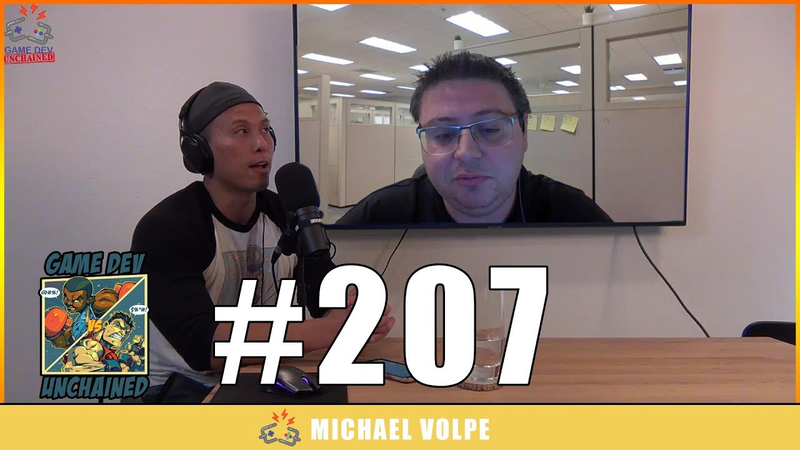
Making the Sale with Michael Volpe | Game Dev Unchained Episode 207
Key insights
6 takeaways- 01The gaming industry is shifting toward the integration of cybernetic and bio-implanted technology, with future hardware development focusing on wellness-oriented augmented reality and wearable devices.
- 02Peripheral manufacturers like IOGEAR are essential to the industry's infrastructure, providing specialized tools such as KVM switches that enable cross-platform play and enhance streamer performance.
- 03Streamers must transition from treating their channels as casual hobbies to operating them as structured media businesses to avoid burnout and achieve long-term professional success.
- 04Developers and industry representatives should replace rigid, jargon-heavy scripts with conversational flexibility and active listening to improve communication during trade shows and media interactions.
- 05Professional credibility in the gaming sector relies on the ability to adapt messaging to specific audiences while maintaining core talking points during unpredictable media inquiries.
- 06Orange County has emerged as a primary gaming and technology hub, attracting major industry players like Blizzard and Amazon Studios by providing a less congested alternative to Los Angeles.
Ask AI about this video
Transcript
[Music] you what's up everybody welcome to another episode of game dip unchain a podcast about game development and the lifestyle of era I am your host brandon fan and along with me this week please welcome our special guests Michael bopi I'm Michael Bovee with IO gear the marketing manager in charge of both io gear and caliber gaming bio gear mm-hmm so this is actually the perfect timing to where our guests such as yourself go through a background of the resume before oh now that we know you're from I'll care where you're heading where you are now just it'll get a little more a bit of a glimpse about your your career and how you got there absolutely so I you know
I've been the marketing manager for i/o gear for the last year but before that I had an extensive career in video games working mostly on the marketing and public relations side starting all the way back with a little company called k2 networks you based here in Irvine that had a free-to-play first-person shooter Korean it was a Korean port that we were working on I it was my first video game credit where I actually wrote the instruction manual and then helped manage the German forums for the game during both beta and then launch awesome and so how did you a switch from primarily software to to hardware how was that transition it was kind of a
just due to the nature of working for a public public relations and marketing agency you kind of go where the clients are so what ended up working out for me was I ended up working with an agency called Eisenberg group out of Pasadena and they had a lot of relationships with Microsoft I was part of the very large very large team that helped launch the Xbox one we worked on the commercials that ironically turned people's Xbox on and you know queued up video games before we can figure out how to get around that whole Kinect microphone but we worked on you know working with Microsoft and placing the the Xbox with reviewers getting games out to them so it's kind of been you know the way hardware and software works in the
agency world it's a very fluid kind of relationship depending on the client you're working with and whether that client has a relationship with the software developer or our publisher I've had the opportunity to work with Electronic Arts Microsoft criterion games Atari back when they existed and Warner Brothers Interactive and you kind of like basically flow into the hardware and the software depending on the needs of the client at the time did you come into the industry through marketing and public relations or was it kind of like there was a segue before you landed to where you are in terms of career path so I write ironically I started in business public business journalism where I had the opportunity to write about companies that are based in Orange
County and one such company is you know this this little company they've created the World of Warcraft Starcraft you know most people haven't heard of them and as a result of those relationships I had an opportunity when I left journalism to start kind of working with other agencies who had a need for someone who was familiar with the video game industry could speak the language who had to start having relationships with the reporters and as a result I kind of became the Orange County equivalent of a go-to guy which then led to to working my way into various agencies where I had the opportunity to work on major titles and little titles and little-known titles and things I don't want to speak about ever again so the game industry is a is
a very unique choice when game developers talk about the beginnings of the career they went into it I feel like majority in passion and less about the stability and money so did you go into game development or at least in the game industry mostly because of your upbringing around games how did you fall into this industry in particular because public relations to the marketing obviously has values in other industries as well yes my passion has always been for the video game both software and hardware so kind of transitioning into gaming was kind of something that I aspired to I've had the opportunity like the nature of the agencies that worked for it I've not always worked on video games I've worked with other verticals from health
care to finance to straight-up technology kind of the transition into IOGEAR kind of applied to that because we kind of live on the periphery of both you know a lot of the products we have are things that people don't normally associate with gaming but then if you go into a game development studio you'll find IOGEAR KB M's that allow you to switch between multiple computers all over the place and so we're kind of a vital part of gaming so my kind of drive to get into gaming one way or another has kind of led me to the various roles that I've had the various clients have had the opportunity to represent and Mike position without gear kind of assisting in like the shadows essentially with you know working to promote our KBM so that we can allow developers to build better games definitely I'm always been
interested because I primarily stayed within the game history I would love to hear more about your comparisons with other verticals seeing that you have such a breadth of resume and working with other industries I mean what are what are the biggest differences that you see between our industry versus the rest so I think the biggest differences are with the video game industry there's far more a focus on the relationship with the journalist a lot of the bigger agency or bigger companies that I worked with it was less the relationship with the reporter was more reactive and less proactive you know with the case of like working with Kotaku or working with IGN you know you're you have a very weird relationship where you're sharing information but it's on your terms until it reached until the game starts to read critical mass and then you've got totaku
90 n kind of covering every single leak every single delay and it become goes from being proactive to a reactive kind of relationship until you get to the review portion where you get to be a petty God and decide whether or not they get a review code so another question that I have when it comes to hardware so the console generations have always propelled us for to change in a very fast-moving environment we're at a point with graphics now where game development it kind of driving the graphics card and and people going out there to buy nvidia cards and stuff like that right repairing to other industries these feel like peripherals are more favorable with game industry versus other verticals because of that reason yes well because we have to you know
like a lot of with IOGEAR does we we are pretty much lockstep with as they make an advancement we have to make an advancement and there is always a little bit of you know we're trying to be innovative by introducing dual K for K and they'll introduce 4k 60 Hertz so then that requires us to go 64 K 60 Hertz you know the transition to type C has kind of forced a lot of developers to rethink how the hardware operates and the type of display you're gonna you know play your game on and as a result as a peripheral company we have to continue to move forward and be innovative with the type C docking stations or the type C switch docks or the type C you know kvms that allow people to utilize the the services one of the you know products that we sell through caliber gaming buyout gear is
the commander which is a keyboard mouse adapter which allows you to use the your Xbox or Playstation with a keyboard a mouse even if the game doesn't have native keyboard mouse support as you've seen over the last few years with like fortnight and number of the other large titles native keyboard mouse support is becoming more popular and much more accepted but you know that's one of those things where we saw a need in the marketplace where players wanted to be able to use their Xbox one their PlayStation 4 and they wanted to play the latest and greatest games but with the keyboard and mouse and we help to facilitate that so a lot of you know our advancements have led to us coming up with products that support and in some cases either enhance or
allow the customization that perhaps the developer didn't foresee going forward mm-hmm this is actually interesting topic because the last couple years maybe thanks to fortnight cross-play has become more of an the norm even playstation have folded into this before the control there versus keyboard and mouse like you were talking about where two separate audiences and ecosystem where console makers want to keep that separate specially Xbox because they actually are a very unique type of company they have a PC market and the console market and until recently they finally allowed what you said keyboard and real keyboard and mouse support it's always been it's been fascinating because from like a PR and a marketing standpoint there has been this game of of course we support the keyboard and mouse and then you'll note that there's
like little asterisks next to that statement because then you you know kind of dig into the details and it's like yes we support keyboard and mouse in the you know maintenance phase or we'll let you type your name but if you want to play your game you're gonna be dead in the water because you're gonna need to pick up that controller and then in the case of like the cross play kind of you know streamlining and forcing people into the various the keyboard or console lobbies has been a fascinating approach which we kind of live on the peripherally of because a lot of the technology that we're utilizing you know it stems from a now our commander is built on KVM technology which is fairly old but what it does is allows for keyboard mouse emulation well what allows us to do with the commander and the controller is we can basically reassign the buttons on your xbox
controller your the controller with the control stick with the mouse and unfortunately what ends up happening is you are seen by the you know by Xbox as still a controller rather than a keyboard mouse which has led to the very diverse of issue of whether or not you're technically cheating or if you're just you know playing the game that you wanted to play the way you wanted to play it so streaming in game developers well gamers and give you flippers alike are utilizing a very new marketing with streaming right streaming is becoming such an important part of the making a game and and showing it off but I feel like at least beginners who are new to that platform aren't really well
equipped with the right gear to have like a lag list type of experience I mean like if I were to kind of shoot for the hip my idea of streaming is like well I have my computer and then something like OBS and I'm good to go but the fact is while you're making the game or you're playing the game and trying to stream at the same time I would often get disconnected so what we're the basic basic rule of thumb for would-be streamers out there that you feel are misconceptions out in the world right now well I think one of the things is you know there's a certain focus on the hardware and the certain focus on software the market is pretty much dominated by Elgato IOGEAR has launched a couple products that kind of hit you know touch upon the live-streaming components that are they try to be as plug-and-play they try to be value friendly we have other products that are
coming out in you know next year CES that come out that speak more closely to that particular industry but one of the things that we found you know we go to twitchcon we went to streaming media West is the the end users consumers the gamers there's just so much in from out there that it's not clear how to go about this how to build an audience you know do you operate like an engine do you operate like a doctor disrespect do you focus on you know like kind of establishing the audience because I feel like a lot of what we're seeing with the live streaming audience especially with gamers is they don't have the you know they don't buy all the bells and whistles with all the new toys and there's no instruction on how to use it you kind of frequently need to have a
graduate degree to figure out how to utilize your your stream link or you know do the transition so that it looks like a professional production and what ends up happening is you get folks who you know they buy in they want to become twitch streamers and they buy all the toys and result in a situation where they get frustrated and they basically walk away it's something that we saw I think five six years ago with the podcasting industry people like whatever all of these folks launched podcasts and then you know they got 10 podcasts in and they were frustrated that they weren't getting offers from Amazon for their the latest little deal and they just kind of walked away and even if they had the best technology you know it didn't overcome the the content and the need to continue to you know the frequency I think ninja has said it best that
while he was off doing interviews for ESPN and for Sports Illustrated he lost followers because he wasn't producing at the level he was producing before those people were interested in him right and that's it a prevalent problem because we've seen many articles since the streaming revolution happened where streamers are under a lot of stress why they rightfully get burnout because because of not being in friend the camera actually loses their audience which is a very I guess very natural thing to do but as a one-man production like you kind of mention and and for people who want to go into this you're basically buying into a MIDI broadcasting tools and gear that it doesn't come very cheap right and right once you do have an audience like ninja or those top streamers out there you're under a lot of stress to keep that going
I guess this is kind of just more like an open discussion like what are your thoughts about that part of the world aside from having the best gears like what what what type of issues that you're seeing maybe this is coming from your experience with the other verticals where you're like you know this is a situation that couldn't somewhat resolved and stuff that we can look at to kind of rectify this this ongoing problem so a lot of it comes down to planning I would say that the biggest problem I see with a lot of the streamers who get frustrated is that there isn't a like they don't have a structure they don't have a plan they just kind of their ideas like I'm gonna wing it until I am successful and you kind of have to treat it like you're a mini production company like there's a reason that like ABC disney Fox Sony like they're very good at producing
content and they produce content in a way that drives engagement drives impressions and you kind of have you see a lot of like the more popular streamers who are being very successful the their success stems from the fact that they're able to keep a very regular schedule they are able to produce content on a regular basis a kind of to certain manage expectations and I think a lot of them have like looked at the model that you've seen with you know the early youtubers where folks you know would produce a number of videos they would get burned out and then you would never see them again until two and a half years later where they would return with a new batch so you kind of see this across the board with the live streaming audiences especially in the twitch in the mixer and Facebook space we're the ones that are successful
are the ones who are keeping a solid schedule who are managing their expectations who are aware that they can't be streaming 24/7 because you know sometimes you have to sleep and sometimes you have to eat that sounds reasonable so you're good go through like you know the problem that a lot of the other verticals that I've worked for it what ends up happening is like it's the the same problem that it's like a health care company or a technology company you know you decide I'm gonna do we're gonna do blogs and they you know you start out real strong with like 5 10 blogs on your and then you're like well you know we're gonna do we're gonna have three to five blocks every single week talking about all sorts of situations well what ends up happening is if you don't have someone who's dedicated to controlling the blog schedule to dedicate it to
writing the blog's what's in the end up happening is you're going to slowly notice that you're not producing at the same rate because you don't have a plan right I mean I'm at Centrepointe the quality will go down the frequency I mean it's all driven by passion and I think that's one that because of the burnout the streamers are just having conflicting issue about continuing forward or not but I mean that was his little tangent it was great to kind of hear your thoughts on that because he you seem a little familiar about that subject I definitely want to talk we ought go ahead we're definitely new years moving into that space so we've become definitely more knowledgeable about it you know if if you if everyone is interested they should check out CES this year we have a lot of fun excitement surrounding a lot of our upcoming live streaming products
the valuable skills that you have allotted being a public relations and marketer is is a skill set that I feel every we have a lot of developers out there it's a skill set that I feel that gets off tunak door we're talking about one-man production when we're talking about small smaller teams like any developers as well this is something that is often just learned through practice and not really through education at least from a developer like myself right yeah we actually met you at the GDC convention last year and it sounds like also you go to a lot of these trade shows and it's a bit of a showman as well to kind of make sure that your products are being represented correctly and everything what are your tips out there for people who are it doesn't have to be hardware it could be software as well just putting yourself out there and putting your product out
there in front of people within those type of shows to make sure that the communication is there well I think the key is you have to have the passion for the product you have to you know kind of know it inside and out so that it allows you and like speak to it at any level to any kind of audience you know the products that I hope you have are not necessarily the most exciting until you kind of understand the applications that they apply apply to so the case for a game developer who may know code really well or you know know the you know the cinematics you kind of have to speak to them on that speak to your audience as you would speak to kind of your mom or your dad I'm trying to explain kind of point of view and depending on the audience kind of gear accordingly usually what ends up happening with having managed interviews with developers before they sometimes forget
that the people they're talking to are not looking at code looking at the cinematics every single day there are people who are interested in the space and have you know an understanding but if you start talking about how the Unreal Engine interacts with your physics engine you'll see their eyes glaze over and the problem with a lot of developers ever worked with they just kind of keep going they don't they don't kind of read the room because they're not used to reading the room so there's a lot of me kicking them under the table so for like going to an audience like GDC you know speaking to other developers you know not every developer has familiarity with unreal but they have a general understanding and that's kind of what you have to get folks to kind of take that step back where they can speak to you know the technology the hardware the software but on a general level versus a pitchman
level and then if you have that person who builds you aside and goes hey I want to know how this would interact with my Linux box or that or you know how did you solve this the physics problem that's when you can go into fold Ella / mode and like impress them with your you know your insights and your skills you know beyond the passion a lot of it is just having some solid talking points one of the biggest you know I would say problems that developers hardware and software have is if they don't have a clear kind of list of the things that they're supposed to talk about they will talk about everything and anything and that's how you how a support PR and marketing people end up having to be reactive because someone will say we know the beta is going to be extended for another two weeks when it's not it's that's what they're talking about it is
you know the beta is going to shut down we're gonna assess all what the data and then you know the ginga's launch but what users hear is oh I get to play the beta for another two weeks holy crap when it gets turned off you go to the forum and complain hey here's this interview with the developer who said it's going to extend you know he said it was going to extend for two weeks what's the deal so the I would say that's the the second challenge is you know having very clear talking points having a kind of an objective - why you're they are talking what you're talking about what you're allowed to say sometimes the developers that I worked with in the past would go off camera and you know kind of talk to random youtubers who were not even on our list who had 2,000 subscribers they would share amazing details that you know other applications would have
killed for yeah I mean you're approaching a very interesting point here that these trade shows like you said we can often get lost as we're promoting your marketing our products and the scariest thing is saying something you shouldn't have said when the press is listening right yes and everyone is the press right exactly the percentage of people that you approach these shows with I guess to put it simply there's two types of audience the one that are looking for the exact product just haven't heard about it or the ones who are not at all your audience how in your experience do you differentiate between the two like if you're talking to someone you're like oh this person is just walking by versus a person who is actually looking for the particular need that your company provides or your game provides do you
have any tips about how to read the room like you said to make sure that you're not bumbling along so there are a couple of ways so in the case of like if you're in it like a tradeshow booth if someone is actively trying to avoid eye contact that person has no interest in your booth and you know you laugh but they're you you stay in enough trade shows and you'll see like this active like way of holding your head so that you're scanning the booths to see what's interesting but you don't want to make actual human interactions or human eye you know any type of engagement and any attempt to kind of like maybe prod them to come into the booth is they will kind of literally like like a gravitational field will like curve around you in an effort to get away from you if you do
get someone who is going to come into the booth who's shown the interest a lot of the times it's really clear yeah you have to be very clear with people you know if in the case of when we were at GDC we were speaking to folks about kvms I say KBM and I know exactly what a KBM is but we found at GDC about half the audience knew what a kbn was and half of the audience didn't and once you think once they figured out it was a you know an acronym for keyboard video mouse and then what that feature set allowed them to be able to you know access multiple computers via one keyboard one Mouse and one set of monitors several people like you saw like this oh my god you can do that I didn't know you could do that and then you had people who went oh that's what that that box was called that I used in my debugging room so a lot of it is like kind of actually like seeing what their reaction is to the
information that you provide them like actually I know this is a struggle for a lot of salespeople and developers is you have to actually listen choose the reaction that you're getting as you share this information yeah because sometimes you know you type yourself up so much that you basically become a freight train where you don't give them a chance to understand the information that you're providing them because you have rehearsed it so much so there's no chance for them to you know have that moment of recognition and then the their eyes glaze over and they're like okay best of luck to you I'm gonna go wander down the next booth yeah so like a lot of that like having the wherewithal to kind of check yourself the social hues aspect of it is uh I mean it it needs to be highlighted more because as game developers being a
developer myself in the industry aside from talk to friends nearby it isn't like a skillset that is often promoted right now within the the workplace I can tell you some hilarious stories that I don't think I'm allowed to share of developers who we did media training with and essentially we'd bring in a person who is you know a mock reporter ran they start asking questions and they ask questions and like a number of ways because they're different reporter styles to asking these questions there's the matter of fact reporter there is the reporter who kind of buddy-buddy up to you and becomes really friendly and all of a sudden will ask you a question and because you're like feeling warm fuzzy feeling you reveal all the details that you weren't allowed to reveal and this like across the board every single development
studio from like little Indies that I work to it to the massive publishers they all have the same problem where they would kind of like get excited they would start telling things and then literally it was like no you like you just be glad that this was a mock interview where in a controlled environment and then my favorite was we would always record these interviews and then allow the participant to re-watch the video and see how they actually performed while they were on camera yeah and I like I feel like I crushed a lot of people's like thoughts of like how they looked on camera and how confident that they were having felt and then they watch it's just like a bunch of it isn't really a leti check unless you film yourself or or used to public speaking these are just parts of you that you don't normally get revealed right I mean
that's why I think a lot of wives and husbands clash right I mean it says if anything it's just a person putting up a mirror like you said just rewatching the video of ourselves and pointing it out because in our own frame of mind we have such a absolute frame R of ourselves and I think indie developers or marketers or anybody that is out there selling it takes a lot of practice kind of get used to and be really efficient yeah yes and there are some really great examples of folks who like you watched them on stage and watch them in interviews and you see how they kind of present themselves Reggie from Nintendo Doug Bowser was also from Lu Tendo Jack Trenton who had the opportunity to work with once upon a time he was an absolute pro he was the former president I think of Sony and he could just like the it
was kind of like watching the judo master people would ask him questions and he would just effortlessly deflect them and you know return to his his talking points his message you know the messaging that he had agreed to in advance with the PR team it was fantastic so this type of training I mean youyou were talking about how I'm familiar with this too as well like in within the studio when especially when we're doing like interviews and stuff there are certain people and management that have to be prepped and trained which is kind of like a fast way of learning through things we're talking about ways how to get better at it but it only can be done through experience that you can really be better at it but people are just being trained last-minute up to the event how difficult is that usually of people succeeding or not well it really depends
on the person and that person's level with the company so like usually management is better because they don't have all of the intimate details they will basically focus on the message points that you have the problem them is if a reporter asks a question that the reporter thinks that they should know the answer to and they don't there's that always that weird awkward long pause where you know you see their brain kind of like trying to come up with a way of you know coming up with an answer and a lot of the times you can you know what we tell a lot of people is you can admit you don't know you can just say I don't know let me get back to you on that and it's something that the reporter might add you know as an app you know an afterthought or include in the story as like this was included after the interview you know reporters don't expect you to be a you know encyclopedia of everything that's gone on and all of the details
especially if you're more the publisher level versus the developer level so the the struggle always comes down to like the folks who for me the problem was always the people who believed that they were a hundred percent ready I didn't I don't need this training it's it's not gonna help me I've done this a hundred times before those are always the people who put their foot in their mouth the folks who were like yes I need this you know I'm gonna listen to everything you say I'm gonna watch all the stuff I'm gonna reread these talking points those were the people who were not the problem I loved them and I I hope that everyone is like them but it really it it depends on the person if you had a lot of practice doing it it's very helpful you know like I worked like I said I worked with several big companies and big executives and those executives who like
they knew it they you know like Jack Trenton isn't a perfect example like he knew his stuff but he still would you know do the media training he would still have a comp you know have the conversation go over the talking points was very attentive listened to all of our suggestions and then he would you know blow it out of the park there's like two different approaches that I've realized with people where when it comes to successful public speakers or just being an excellent salesman or woman where one is just very overly prepared they know things line by line and they just practice that speech over and over and over and over and the other ones super casual like you said having two talking points in the back of their minds I guess the question is where I see with the over preparedness the people who do it wrong are the ones that stick to a script but as soon as
something else happens it flubs them up because now they're lost in that place and they're fumbling through the words I mean like how much of that is just because they haven't prepared enough or is it disappea super versatile so that comes back to like the media training you know you have the folks who are the robots they stick to the script if you ask them a question that doesn't comply with the script you know you get a 404 error yeah yeah and you see that on stage which is I'm trying to get people to avoid out there it every time like I like I love the I love the e3 presentations because you do usually get that person who is on stage who like prepared for everything but didn't prepare for the fact that the demo wasn't going to work and all of a sudden like oh how do I know a few seconds of thin air while
everything reboots and those are the moments where you're like bees let's see how this plays three highlights yeah well I'm a thing like you you know you look and you know the people who are comfortable and are able to kind of like you know it just front slides off their backs are the people who they have those social skills they know to how to kind of like strong maybe fill the time with some more information that they have in there you know in the back of their brains while the presentation loads or while the game tries to not crash it's definitely one of those situations where you know the more prepared you are the more prepared you are the more you're able to kind of you know adapt and adjust the people who like me read the script and have it like it's not context there isn't any context like talking points they've just been told the talking points and that's all they go out to and
you see that a lot with you know if you hire a spokesperson they you know they they're handed the talking points two minutes before yes they might be an actor and they know how to read lines but if you get a situation where they don't know what they're saying how do you recommend people to get better at that in their daily lives aside from I guess there's no way to avoid it but to get in front of people right because that's that's when the heart rates start to race and palms get sweaty right is there a way to simulate that so the the best way you can simulate it if you're you know if your developer and you don't have the time to hire a PR or marketing agency to help you through your media training is set up a camera get a friend to ask you of a bunch of questions it could be someone internally it could be a significant other and then watch the video of that interview and as you
kind of like work your way through it like that's how a lot of media training happens it's not a rocket science it's definitely more of an art and kind of a practice makes perfect situation I've you know I've recommended this to clients who don't have the budget or a media training to just basically get themselves in front of a camera there's a chance there won't be a camera but the act of watching your reactions and how you like look you know listen for social cues you know making sure that your eyes are on the subject that is key because you have a lot of situations where people like I had I've worked with developers that they can start to pontificate they stop looking at the reporter and they just start like spewing facts and details and speeds and feeds and like a lot of that information is not going to make it into the article because it's not relevant to the
audience right I see that a lot with some people that conversate with where they're it's very a one-sided conversation and they're not watching really the other person's reaction if they're snoozing off or they're just being polite but keeping their eyes open forcefully I mean this is a lot those two friends who instead of having a dialogue you end up having a month like debut monologue right there for the like live show with the occasional like yes you're right or yes no you're wrong and then it continues like that flood and I see that a lot with definitely when you get down to like the head developers the people who spend so much time in their own heads and sometimes they it kind of it's hard for them to overcome that right so we're both Orange County well it sounds like you you spend a lot of
time in Orange County right that's your your main love okay we're actually next door so I'm I'm in Orange County as well when it comes to the game is free right I'm frustrated how Orange County isn't bigger than it should be if we have all these nice roads and wonderful companies and residential areas that are affordable but aside from maybe a few companies here there oh yeah exactly affordable but it's not like in LA where you have the Sony Santa Monica the Naughty Dog's the dice you know there is it's a technological hub for game developers as well as San Francisco right Orange County it's getting better but it hasn't gotten there yet in my opinion I wonder what your your feeling on that is seeing so that you love Orange County as well oh I love Orange County and there are some fantastic developers here I mean you have blizzards you have Amazon Studios you in having in exile which is now owned by
Microsoft you have obsidian which is out by Microsoft yet ready at dawn k2 which is now reloaded games is here you know there are countless little in these companies that have been spun off from the blizzard view but you've been seeing more and more is these developers who are who've grown up at Blizzard are now leaving Blizzard to start their own competing studios which is kind of a little bit what you've seen with Los Angeles except Los Angeles had more money to kind of infuse you know Sony Activision they had the money and the wherewithal to make those that area of Los Angeles like the go-to space so what ended up happening is you had developers who you know they wanted to work for Activision they wanted to work for Atari they wanted to work for Sony Santa Monica so they made themselves available for that that area and they set up
that's their shop Orange County is behind the curve because we're always the weird sleepy community that's you know we're the you know we're the small sleepy community of 3.5 million people where some of the biggest companies in the world are based but no one wants to acknowledge you know I think if Orange County was its own DMA we would have would be having a far different conversation because right now Orange County is included in the Los Angeles DMA and as a result the only time you hear about Orange County is when we're on fire that's true yeah Orange County or the show I mean this should though see yeah a little bit of this put us in the map a little yeah well that like we're gonna be each like basically all the terrible things yes put us map and you like if you sit back and you like look at the companies that are represented by Orange County it kind
of quickly becomes clear like there are a lot of blue chip companies here you have Broadcom Allergan that you know does all the Botox and the silicone boobs you have and worth life science they do countless technology things you have Amazon Studios here for a short while twitch was kind of running its operations out of Orange County out of the Irvine Spectrum you have Blizzard that basically has grown into a giant super company and then of course the granddaddy of all of them you have Disneyland that kind of like feeds a lot of this you know you know the there's always that argument of you know which came first Anaheim or Disneyland I will say this though just driving by Irvine this the difference in the last five years have been insane the more there's more housing development a lot more companies are popping up I feel like Orange County
of anything is finally having the recognition that it deserves in in terms of the talent here and the amount of space and availability I think maybe five ten years from now I'll be a different story but it's been a slow grind like you said it's but kind of behind the curve and people are slowly recognized it because now LA is just so flooded with traffic that people are being driven out now yeah so I always joke that Los Angeles it's not a city it's just urban sprawl it's one of those situations where there is no like you really can't identify a center other than downtown and Orange County is kind of this weird combination of centers so you have you know areas like Irvine that attract the blizzard in the Amazon and the obsidian talent and then you wander into like the Newport Beach area where an exile basically set
up shop and as a result you have a bunch of little indie developments that are popping up over there so you have this kind of situation of each little city is kind of operating as its own kind of incubator for a different type you know different sort of genre you have developers who kind of have left blizzard or left obsidian or left in exile or left Atlas slash Sega and are now kind of wanting to you know bro their brand their their their new indie studio in the backyard where they're comfortable and as a result of you know I feel like for the most part lizard is the one who kind of set this set the stage for this because they you know for the last 20 years they've been you know occupying Irvine and their talent were has grown and is trying to spun off its at restarting to attract the same talent that Los Angeles did
back in like the eighties in the early 90s yes totally agree on that it's a lot more comfortable but it has been very sustainable which I think developers are are too using to use to the life here in OC to move anywhere else which is what I grew up in Orange County I've moved to San Francisco I lived a bit in Los Angeles and work there as well and I always find myself back here because of the space it just feels less crowded versus these other cities well I would agree with you except for when you get on the freeway bridge Bay or it takes you 45 minutes to go for miles right right right that better but at least here in Orange County versus Los Angeles you know when I go off the ramp it's not more traffic Orange County you
can just go around at least and try to have a life but Los Angeles just every street around the freeway it's just impossible to get through right so my last question comes to this which is the future with technology as streaming in more people demanding instantaneous content all right I wonder what is the endgame here this is kind of going super meta but this is something I feel like you might be some have some pretty knowledge to them or at least interested in everyone is always talking about how we're combining ourselves with computing hardware right and with the the the phone being the extension of ourselves already like a something like from DSX where we're instantly a thousand or some
people will say a million times smarter just having a smart phone in their pockets at one point do you feel like it's kind of cybernetically enhanced our life in in that way I mean how far away do you think we're at that point where people are gonna want to chip themselves with technology because it feels like all hardware is kind of leaning towards that with VR and all this stuff you know yes I would agree I think IO here is definitely going to be behind not behind the curve like due to the nature of our you know peripheral products you know I don't know how many people you know once they chip themselves we're gonna need extra USB hubs but I do like you know within I think within the next 15 to 20 years we will definitely see people who are chipping themselves for wellness I have seen some really incredible things
that coming out of life science with regards to like eyeball cameras and you know basically creating an extra layer of information on top of the top be I will knowing what you've seen in your you know this is definitely one of those things where you're gonna see it more as a wellness tool and what'll end up happening is it'll transition into an entertainment tool once kind of the the details are kind of squared away because I feel like you kind of this is the problem that like AR and VR are encountering right now like the technology has finally reached a point where it's commercially available but there is no incentive for early adopters and a couple people that have done it there's no killer app that is like required for youth like required and that kind of was nice with like you like if you look at phone development you know the iPhone was that watershed
moment but a lot of the technology that the lot of Technology and the lessons that they learned had come from past phones you know windows have come out with basically an equivalent of the iPhone like two years prior and nobody cared because it was terrible yeah the I you know Steve Jobs launched the iPhone and you know it was the phone that everyone needed to have them because finally it was like oh wait this is why I want to have the Internet at my fingertips all the time and we're seeing that kind of transition now especially with like the voice-activated the series and the alexa's and the Cortana's form where people are you know discovering how kind of efficient it is to have a listening device in every single room of your house yeah and as that kind of digital assistant becomes more like Jarvis from Iron Man I think you know you'll see about greater adoption and that's kind of the case with like the cybernetic and bio implanted devices is
you'll see folks kind of reached that point and then ioki air just by the nature of like me we're we're a net we are a connectivity company so if someone needs a type a USB type 12 port or you know their arm display we will happily build a device for you I'm very interested in that type of feature I think is gonna happen with our lifetime for sure and you estimated about 15 years that's it's a crazy idea I mean like it makes sense when you when I really think about it it's like some type of contact lens that has an AR overlay of the world around you I mean that sounds very reasonable now within the 5-10 years of these devices getting better and smaller well and you see it like you because you kind of see this pop culture is influencing the
technology so you have you know sword art online cyberpunk 2077 77 kind of like looking at the various possible speculative futures and what you're seeing now is the technology trying to figure out well is you know an AR you know hard life situation something that's actually possible and so you see a lot of like its we saw this with Star Trek you know the the tricorder was a work of fiction and now it's something that exists well we are about that our mark I want to thank you for your time Michael but this is also the moment in our podcast where I hired the Mike to you to promote shout out give attention to anybody anything that you want to give attention to so take it away I think I know what you're gonna talk
about but either which with the mic is yours excellent so if anyone is interested I hope your comm is the place to go for all of your high-end kvms they are fantastic for helping indeed to Triple A developers build out and manage their resources so that they can make the best games they allow you to you know connect to 2 to 16 devices at any time so if you're that high-end cinematic team or special effects team basically you know you can set multiple computers to do the rendering while you continue to watch YouTube and be productive and if anyone else is interested caliber for gaming we have some of the latest keyboards and mice and the RGB specialty as well as our
commander which allows you to play with your keyboard and mouse which we're aware is a diverse of issue within the community but it is something that we've we've heard from users that they love we've heard from users that were cheaters [Laughter] so Elvis I mean that's pretty much it I hope your provides that number of connectivity devices from docking stations to kvms to network adapters to keyboards and mice where usually that device that's sitting in the back behind your computer and behind your monitor and will continue to be those guys who connect your you know better investments to make them better excellent Michael thank you so much for being on the show I've been a huge fan since meeting you and your company heyo gear and loved to be talking to you about issues such as connecting with technology in a way that
we all know it's going to come right so that is it that is it for the hour thank you Michael thank you everyone for joining and see you guys next week ever you [Music]
Summary
The gaming industry relies on a symbiotic relationship between hardware innovation and software development, where peripheral manufacturers like IOGEAR facilitate cross-platform play and streamer performance through specialized tools such as KVM switches. Beyond technical infrastructure, the professionalization of the gaming ecosystem requires a shift in how creators and developers approach communication. Streamers frequently struggle with burnout because they treat their channels as casual hobbies rather than structured media operations. Sustained success in this space demands a disciplined production cadence and a strategic approach to audience engagement that mirrors traditional media production.
Effective communication remains a cornerstone of industry growth, particularly during trade shows and media interactions. Developers must move away from rigid, jargon-heavy scripts in favor of conversational flexibility and active listening. By practicing mock interviews and learning to read social cues, representatives can better tailor their messaging to specific audiences and navigate unexpected inquiries or technical challenges. This ability to adapt while maintaining core talking points is essential for building credibility and ensuring that complex technical information is conveyed accurately to stakeholders and the public.
Geographically, the industry is experiencing a notable shift as Orange County solidifies its position as a major hub for gaming and technology. By offering a sustainable, less congested alternative to Los Angeles, the region has attracted major players like Blizzard and Amazon Studios alongside a growing indie community. Looking toward the next two decades, the industry is poised to evolve beyond traditional peripherals. The integration of cybernetic and bio-implanted technology, particularly in the realms of wellness-focused augmented reality and wearable devices, represents the next frontier for hardware development and human-computer interaction.