Loading the document
Key insights
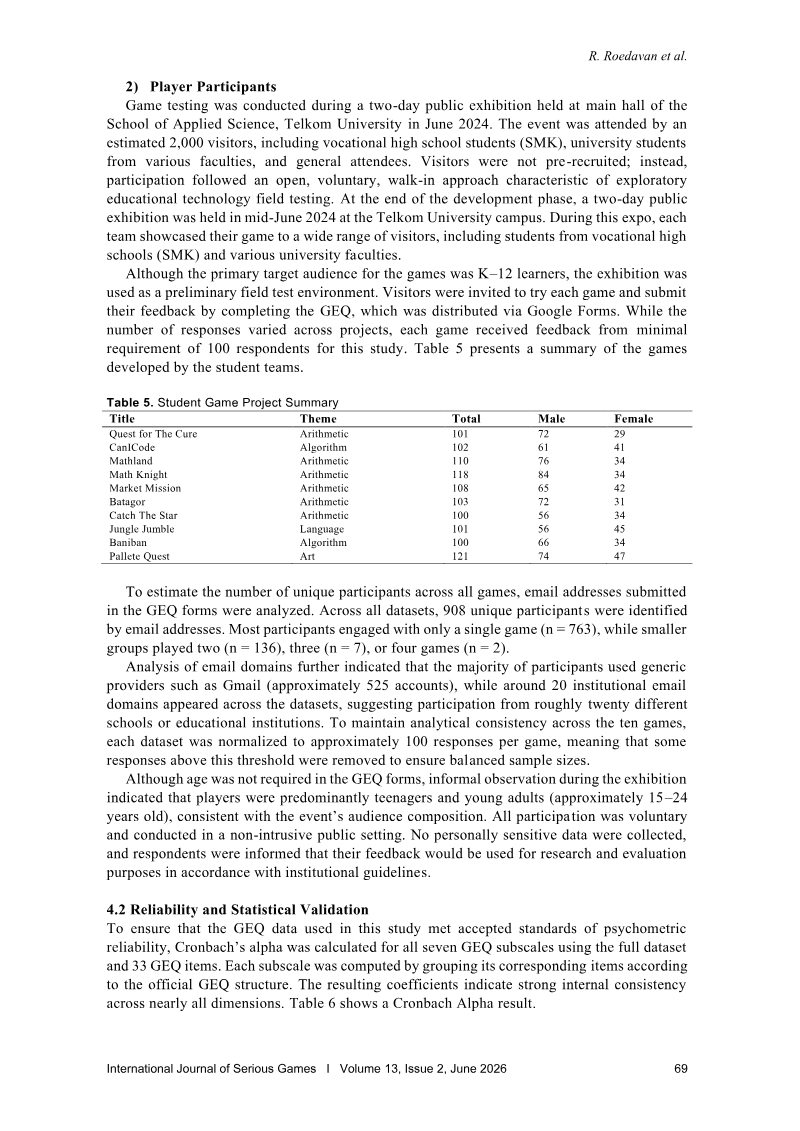
5 slides
The solution
The Social Maze uses collaborative gameplay for robot-assisted physical therapy.
This system integrates collaborative serious gaming into upper limb rehabilitation for patients with multiple sclerosis.
Like two pilots coordinating to fly a plane, players must work together to succeed in the game.
1 / 5
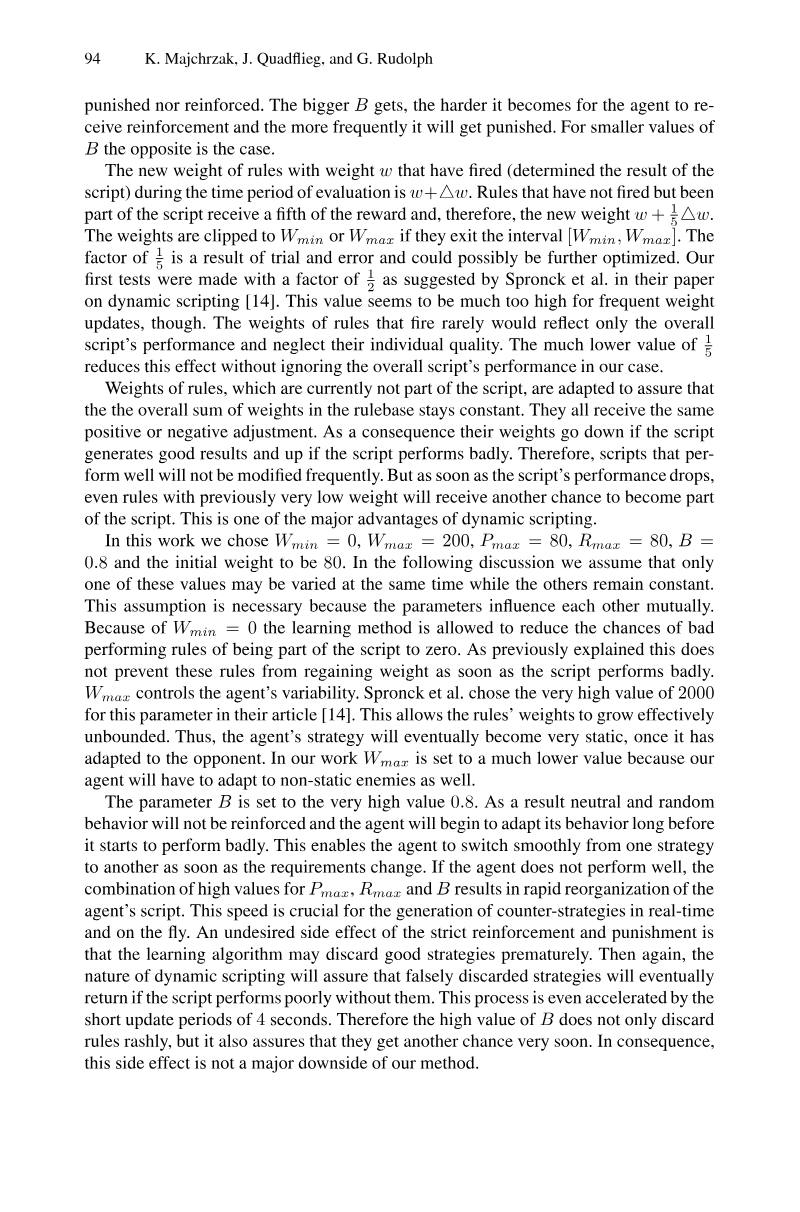
- 01The Social Maze integrates collaborative gameplay into robot-assisted physical therapy to improve motivation and engagement for patients with multiple sclerosis.See it on page 1
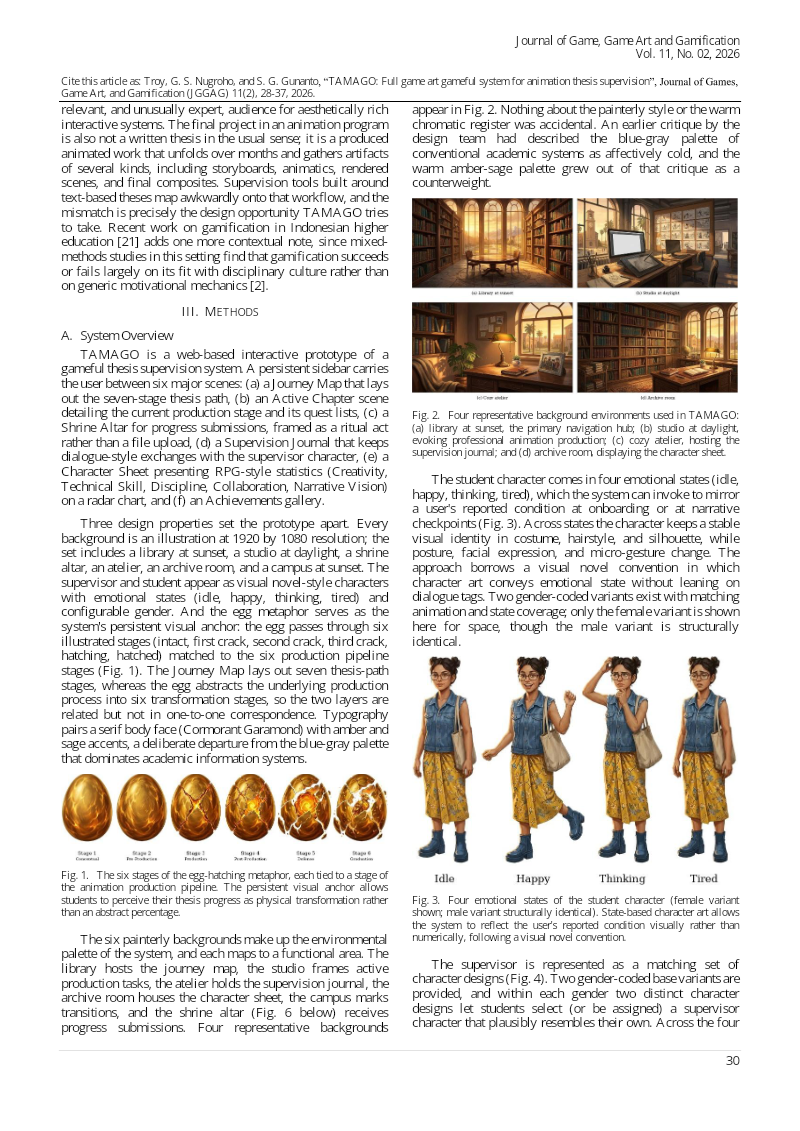
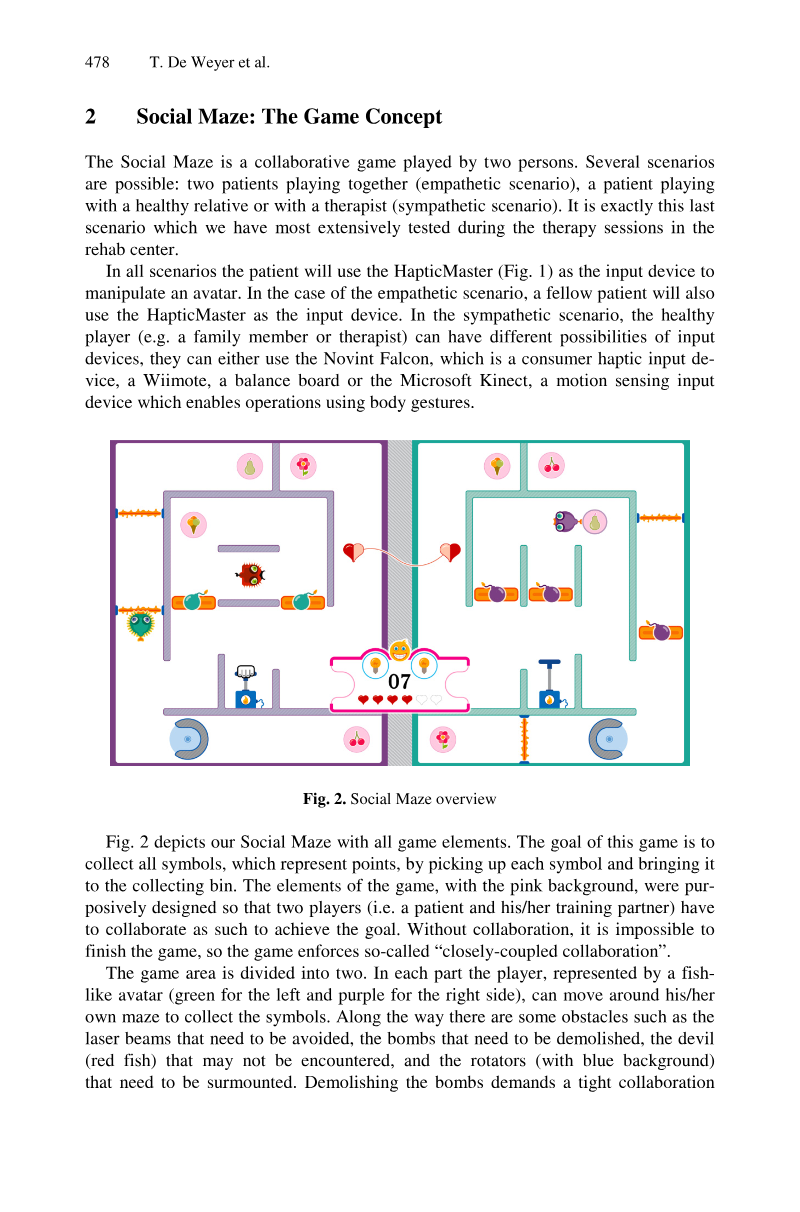
- 02The system utilizes a 'closely-coupled collaboration' model where two users must coordinate to navigate a virtual maze, avoid obstacles, and collect symbols.See it on page 3
- 03Hardware integration includes the HapticMaster for the patient, while partners can use diverse input devices such as the Novint Falcon, Wiimote, or Microsoft Kinect.See it on page 3
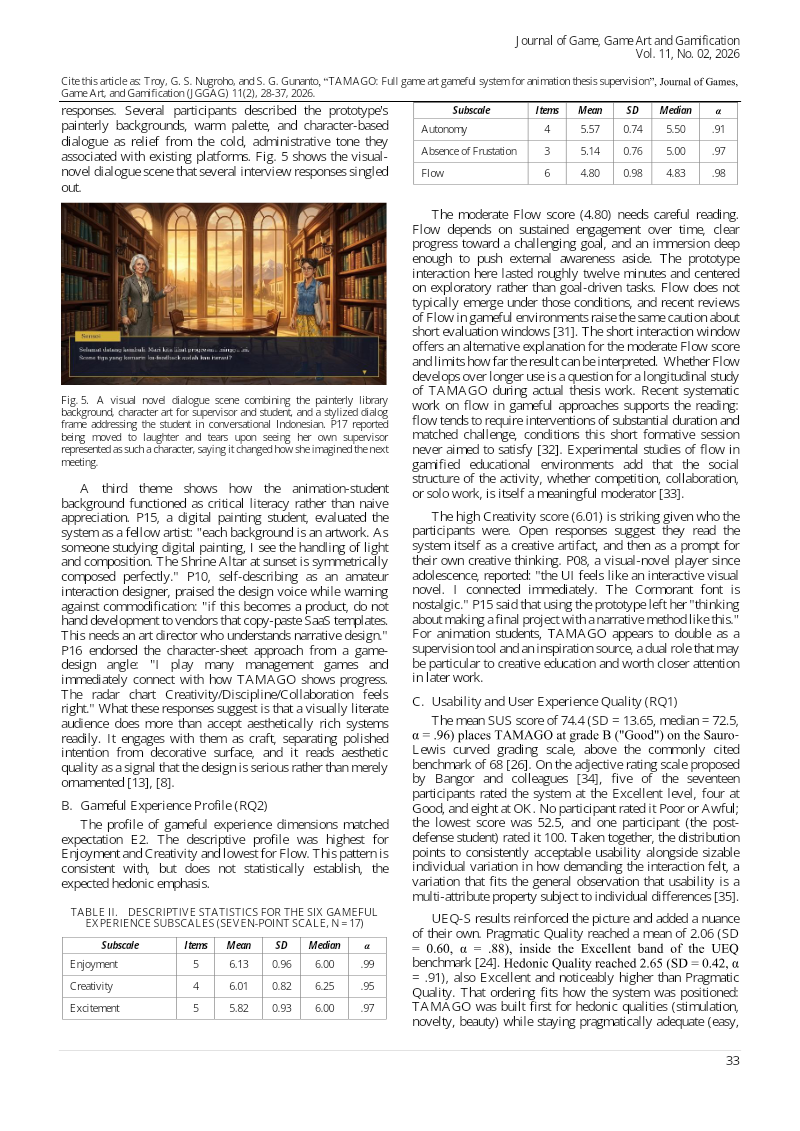
- 04Therapists can calibrate haptic parameters to adjust the physical difficulty of the training, ensuring the game remains personalized to the patient's specific motor skill capabilities.See it on page 4
- 05User testing indicates that collaborative gaming fosters strategic communication and social rapport between patients, therapists, and family members.See it on page 1
- 06Embedding social dynamics into rehabilitation exercises creates a more sustainable therapeutic experience by bridging the gap between clinical necessity and patient enjoyment.See it on page 1
Ask AI about this report
Summary
The Social Maze explores the integration of collaborative serious gaming into upper limb rehabilitation for patients with multiple sclerosis (MS). The primary objective is to enhance patient motivation and engagement by incorporating social interaction into structured, robot-assisted physical therapy. By utilizing haptic feedback technology, the system provides a personalized training environment that allows patients to perform essential motor skills—such as reaching, lifting, and turning—within a gamified, virtual context.
The game design centers on a "closely-coupled collaboration" model, requiring two participants to work in tandem to navigate a maze, avoid obstacles, and collect symbols. The system supports various pairing scenarios, including patient-to-patient, patient-to-therapist, or patient-to-family member interactions. Hardware integration includes the HapticMaster for patients, while partners may use diverse input devices such as the Novint Falcon, Wiimote, or Microsoft Kinect. Haptic parameters are adjustable, allowing therapists to calibrate the physical difficulty of the game to match the specific capabilities and progress of the patient.
Qualitative findings from user testing and observations indicate that the collaborative nature of the game successfully fosters social engagement. Participants reported increased motivation, with evidence of strategic communication, mutual encouragement, and the development of long-term social rapport between patients and therapists. The study concludes that embedding social dynamics into rehabilitation exercises not only facilitates the necessary physical movements but also creates a more enjoyable and sustainable therapeutic experience. This approach demonstrates that serious games can effectively bridge the gap between clinical necessity and patient engagement through shared, goal-oriented activity.