ArticleBrutally Honest
The Simulation Game Ad Playbook: What's Working
2 Jul 20251 page~1 min full read
Key insights
4 slides
Core strategy
Simulation ads prioritize emotional triggers over literal gameplay.
Successful campaigns tap into core human desires for order, power, and sensory satisfaction. They move beyond traditional gameplay representation to capture user attention.
Emotional triggers. Successful mobile simulation ads prioritize psychological triggers over literal representations of core gameplay mechanics.
The narrative
A chaotic scenario demanding resolution drives engagement.
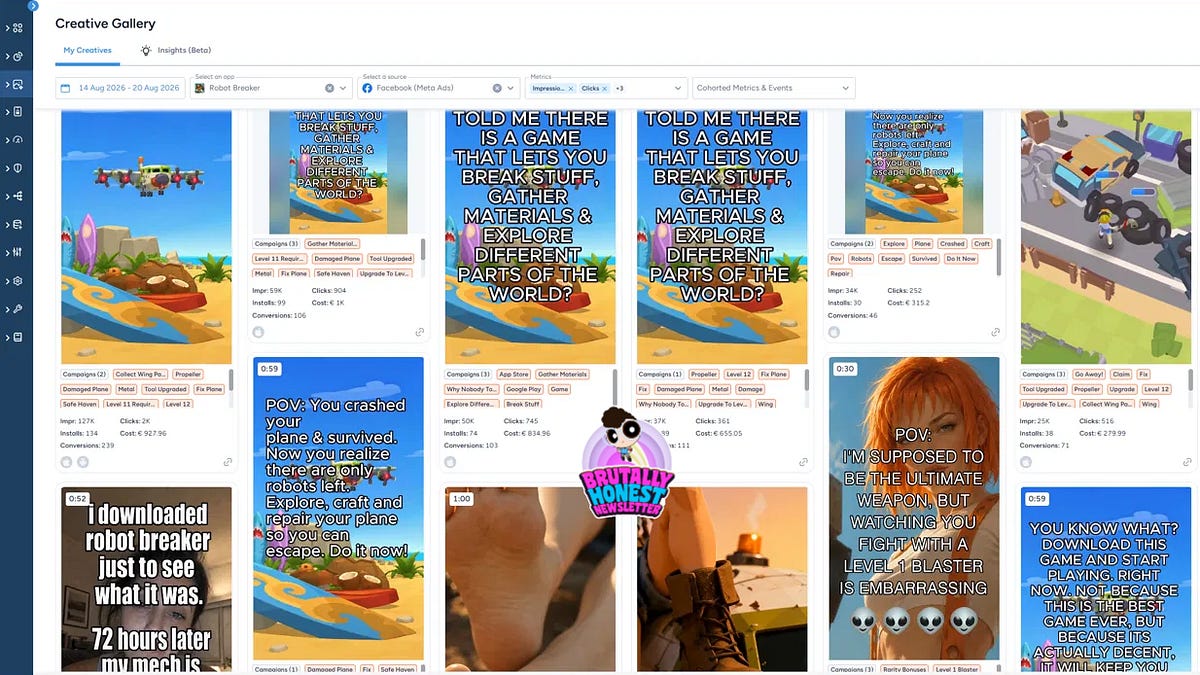
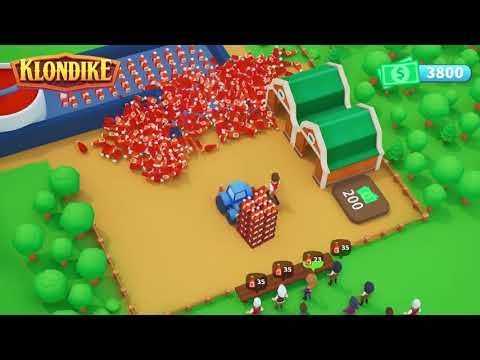
The most successful simulation ads present viewers with a chaotic or broken scenario. This approach provides a sense of instant gratification and creates a compelling experience.
Fix this mess. The most effective creative strategy uses a 'fix this mess' narrative, presenting viewers with a chaotic scenario that demands immediate resolution to drive user engagement.
Simplification
Complex simulation tasks become high-stakes challenges.
High-performing creatives transform complex economy-juggling or world-building tasks into simplified challenges. This strategy sells a power fantasy, positioning the player as the essential agent of change.
Power fantasy. High-performing creatives simplify complex simulation tasks, such as economy-juggling or world-building, into high-stakes challenges that offer a sense of instant gratification.
The standard
Hypnotic hooks are becoming the user acquisition standard.
The industry is shifting toward these hypnotic, high-engagement hooks as a standard for user acquisition. Developers are successfully converting casual viewers into active players by focusing on the psychological urge to repair and optimize.
Industry standard. The industry is adopting these hypnotic, high-engagement hooks as a standard, even when they involve bending the truth regarding actual in-game content.
1 / 4
Ask AI about this report