Frank Gibeau: The Zynga Turnaround That Went from $1.87 to $12.7 Billion
15 Jul 202666 min video
Transcript
And so when I looked at it, I was like, "Wow, what's what's the problem? We're doing about 600 million a top line here, but we're putting out 17 million on the bottom. It's a really leaky bucket." It was a very quick di diagnostic that I ran through and I was like, "This this is a very fast race car, but the parts are all over the garage floor, right?" And so we got to put this thing together. [music] And and so what I quickly understood was that leadership was way out of position. You know, I come from the school. There's no bad soldiers. There's only bad officers.
Frank spent more than 23 [music] years at EA during the Golden Era where he helped shape iconic franchises like Road Rash [music] and Madden. After retiring from EA, he had a meeting with Mark Pinkis, the founder of Zinga, who recruited him to one of the most legendary turnaround [music] stories in games. Frank is one of the most well-rounded guys I have met, and he brings a wealth of knowledge around [music] curiosity and learning, the background behind acquiring and being acquired, how he navigated the Zinga turnaround with such precision, and what he thinks about the [music] future of gaming. I hope you enjoy this episode of
the Gaming Founders Podcast. The first games I played were on uh mini computers. So my father was an engineer in Silicon Valley when it was you know it was all hardware. It was you know Intel was starting and IBM and Fairchild and so I lived I was born and raised in Sam Bay area and uh he had all these minis and micros in the house and you know 14in floppy discs you know Winchester disc drives stuff like that. So he was a he was an electrical and mechanical engineer. So we had every device and I just gravitated to playing uh text adventure on on a micro. It was called a cremeco and uh so I started that and I you know the Berkeley space battles I had all that early code. One of his engineers was really into that stuff and so my this guy named Mike Swift and he came he would come over to the house and he'd set up uh these computers for me and I I was playing this this was like in the mid70s. Uh and so I just whatever new tech came out
whether it was Apple uh anything that I was I would you know get the device we'd build it and then we'd start hacking games and playing games on it. And so, but I never thought that was a career, right? You know, so, you know, I went to school, uh, studied international relations and business. I graduated. I have no idea what I'm going to do. And, uh, pure serendipity, my father sees an ad in a newspaper for, uh, tester marketing assistant for flight simulators at EA. And he's like, he's like, "You're getting your pilot's license. You're playing games. You know, EA." He's like, "This is perfect for you, right?" And so, I cruised down, put my resume in at, you know, the first office. They had Nerf balls all over the ground. Uh, and I went in and I interviewed and I got I got the job and never looked back. Uh, so I was I think I was 22.
And the company had just gone public. This is 1991. Uh, and so they had just uh done a bunch of AmIGGA work and they figured out that 16bit was going to work really well with
uh all the stuff that they had built was going to work really well with the Sega Genesis and they had blown the 8-bit Nintendo era. And so Trip Hawkins was still the CEO. He he did actually interviewed me and did my lunch, you know, my new employee lunch and, you know, gave us all his wisdom. It was fantastic.
Um, and then that's when I joined uh uh EA. It was it was, you know, just worked six, seven days a week, you know, all around the hours. I was living up in San Francisco. I'd sleep in my office right cube. Um, but it was just a bunch of guys like uh me that were all building games. were working on Road Rash, Desert Strike, Flight Simulators, sports games are just emerging. It was Madden 91, NHL, PA93. And so it was this it was a golden era of kind of booming. And it was a time when games were still for guys who couldn't get dates, you know, and it wasn't a mass market. Movie companies and music looked down on us as these losers.
And uh
we remember we remember [laughter]
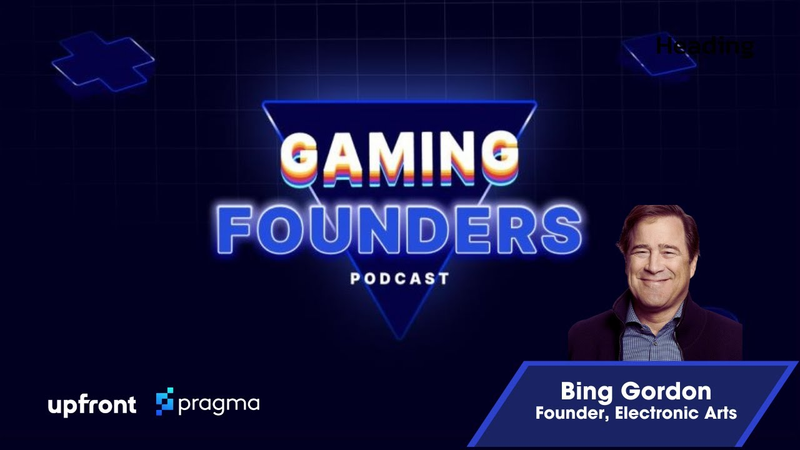
but EA had a mission which you know, could a computer make you cry? uh their early ads looked like uh the creators were rock stars and they really believed that interactive entertainment was going to be the dominant form of entertainment and this is like '9192. So it was really a beautiful dream and a fantastic vision that guys like Ben Gordon and Trip Hawkins and Larry Propes live to the hilt and and so being a young person in that environment and working on all those games, it was just fantastic and um you know it was one of those things where you just do every every dirty job there was. So I'd go and uh take screenshots for Road Rash and it would be this is this will tell you how old I am. We didn't have digital uh ability to grab the screen. So we had a 35mm camera pointed at the television. One guy would play and the other guy would hit fast shots and we go to the dark room upstairs and try and pick out
film and then that would go on the packaging, right? So you do that, then you run over and help the team test. You go do QA, you do customer service,
whatever. Um and the company just went vertical and um and that was the journey. Uh and and for a very long time it was just about up and to the right and everything we did uh just worked and um there was a lot of interesting stories along the way around 3DIO and PlayStation which platforms that sort of thing. U but we got to the pinnacle. We were the apex predators of package goods games right.
Yeah.
And then the world goes online, world goes mobile. it goes digital and boom, we crash. Uh and and so that hero to zero journey was, you know, as a longtime EA guy was was painful, but it was also really interesting. Uh because everybody's leave, a lot of people are leaving, but a lot of us believed in the company and and so when we hit rock bottom, you know, we had this meeting where we got together and we were like, let's write down on a wall everything our customers hate about us, you know, everything. Because we've been voted worst company in the world two years in
a row, right?
The year mobile Exxon and did the oil spill in the Gulf of Mexico literally killed like a billion life forms. You know, people died. We were we won. We beat them for worst company in the world, right? Because we killed Commander Shepherd or something, I think, in Mass Effect. So, so one of the We didn't do that, by the way. That was something else. But, but we ended up kind of at that point just deciding we're going to change it. We're we're going to we're going to start doing the right thing again. and and it wasn't about a business anymore. It was back back to building games and back to that vision and then we you know we ascended back to the hero. So I I found that the most interesting part of my career was spent in the turnaround stages like if something was messed up or there you know a game wasn't tracking or a team was you know that was where I found my my unique kind of set of skills and I had guys around me like Bing Gordon and Trip and you know Don Madrick all these great guys that I would learn from um and it was just a pure pure joy. It was just fantastic.
That's actually kind of a perfect segue. I mean, you you took over Zingga from
Mark Pinkis, you know, arguably one of the the most iconic founders in gaming and actually just one of the most iconic founders, period.
What?
Yeah, he does. That's right. He's an investor in Pragma, too. [laughter]
Um, what do you think he saw in you that, you know, made him pick you to and and hand you the company?
I had retired from EA back in 2015. I'd kind of done everything and and at that point uh was honestly I was kind of bored. So I I kind I just was didn't have a plan. Uh retired. It was all in good terms. Uh and started doing bucket list stuff. And that was June. And around the same time Mark had come back into Zingga uh after uh you know the prior CEO wasn't working out. So he was around the same time I was trying to go climb a mountain or do whatever I was doing. He was coming back like I got to rebuild my company. And about three months later, Ben called me up. He's like, what are you doing? And I'm like, [clears throat] "Not much." You know, just, you know, goofing off, doing different things.
He's like, "How about uh Mark Pinkis wants to meet you maybe for a for a board role at Zingga." And I I always thought of Zinga as the guys in the black hats, right? When when it was the EA Zinga rivalry, they were stealing all over execs. This this is when we were, you know, back in the, you know, down period.
So, I was like, "Yeah, okay. I I'll meet him." But I had this impression of Zingga as Facebook Games and and Mark as this wild man, right? And and so when I met him, it was supposed to be like a half hour coffee and it ended up being like a 2 and 1/ half hour boil the ocean, you know, download. We just clicked. You know, he was the entrepreneur. I was the operator. Uh and you know, we both loved games for different in different ways. And I'm a product oriented person. And he was looking for somebody who was product details, you know, uh had been through turnarounds. He asked me to kind of, you know, assess Zinga from a from a from afar and I gave him a pretty good read on it and he asked me to join the board and so I did in August and I was put on this product committee uh where I was
supposed to come into the office once a week uh and advise different teams. He he'd ask a different team here or there to meet with me and ask me, you know, I'd help them out or whatever. And I joined the board with no no intentions of becoming CEO. It wasn't at all even when I was thinking about it, right? and he got his I swear to God. [laughter] So, so I'm meeting on this product committee and all of a sudden one day a week is two days a week is three days a week and I really missed working on games. I I miss being part of a team that was tracing a dream. And working with Mark was fantastic cuz I would learn a lot from his point of view and how he would do things. And he'd he'd lay out this really killer vision for something. And they'd say, "Well, that's that's a really killer fourth hill, but you're going to die on the first hill because you haven't put together the right operating plan or here's how to here's how these these pieces have to move together in what sequence?" Because we were trying to get onto mobile at the time from Facebook, which was very different animal. And I just spent the last two years at EA doing mobile. And so we just clicked. We really complimented each other's skills. Uh we
challenged each other in in from different in different ways. Uh and you know he put his it was I was a first-time CEO. You mean actually he then offered me the role and I I I you was absolutely I love this company. Um and so he put a lot of trust in me and and I reciprocated by you know working really well with him and the rest is history. framing the conversation a little bit with where Zingo was at at the time. Uh I think the stock was like at what $2 or you know it's like
87.
Yeah. Buck 87. Uh I remember everyone was you know Singa had come out of you know obviously being the best Facebook games maker had had obviously missed the the mobile wave and and I think a lot of people you know thought of it as you know like you said as a turnaround story right very much of a of that. So, you know, coming into that environment where you obviously things need to get turned around, what were what were some of the things that that you saw as the like,
you know, first things like what what did what do you where do you start with something like that?
Well, I I there's a few things. Uh the the the stock was $187. All of our page one investors were hedge funds. Uh we had a building that was valuable and we had a billion dollars in cash. So our enterprise was about 200 million and I knew I could sell words with friends for like 600 million, right? You know, so breakup value was was much greater. So it was it was like a $200 million enterprise. I think that's about what it was.
Yeah.
And so uh I looked at the company and I said, "Wait a second, mobile is booming. So we got we don't we don't have a TAM problem, you know, and and we don't have we have a fantastic balance sheet, no debt, all this cash, a building asset. We've got some brands that are really valuable in Zinga Poker, Farmville, uh Words with Friends, uh and we've got this this uh competitive advantage in data and product management. So when I came into, you know, EA was very much an
art kind of orientation. Uh I come into Zing, it's much very a science orientation. Uh and so when I looked at it, I was like, wow, what's what's the problem? We're doing about 600 million a top line here, but we're putting out 17 million on the bottom. It's a really leaky bucket, right? And and so I kind of it was a very quick diag diagnostic that I ran through and I was like, "This this is a very fast race car, but the parts are all over the garage floor, right?" And so we got to put this thing together and and so what I what I quickly understood was that uh leadership was way out of position. You know, I come from the school there's no bad soldiers, there's only bad officers. And so what I found as I went through kind of meeting the team and and coming in was I would put people through their paces. I'd see how fast they could run and I'd see what their values were by by really challenging them on how did you end up in this position? Why do we do this? You have to be a prince in a turnaround. You never go in and saying you're stupid, you're an idiot for ending up here. You just go and you
learn. You absorb and you you observe. And so what I quickly found out is we had there was a leadership problem. there was um a lot of hangover from the prior regime in terms of priorization. They were doing too many things. Uh that the culture was off and so you know the first thing I did was to start to remove leadership and bring people in the organization that were two or three you know levels down and they got the job. So we ended up I think we released 16 of 17 VPs SVPs
uh very quickly. I brought in Bernard Kim and a couple guys from EA uh who who I'd gone through turnarounds with and who who were mobile experts. So it was this it was a very quick changeover of change leadership as quickly as possible. Bringing our guys that that we you know you can complete each other's sentences on which is really important and turnaround speed and momentum are absolutely critical in the early stages of of a turnaround. And so we we kind of generated that and we started elevating these really talented people inside
Zingga and giving them the opportunity to do the right thing which was to make great games and and to to really follow what was the founding story of Zingga and the values. Um I'm a big fan of of origin stories for companies. And I think usually the founder gets it right. And and and when you find CEOs later generationally that come in like, oh, I'm going to change the values. And they come up with a bunch of stupid values that nobody remembers or cares about. But you always remember the original ones. And and I think the the founding stories are always authentic. And so for me that was a big part. So I kind of rejuvenated that, brought that back. Mark was engaged so he was very helpful being a part of that new leadership team. And then a ruthless prioritization, best and brightest on the biggest ideas. There were 120 different projects underway at Zingga and we knocked that down probably to a half dozen. Now, it was a cultural problem because all the juice and all the incentives were on making new games,
but none of them had any talent or complete teams or culture to be able to make the make the games great. There were just a couple of teams that could do it. Uh, and so that's what we went through. uh and we stabilized the business and the first kind of I got up at the first company meeting. I presented I said uh you know they uh introduced me and I started talking and I said we are the worst performing game company in the market and here's why. Uh and I I explained to them that you know running a company is a lot like playing a game. You know a market is kind of your board right? You have pieces you have resources you have competitors and you got to put together a winning strategy and moves. And one of the ways you keep score in a game in a company is your ibida. How efficient how much yield are you generating off your resource base is your profits. It's and and and you know if you're if you're in a 3% uh range and the in the industry average is 40%. You're not doing a very good job as a leadership team, right? And so that
I literally laid it out as you know, Zingga is a game and we're the worst playing game uh team uh at this and but here's but here's the path, right? So you have to kind of tear them down and then bring them up and show that there is a and you have to be consistent about how you go back to this message over time of there is a path and this is the this is how you win. And then that's when you start to stitch together momentum and moves and and and you you understand what your company's capable and that's where you start to figure out fundamentally where where you need to make adjustments and and changes. So I I had a you know I had a few sayings and exper I'd been through turnarounds at EA so I it wasn't like it was new so I wasn't nervous. It was much more like look guys we can't fall off the floor. We're the worst performing game company in the industry. it's all up from here, right? And let's just let's just focus in on making great games and and changing the culture and and and again the advantage if you know if you're going to write the story was about culture and and uh capital allocation.
That was the breakout which was to turn it from a place that nobody wanted to go to to a place where people wanted to go to to do the best work of their careers. That was the culture piece. The cap allocation piece was, hey, we don't have enough studio talent. Let's go buy studios. what we have is an incredible publishing platform. We had the best data science and the best product management in the industry, but I don't have enough game teams. Uh and so that's when we went on, you know, sold sold the building at the peak, spent the cash, did a couple bonds, and we we probably put together a dozen uh deals u most of which worked. Uh and that's that's what propelled us over the over the middle part of the turnaround. You mentioned earlier the thing about sort of the rough analogy EA art and creative zinga kind of operational you know excellence data excellence etc. It sounded like you needed to inject some of the former into Zingga, but but also like how do you balance that, right? Because people are always it's always a push and pull, you know, too much art, too little science,
you know, whatever. You can always be a little bit out of balance. It's nice to have, you know, a 6040 blend. 60% art, 40% science is probably good for a console company. Mobile company, you want to be more science and and a little less art because of just how how it operates, right? So when we went out and and uh you know we we convinced companies like Graham, Small Giant, Peak, Raleigh to join us, that was the art piece coming in. We got great leadership, great cultures, IP, an orientation towards growth and and taking creative risks and then we married it with um an information system infrastructure that allowed us to understand very quickly the health of a game, the opportunities and risks inside of a game in terms of the metrics and cohort level. And then you know we and the product management and the data science were were key levers for us to be able to get basically more yield and and and win the arbitrage on CAC and LTV in a much more aggressive way. So that was a very uh you know Kevin that's it was a very considered approach in terms
of how we did it is that was my biggest aha early on was when I went around and hung out with the studios was there's just not enough talent here and we had to go out and the only you know e either build or buy. uh and building talented teams takes a long time, right? There's a lot of chemistry that have that goes into making great teams. They have to try a couple of times and maybe fail a couple of times to get to the hit. Um and that takes years in in many cases. And so I didn't have that much time. So on the one hand, we did start to build some internal teams, but that was that was a very I was basically a discussion with the board. look, we need to go buy tuck in or nearpeer uh developers uh to bring in and and create this kind of this unique combination.
It's so interesting because I I I feel like at least in my mind, Zinga always was pumping out the best PMs. Um like for many many years um and we have friends, I think all of us that have come out of that, you know, Mark Pinkis system and been, you know, gone on to
start great things. And you know, you're coming in and you know, I would naturally think that these mobile companies nowadays, they want great PMs and great data science, which which is something that you said already, you already had that. Um, and and people deemphasize sort of the art side of things for mobile games today. It's mostly like, you know, how good are you at basically, you know, strong iteration and understanding K and LTV and all these types of things. So, it's just an interesting thing where it's like you guys were struggling but clearly had the at least the components that you would have thought would have actually worked very well in mobile,
right? Well, that was a lot of the pattern recognition I had coming in with was wow, this this thing could really hum it if if there was the right execution and mentality inside the leadership and then the culture. Um, and those were things that I learned from EA, right? All the mistakes and and wins that I had had in my career at EA. I'd learned a lot about M&A. I learned a lot about uh disciplined execution from EA Sports. Uh I learned the last two years
I called it getting my PhD in mobile when I when I you know took over the you know kind of the remnants of Jam Dad and some of the different studios that we had there and and so for me it was just it was the right time right place with the with the right skills and um you know there's definitely art in the development of mobile games but it it's very different type it's it's more in design and and understanding systems um around how how players move from one mode of play to another. It's very obviously very different than console and PC where id spent most of my career. So I I learned a lot and I made more good decisions than bad ones fortunately but there was yeah you know we definitely made some bad bets uh along the way. I do remember that. Wasn't that like a pretty inquisitive period? I mean you guys I assume obviously had competition for some of these assets as well. Um I remember well sadly I passed on Small Giant at the early days and then you know they went on to absolutely crush it. But yeah, h how did you guys, you know, convince these folks to to join you? And and importantly, how did you retain them? You know, uh it's
always very tricky. Again, one of the things I learned in EA, and this was on the negative side, was EA would buy a company, bring it in, and then it would say, look, we know better, so you need to follow the EA way of doing things. And that's not at all how it should work, right? You're you're you know you're you're acquiring a company and the enlightened self-interest should be wow they have a they have a culture they have a track record they got some form of creativity that you don't have otherwise why are you buying them you should foster that you shouldn't make them change you shouldn't change their payroll you shouldn't force AEA HR and finance in their day one you know you you should let them cook right let them come in and and figure out the ways to to integrate them into the air organization but let them opt into the systems and tools that they want that make them go faster as opposed to here's a cookie cutter way. We're going to plug you in. You're now a hub. You know, you're now EA Montreal or EA wherever, right? And so, you know, I don't think
EA does that anymore, but but that was that was kind of a and we did some good ones when we were there, but that was one of the key things early on was like, okay, we have to go out and figure out how do we uh, you know, connect these guys with the notion that we can grow faster together. You don't we would say something like if it was a really large company like a tensson or something. It's like if you want to be employee 10,60 you can do that or you can join Zinga where you'll have a seat at the table. The stocks on the come we would we'd put together very kind of bespoke and unique kind of deals for each one of them based on what the founders were interested in and and it was really a very much that type of mentality. And we didn't always win when we had the highest bid. We a lot of times we won on a culture front. Bernard was a secret weapon uh on a lot of these deals because he would play the games and he loved the games more than the founders of these teams. We'd go in and sit with Teemo and the small giant team and you know we'd be level 400 or something into the game or whatever it was and we'd be able we'd be talking about the game, not you know the the cap
table. We'd talk about the cap table at the right time but but it was much more about hey you know understanding that these folks are chasing a dream. They're building games that they love. Um, they're trying to decide, do I do I take another round and build a marketing department or do I plug into a platform that already exists that they're going to let us operate the way we want, give us and oh, by the way, we get a we we got skin in the game. We can grow with them. So, that was really the pitch uh was was and we we moved very fast. One of the core values that Mark had instilled in Zing was called Zinga Speed. And so it was something that you know every every person at Zingan understands is that we need speed is a competitive advantage and we need to operate quicker than the next guy. And so we in the deal flows we would be so much faster and we had our data models. So we we would get to the clean room, we'd say, "Just give us data. We don't even need the PowerPoint. Just give us a cohort data." Our data science and our PMs would look at it and we were like, "Oh, we know that we understand the
value of this asset. If we if we if we do this type of uh battle pass or add this type of guild system, you know, because we have a lot of historical data, we can increase the value of this game very quickly in conjunction with them obviously, but but we could really quickly understand the value of an asset, build a custom deal for them, really speak to their culture and their creative autonomy, and more often than not that worked for us.
Can you talk a little bit more about the peak acquisition, which obviously became with Tomblast and everything has become how did that come about? that came about at uh the first GDC. Uh we had uh as when I was there at Zingga, we used to throw a party to recruit because we had that big atrium and the and we had I mean when I took a we had a brewer with a brewery downstairs and a kitchen. Obviously, all that stuff went away, but [laughter]
but it was great to have on and so we threw this big we throw these big GDC parties.
Uh and there was this larger than-l life guy named Sedar uh who was the founder of Peak. And at the time, Peak was just
okay go. It was a bunch of casual card games in the Middle East in Turkey. And uh we hit it off, we met, we started talking and um he proposed that we would buy their casual card game group. Uh and he's going to take that money to fund his casual game group, which ended up being Toy and Toung Glass. And we were we were in the position like, well, a casual car game that that was throwing off a lot of profit. It was very predictable business. It fit in nicely with our social casino and poker business. So, we knew how to run it. And so, we just we were talking about it and we hit it off and and we started to put the deal together. And it was funny because I'm in the room with my CFO J and we're with Sedar and we're talking and Sedar just stops the meeting. He says he points to me. He says, "You you can leave now. Uh he's the one I have to convince on the price." And [laughter] so, I was just like it was kind of threw me off like, "Wait, you're throwing me out of the room? What's going on?" He's like, "No, no, I just I need to talk to him. We'll do the deal. You're okay." And I'm like, "All right, no problem."
So, I left and you wasn't offended. It was just funny, you know, and I had a lot of I have a lot of time for big characters like that. I love I love those type of guys. And so, uh, he and J ended up putting together the the term sheet and we did the deal. So, a few years go by and we we stay in touch with Sedar and we're always kind of like, "Hey, is now is a good time? Now is a good time." No, no, no. And then he gets into a position during uh I think it was during COVID actually where he got into a bind with uh some investors and some other stuff and he called us up and he's like hey uh is this is the time and so we that's that's how it happened. Um we white knighted it uh and came in and we did the deal and uh there were a few other parties involved uh but we we won and uh you know we brought Sedar and the and the team in and and the rest is history and again we operated on the same principles. Peak is peak they had the creative autonomy to this day uh even as part of take 2 and and and they they operate in a very independent way.
Um, we obviously worked together on to grow faster together, but that was a that deal took many years and it was about laying the seeds early on and building the relationship with the founder. Um, and frankly proving ourselves, right? We treated his casual card group like kings and they did really well. And so they quickly understood that if we said we were going to do something, we we did it and we were good for our word. And so I know it's a big industry now, but but it's it's a small industry and and you you basically build these networks and these relationships on on your your values and your act and your experiences and what you do. And so that was an important part. And each deal we did, you know, the last guy recommended us to the next guy. Uh and we also worked with a great banker, Afon, uh who was was a great
Oh, yeah. Of course. Yeah. He helped us with that. Seriously.
Yeah. And so he's uh he was an early on starting his firm. We were just getting started and so we just found a a great working relationship there and it just
uh we got a flywheel going where the momentum just took over.
Turkeyy's obviously become such a amazing market too as well and I feel like peak was
maybe the first the first Yeah. Right. And a lot
Yeah. We were we were the first in there. Uh we got blanked in the Ukraine and in Bellarush, right? There was a big remember the rush uh to build developers there. Uh, and we checked it out, but it was it was operationally difficult for an American company to get in there and it was and it was kind of getting overcooked from the amount of amount of comp play was there and you know all the social casino companies were there. So we um we that and then Sedar just happened to show up at this GDC and and I have a a fairly high risk tolerance for those things. My philosophy on deals is you say yes until you have to say no. So you know, you know, Turkey didn't really bother me, right? Uh and so we every you know the board was very very concerned about certain operating uh issues in Turkey but you know again to Mark's credit we had a very aggressive
board. In fact sometimes the board was more aggressive than the management team about buying stuff. So which is which is a nice place to be. Um and so from that standpoint we had a really we had a really great relationship with Sedar that paid off later. But we when we went into Turkey Graham kind came up right after that. Uh, and then we got Rollic and then Peak. Uh, and that that's really where uh, we we hit, you know, we hit the the money the jackpot there for sure.
We were literally just went through a M&A process that we didn't quite move fast enough. So, I'm getting like some PTSD. Um, and Kevin's on the board, so he knows. [laughter] I was like, if we've been like two days faster, we would have done it. Would have been done. Uh, but
speed.
Yeah. Yeah. No, I mean speed is one of our core values too, which is
we were pretty fast, but it wasn't quite fast enough. Anyways, um I I guess shifting gears to um you you made fantastic acquisitions turn around a lot of the culture and uh stock price, you
know, whatever 5x plus whatever from when you came in and obviously there was a lot of consolidation with uh with with with Take 2 coming in and um you know and and obviously with EA and Microsoft and with King and and others like what what was that uh process like and what was your thinking at that point like now I guess how many years into running the company at this point?
Yeah, I think uh that that period was interesting to reflect upon because uh I think the most one of the most important factors is despite some of the setbacks we had with IDFA I mean the whole industry did right
is we weren't looking to sell
which was hugely liberating uh in terms of how you ran the process. We had an internal plan uh that you know I think we were around 10 billion but we were we were trying like how do we go from 10 to 20 20 to 50 [snorts] and and we we would really talk about you know acquisition
organic growth new platforms new categories you know the ad we're interested in advertising platforms and things like that so we were committed and believed in our plan with IDFA we said h this might put us back a couple years on our timetable but in general there was there was an internal plan that uh we believed in, were committed to. But then we started getting poked around. You know, people would come in from time to time. Um and then all of a sudden a lot of people were talking to us all at once. And as a you know, public company CEO, you have a fiduciary responsibility to, you know, take the internal plan and compare it against uh your externals. And I can't go into too many of the details, but there were there were a lot of different parties involved. And uh we ultimately uh were you know presented with an offer that was extraordinarily compelling on on a strategic level. Uh Take 2 really didn't have an atscale mobile business. We we wanted to you know our mission was to be you know the you know the all-time biggest game company get to 100 billion.
You know we're dreaming big and together it felt like we could advance the those tables and it was a very compelling acquisition price. I think it was about 12.7 billion and you know you go back to the 200% above your price at the time or something. Yeah.
And yeah and and so we we it was a very nice premium and so you know we we ended up working with some different parties but but take two won and part of what won was was the there was a lot of cultural affinity. Uh, take 2 lets their operating units like 2K and Rockstar and now Zinga operate very independently, right? They they, you know, we get together, we talk about the plans, we we we we coordinate, but at the end of the day, they have this Strauss has this very strong belief that, you know, put the right people in the jobs and and and let them go make hits, right? And so, for that reason, we ended up coming together as as as a company and then we went into the integration and and and the rest of it. that period of time of of dealing with very large companies trying to buy you was was incredible. And that was probably the most
nerve-wracking period was was like, is this deal real? Is this Yeah. How how do we get this to happen? And um it all came together. One of the and we put we did some tactical things that that that ended up working out pretty well. The the interesting thing was the we were the largest deal in interactive history for a week. Uh and then the other two guys merged. So [laughter] it was uh you know Activision Microsoft. So it was one of those interesting kind of everybody won I guess but um
Wow.
Is that right? I didn't realize that it was that yeah about 10 days of being the largest company, largest deal in the world. So mom was happy but then then not so much. But you know the the process was was great. Our board was great. Strauss and the Take 2 team were fantastic and um you know we have really good support from banks and and lawyers and everything. Um
and then you know the integration actually uh went very well and you know we found that the stuff that we wanted that we the religious things for us are the same. you know, I stopped having to
worry about uh managing a board of directors and and public company, you know, issues and got to focus in on games and culture and technology. And then we, you know, we went through a period where there's a little bit of a rough spot with the mobile industry overall. And Strauss was incredible in keeping a a very patient and and focused eye on no, this is a long-term opportunity for the company. And then obviously these last couple years have been uh really good and we started putting together a string of hits again. So, so it was it was a it was quite the journey and and I find that uh this role is just the the right balance of autonomy and independence as well as creative juice, but you also get to work with companies like Rockstar who are they're rockstar, you know, they're they're unbelievable or you know the NBA 2K team. And so being part of that larger company, certainly in the dynamics you're in right now where uh you have a lot of consolidation, you have a lot just sovereign wealth uh uh funds buying stuff, right?
Being an independent company like we are is is phenomenal from a recruiting standpoint. You know, the talent really wants to come to take two. Uh we've got IP, we've got resources, we've got a big launch coming. Um, I think we're, you know, I could argue we're the best positioned independent in in the business and um, and that's [clears throat] that's a great place to be.
Maybe we can go back a second and talk about that, you know, rough mobile gaming patch, the IDFA changes and all that. And maybe just give us some highlights on how you guys were able to to navigate through that and what made a big difference on, you know, not only surviving that and now thriving again.
What served us well was uh, the diversity of our portfolio. So, we weren't a one-horse ranch. we had, you know, 12 or 13 forever franchises. So, IDFA hit different categories differently. And so, we were able to navigate that a bit by modulating where we were putting resources and where we had heat and where we didn't have heat, we would pull back and and try and recalibrate around, okay, what's wrong
with the arbitrage? What's missing in the game? You know, what networks do we need or channels do we need to start to innovate on? So the resilience of our of our portfolio was critical. Um being able to fall back on uh really killer data science and product management skill sets was great. Having a parent uh like take two uh you know be very patient with us and and very supportive of us during that period of time. There was a period of time Kevin as you point as you pointed out that where we we were independent and had to navigate some of that. Um that that part of it was about the you know really handling the portfolio differently being close with our investors telling them what was underway why why was the you know precision targeting had got degraded. So now we need to de we need to adapt uh and come up with new precision targeting uh tools. We need to generate more LTV for our games. We need to monetize more potentially with more ads or whatever. And frankly we needed to keep the quality of our games high so our players would stay engaged. we didn't really have an engagement or retention problem as you know it was precision targeting
and trying to figure out how how do we get the highest value folks in. So um we were able to kind of stabilize that and and then uh we've developed some new techniques and some new ways to do that. A lot of it is is uh some of the changes that Apple made uh after the fact and Google and and some of the innovation inside the networks. Apploving was obviously a a critical factor in coming along with some fairly innovative techniques as well to to give publishers and developers an opportunity to to get back to where they were.
Maybe broadly speaking about the mobile industry, I think I maybe even the broader games industry. I mean one interesting reflection that I had just listening to you talk is that you sort of came from PC console to some extent or just a broad diversity of different portfolio but but really in the last decade you've been working on mobile
um and uh so there's that shift and and mobile again has a has a reputation of at least a strong squeeze I guess from a user perspective and maybe maybe that's changed more recently especially with a
lot of these new entrance and um and whatnot but But there is a different culture between the two um uh kinds of you know ecosystems and being a decade into it with IDFA changes and and not a lot of growth in games as a whole too. Not just mobile but just the games industry obviously has sort of felt that um you know
it's got really big it's $200 billion
industry now and half that's mobile. I think the way I would answer the question or talk about it is is when I came over, so when I was at EA all the way up until around 2013, I was console and PC only. Um was I was president of the studios for the last uh transition there on hardware. Uh and then I moved over to when Andrew came in as CEO, I moved over to to run mobile because I wanted to learn something new. The thing for me that was interesting was what skill sets transitioned and which ones did not. My training was as a product manager uh early on in my career in the
90s and so batting I you know again I I I jokingly tell the Zinga PMs who roll their eyes I was a product manager when dinosaurs roam the earth right when we didn't have right and so it was a lot of intuition and experimentation so so for but I had this I had the sense of how to you know what are the values what are the important things there and so what I found was that uh there were certain job functions from console and PC that translate well and some that just did not at producers, engineers uh and product managers translated well. Uh there were no data scientists on console and PC. What did not it was designers. So creative directors and designers never made the transition to mobile effectively. I mean it was like one in a thousand. And the reason was was the shift in business model. When you're when you're in a premium business model, the money's upfront and you're thinking about session lengths of 45 minutes to three hours. uh you're thinking very differently about how players are using their time. And when you get into mobile, it's 10 sessions a day, 2 minutes at a time or something, you
know, something completely anthetical to where you were. And you have to earn your money as you go. So, you have to create value. And companies that squeeze don't last because, you know, players know when it's garbage, right? When they're getting squeezed and when the value proposition is out of whack and they leave there. I mean, there's no switching cost in mobile. Yeah. So you have to you have to maintain and monitor long-term engagement as the number one variable that we the first thing we try and solve for is is long-term engagement. Monetization is usually the last thing we look at. And so those are some of the interesting things as they came over from you know and then you want you also had to figure out that oh by the way half the players are women. These are busy adults who have lives. You know they're at a soccer game. and they want to get a quick uh level of tomb blast in during, you know, during a boring part or they're on the subway. They're not sitting in front of the PlayStation looking for a game of Ultimate Team, right? Or, you know, diving into Battlefield 3, right? And so that that that mentality and that orientation in design and in creative
direction is is very different. U engineers come over, they're pretty easy. Oh, it's Unity or Coco's, they can really nail that. Production very similar. In fact, DDS at EA, development directors came over very easily. um they were very they were uh very powerful that way. And so when you make that transition, you then start to think about the the science part of it in a deeper way, which is your designers need to understand the arbitrage. Uh because their function in many ways is I have to make this more valuable as an experience. Their time is valuable. How do I create things for them to do that they value that they want to keep doing? Uh, and how do you make it social and social in a very anonymous way? It's not like on Xbox Live you got a gamer tag. You can see a little bit of their history. You know, Words with Friends, you, you know, there's a lot anonymity there, right, in terms of who you start to play with. So, there's an interesting kind of dynamic there that has changed over the last 10 years of mobile. It's very different now than when we began,
but uh, those were some of the things that were were important as you were building teams in the first kind of first and second wave of of mobile games. Do you see a next big wave coming in mobile? I mean, we were just talking about the transition from PC console to mobile, the industry maturing, like what what do you see as the next big thing in mobile? There's definitely tailwinds. Uh so the the platforms are opening up uh you know regulation uh from the EU and from the US is opening up the financial models, the distribution models. We can now go direct. A large part of our business is direct. Now you're starting to get more kind of capability there uh from power of the of the phones. The phones are getting cheaper especially the smart devices from China are extraordinarily high performance uh and are are very inexpensive and you know if you think about the next billion gamers they're coming from South Asia, Africa, you know, South America and they're going to be playing probably Android devices and made by Huawei, right? Or Samsung, right? And so there's going to
be more people playing mobile games tomorrow than they are today. They're they're the devices are opening up from a distribution and margin standpoint. They're getting more powerful technically. The problem is in acquisition, consumer acquisition. So ultimately that those are the things that you have to spend your time really trying to crack. If you if you think about mo mobile versus console, console development, the capital intensity is in dev, right? It's it's the you know the $150 million it took to build the game because of all the content. The capital intensity in mobile is in performance marketing which is a far less risky right so for a very small amount of money I can figure out if match factories a hit or not and then scale it and then I stop scaling it when it stops performing so there's a lot of flexibility I think mobile definitely is you know competitive and it's a bit of a red ocean but I made that joke earlier it's like if it's a red ocean it's good to be a shark right have the competitive advantage have the ability to operate in that environment be able to spot the
trends and the tailwinds and take advantage of them at scale. Um, it's very hard right now for three kids to build Flappy Birds and or I guess it was one guy, but you know, build Flappy Birds and find it. You can still get a viral hit like that, but the the capital intensity is is really in in in the marketing. Um, and I think in some ways, uh, you also have to look at franchises. People stick with them for very long periods of time like they do in in people are still playing Diablo. They're still playing Warcraft. They're still playing Fortnite. Same thing in in mobile. We have Word with Friends is 16 years old. You know, I think Poker's 14. So, I think there's there's still topline growth in mobile. There's there's definitely share stealing uh happening between companies. Uh just when you think uh a video game business is locked in, this is one of my kind of experiences over my 30 years in the business. Just when everybody thinks the formula is set, gamers blow it up.
You know, like there'll never be another new hit in mobile. too hard. Now it's all driven by new hits, right? Or you
know there there'll be a shakeup in that. You might not be able to identify it initially and and of course now you have AI which is which is kind of a a real plus in many areas and an unknown in others. Um it's making things more efficient. You're able to build faster prototypes. You can test more. It's helping you with the acquisition issue because it can it can plow through lots of data in in interesting ways and give you better insights earlier. So I I think between AI platform opening up, emerging markets and the and the fact that you know there's a continued device proliferation and and in and performance enhancement, I think mobile is in good shape uh relative to perhaps the console story is a little tougher, right? Like how does Microsoft SQL how does how does Sony, you know, chips are pretty expensive, memory is pretty expensive right now.
Uh you know, cost of development is measured in nine figures for an average game, you know. So there there's some more I think there's more issues there. I think the real the real bright spot is PC and in mobile actually.
Yeah.
How you you brought up AI. Uh we we
can't get away you know these days on a podcast without talking about AI. What how how has that uh how has AI changed SA if at all at this point? Like where do you see kind of the exciting opportunities there?
Uh I've been most proud of the fact that uh we we've had a very open mind and have been very accepting of it. So we we're we're experimenters and we like to build things to prove the thesis. That's kind of again that was what something that Mark uh was very really great about which was if you think this particular category or you know crypto or bitcoin or or uh blockchain build a game on it and see if it works right and so we were early adopters of it and we've gone hard at it and we actually have a proprietary platform that integrates lots of different suites and we work with claude and cursor and everything all that stuff too but I think we're I think twothirds of the company now is using AI in their daily jobs u we figure it's going to be a majority majority by by the end of the fiscal year. We're finding it very useful in in certain areas and and not ready yet uh in others.
What departments or what what use case? What's been the sort of most impactful?
It's been super powerful for prototyping. Uh so, you know, we're we're probably 10x the number of prototypes that we're putting into market now because we can get a designer, an artist, and an engineer. Uh they can put together a core loop with different art directions. uh you do a lot of different var permutations of different takes and looks and get very quick user feedback. Uh so we can get top of the funnel information very inexpensively very quickly using AI. We were pretty fast before but now it's just ridiculous. Um we're finding uh you know we've taken a lot of our proprietary data models and and integrated them uh via you know an MCP layer with you know built some great custom rags. So we're taking all the the the the treasure trove of data that Zinga has and then making it you making the LM smarter and making them very useful for us. We're spending a lot of time on hallucinations and making sure
that's not happening. Our co our engineers have embraced it uh pretty aggressively in some key areas. Artists are using it a lot. Um a lot of our art for game ads, you know, game ads are you're doing like 60,000 of them, right, for for launches sometimes. And so having AI take the core concept artist and and uh technical artists of work and then quickly you know giving us lots of different variations on it and then running the tests and figuring it out. Another place that's been very effective. We do have a very clear philosophy which is you know we uh games are art is a it's a recognized art form. We're here to entertain people. It's a human pursuit. Uh and AI is here to enhance your your creativity, enhance your innovation. It's to get rid of routine tasks so that you can spend more time on the big ideas. And of course, it's there for efficiency. But it but I, you know, these guys that go out and say, "We're going to get rid of 20% jobs with AI." It's like, "Wow, way good job on demotivating your entire company, right? Just well done." You know, and so
it's, you know, I just don't see why people do that. This is a tool set that it's the earliest stages of its development. It's profound. it's going to be powerful, but if you freak everybody out with it by putting these, you know, arbitrary cut targets out there, uh, before you've really built stuff with it to see what it's really capable of, um, I think that's that's kind of cart before the horse. And so, the thing that I'm really excited about with with Zinga is is how we're approaching it, how we're utilizing it. And I think we have a sustainable uh, way of doing it. and and we're obviously doing all the things that uh doesn't allow for, you know, like Microsoft pulling Claude out [laughter] or or what was it? Uber blew through their budget token budget in a month or something like that. So, we're tracking things pretty carefully. We're looking to see how how it works and and it's been fun. It's been, you know, it's
one of the things that I I'm really motivated by is the constant reinvention of of your company is possible in gaming. Um, Trip Hawkins even at lunch
all the way back at the end, one of the first things he said is you have to make transition your friend. If you're worried that there's this thing called a PlayStation coming and it's going to disrupt the Sega Genesis, you've already lost. What you have to do is, you know, make that transition point the opportunity to grow the company and to change the company in a better way. And so, that's something that stuck with me my whole career was that make transition your friend. So, as AI started to emerge, sure, I get the cultural issues and all that stuff. will handle that with the right, you know, level of uh, you know, care and transparency. But you'd be insane not to, you know, try and, uh, you know, master these tools and these capabilities to make a better company.
As you think about sort of the next, you know, you do your planning for sort of the next phase of growth for for you guys, like where are the big opportunities for for Zingga as you guys move to that that next phase? Now,
it's definitely going to be new games. Uh, we're going to continue to build new franchises. our our live services, our portfolio is is very healthy and and and
strong. And I mean, if you look at the performance of Toon Blast over the last two years, it's grown more than it ever has before. And it's, you know, 8 years old, right? So, there's um there's growth in both new and live direct to consumer. Uh that opening up of the platforms on Google and Apple has been very good for us. Incredible margin expansion, probably the biggest margin expansion ever in mobile. And then you start to look at things like emerging markets like the Middle East, South Asia, uh South America, starting to understand, you know, how do you price items in those markets where there's different purchasing power, there's different marketing models. Um making changes and, you know, kind of culturalizing, not just localizing. Um and so those are those are some of the areas we we think about u from the standpoint of organic growth. you know, we'll see where consolidation and all that stuff takes us, but you know, we're not
uh you know, we're certainly an inquisitive company. Um but right now, we have enough uh you know, opportunity to grow organically. And so we think about those things and and then then of course you've got to win the talent battles. Um the company is worthless if
we don't have great people who want to come to work, who love working with other people, have great chemistry, uh to make great games. It's always been true of the gaming business. small teams with great chemistry uh who uh you know really care about the craft are the ones that make the hits and so even in a scienceoriented business you still got to have somebody that comes up with the idea for match factory you know or or you know or top goal or whatever it is right so I think one of the things you forget about in these roles as you as you uh you know get more senior is you forget like you you need to be out recruiting and re-recruiting your people and keep the dream alive for why are they in the gaming business because they love games and and if they're careerists and it's just a stop, they usually flame out anyway. But it's pro gamers or guys who, you know, had chipped p PlayStations, you know, it's uh, you know, or guys like me who who grew up with games that, you know, that I think that's really the secret of the industry still is is that passion for it. I used to I used to laugh when people would ask me a question, they say, "Oh, you're
you're an executive who plays games." And I said, "Well, would you ask a movie executive if he watches movies or or a, you know, or a record label person, you know, do you listen to music?" You know, I mean, it's of course you're in it for because you love the art form and you want to entertain people. I think those those are the those are the key attributes I always look for in people.
One more personal question too about your journey. It's like I you strike me as someone that you're very well-rounded. Like you did marketing, you did product management, you're you obviously are a great operator. uh you've worked in PC console then transferred over to mobile. It's like and you also has stuck at places for a lot longer than I would expect at least as a founder for when I go out and try to recruit people you know I I tend I generally don't see you know someone that stayed somewhere for 20 years and someone that's say somewhere for more than a decade and like what what's been the sort of thing that's maybe how did you develop your skill sets is one question and the other one is sort of like what kept you outside obviously there's lots of different games
businesses that you can go and work at but you've stayed at one for in in two large, you know, journeys for for a while. How did how did that
shape out? There was a time in my career it was awkward at dinner parties because they'd be like, "You've been there how long, right?" And some guys Yahoo or you know, YouTube or Google, right? You know, jumping companies in the Silicon Valley. Everybody's, you know, so
Yeah, that's right.
It was I get it. I mean, um, I think early on it was working for like like Ben Gordon had a big impact on me that way because he was always changing the rules on you once you felt like you got something mastered.
Right.
Right. So, so when I worked for him directly, you know, you'd think you'd you'd think you'd nailed it
and you'd come in and he he he'd blow it apart with one question or one insight. Right. and and so that con that constant kind of Shark Tank uh you know orientation in the early stages of EA working for guys like Bing and and and others that was something that really
imprinted on me this kind of dissatisfaction with the status quo and and wanting to constantly improve and change and and push. Um and I found that over time uh one of the things that worked for me uniquely was independent study. And so I would go I I got my masters at night because I didn't want to leave EA, but I'd go into I'd go into work the next day. It was lab, right? You know, I I'd learned something the night before. I remember the the head of product management at Intel came in and gave this uh long three-hour kind of tear down on how they do int uh it was pre uh Pentium. It was how they were looking at 386, 486, how do they manage product management? And I picked up like I don't know six things that were just phenomenal. So when I walked into EA the next day, I tried a whole bunch of different stuff that just would pay dirt, right? And and then when AI started to take off, I went and took courses in generative AI and agentic AI because I'd be in meetings and have executive PowerPoint level understanding, right? You'd be like, oh, okay.
You know, what's an MCP or what, you
know, what's a rag do, right? You know, and I felt like I had to detach myself from the company and go learn that. So I think I think a combination of of being around people that challenge you and uh constantly you know creating this dynamic of never being satisfied combined with I in order to be effective I got to be on the cutting edge here and you got to have this continuous learning and education.
Um those are a couple of things that served me well. I think that the places that uh also kept me honest was I I played a lot of games. I never lost uh you know that ability uh to sit down and pick up a controller and play. Um because when I go into the product review, I'd be like, "Yeah, I I I played all your like we were doing Dead Space and I played all the Resident Evils for a weekend, you know, I played them before, but just to refresh and you then you play Silent Hill and you'd come in like, okay, we can I can talk to the designers about Silent Hill and Resident Evil and where Dead Space fits." Uh or with Battlefield, you know, being actually able to beat developers in COD,
right? you know, you'd be like, okay, this that that combination of elements is what really was important, but being a product oriented person is I felt was critical to my success.
What uh have you consumed recently that you really like? That's not a game.
The HBO Knights uh the kingdom with uh with Egg and and Sir Duncan
that that was really fun. I watched that with my daughter.
That was very good. Yeah. Yeah. Spin-off. Yeah.
Came out of nowhere. And uh I actually went back and read the short stories afterwards cuz I the characters were great.
Uh Egg was phenomenal. One of the best characters uh in a long time. So that was something I enjoyed.
That was the last show I w that's the only show I've watched. That andor are the last two shows I watched.
Andor was phenomenal.
I agree.
Then what about favorite game right now?
Uh I'm playing the Dad Simulator Pragmata uh from Capcom with the little AI girl. So it's it's kind of base with an AI. So, uh I like I have a I like
that genre. Um and I'd heard from a couple of friends about how phenomenal the character uh the kid the the little girl is. Uh I got six kids so it's kind of fun to to kind of go in and and um you know see how the the characters operate together um how they interact the narrative. Um, you know, so I thought it was I what I what was was so encouraging and I liked about it was nobody would have thought that that was a concept that would work, right? You know, and and and of course the Japanese always come up with these awesome ideas. And so that was one that uh I've been playing recently. Um I just got the new James Bond game downloaded, so I want to check that out. And then I haven't spent enough time on Resident Evil. Uh I got through I got through the hotel uh and then I got real busy. I got to go back and play it some more. But
maybe the the dream IP that you would work with.
Boy, I've worked with pretty much I mean being at EA man. Um
uh you know the company I've never worked with that I'm a total fanboy of is is Blizzard.
Diablo, Warcraft, Starcraft, you know, I just I went to BlizzCon last year. Uh you know, so I mean I love the franchises there. I've been playing them since they were sharewware basically. Yeah. Um, and uh, you know, that's a company that I have a tremendous amount of respect for and put a lot of hours into, but that's that's probably the one IP I', you know, that collection of IPs I've never worked with.
Do you have a uh, productivity hack?
It sounds negative, but it's not. You only have so many minutes on the planet. So, be ruthless with them. And so, uh, you know, time is finite. And so when I think about if I'm doing something, I'm like, is this really is this the best use of my time? Uh you don't have to be a jerk about it, and it's not something I learn until later, but but it it is an incredible hack when you when you really are ruthless about is that worth my time.
Uh and is that something that I really want to do in the time that I have left? Right? And that's not it's it's not negative. It's really about uh resource
management in a way, right? Uh, and so if you want to have a lazy Saturday, make it the best lazy Saturday ever, right? You don't have to always be doing something. But, but I I found that to be a very uh make, you know, powerful tool for me uh in terms of how I how I deploy because I'm always deploying on something I think has value, whether it's something has to be fixed or something that needs to be have a lot of fun. But, um, it's some of the when you're in these lost meetings, you know, how did I end up here? Why what are we talking about? Right? That's that's your fault, right? [laughter] You need to think about it ahead of time. like I don't even want to commit to that. You know what I mean?
Yeah. Well, what about on the other side of uh best way to relax for you?
Play a game. I know that sounds kind of uh trit, but you know, I uh
for me it's zen, you know, I can like if I even if I like back when I was playing a lot of Warcraft, World of Warcraft, it was just kind of a zen. You go right into the world and you're you're you're in it, right? Um or I get the play, you know, get the PlayStation going. I'm now I'm on a space station, right? Um, now I love travel and skiing and all that kind
of stuff you put in your LinkedIn profile, but for me really I the thing if I'm going to sit down and relax, I'll either read a book or or or play a game. I don't watch that much TV that, you know, it'll be like I'm very selective about uh what I'll watch. Um, but but from my standpoint, I I love the art of I love interactivity. I love how stories unfold. I love competition. So PvP is something that I particularly enjoy.
What's the biggest lesson from a mentor? I think it was Bing early on, right? You know, so I'm 22, 23 and working for him and uh just seeing him operate and having just learning how he could deconstruct positionings of games and things and how things companies and then seeing him blow stuff up uh just with a great insight. And so it's actually a trainable thing. And so I learned just by observing him that you just never never be too never be satisfied. You know, always keep put, you know, if you get there, don't, you know, spike the
football, but go to the next play. Don't don't spend too much time congratulating yourself on how great you are. You know, don't, you know, there's always somebody smarter, there's always somebody faster. So I think he had this kind of unique combination of of you know be be operate within your skin, be humble, be comfortable in your own skin, but be be very dissatisfied with the the status quo and constantly push. That was something I definitely got from Bing for sure.
And then for our last, you know, our traditional closing question, uh, in this case, if you go, if you could go back to the start of your time at Zingga and give yourself a piece of advice, what would it be?
I live my life with no regrets, or at least I like to try to. So I when I when I look back on something um you know kind of key learning for me at at at Zingga is I think I think we could have gone uh probably a little bit faster on the acquisitions. Probably we probably started two quarters late.
Okay.
I I think at that point I really didn't
understand how much latitude I had uh with the board to push external. I felt like I was too focused fixing the engine internally. I probably should have popped my head up and started that flywheel a quarter or two earlier. Um, we had the money and and the board was ready for it. Just didn't have the uh I didn't have the sense that it was it was it was ready yet.
Yeah. Yeah, makes sense. Well, you made some fantastic acquisitions anyways.
It's a hard way to live, I'll tell you that. [laughter]
Well, it really, you know, pleasure to hear the story. It's uh in my mind one of the great uh turnaround stories in games. Um so
I appreciate it. It was a total team effort.
Well um
thank you for sharing with us and and our listeners and our aspiring founders who uh can take a lot from that.
No, I really enjoyed the conversation guys. Really appreciate it and uh reach out anytime. Happy to help.
I'm Eden, the CEO of First Look. We build discovery and [music] distribution tools for games. And if you're looking
for your next favorite game, check out player.gg. You can find new episodes [music] at firstlook.gg/gaming founders.
Auto-generated captions from YouTube — names and numbers may be misheard.
Key insights
7 takeaways · ~3 min read- 01Frank Gibeau led a turnaround of Zynga from a $200 million enterprise value with $17 million in annual profit to a $12.7 billion acquisition by Take-Two.
- 02The turnaround strategy focused on replacing 16 of 17 VPs to install mobile-fluent operators and re-anchoring the company culture around the principle that there are no bad soldiers, only bad officers.
- 03Zynga’s recovery was fueled by an aggressive M&A strategy that utilized proceeds from selling their headquarters to acquire a dozen studios, prioritizing cultural alignment and founder relationships over simply being the highest bidder.
- 04In mobile gaming, capital intensity is concentrated in performance marketing rather than development, allowing for high flexibility in testing and scaling games compared to the high-risk, high-content development costs of console gaming.
- 05Zynga’s acquisition strategy relied on a 'secret weapon' approach where leadership played the target company's games extensively to build genuine rapport with founders before discussing deal terms.
- 06AI is integrated into Zynga’s workflow primarily to automate routine tasks and generate variations for game ads, with a strict philosophy against using the technology to justify headcount reductions.
- 07Gibeau emphasizes that executive productivity is driven by being ruthless with time management, prioritizing only the most impactful activities given the finite nature of a career.
Ask AI about this video
Cite this video
Citation
Generating citation…









Comments