From Struggling Startup to Gaming Giant: Bing Gordon's EA Odyssey
2 Sept 202595 min video
Transcript
a guy named Jeff Cordell who was a lifetime NHL hockey player. He said, 'You know, it's interesting to win the Stanley Cup, you got to have all three age groups work. You got to have the the old vets play as if they're a little younger. You have to have the midcareer people deliver and you got to have the young people be really exciting. The old people get excited by the young people. The young people see the meaning of the old people and you got to have all three age cohorts working. And so we started looking at game teams where all the decisions are being made by 38-year-olds and the 25 year olds are told to stay in line. I thought that was usually the formula for um temporary success at best.
Welcome to the Gaming Founders Podcast, a show where we interview the founders that have shaped the gaming industry. I'm Eden, the CEO of Pragma. We build tools for studios to connect with their players and essential services, including First Look, our player relationship platform, Connect, and
Engine, our cloud and source-based backends that power many of the world's best studios today. If you have an interest in getting exclusive access to the game industry's best early access games, sign up at playtest.fverlook.gg. And I'm Kevin Zayn, partner at Upfront Ventures. We're a venture capital firm based in LA and San Francisco. I lead game investments both in studios as well as the pick and shovel tools that power game developers and content creators to do their best work, including Pragma. We interview founders on their origin stories, the tactics that help them survive and thrive, and key lessons for anyone interested in building the next generation of leading gaming companies. Learn more and subscribe today at pragma.gg/gaming founders. In this episode, we are joined by Bing Gordon, the founder of Electronic Arts. He shares his journey from a childhood filled with sports to becoming a co-founder of Electronic Arts. He discusses how he met his co-founder, Trip, the challenges faced in the early
days of EA, including several industry setbacks. Bing highlights the importance of marketing and brand when it comes to building a game studio, something that not a lot of our founders have focused on. the rise of console gaming and the creation of the Madden franchise which became a significant part of EA's success. He also talks about the transition from game development to being a partner at Klein Air Perkins, one of the great venture capital funds. Bing has served on the boards of Amazon, Duolingo, and Zingga, and his stories are truly legendary. I hope you enjoy this episode with Bing Gordon.
Bing, thank you so much for joining us on the Gaming Founders podcast. Uh I yeah I have so many uh questions but maybe we can start with your early story and how you got into like I guess were you a gamer growing up? What was what did that look like? Well,
growing up I had a brother two and a half years younger than me. We grew up in suburban Detroit where you know everybody's front yard was a playfield and we played a lot of 101 sports. We made up a lot of sports games. We ruined
our mother's furniture and uh you know we would always be be making up games to we played one-on-one football. We played twoon-one football. We played home run derby with you know practice golf balls with whiffle balls with tennis balls. Uh we never broke any windows which was surprising but you know we did we did rack a couple of trees. U so I grew up doing that. And as for games, and we had one friend who was the worst touch football player, but also was a bookshelf board gamer, you know, and I knew that anybody who was playing games with a hex map was going to kick your ass. So, I played a lot of cards. I cattied as a kid and uh we had a lot of time sitting around and that was AC/y Deucey and spades and always for nickels. And then um uh when I was in
college started playing bridge only because on the the sports bus trips, you know, half the h one side of the aisle be playing hearts, the other side of the aisle be playing bridge. And there'd always be like one person on every team who actually studied and they were they were the they were the science major who foolishly was trying to do premed and sports team at the same time. So I was you know car cards and a lot of sports games. Um wouldn't have considered myself a gamer. And in fact um I read a lot and when I was in college I went I thought I was be a math major. Then I discovered that um the math class was taught by a professor with English as a second language and it was no fun at all and then quickly went to um uh variables instead of concrete numbers and I found that to be boring. So instead, I became
English major and I started writing poetry and stories and um and I'd worked at Disneyland my summer out of high school and we did interreal sports when the park was closed and had this I always you know and we'd we'd have canoe races around Tom Sawyers Island and we would use the park and you kind of imagine the park coming to life in a new way and then they have these um these robotic characters that talk. For instance, in Pirates of the Caribbean on Main Street, there was what they called an audio animatronic of Abraham Lincoln and he do the Gettysburg address. And so when we were walking around the park when there was nobody but a bunch of uh you know kind of 17 to 20 year old kids I started imagining all that coming to life. And a couple years later a movie came out called Westworld uh with Ule Brener that much later got redone and much later became a TV show.
But there was there was the fantasy come to life that uh all these charact these robots in the park um would would start operating to give you a better story to live in. And so I got very fascinated with that and u and I wrote a wrote a poem about a magic piece of glass through which you could you could travel through space and time. I read all the time travel science fiction books I could get. I really like Michael Kiteon for example and um and Stranger in a Strange Land and another book called No Time for the Stars. So um really early on before I knew about um uh computer memory, I realized that I wanted to live a save and restore life and I wanted to live multiple parallel lives and um you know you can kind of get that fantasy. You know, the first metaverse was books and you know in in your head you can you
can go through but you could never you could never change the ending of a book. So you could live in the character. And then in uh in college I played sports and I acted for one year and again it was being create a world be inside it act it out. I thought that was kind of fun. So I'm doing all this stuff. still not a gamer. read read a lot of books, wrote some thought about thought about um structures and rules from all my time uh playing sports and reinventing sports with my brother Andy and um kind of through a bunch of wandering around I found myself in a Stanford business school class where a couple of my buddies from college had gone and I thought they sold out but on the other hand I didn't want to be a commercial fisherman the rest of my life. So I'm sitting in a class with a prof named Peter Keane who is a decision science um
uh professor and decision science you know later kind of became machine learning but it was it was all the probabilities of uh uh kind of prediction and probabilities with every actor having some kind of goals and state machine and probabilities. Uh, speaking of which, I tried doing that uh that as a major in Yale and I wrote a um uh for decision science class how to choose a date for the prom and these two professors gave me a zero on it and I think they thought that I was making fun of them and I asked them you know what's wrong with my math because I think the math is right because you know I went and gave people a questionnaire of their decision process and put and um guy guy guy guy guy guy guy guy guy guy guy guy guy guy guy guy guy guy guy guy guy guy parent with you to the prom person pet and um you know I wanted to see how that
worked out and then I would you know I predict who would say yes to a to a prom date and I I thought I was pretty rad and my friends thought I was hilarious and gave me a zero. So, I went in to see these guys and I they started crying and kind of hugging each other. They kicked me out of their office and said, "You know, you need a 75 on the final pass of class." Well, now I'm with Peter Peter Keane and he goes, "We got a few minutes left. You know, I'm get I don't want to keep talking about this stuff." You get it? So, in the last 15 minutes, let's talk about a real decision. your Stanford MBAs right now. You're living on credit card debt, but in five years, money will no longer be an ob longer be a constraint. We're going, "Yeah, right." And because we were all used to kind of ramen education. And he said, "So, I want you to tell me if money were no object, what would you do for what would you do all day?" And about a third of the people said, "I'd like to float
the biggest debt offering on Wall Street." And guess what? They be they became bangers
and about a third of the people did kind of countercultural stuff. I want to open a restaurant. I want to start a business. And five years later they were out of industry, you know. So they they predicted as soon as I can afford it, they didn't really want to do business. And I said, "I'd like to create an adult Disneyland in a virtual space using computers." And the room was dead silent. And he said, "Okay." you know, and who's next? And he counted me afterward and said, "Um, I'm sorry that that was so awkward for you." And I said, "Awkward?" And he said, "Yeah, didn't you notice? Everybody thought that was the dumbest thing ever." And I, "No, didn't notice." And he said, "Well, in the other in the other class, there's somebody who said something kind of like that." And he wanted to do sports um card and and dice games on computers you guys should meet. And that guy's
name was Trip Hawkins. and he ended up we ended up living together. We did a market research project for the first cartridge video game system, the Fairchild Channel F. Dismal failure. And um and Fairchild gave up on it at exactly the wrong time. But we did that and he um he said, "I'm going to start a u a game software company in 5 years." He went to work for Apple and I said, "I'm going to start a consumer tech ad agency in five business. I'll be your ad agency." He goes, "Yeah, whatever." And so I did that. I started out in Fairchild and semiconductor business, the only English major doing product management for their most complicated piece of hardware, um, the Sentry System, the first um, analog digital device test module. And um and you know a few years later Trip
made a little bit of money at Apple and he said okay I'm going to start it and I said I'll be your ad agency and he said no come inside. So that's but meanwhile I'd uh
maybe you can paint the landscape but because what was it like to start a gaming company at that time? Can you even raise money for that? Like were there lots of gaming companies already? There was a guy named Don Valentine who was uh involved in Apple and the founder of Sequoia Capital.
Y
and uh Valentine uh pinged Trip Trip Trip kind of worked for Jobs. He was the first MBA at Apple and he wanted to be Steve Jobs and he went to Steve Jobs and said make me a VP because he was the marketing leader on Lisa which was a dismal failure. That was when Steve Jobs famously moved across the street, put up a pirate flag and said, "We're going to do something amazingly great." Well, it sucks to be on the other side of the street. And so, you know, Trips wondered
what to do and he knew Valentine and Valentine said there's now 105 game companies in the US alone and there's three of them doing 10 million in revenue. We know because, you know, Sequoia looked at them and didn't invest in any of them because they're all Mickey Mouse. But if you know um founders always need to pick the right time and you're a year late so you better get going. So um and at the time so this is this is 1982 and in 1982 the Atari was just the Atari VCS was uh was strong. They sold about 35 million households, which there was a time when 10 million households seemed like an infinite number and they the US cable companies each had about 30 million households and they thought that was as big as anybody could get, you know. And then on the the computer games at the time sold in baggies
and with basic mimograph documentation um in the US and there was there was only really the computer game business was on um the TRS80 uh the Apple 2 which had just um you know had a floppy disc and at the time it was 140k floppy disc. Um the PC Jr. just came out and uh but the PC Jr. came out afterwards. It wasn't even out yet. So IBM was not in the business. Um the Sinclair Spectrum was big in the UK. So the early game designers or game makers um wrote an assembler on these crappy little 8-bit machines um in 8bit where the the uh the microprocessors were designed to be lowcost controllers basically about you know about as powerful as what you'd have in today's washing machines. And uh so we came so
so that's how we got started and um
so did you guys cuz you're both I mean you're neither of you guys are engineers right so how did you even come about hiring designers engineers to build
so EA was was founded to be a publisher and the idea was to work with um um um programmers who work from home
and we called them software artists and love it.
The the launch ad for the company was, "Can a commuter make you cry?" And we had seven guys um in a photo taken by a famous rock and roll photographer in sepia tone, all wearing black turtlenecks to look like nerdy Beatles. And there's a guy named Bill Budge who was kind of,
I don't know, maybe the Ashton Kutcher of the time. He was kind of, you know, the handsomest of any of them. and he had done a game called Pinball Construction set that he'd literally
mimographed the documentation, put it in baggies, sold about 50,000 copies, and it was no longer selling. So, he was sitting around. So, we he was our first star. and um you know he's gone on to have a career, but he's walking down Union Street in San Francisco to the second floor studio where we're going to shoot this photo and he's feeling embarrassed that, you know, somebody's going to take his photo cuz he's just a a nerd who put software on floppies and in baggies and he's passing a head shop with hookah, you know, San Francisco with hookas and pot paraphernel and every everything but the drugs. and he saw this uh this studded wrist bracelet sitting in the um in the window and he thought, "Huh?" He walked in and he bought it and he got to the photo shoot and said, "I don't know. Should I wear this?" The guys, absolutely. So, that kind of became the hero shot and all these guys standing around trying and he's holding this up
and your eyes riveted on that. So anyway, that was that that was the launch and there we um uh we found people who had built games at home. So um Dan Button later uh transition became Danny Button um had a a couple great early strategy games and then some other games by high school kids were basically um um arcade ripoffs. There was one that looked like Axis Assassin and one that looked like Donkey Kong. Um, and we, you know, marketed them as if they were a new art form. And we we we were true believers. My, uh, my daughter reminds me, she looks at says, "Dad, did you actually think these were good?" And I tell her that, you know, every every six years there's been a new console or new device with 10x the polies and 10x the RAM. And
for the first two years, we always think this time it's real.
Yeah.
And you know, after about two years, maybe in the third year, uh the players all all see that the Wizard of Oz is, you know, it's just a a a dude behind the curtains. But every six years, we have two years of believing. We think we've really done it this time.
What would you say was the maybe the hardest things in those first few years? Was it trying to find the right creators and talent? Is it distribution and getting awareness? Is it just trying to break through the noise?
You know, you know, founders and creators and they all overestimate their odds of success,
right?
Yes. um you know kind of like athletes athletes in games they all think they're going to win and if they lose just time ran out and so but u we raised money in November 82 from Kleiner Perkins Sequoia 2 million on 3 million pre
and um and a month later Atari which was the uh the big dog at the time announced they were going to miss their quarter that shipped a game called ET and the guy who running Atari was a Burlington socks sales guy, knew nothing about tech and they had they had told their engineers at the time, "We got ET. Just give me anything to put in a box and don't worry, it'll sell." And I think there's a movie about this. I think it sold
6 million copies and got returned 7 million, you know, something like that. So that was a month after we raised money. And at that point, adults everywhere said, you know, see, this is just a huloop. There's no future in this. And um so we looked around and it was a little like, you know, the the negative surprise of co with the world changed all of a sudden. And um and at the time
we were you know the video games on Atari were selling five six million copies but computer games were struggling to sell 100,000 copies. We called we call that gold if we got 100,000 copies, which is $5 million consumer spend, $3 million net revenue. And and we wrote in our business plan, one day video games are going to be bigger than music or movies, both of which look like they're about 20 billion at the time. And people thought, well, that was crazy. which is my lesson to founders today is that's a test of a vision is when you can talk about what it'd be like in the present tense and everybody thinks you're crazy and not crazy but stupid even better if they think you're stupid because that means they're not going to try to copy you for a long time. Um so that was hard that the industry imploded a month later. Um, the second thing that was hard is we we the first games we signed were all on
the Atari 800, which had uh four controller outlets, so you could do four player games. It had grayscale, so you could get all kinds of of visual information. And we launched games in May 82. And by about September 82, the Atari 800 was dying. And the Apple 2 was u um you know we we liked it but Apple was trying as hard as it could to not be a home computer. And a couple years later um this temporary CEO that Apple had named John Skellyy said there's no home computer market. So, Apple basically up until um almost until the iPhone uh was strongly negative about games. And so after launching um Commodore, this little company in uh Philadelphia,
uh was bringing out um a cheaper game system um with um um kind of a bad bad loading time and everything was bad about it, but the price was good. So we had to do a student body right and go back to all these developers working for home and get them to reprogram all their games. Luckily the same 612 process would reprogram all the games so that we could ship by Christmas. So first thing is the industry dies. The second thing is we're on the wrong platform and that's all in the first year. And so the upshot of it was, I didn't know it at the time, but most um most startups miss their first year revenue plan by kind of half and that's still good. And we missed by half, but by missing by half, not only was there nobody want to invest in us, but um you know, we run out of cash. So we then had over the next couple years, uh we made a couple of missteps. One misstep was half of the exacts at EA had
come not out of games, had come out of business. And after we missed revenue by half, they said, "We have an idea. Let's do productivity software." And
well, I was going to ask if you guys tried to pivot because the games industry was dying.
Here's another lesson for founders is stick to your knitting,
you know. And at the time they said literally there was a guy from Xerox Park and another guy from Vizac Corp that did the spreadsheet prior to Excel and they said we know the people at these other companies. We're as smart as them. We're smart as those people at Microsoft. They're making software. We should make productivity software. And so yeah, we wasted time and energy. bought a um integrated spreadsheet mailer program for 15% of the company and all that was still born and so the industry dies the platforms try change
then the self-inflicted wound of uh not sticking you know there's another lesson for founders is be real clear about your vision and mission so the vision is one day games are going to be bigger than movies and music and um and the mission uh was make great games. And the mission statement that EA wrote that kind of equivocated in it was make software that makes a home computer worth owning, which means, you know, you can go do productivity software and stuff like that. And it, you know, the founding ad, Can a computer make you cry? is all about um games as an entertainment medium. And so we found that the people who joined the company on that mission want to make great games stayed forever. And the people who came because they wanted to make computer work, they wanted to have a career, they wanted to make
money, they wanted to work in tech, they all left as soon as everything got hard. So
yeah,
not to say
build a company. Build a company that's missiondriven. be really clear about the mission and um and find people aligned to the mission. You can see that in medical med medicine worked with a company called the Vango that did that around diabetes. Certainly do it in education. Been working with Dualingo a long time. They're very they're so missiondriven about education that um uh the first hundred employees all came to um teach a billion people um a language they needed to get in the middle class for free and when uh I proposed um monetizing with a subscription there was an internal revolt. So Louis Van spent two years trying to convince employ and in the end he said look some people who are rich enough will pay us a little bit so that we can afford to do this for all
the people who can't so don't worry but he made a vow we'll never we'll never make you pay to learn better. So, you know, you can pay for getting compliments and streaks, all that stuff, but but we're not going to we're not going to give you a bad teacher just because you don't pay us.
So,
so then the the so almost out of cash and then what often happens and I've seen this again founder stories is the founder that can get you from 0 to 50 million has trouble getting you from 50 to 500. you have to start um um becoming a leader of leaders and then managing leader of leaders. And so sometimes it was just self-inflicted wounds from um the founder who's great from 0 to 50 um doesn't scale very well. And I've since since learned that can happen at about 150 employees, it can happen at 500
employees. And it happen about 1,500 to 2,000 employees. Those are break points. and the um the founders who don't who aren't on a mission of uh of learning and self-skll development tend to um uh kill their companies at each of those break points. So then with with EA um and the ne the next uh big thing that happened is consoles came back. So this the overnight success of Nintendo in the US was not when Nintendo in 1986 decided to come to the US cuz they were already a big hit in Japan. No US retailer would carry the NES. They said, "Well, that's dumb. Every everybody knows that video games were a fad. It died with the target. It's never coming back." And so Nintendo went to Toys R Us, which had a 20% market share in toys. and um um
games at the time said, "We'll give you a 100,000 unit onspec. If they sell, you can pay us a couple months after they sell. It's free to you. Just put in the shelf space. We'll ship at the end and everything."
And and Toy, okay, well, we'll give us some ad money. We'll do it just in New York City. They sold 100,000 units in New York City. They vaporized. In the ad for the original Nintendo, it featured not Mario, not Zelda, but a robot arm because even a robot arm and then they had duck hunt with a crappy little uh fake gun. And uh so even they didn't they didn't totally believe it was going to work in the States. Um but that was ' 86. starting in ' 87 the video game business started working in the US and um and E EA kind of had its head in the sand always said you know consoles are a
step back in technology floppy disc we got
we got offline storage we can update it we've got better processes these are step back we we're a tech company we're not going backwards well there's a guy at EA named Don Trager who was an kind of an action an action fan. He had worked at Atari. He was the voice in Paper Boy the the arcade game and um the coinup game and he came in one day and said, "You got to look at this. This is taking off. We're in the wrong place." And EA licensed um um two games at the time to Konami just so we're not getting that. the CEO didn't want to get in that business.
Interesting.
And at the time I was um um I spent time going around to see all of our retailers. So I'm with a guy named John Sullivan who was the buyer for Toys R Us which had a 22% market share at the
time.
And um those guys liked me. So they would show me especially him and Gary Q's and the Babages. They would let me come into the office and sit and look at all their um um their inventory print out. And what that would be at the time, it'd be one of the computer paper that holes on the left side on a three room binder. And each skew would have um units sold this week, unit on hand, um average uh sales price, gross margin, and any kind of back order. So they'd look at that and every week they'd place new orders and they were all limited on what's called open to buy. So they um every every buyer had a total asset amount that could be what's what's in inventory on the shelves in the warehouse and and what's on order. So what's what's committed? And so he so I'm in there and this time I go to see
him in in in New Jersey and uh he's a redheaded pretty energetic guy at the time. He was the big swinging dog in uh in video game retail. And he goes, "Bing, I'm going to show you something." He opens his office and says, "See all these sales?" He goes, "Tell numbers. Telephone numbers. Telephone." Well, telephone numbers kind of, you know, 10 figures and yeah, and he's and here all these things that's we sold 100,000 of this, 200,000 of this, 300,000 of this. He says millions. And then he turns the page and goes telephone numbers. Telephone numbers. He turns the page and goes telephone numbers. He goes,
here's your best selling. Okay, that's a zip code. Five digits. And he says, "You ought to be in the telephone number business and you're in the zip code business." So I go back I go back to Eng.
And still it took a little while um to convince any of the others at EA that this could happen. Um, and then Nintendo was kind of uh uh it was the first the first game company that got in um monopoly trouble with the feds. So, um, Nintendo's deal at the time was you make the game, you give us $20,000 for a development system. You build the game. After you finish the game, you send it to us, and within about eight weeks, we'll tell you whether we'll manufacture it and how many units we'll manufacture. And we tell you that number, you wire us half the money for whatever it is like 10 bucks per unit for all the units that we're going to get. And then kind of three weeks later, we have them manufactured. We put them on our loading dock in Kyoto and it sits on the loading
dock until you wire us the second half of the money.
Wow.
So it was it was amazing. All the power.
It was amazingly terrible. And all that was legal. that was kind of as legal as the Apple App Store. You know that they could be doing slimy stuff in it. Um but then Sega decided to come to the US Sega Mega Drive Genesis and Nintendo sent not exactly a cease and desist but threatening letters to every one of the retailers that basically said, you know, we're going to sue Sega. They're doing this. They're doing this. You could get pulled into it. So basically the answer to the retailers was, "Oh crap, they're not saying as much, but if I carry Sega, they're going to cut me off." And
Yakuza background, right?
Yeah. At that point, the US Justice Department got involved and kind of backed off. So that gave that allowed Sega to get distribution. And then EA at the time,
um, I was negotiating with Sega and said, "We need a better deal." and they said, "No, no. We're we're as good as Nintendo. You you've sucked to Nintendo for so long." Said, "We've only done two games on on the NES. We can't do business that way." And so we negotiated for a while. And then a guy named Jim Nitchell along with Steve Hayes um were trying we did a clean room trying to reverse engineer uh the
Yeah. Yeah. and one weekend he you know you can't trial and error this cleaner what he can do he can go in and and actually write to the metal and then he's got to build a development system on top of it and give the development system to other programmers who never see his original work. So his original take of fire work is in a clean room that was kind of legally protected by a guy named Gordy Davidson at Fenwick and West. And um so one weekend he goes I don't know maybe they just copied the
architecture of uh of the 3Dio and or no of the Commodore Amigga. He said maybe it's like a Commodore Amigga with a processor and a co-processor. And he said if they did that, you know, I remember here's how the amigga here's their memory architecture, you know, here's where they put this. And he tried it and he just wrote to those uh those memory locations and it worked.
So that's that's how EA got into the Genesis business. Um and and
was was that the big break or was that
that was cuz that you know we'd um we we had about a 10 share on computer games for a few years but then we look up and go oh my gosh computer games now after Nintendo launch have like a 10 share of the whole game business. So instead of having a 10 market share we had a one market share. So the um the Sega Genesis where we did the EA Sports and started
out EASN, that was kind of the um the first time the company had a tailwind.
Yeah. I guess I'm trying to understand how you all survived through what you were saying was like you were running out of cash and you guys were pivoting into productivity and like what what uh is it just the console business came back and you were kind of there long enough?
Yes. Yeah. because we got to survive. We
we helped make the Genesis success. Well, the Genesis has success. All it did is is, you know, kind of match um the Super Nintendo.
How big was the company?
They both did about 35 million units.
Oh, wow. Okay. Like how many people was the company when you were sort of running out of cash at that point?
Let's see. We went public in '89 at um I think it was on for at 80 million market cap and 72 million revenue and with no bad results the
stock fell by a third six weeks after the IPO and I mean hundreds.
Yeah.
Okay. You're already pretty sizable then at that point then
not thousands. Yeah. Because we were doing so you think about it 80 million bucks.
Yeah. um we're paying out kind of 15% in royalties. So we probably had opex of people on the order of 30% 25 million divided by you know 200,000 you know it's kind of 150 people something like that.
Yeah. But like I guess four maybe is like because you said was it 82 you started right and then 86.
Yeah. 82 when we launched it was like 11 people.
Uhhuh. By 89 we we had probably another 15 people in the UK.
Okay.
Um we did found a game there called Populus company Bullfrog Peter Molyneu.
He started Fable and other
and one of his claims of fame that he won't brag about is Demis was his lead programmer on about his fourth of the called
called theme park. So then did you guys end up having to raise more capital or you were able to?
We did. We did grow through revenue. Now we we raised that first two and then we raised another three right on the eve of launching first games kind of on hope with this story and and so now we had five in capital and now it's about and we were our business plan was to IPO in ' 87 and then um we made a a bunch of terrible deals in the UK that um it almost sunk the company and the company so the company did not IPO in ' 87 and instead got a um um a bridge loan for I think about 5 million bucks from Alex
Brown and I probably had some rights in it and that that kept us going then for a couple years but yeah it was you know the um Don Valentine's most uh telling remark he would usually sit and scowl in board meetings the whole time just scowl and Brooke Buyers of Kleiner Perkins and the board and he would say positive things the whole time and and I think the the the two venture firms carried on those those cultures for heard that before about Don Valentine. Yeah.
Yeah.
Valentine surprisingly when he got rich he was an art collector. He was he was an elfishlike drunk. You know, he'd have a few drinks at a nonprofit thing. He'd walk around with a grin and he, you know, seemed shorter than he was, but he grew up in the semiconductor business. It was doggy
dog. So, in business, he was scowlling the whole time. And uh we're in one board meeting just before this, Alex Brown. And um you know, you have to remind NBAs especially, but founders as well, that cash is king. And about 45 minutes into the boardroom, he's getting this storm cloud around his head and he still hasn't said a thing. And finally, well, Don, what are you thinking? Because he's got a notebook and he's just got his pen and he's circling something and he goes, Don, what are you writing? It's like 45 days cash. It's like, oh. Um, so we did, you know, luckily found someone will us cash, but we actually tried at the time with our second bad head of sales thing called it's a blitz where every employee called every retailer. Everybody got a certain number of retailers and called retailers to try
to get them to buy a few more EA games at the time. That was, you know, kind of 87ish and that was another disaster. So, it's great to have employees do customer service calls, but not to actually try to sell stuff to professionals.
Yeah. So, you talked a lot about a lot of the mistakes that you made. Obviously, you guys did something right to survive until you did. And what is like about eight years until you IPOed? I mean that's obviously you guys made
interesting enough after we IPOed a couple years later Stanford Business School made us the entrepreneurial company of the year you know seven years to get to 70 million bucks in revenue was lightning fast at the time
the offion and I'm a big believer in OKRs and goal setting and so the EA business plan every year has some top goals and I looked at it and I like to tell founders and students is this of the top three
goals for the first 10 years on the way to becoming entrepreneur company of the year. We always hit one, we never hit three and we hit in 10 years exactly 15 out of the 30. So you know the top goal in 1987 was go public and that didn't work. So that would be that would be a no. And then you know another would be um uh launch a Sega Genesis product line successfully and that was a yes.
Um
and along the way some of it is you know you just keep shucking and jing and moving fast. Um we we made a we made a really early bet on uh selling direct to retailers instead of through a dis dist distribution and that um that created more overhead and more friction. Um, and you had to be close to the metal cuz you know there was no inter no
intermediate uh place to stash inventory. And you know the way retailers the way the retailers work with vendors is they pay you for the next order. You think they're paying you for the last order, but they think they're paying you for the next order. As far as they're concerned, the last order you send, they don't own. They're renting you the space. Um, and if it doesn't sell, you can come get it if you want, but they ain't paying you. Um, so let's see. Along the way, you know, there was there was a couple bad hires who, you know, made self-inflicted wound mistakes. Um, that and what do we do well at the time? Uh, we did really good marketing. Um, and you know, we tried various stuff. We always believed in branding and then we also believed in development tools. So we built proprietary development tools for the third party developers. Um
and we didn't really start doing um internal development for the first seven years and ended up doing it basically as soon as we realized SQL's going to work. you had to do, you couldn't count on external teams to do sequels. Um, surprising enough, after we did Madden Football the first time, the retailers said, "Yeah, that was good. We can keep selling this." We said, "Well, we want to do another one." And they said, "No, no, it won't sell. Don't if you if you do Madden Football 2, we're going to send Madden Football One back and we're not going to buy the new one. So, we're going to put you out of business. Don't you dare." So, anybody who says now, "Wow, how uncreative doing sports sequels every year." I go, "Yeah, well, um, we had to overcome a lot of negativism." And I guess that's part of being creative. When everybody says, "If you do that, you know, I'm going to put you out of business." And then 40 years
later, they go, "Give me next year's, please."
I'm curious what what is the story be behind Madden? It's kind of long and winding, but um I think with Don Valentine knew someone who knew someone. So Madden's agent at IMG was named Sandy Montag and they're in the business of getting licensing work. And um so somehow or another was well maybe I can make you a little money on this instead of t-shirts. And Madden at the time had he was the Ace Hardware spokesperson, but he wasn't, you know, he was he was out of coaching and not yet doing TV. He was actually um doing a um a coaching class, I think, at Contraosta College. And so he had a little bit a little bit of stuff. So the guy Sandy Monte connected us and we were believers. And Trip got into the game
business because in high school he did a a Dyson card football game um trying to copy Stratamatic and none of them sold. So he's in kind of trying to make good for wasting his dad's money and prove to his dad that he wasn't a schmuck. Um so Trip was always looking for football. When he heard about that, uh we signed Madden. Well, then and then got a developer who had a little game um a feature. There wasn't a whole game yet on Apple 2. So, we started on Apple 2. And the original Madden game was had a play creator as well as being a simulation. And um and I think the original deal with Madden was for two years, you know, a guarantee in two years. The game hadn't shipped in two years and the reason was the game we went for his approval was seven on seven and that was all the Apple 2 could animate and
he won't I can't put my name on that. So um then after that we've got the decision should we should we reup with another set of guarantees or not and we kind of we we believed that the reason we believed in Madden is because we did had done a game called Dr. Jan Letter Bird one-on-one. And the the boys that did that game, a couple high school kids from San Diego, they were they were so in love with Julius Irving, they didn't want to disappoint him, so they worked longer and harder than they needed to. So, I think it was something like seven passes on the animation. And there was a couple famous ones, but one was Julie Serving did a finger roll, which is set up for a slam dunk. he'd go up for the layup and hold his hand like this and let the ball roll off it. Um, and um, the Apple 2 and the Commodore 64 could not actually show
fingers, let alone articulated fingers for finger roll, but you had to the animator kept working to make it make the gamer see the finger roll even though all you saw was a limb and then the ball coming off. So, it worked on it, worked on it, worked on it. And then um also if you hung on the rim you could shatter the the backboard which used to happen in the NBA. It's kind of like fighting fighting with blood used to happen in the NHL and black backboards used to shatter in the NBA. So made that seem just perfect kind of the way um uh the loot pinata happened in Diablo. You know you work on it, work, get it just right. So we saw these guys work and work uh to Dr. J to get it just right and made it really high quality. And we we thought that we would all work harder to live up to what we thought of a Madden even though um people playing football games at the time had never heard of Madden. So we you know that was
a case of the license not for marketing but actually it was negative marketing at the time but um because we thought we'd get higher quality. So, you know, we found over the years that uh it's kind of the Steve Jobs lesson. Going from good to great to amazingly great pays huge dividends.
Mhm.
And it's pretty painful at the time, especially if you take the time and energy to try to go from great to amazingly great and don't get there. Uh we had some really good people. So, there was there a guy named Ned Learner did a game called Chuck Joerger. Um, and we figured out how to get that to sell even though nobody wanted a competitor to Microsoft Flight Simulator at the time. Um, another kid um at a Apple computer fair had a little flight simulator with kind of a blitter in it
that made it look like on the Z-axis was going faster than the Apple 2 know how to do. And he was all excited about it. showed his feature fragment to Steve Waznjak who introduced introduced it to EA and then a guy named Steve Hayes who came out of Xerox Park basically made the game work turned it from a fragment game and that was another number one. So,
any learnings from the hiring?
Pardon?
Any learnings from like the hiring in terms of like what what made you all be able to hire and
mission mission mission mission? You know, hired real well. A guy named Tim L who came out of Xerox Park was the first CTO and um he hired um the his two favorite guys in Xerox Park who were building a little game on the side. Interesting enough, um, one of the guys named Dave Maynard, um, his son is a co-founder of Manticor, has done a couple games along the way.
So, you know, and then hired some not so great people as well. So, I went through um, two bad sales leaders before landing on Larry Propes um, who actually was extraordinarily competent. Um, and then the the the original people that uh got brought in as what were called producers at the time, they were marketing people out of Apple and they didn't like the game business and they both blew out. And then there was another guy who didn't have all the charisma but knew games pretty deeply named Joey Bar and he ended up being a hit maker. Uh but but so many people showed up because they they believed in this mission that games could be an art form and be really big and then the company, you know, got a little momentum and a little public persona. Even doing things that didn't work like
betting on the AmIGGA. Um again, it felt felt very missiondriven.
Maybe we could transition to your time as an investor. So, at some point EA IPOs, uh, and, uh, another kind of just interesting fact with you and Mitch Laskkey, you know, being in the games business and then turning in to become really well-known and successful investors, like I guess what was your thinking uh, about why you decided to make that change?
Let's see. Along the way, uh, I invented a title called Chief Creative Officer in the '9s, and at that point, I was kind of responsible for the most important 10 games working. And uh, you know, so I I learned about game design from um, from the customer experience out. You know, I start out with what do I have to say about a game
to make the marketing work and then where do the features come from and when the designers are doing it, what's under it. So, I kind of reverse engineered from marketing um to um uh data structures and user interface. Um, and so along the way, um, I held the the first, um, endowed chair in any university in game design at USC film school kind of in the early 2000s. So, I'm starting to see what kids are into. And then helped start EA's summer intern program. Um and actually Burke Buyers of Kleiner, his two sons, it was their first job and they both become uh pretty noted investors, Blake Buyers and Chad Buyers.
Yeah.
So, you know, I believed I saw youth. I believe I believed in youth. And in um uh in ' 07 in two backtoback weeks, I was on stage
for um uh WWC, Apple's developer conference, and Apple had just started putting games in the Apple store and they didn't like it much, but you know, they convinced Steve to let somebody talk about games at WWDC. So, I was the I was the shill. And um and then two weeks later, uh Facebook had its first I think it was called F8 even back then. And so I went back to A and said I'm seeing the future. The future is digital distribution um not physical distribution stores. The future is going to be um digital platforms. um you know as opposed to these these um operating systems locked into silicon, locked into plastic
and um the f the future is going to be premium and it's going to be social and it's going to be instrumented because um everybody's be and I got told you're wrong on all four. This is there's no way any of this going to work. And um and so at the time I got EA I I started with NEA in my my chief creative officer lab. Uh we we started doing a direct pay product. We did a couple of uh games on Facebook. And I was thinking premium is one vector, social is another vector, um user pay is another vector. had gotten us with Club Pogo to actually prove that that users would subscribe and then they would do what we called if later on afterwards. Um, and then I knew about what was going on with Cart Rider and kind of fremium in Asia because up until then Asia for the for the for the
console business was a zero billion dollar business. you know, from the from the west, it looked like once you got outside of Japan, um, intellectual property was deemed to be necessarily free. And so, starting in the internet cafes in Korea, uh, we started seeing freeto play, but you got to be connected to a server and then you can buy something server as this new model. And we'd done a little bit of that. The first premium product he did was Club Pogo in the early 2000s, which was a casual game site that real gamers ignored. So in ' 07, I thought, okay, this is what's working in Asia, what worked on Club Pogo's coming to the US, and it's going to happen. And I thought at the time, it's going to happen on Facebook, on iOS, and on Google. I thought Google had a had a um a developer platform at the time and I
thought Google obviously is be able to do this as well. I didn't didn't see Android. Android came later and um but you know then within within EA this a problem of being around a while people go no no video game business always been package good business. Well, actually when we started it wasn't really a packaging business. It was a baggie business. There were no chains. Um, and EA EA's first shipment was to one of the one of the first game chains called Babages. They had merged and all that and eventually became GameStop. and they no no this this this distribution that we've seen and this development that we've seen is temporary and something new is going to happen. So um out of frustration and also I believe that um um I like organizations where young people can progress
lickety split and not being you know once you see an organization where the boss is always older than the subordinate and their boss is always older than them. Um, my father grew up in a company like that. It drove him crazy where when the CEO retires, everybody moves up exactly one one notch. And so EA EA was becoming that. And it was getting stuck in this distribution strategy. And so I thought, okay, I want to go someplace where um um where young people can progress as fast as they want. And um I think the the future in games will be different this meanwhile I've been on the Amazon board for a while and um I saw the power of subscription with Prime and um but even even at the time at EA I said you know e-commerce is going to be big. as how how big and the the people
in the package business at the time thought that in 10 years e-commerce was going to be no more than 5% of western commerce.
So, you know, it's and the interesting about venture is it's always um take take advantage of the incumbents who want to, you know, want to make their quarter and protect their current business. and then work your ass off and understand new technology and build a business that eventually they can buy or you can put them out of business. And so that was that was kind of when when when we started EA, we weren't really trying to um there wasn't an incumbent we thought was doing it wrong. We didn't imagine Atari was going to crater. And then when it cratered, it seemed kind of self-inflicted,
but you know, by um by 2007, I thought the package game business was just going to about to run its course. And um but also, you know, even even with an EA, I I um I wanted to do um you know, I went around in EA to figure out who were the people who had gotten promoted rapidly before there were 30. And I wanted I wanted to do a program of 30 by 30 who were the 30 people in the company who were kind of heads of product or heads of engineering on a product. We had about 25 games at a time and each of them have about five leaders. So you know those 125 people plus some corporate people we find 30 people who by age 29 were doing one of those. And so I identified a few people and then went back and asked all their boss along the way how come they got promoted and the answer was the bosses
couldn't remember. And so so some other people just gotten there. So, it was it was um I don't know. I've just I've just always believed that uh the fearlessness and fresh thinking of young people, that contrarianness um can be pretty powerful. A guy named Jeff Cordill who was a lifetime NHL hockey player, he said, you know, it's interesting to win the Stanley Cup, you got to have all three age groups work. You got to have the the old vets um play as if they're a little younger. You have to have the the midcareer people uh deliver and you got to have the young people be really exciting. The old people get excited by the young people. The young people see the meaning of the old people and you got to have all three age cohorts working. And so we started looking at game teams where all the decisions are being made by 38-y olds
and the 25 year olds are told to stay in line. I thought that was usually the formula for um temporary success at best. And I'd known Kleiner for a long time because, you know, I'd known Brooke buyers since 82. And um what actually happened, this is kind of the power of lateral thinking. I always thought I was going to work full-time till we had an empty nest and then I couldn't imagine. And we dropped off our older daughter at college and walked into our flat in San Francisco, walked through the front door and I thought, it feels empty without her here. You know, now we're miss kid and I went, "Oh, Kleiner Perkins." What? Where'd that come from? And okay, well, I love I love Cler Perkins. I've been doing a little stuff for them on the side. Money is a fitness function. Um, you know, they're happy to find 24 year
old founders as well as 35year-old founders. So, it's it's true metocracy. And um I thought that you know that would be a place to go um try to chase this new vision of digital platform. And at the time I thought um e-commerce uh with with social and gamification. I was always I was always a fanboy for the reinvention of education. I like to joke that the video game business was created by high potential kids who are bored with lecture class. You know, we we'd sit in the lecture hall and all we really wanted to do was move our hands a little bit and make the professor bounce around, but other than that, you just didn't you didn't want to sit and take notes. And um so in the and I'd been on school boards with my kids and stuff in the early 2000s I had this notion of zero marginal cost
education delivered digitally which you know now we look around and Corsera is kind of doing that. Dualingo is doing that newella is doing that. So I went to Kleiner and said games education and e-commerce I want to focus on those.
That's exciting. Wow. and then started and right away brought in two game companies and then proceeded to be at Kleiner and then on the Amazon board for another bunch of years. I'd love to understand I mean you've worked with some incredible founders um you know companies you back you mentioned Dualingo already you know Zingga Spotify and that game company you know we interviewed Gova actually the other week um what would you say
was my star was my star student at USC
oh wow
yeah we got cut off short we were like we like went an hour and 20 minutes and still hadn't even really covered anything so we're like we have to do another follow-up yeah
yeah part two coming Um what what would
you say sets those kind of superstar you know like truly exceptional founders apart from just the you know good ones. Um and adventure is always looking for that you know
it's a little bit like um uh scouts trying to pick number one draft picks for sports that get a lot of them wrong. And my sense is for quarterbacks anywhere in the NFL, it's um it's kind of this forever motivated. And sometimes there's there's kids who've had life too easy and they don't stay motivated, you know, they they settle um for glory day success and want, you know, so I think uh Tom Brady being kind of uh looking like uh nobody wanted him out of high school going into college, he just got a chip on his shoulder forever and he kind of figured out how to take control that you look at him are they going to be forever motivated? I think another
thing is what's their are they committed to constant learning? Um can they tell a story which is important for press and recruiting? And you can in in the investor pitch you can get a sense of how good a storyteller they are. It's a little hard to get a sense of pace but but commitment to pace matters. And in a pitch, the ma the most thing, you know what I tell founders is don't waste your first slide. And they all do. If your first slide in a pitch deck is the name of the company, you're already letting investors know that you're willing to waste time. And I also tell them that all investors pay attention to two slides. The first slide because they're in the room waiting for you to start. and then the income statement and all their slide attentiveness is random. So, make sure those two slides are great. It's a little like, you know, your your income statement for an
investor is like your transcript for college admissions. They all, you know, they start with that. And your whole pitch deck should basically explain your income statement. Um, let's see. Other than that, how to predict? I think I think the hit rate of trying to predict is pretty poor. I know some people who want to find founders who don't want help, others want to find founders who are are learning machines. Um, it's useful if they've just done something that got them twothirds of the way to the next business. Um
yeah, it's like getting a bit of a head start.
We we've seen, you know, um Reed Hoffman calls Blitz scaling, but but you do have to have kind of a commitment to to scaling. And then there's, you know, the Asbergery founders who um are just plain
brilliant and, you know, stick at it for a while. And you know, people like that who who don't really seem like extra extroverted um salespeople who could go to a flea market with, you know, a rusty a rusty old hat and come back with a Mercedes. Um but they can just plain make better stuff. Um
yeah,
and you know, Roblox is one of those make better stuff and it started out looking like a whole dumb idea. Um like Tim Sweeney is a make better stuff who for a long time was uh um in the shadow of his business partner. Uh but it it's you know so usually what you do is you try to find somebody who can get you to 100 million in revenue and then
you know maybe they're maybe they're the temporary founder maybe they keep growing this I haven't seen anybody who can uh um predict with a whole lot of uh likelihood to win who's going to who's gonna continue to scale after that people, you know, because even people like uh Steve Jobs, Jeff Bezos got voted against. You know, there was a time everybody said, "Well, those guy those guys are done." Louis Van on there was a time when people, well, that guy's missed revenue plan two years in a row. He's probably not going to be able to keep going.
Yeah.
You know, again, Tom Brady couldn't get recruited into college. And so, some people are going, "That guy is no future." Um so I'd say motivation, learning skills, storytelling, um I think the ability to live a mission matters a lot. And then um uh speed kind
of a need a need for speed. You know who who do we get fooled by?
Call them out.
Yeah. you know, in in in general, um I was a scholarship kid. I went to school with trust funders, and you know, you really don't want your kids to be trust funders and you want them to you want them to to continue to have to earn their own success.
So, you want you want founders who aren't afraid of kind of living close to the metal.
I like that. you know, even at even even kind of the Y commentator class, you know, about all about all you can do at the at the seed level is predicted with the company fails if someone will do an acquire because I want to get that founder because the founder looks like they'd be good talent. By the time you get to series B, you're mostly betting on on the numbers and you
know, customer diligence matters a lot. the series A, you know, where you're getting kind of the story and the people and bigger bigger numbers. I think there I've been in a lot of meetings trying to break down, you know, what's your uh what's the checklist that makes a good founder and people have anecdotes, but uh I do like to for founder CEOs give them um uh kind of a skill-based scorecard along the way and the the number one job of a founder is always product market fit. And surprising enough, people use the term product market feed a lot, but there's very few people who have a computer falsifiable definition of it. And so, you know, now the question is you're going to bet is this person on their own and with the
team they put together going to be able to get product market fit and keep growing it.
Maybe I mean, we're getting to the end of the interview. Maybe we can go back and you know you have such long history and experience in games. Obviously the industry it's going through a challenging moment much as ones you've you've faced prior. I'm curious what you know maybe what keeps you excited about the game industry now or or what do you see as the most kind of exciting thing coming coming around the corner? I like games broadly gamification and um you know many people um have gotten meaning out of life from um religion you know others from kind of cultural kind of tribal cultural values and for me the um I'd say the storytelling and the game mechanics and kind of the winning and the success in games I've always found to be very satisfying. Right. And so my sense is that games broadly
speaking are going to continue to grow in importance for meaning creation. Um you know games end up giving you something to do every day, something to do with friends. um uh some way to get achievements. You often achievements kind of that uh without uh raw materials required, expensive raw materials required. Um but I think you know games are are the second best human invention for generating motivation after religion and games cause fewer wars. Uh and so I think you know education, employment, um fitness, medicine, um kind of all the all the human improvement stuff all b all benefit from
uh the kind of things we do with games. And it's partly because so much of probably twothirds of games just come out of uh out of human psychology and communication theory. And the other thing that game the games do that is not in kind of the raw material of of human psychology is create um constraints of time or field. and and so does those in constraints uh usually um can be used to make kind of more more interesting models. Um I think games I find most movies pretty boring now. Um, games games is way more interesting. And if you ever played a game like Civilization or even in Tetris where you go one more turn and next thing you know the birds are chirping out the window. You know, when I was a kid that that was
it with I did that with books, you know, books books was the the allnighter of the past. And um so I like the I like the enter the entertainment quality plus a meaning generation and then the zness. I'm not a meditator, but it sure feels to me when I'm off doing a solo thing. I'm meditating when I'm off doing a right before this I was on a aldderman raid with um a pickup group in World of Warcraft. And you know that's stressful fun with an achievement along the way and people playing roles. One per you know the uh one person is calling the strategy shots and somebody else is you know commiting a little bit and then I was a tank and somebody else a healer. Everybody kind of has roles and you stop right before the boss and you talk through what everybody's going to do and hope nobody pulls a Leroy Jenkins.
Yeah. I I kind of think the um you know
kind of a little discussed fact that I think that on average the server connected people read more words now than ever certainly watch more video now than ever. And I think the um um use game mechanics more often now than ever. And so the um as a business person, I think the designer's job is to create minutes and the business person's job is to create money per minutes. And so the um the money per minutes in the game business stalled a little bit as distribution got screwed up. Uh and and because of that like the movie business, the the the power players in the game business stop being innovative and um you know usually uh that's an opportunity for somebody and often the people from it's an opportunity the young people who uh the old people don't want to bet on.
That's great. Maybe we can transition to uh the lightning round, which is uh just ask some quick questions and uh hear some responses. So, um what's something you've consumed recently that you like? Could be media or anything.
Let's see. I'm always reading books. Um I'm a my favorite author is Robert Parker writes a series called Spencer because I just finished one of those. Um I'm a Audible fan. I was a founding board member of Audible and uh we just finished the Taylor Swift book by Rob Sheffield and now we're doing autobiography about Sher and that's kind of interesting. And then on my own I'm doing Oscar Wars about all the politicking to try to get Oscars a decade at a time. I find that to be interesting.
What about a favorite game right now? Well, I'm back to playing WoW when two of my guild mates from ' 07 started
playing again with Dragonite.
And I just think that there's a lot of lifelong lessons learnable in WoW.
Um, I've been playing a 2K game called NFL Playmakers that I like a lot that combined battle cards with fantasy league. That's really um usually at sports games I go really really deep for one year and we'll see if this keeps it going next year because the fantasy league part ends um next week I'm playing that I've been playing my Dualingo streak is 1,600 or something like that.
Wow.
Oh wow.
That's incredible.
Are you still on the board?
Um 1665 on Dolingo.
Nice. That's crazy.
Um, then I usually have a snackable game. You know, I'm playing the New York Times games. Jonathan Knight, who runs it, he was at EA and then at Zingga. I knew him forever. And I didn't like Wordle that
much. I kind of like the the um the spelling bee thing, whatever that is, had done that separately. But the fact they're all there and all digital, I like a lot. And surprisingly, the crossword puzzles that I used to do on paper a million years ago are the least interesting part of it to me. Um, and then I usually play one or two other little things. I'm playing a game called Poltopia, which is a really poor man's civilization. You could finish beginning to end in about 25 minutes. Um, I played some Match Factory. Um, you know, I usually have a couple games that are in development uh at a time and then after after launch they need a little extra.
You're all over the place. That's that's amazing. That's a very diverse set of games. I'm like the uh competitive archetype. So like all my games are like competitive. You're like, you know,
yeah, New York Times
many many people age out on that. But
the thing is, if you do it with uh with a group of friends, your uh hand eye coordination is all going to scale about equally.
Yeah, we're all we're all downtrending like constantly forever. So,
I stopped having a I you know, I stopped having a console console, you know, I'd say my favorite video game system has always been a PC laptop. I like the mouse.
Yeah. Um, and we went to we went to a place where anyway, so every time I get a console anymore, I give it away to younger friends and um, you know, I get I'm I'm kind of a 8 to 10 hour a day screen time person according to Apple. We'll keep doing that.
Yeah. Yeah. Yeah.
But but you know, I never thought, you know, I'd read uh read on a phone, play games on a phone. It is the um cloud computing.
What about is there a dream IP that you you would love to work with?
I'd say you know Sims, Lord of the Rings. Um I do I do like the NFL a lot, but um you know I think you know sooner or later somebody's going to do a better NFL game.
Oh yeah. I guess you already did the NFL and the Sims.
That's true. Let's see other IP. There's um there's not really not really any book. Oh, I do like Tomorrow and Tomorrow and Tomorrow. Have you guys read that?
Oh, that's great. Yes, of course.
I read read that twice. I think I think that would be kind of fun, but it's um you know, I don't like I never like um a series where a hero dies. And I really like world games. So, the question is, what's a world? um that I'd want to inhabit. And I think, you know, other than Tolken and maybe Wow, um I think I think I'd rather create it
from scratch.
Yeah, that's amazing.
But I just though I just saw a new musical in London called Stalled. I like that. And I'm kind of thinking that I was just in Paris to see an AI healthc care company I'm on the board of and walking the streets of Paris is kind of like a product I'd highly recommend even
I like that.
I I took the tunnel train from Paris to London. Don't recommend that.
I thought it was I thought it was going to be more of a thing and it wasn't. It could have. is like Amtrak and when you go into the tunnel under the English Channel, you know, I kind of thought that in the train car there were going to be, you know, some LCD screen would come up and it show you.
Uhhuh.
You know, the Spanish Armada trying to cross the English Channel way back when and it's just nothing. It's just, you
know, black
a regular train ride.
I got to Asia for that. I do think I do think um um I'm a fan of Neil Stevenson and I was hoping that Lamina was going to do more of a snow crash like story and and uh he's less interested in snow crash as a new world. You know, authors tend to like a single story line and I tend to like uh worlds. I like to say that gamers always open closed doors. And so, you know, a world where, you know, there's something fascinating over on the the edge of the horizon. You go there and there's always another horizon to go to.
What's a productivity hack?
I call it calendar kaizen. And that is to um um um instrument your calendar and try to figure out how to improve it. What I found is people who are achievers often don't have useful medium-term goals. And
so the best medium-term goal is more great days per month. And I'm a fan of measuring a week every now and then by the quality of the hours basically to break it down by hour. And um and you know for constant improvement what Bezos always said was the key to constant improvement is accurate measurement. You know measure your uh measure your days by the hour. Both Venode Coastal and John Door when they became successful their hack was be home for dinner with their kids 70% of the evenings per month. So you're one way or another it's, you know, use the use use the calendar as your your boss, but then also KPI your calendar, instrument your calendar.
I love that. What about the opposite? What's uh what's your favorite way to relax?
Well, I still like gaming to relax, you know, gaming and books, but um the the
only thing that I could imagine retiring for would be to go boogie boarding. I like that. Living out in the waves and especially uh with another friend or two when my daughters are out in the waves. Me, that's a blast. Got some Argentinian friends when they're out in the waves, that's a blast. So, you can chitchat a little bit out in the waves, but every every wave that comes in is different. And um like like many things, you don't you're not perfect every time. It's kind of the the fascination people have with golf is every now and then you hit a perfect shot and you try to recapitulate that and just can't or a perfect ski turn or you know a perfect podcast interview. It's like oh that was so good. How do we get more of those?
Yeah. Uh biggest lesson from a mentor. There's a guy named Alan Mooney who uh died young but he was the head of
business at a agency I think called Ogle and Matherther and um and he said you know at the time ad agencies the account exec would write these strategy docs that would be taught in business school and he said you know if you want to if if you want to excite your creative people never give them something analytical you know immerse them in the fantasy and he said when he was my age at the time, when he had been that age, he said early in his career, he was assigned to Schwep's bit of lemon. And that had the whole campaign with like this English colonel guy and all this. And he said he wrote for the creative people instead of a brief he wrote a short short story about English couples sitting in the backyard in autumn in New York in a brownstone with the sun coming through the dappled leaves. Perfect for this drink. And then
what they were talking about enjoying the day. And so his notion is um set up your creative people with useful kind of lateral thinking. And I learned that from David Kelly, the founder of Ido. And you know, he said he he he says if you want to brainstorm, always get people to bring in stuff to play with with their hands while they're thinking. And then maybe to end, you know, our cornerstone question, you know, we always ask if you can go back to the founding of, you know, of EA, what what's one piece of advice you would give to yourself?
Let's see. So, what I found is most of my catastrophes in my first 10 years were not following my own playbook. You know, taking shortcuts. I got this. Um,
and in the in the last 20 years, most of my catastrophes are when I was right, but I couldn't convince other people. I think that's my own shortfall when I'm
right and somehow or another the way I communicate. You know, I think teachers find out that they have to figure out how to teach something in a way that each learner can hear. Uh but but back then I'd say um I wish I would have created more artifacts, you know, basically a journal. Now people can do with photos and um um so you can go back and see what actually happened because we tend to bend bend our past um and you forget about those moments when you didn't really know what was going to happen next when you're making hard decisions. Um so I'd say um you know I tell kids in their 20s it's you know try to overachieve in everything you do. make great friends would share everything with them. Um, and create artifacts. Um, and let's see, in the early days of EA,
I'd say that, um, I never found a mentor. So, it's kind of the the the major hack for people in their 20s. Find someone generous as spirit who is willing to give to you with nothing in return required. And back then I wish that I would have uh started understanding game development earlier. Um, you know, I said either um um I wish I would have known how to have the designers show me the uh the design docs and mostly the systems um the math the systems and maybe a little programming but certainly kind of low code no code scripting.
That's great. Well
amazing.
I I am going to go take a take a picture with my co-founder Chris. It's been five years running the business. I can't remember the last time we we had an artifact like that.
I'm gonna go do that right now.
When I left EA, I was a I was a little too legit. So, I didn't take any of the artifacts with me that weren't already in the public domain,
right?
And I was pro probably, you know, I just figured that was company ownership and I probably should have figured out a way to take more stuff with me. But um um you know the other thing about longtime friends is you're going to sit with a longtime friend and say remember that moment like the moment with a guy named Rich Hillman who was the producer on Madden and I'm sitting there going I think we need to do this again and he's going we were both so pissed off he says yeah and finally I said we'd buy it and that was what and I he doesn't remember that sound bite he remembers the emotion of frust frustration and sitting around and us talking back and forth and I remember oh we'd buy it and well we we and so you get you get together with other friends who are eyewitnesses
and you find out that um you know in the court of law the eyewitnesses lie and the artifacts end up being unarguable. So create some artifacts and there's some things like with that same guy. There was one time we're so frustrated with Madden program was doing a bad job and we had to kind of pay him some milestones along the way that he hadn't deserved. And at one point I'm sitting there having a one-on-one with somebody who's disappointing me and it's a little bit tense and we're in a closed door and a crappy little no no window office and I with just little kind of um uh sheetrock walls painted white. Couldn't be more boring with a crappy little table and I'm sitting across Yes. Yes. You understand this? You understand? And this guy named Rich Hillman. He come comes in the door and he walks up to me and he's got a sheet of papers which turn out to be all the um the contract stuff that needs signature and he says,
"We you need to make this payment. You need to sign this. It's been on your desk. You need to sign this." And he takes it and he starts hitting me on the shoulder with you. And we'd played ice hockey together. And I was already tense. I got up and I almost thought I got up. I picked him up by the shoulders and went like this and stuck him into the wall and u and then looked at him and he looked at me and I looked at him and I whoops shouldn't have done that. Put him down and he goes, "Guess I shouldn't interrupted, should I?" "No, you shouldn't." Well, the artifact I wish we had is a photo of his body outline in the wall. We both remember it. It sat in the office for another month before a crappy little company could afford to redo a wall. And um
Oh, you actually put it through the wall. That's crazy.
But without without the without the exact artifact, we each kind of remember the moment in our own way.
Yeah, that's great.
And we look at it and go, "Wow, your shoulders in the wall." Oh, but not your
head. You didn't put your head. Oh, your elbow. One elbow, not another. So, you know, if you capture an artifact, so and before long, you know, the people who take 10,000 selfies a year will be able to push a button and get just the good ones to show up.
Yeah, it is imminent.
Well, Bing, thank you so much. This has been an incredible marathon hour and a half. So, so many stories. I feel like we can go for much longer, too, but this is so Thank you for all the advice.
We haven't even talked about any of the game moments.
I know. I mean, I think there's a whole other story. There's a story about every single game where it came from.
Um, have you read Sid Meyer's book?
So, I did a few games with him. And it's interesting what he remembers about um some of the games. Yeah, I remember differently and I was in the room with him and I wrote some design docs and sometimes you you need to look at the design docs to actually remember what happened.
Yeah.
Well, maybe we can rope you into a followup on uh on game making at at some
point. Um, I I love like starting with the the marketing piece, which I feel like is a lot of I think worked really well for Power World with Pokemon with guns. Uh, you know, and it just exploded. But, uh, I think more people need to have that.
Yeah, I do think that's underappreciated in the gaming world.
Yeah. At at EA, we invented a term. We called it the marketing X, which is the one line and one screenshot that would stand for the whole game. Well, thank you again being uh
good luck with this. Edit away. [Music]
Auto-generated captions from YouTube — names and numbers may be misheard.
Key insights
7 takeaways · ~3 min read- 01Electronic Arts reached an IPO in 1989, seven years after its 1982 founding, achieving $70 million in annual revenue during a period of rapid industry growth.
- 02Founders must prioritize mission-driven hiring, as employees who are not aligned with the core mission are likely to leave when the company faces inevitable scaling challenges.
- 03Product-market fit is the primary responsibility of a founder, and it should be defined by a computer-falsifiable metric rather than anecdotal evidence.
- 04Effective creative leadership requires immersing teams in a narrative vision rather than purely analytical briefs; EA utilized the 'Marketing X' strategy, which distills a game's identity into a single line and one representative screenshot.
- 05High-quality product development often requires obsessive attention to small details, such as the specific animation of a finger roll in early basketball games or the shattering of backboards, to create a sense of realism.
- 06When scaling, founders should utilize a skill-based scorecard to evaluate their own performance, as the ability to maintain focus on top-tier goals is critical to surviving industry platform shifts.
- 07Venture capital investment strategies should focus on sectors with long-term digital potential, such as the intersection of gaming, education, and e-commerce, as seen in the success of companies like Duolingo and Amazon.
Ask AI about this video
Cite this video
Citation
Generating citation…









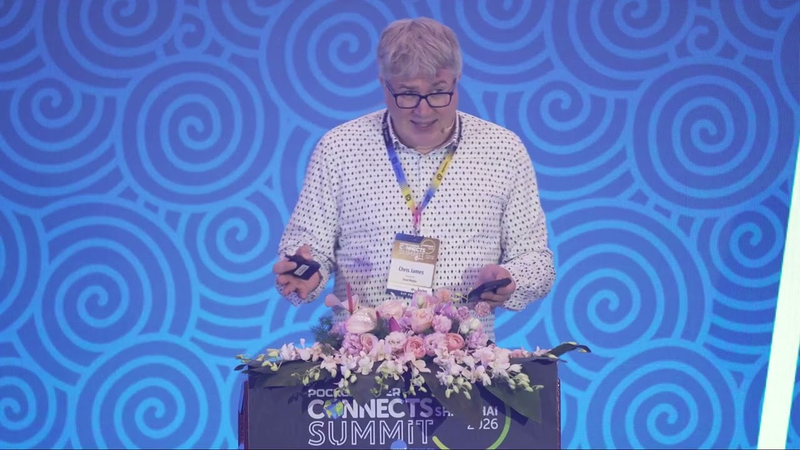

Comments