The Twitch Tactics: Kevin Lin's Streaming Journey
12 Aug 202582 min video
Transcript
We were up against not only, you know, financial tail headwinds, but also just this general feeling that the VCs were not our users. I used to do this thing where I would put up at the end of our pitch, I'd put up a FIFA stream cuz I'm like, "Okay, these guys probably understand FIFA, played FIFA, at least you could see soccer." And 90% of the time the guys were watching like intently. They're watching the stream. The streamers saying like screaming and yelling and saying fun things. And uh they start to zone into it, right? And we're doing Q&A. They're not paying attention to our answers. you could tell. And then we're like, "Hey, like any other questions?" And they'd kind of snap out of it, right? They were totally mesmerized, actually. And they'd snap out of it and be like, "Yeah, no, we don't really see this. Who watches this stuff?" You know, but you see it. You can literally see them being captured in the moment by the streamer. Welcome to the Gaming Founders Podcast, a show where we interview the founders that have shaped the gaming industry. I'm Eden, the CEO of Pragma. We build tools for studios to connect with their players and essential services, including First Look, our player relationship platform, Connect, and
Engine, our cloud and source-based backends that power many of the world's best studios today. If you have an interest in getting exclusive access to the game industry's best early access games, sign up at playtest.fverlook.gg. And I'm Kevin Zayn, partner at Upfront Ventures. We're a venture capital firm based in LA and San Francisco. I lead game investments both in studios as well as the pick and shovel tools that power game developers and content creators to do their best work, including Pragma. We interview founders on their origin stories, the tactics that help them survive and thrive, and key lessons for anyone interested in building the next generation of leading gaming companies. Learn more and subscribe today at pragma.gg/gaming founders. Welcome to season 2, episode 2 of the Gaming Founders podcast. We're thrilled to have serial entrepreneur, longtime friend, and fellow co-investor Kevin Lynn join us today. Kevin co-founded Twitch and served as a COO from start through acquisition by Amazon. He shares
the trials and tribulations of the early years, including pivoting multiple times, separating the original startup and team into two companies, one of them being Twitch, as well as timeless lessons on listening to and serving your core customers always. Kevin also discusses building his new startup, Meta Theory, in Taiwan, and just how different it is working on a studio versus a creator tool like Twitch. Let's dive right in. Welcome, Kevin, to season 2 of the Gaming Founders Podcast. Uh we're thrilled to have you here. Uh let's dive in. Why don't we start with your early story? You know, how was it like growing up in New Orleans? When did you first get into games? Uh yeah, talk us through some of those days. Thanks, guys, for having me um on on the show. New Orleans. How did I how did I end up there? So, um, my dad So, I I hear like sort of this everchanging story as I get older. Um, but, uh, my dad got a job in New Orleans at the University of New Orleans. What was what was LSU New Orleans at the time, uh, after graduate school and we, um, ended
up down there. I was born there. U,, they moved down there. They were both teachers. My dad was an electrical engineering professor, UNL. My mom was a special ed education teacher. Um, I was born in 1982. Uh, and uh, that's how we ended up there. Like kind of random, you know, two Tony's people would would end up there, but they, uh, with a small community out there helping each other out, you know, making sure people get, you know, good landing zone, build a community quickly. Um, so, uh, how was it there? Uh, I love it. I love New Orleans. Um, I love going back. I still have a lot of friends out there. It was not easy growing up as an Asian kid. Um, I wasn't like particularly athletic. Uh, I played tennis and like ping pong and bowling, but that's, you know, those are not like cool team sports. Um, and uh, sports was nothing back then yet, unfortunately not. Although I did participate in like Street Fighter tournaments like Burger King and Babages and things like that. Um, yeah. Yeah. You know, you get like gift cards and stuff. Um, uh, yeah. But I I I I found uh friends through games actually, like uh,
my my early friend group I met um, playing Magic. A lot of friends in my high school played Magic the Gathering and we'd play in the basement um sort of between the Coke machines and we'd get harassed. You know, people thought we were like nerds and like kind of like uh antisocial behavior I guess is what they were sort of assuming about us. Um but it did help me connect with people. Um and then a lot of those same friends, you know, I I still keep in touch with today. Um but magic and then games. I you know, I started playing games. My brother, who's much older, 14 years older, had left an Atari at the house. So, I played Space Invaders, Asteroids, Stampede. Um, and then he also left me one of those old Radio Shack computers. I forget what they're called where you can learn Visual Basic programming. So, I actually programmed a little bit when I was a kid. Um, unfortunately, the power would go out a lot and there wasn't like an easy save. Uh, so I don't constantly restart building these like random games inside Visual Basic. Um, and then yeah, Nintendo came out, Super Nintendo. So, I just was always a gamer. I played a ton of games, watched a lot of TV, watched a lot of, you know,
afternoon cartoons, Saturday morning cartoons. they were just like either sit at home by myself playing games or play with, you know, friends around the neighborhood. Um, but it felt like, well, I didn't really think of it this way at the time. It really was like almost this like connective tissue with me, like an easy icebreaker, you know, to make friends and have something to talk about, something to do together. Uh, so yeah, started playing games when I was really little. Yeah, that feels like the uh quintessential Asian-American uh story. immigrate parents immigrate to America. Can't make friends. Awkward avoid social interactions by playing games. Yeah. Yeah. And then where how did like where did you go to school? What did you study? That kind of stuff. Yeah. I ended up uh I went to Yale for undergrad. Um funny fun fact. I didn't know what Yale was when I was applying. My guidance counselor in school. I was at this like boarding school in northwestern Louisiana called Louisiana School for Math, Science, and the Arts. like a place for like people who couldn't quite fit in where they were would go. Um, two-year boarding boarding school, junior and senior year only. And it was awesome. Well, number one, it was
like not all boys school. So, that was nice. Um, and but we had a lot of freedom. You know, we're out there living in dorms at like 16 years old, which is maybe debatable thing for kids to do, but it worked out. Um, I then went to Yale for undergrad. I studied biology, ecology, and evolutionary biology. Um, I was planning on going to I studied evolutionary biology, too. That's amazing. No way. Really? That's awesome. Yeah. I I mean, I learned a lot. I mean, it was really cool, right? I was just understanding like how how do systems get created, you know? Um, did my research was in genetics. So, like I felt it felt serious enough to like tell my parents like, "Oh, I'm like analyzing DNA microatellites or something." Um, so it felt very real. And my plan was to go to veterary school. It was sort of my proxy for uh medical school. My parents were like not that excited about it. But they're like, "Oh, well, you're still like doing societal good. Like you're not going to make much money." Um, but hey, like it's something, you know, it's like honorable profession or something like that along those lines in their mind, I think. And then I did a couple of like uh volunteer things. Notably, I
did volunteer work in Louisiana outside of New Orleans uh in the West Bank at a place called Acres, which is an ottoman center for research of endangered species. So on the one hand I did like lab research for like basically we were trying to figure out how to get um uh sperm and eggs to travel for longer distances without degradation so that you could sort of you know artificially inseminate endangered species. Turns out it's like massively funded by like uh the agricultural community uh industry. Um and we visited some places that just kind of like made me lose a little bit of faith in the in the space of like are you really trying to do good here or is this really profit driven? Um, but it was a really interesting experience. Uh, but as I did that, um, every veterinarian I met was like, "Don't do it. It's like a really sad job." Like it it seems kind of fun. You get to be with animals. But the reality is, um, and I think this is getting more important as like pets become more of a thing for people and all this research comes out about how like dogs and cats
can like help you live longer, like reduce dementia, like all this all these benefits to having a pet. But the reality is most people don't know how to care for them. Um they can't speak to them. They can't hear like issues. They can't talk through issues. And so most of the time when you see a pet, they're really they're unfortunately already quite sick. Um uh or they're sort of not there's zero sort of preventative, you know, thought thoughtful care going in. So I abandoned that plan. Um ended up in New York after college and then ended up in San Francisco due to a beverage startup. Um and then quickly flipped from the beverage industry to the tech industry because my college buddies moved there. Um and we're like hey at some point they were like hey why don't you just join us um so it's very unlikely story into technology in terms of the college buddies like what did you guys do in college that I mean some formative experiences must have happened for them to be like hey let's ask this guy to join the startups like what were how did you guys get to know each other it's a good question I I maybe it was a lapse of judgment more than anything in terms of inviting me to to join on board but not um so Michael Cyel uh Michael
Cyel was one of my one my closest friends in college. Um we spent a lot of time hanging out, playing games, um drinking, you know, just shooting the breeze. Uh and so he was really my m major connection. Justin and Khan I also knew in college, although we weren't that we were we weren't as close as myself and Michael, but we we liked him. Justin's amazing dude. Um we used to like hang out together just like parties and just rand random events and a lot of organizations that we were a part of. Uh particularly in like the Asian community. Um so we we knew each other then. EMTT actually was in the in Justin's year as well. Um, and Michael sort of did an extra year, so he was sort of in both my year and and Justin Emtt's year, but I didn't meet I didn't meet EMTT in college, funny enough. Um, we had a lot of mutual friends and so I didn't I didn't meet him until I joined the company in 2008. Um, but I'd say uh the funny part is, okay, so this is a true story. Um, Michael in 2008 early was like, "Hey, I need your help to like build like a a financial model." Um, and I had done a lot of like financial
modeling, tax work for like nonprofits, um, when I was in school. Um, I was on the board of Italasa for a while, which is Interia Time American Students Association, and a bunch of other groups. Yeah, it was awesome. I actually met my wife. Um, in 2003. Um, so I was like, "Sure, dude." Like, I honestly don't know anything about the internet. I have no clue anything about it. How it works, what it costs, how do you make money, like I don't know. I don't know, Jack. and he sort of just like I thought so much just just to get me to come in and and and hang out more more as you know friends and just kind of dig around and do some fun research together. He was like yeah we don't really know either. So like let's just like figure it out. Let's do some research and just like make up a model and you know help us raise some money. Um so I did that for about two weeks. We met at really early cuz I was working my beverage job at the time in the warehouse. And so we met pretty early on in the mornings 7 a.m. and just cranked out some work over a couple hours. I did a ton of research. learned a lot, you know, in just short time on how internet works. Um, and then built this model for them and I was
like, "Okay, cool. I'm, you know, off to my off to my next my back my my my job job." Um, and then Justin and Michael uh sat me down at Louisiana Fried Chicken, funny enough, on Third and King, right across from the ballpark for lunch, and they were just like, "Dude, you should join us." And I was like, "Okay, man. Like, I'll tell I was talking to Justin. I was like, "I'll tell you the same thing I told Michael." I'm like, "Dude, I really I don't want to like I'm not even trying to sell myself. I really don't know what I'm doing. And again, they were sort of just like, look, you know, neither do we. We're just figuring it out. Like, we have this basic hypothesis that live streaming will be a thing on the internet. We had to figure out how to scale it and how to like get users. Um, and uh, yeah, I thought about it for a couple days, talked to some friends, like it was more my own insecurity, honestly, of like I obviously should have joined them. I was working like a like a like a you know sort of career careerless job um in a warehouse for a beverage company that that brought me out to San Francisco in the first place and uh everyone sort of gave me the my friend a bunch of my friends gave me the confidence to join. Uh so I joined uh 2008.
So this was 2008 and how long had the company been around already at that point? Had they already raised some money or how how established or not established was was Justin TV at that time? Yeah. So when I joined it was a few months in after they just started opening up the live streaming platform to other people. So the company was established technically in end of 2006, September 2006 as an entity. Um they went through YC. Um so that was sort of their first first investment. They ended up raising you know shortly after a larger seed round from like Tim Draper, Ron Conway, Paul Bluehigh, like a lot of these old school guys um back in 2008, 2007, 2008. So the company had been around for a little over a year. Um Justin had been streaming for a while. I think sort of starting to feel the fatigue and like it's tough, right? They were getting swatted. Like lots of bad things were happening. Um and so I think they realized like, okay, we got to like figure out safety. We got to figure out security, which became like a really important theme throughout the the lifetime of Justin TV and Twitch. Um and then a lot of folks had reached out saying, "Hey, we'd love to do this." And
so when I joined, there were a handful of people that were also streaming. We were using these like Sony Vios like they were the smallest kind of one of the smallest laptops at the time. Um, and then just using, you know, a mixture of networks. Uh, and back then this was all EVDO, right? This was one not even 3G yet, not LT, not 4G. Like the quality was quite low. Reliability was quite low. And Kyle, the other co-founder, who I forgot to mention earlier, um, who was like their boy genius like MIT dropout kid who went on to build cruise automation, now was building robots again. Um, he built the system. He built he built the media server system. And originally there was a little box that had like uh multipplexed across four different networks. So it was like Sprint, Altel, I think at the time, Verizon and what other um to try to make sure that the streams wouldn't drop. Um but luckily internet you know broad sort of mobile internet got better and and streaming became much more easy to do. It was really about just figuring out in the beginning it was really figuring out like what do we do with this right? So the company had been around. We started opening up the streaming platform. A lot
of these creators early days um this was early days of YouTube creator creator uh um like creator model right where they just started sharing advertising revenue. And um we learned over time between 2008 2010 that while creators would say like oh I just want to do this for fun like it's really fun ultimately revenue was like top of mind right how do I actually build a career on this and it wasn't until 2010 where we really started getting deep into talking to creators and saying okay what are your actual needs what are your problems what are your hopes and dreams for this is this a career or not um and that kicked off this transition into Twitch where we're like okay we want to build creat tools, but we need a focus point because um in 2008 when I joined the platform was growing actually quite quickly. Um but it wasn't monetizable, right? It was too risky for advertisers. They they the live especially was very risky. We unfortunately ran into a number of, you know, weird streams that would happen that um scared off advertisers. And so
we're like, okay, what are what are the categories that make sense? And then we tried everything. We tried sports, we tried news, um we tried like um sort of citizen journalism. Uh we pushed a lot of different efforts um and talked to a lot of cool people like learned a lot about the industry various industries music um you can people do music streams everything had restrictions and so or like high costs right if we wanted to get sports content we need to have huge licensing costs and we didn't raise that much money you know we had $7 million in the bank um Ustream which was literally down the street from us in San Francisco had raised $60 million from SoftBank every celebrity that ever used our platform they would poach you know like Snoop used our platform briefly Michael Phelps did during the Olympics and like they would just grab them like pay them to use their platform. And so we're like shoot what do we do? We can't compete on this. We can't compete on celebrities. We can't compete on sports. We can't even do news because everybody wants money. We don't have money. Um and that really pushed us towards gaming. Actually, we were sort of doing the research in 2009. Justin and I talked to
a bunch of folks. Um just sort of had a hunch. We had a small gaming community on Justin TV. Um but it wasn't really growing too much, but it was highly engaged. It was one of the more engaged communities and we realized the most important thing after this YouTube report came out that at uh back then gaming was rising really quickly on YouTube but it wasn't like no one was talking about it. People were talking about illegal music videos, like you know, pirated content, but like they weren't talking about games. And the most important point on games at the time was it was monetizable, right? You can't monetize the music videos. You can't monetize the short clips on YouTube, but you could monetize gaming content. And so we thought, okay, maybe there's something here. Uh, and that really kicked off like, you know, about a year's worth of research and talking to everyone from EA and Blizzard to ESL for esports side, a bunch of the teams trying to understand what they were going through and what they hoped that a platform like ours could do. Um, and so that really kicked off the the beginning and and that sort of that one of the pivoting points was um Starcraft. Uh, we one of one of the draws to joining was I
could play Starcraft Brood War with the guys because we used to play back in college. Um, so we did that a lot at night at the Starcraft 2 came out. May 2010, we got the beta. Uh, and that was really this like aha moment where we're not only playing, but we're watching a ton on YouTube and started to realize like, okay, maybe this is a community we can just tap into now, primarily for feedback. Um, and but then, yeah, one thing led to another. We just uh kept kept pushing towards that and eventually spun out Twitch. Yeah, because I imagine at the time the team and investors were probably I mean one one angle to take it is sort of like live streaming for everyone and then gaming is kind of just like one part of it and I'm assuming it was like from a brand perspective you guys needed to like sort of be identified as one or maybe the tools were very unique for games or you know all these kinds of things um that made you kind of lean into one thing and then maybe the push back was something like how big is like the gaming market to support like a live streaming product
specifically just in games? Um like I guess what gave you the confidence to go into specifically games as opposed to just like hey we're going to be like this live streaming like product for the masses and like you can you choose like what you want to use our live streaming tools for. it can be for any of those particular things cuz I imagine that would have been the angle that like a natural VC back studio would have taken. I guess there were a lot of things going against us, right? Um namely when we started getting going um we were we were doing okay on finances like we had we had not been we had been profitable for 2000 in 2009 um due to a number of products that we built on Justin TV. And so that that really helped us not only with the confidence but the resources to like okay we could we could focus down on something. Um, and I I'd say the things that were slightly working against us as we started to research was one, a lot of
people were suing YouTube. A lot of game companies were suing YouTube at the time for, uh, really really gray area of can you use gaming content and monetize it as a creator. Um, and so, uh, we we approached it quite a bit differently, I think, than YouTube did. Although I wasn't in the room with the YouTube conversations. I'm sure they threw a bunch of lawyers at it. We were like, yo, like we're a startup, man. like, you know, do what you want to us. If you want us to take your games down, we'll we'll happily abide. But you have to you have by your own definition, you have to tell people that. You have to go and tell your audience, hey, you can't stream game X because we don't want you to. We can't be the ones to say that. That's it's not our role to do. Um, and as we just got to know people, you know, I think they realized like, hey, we're not like we're not like your typical tech team. Like we're not here to just like sap, you know, we actually want to build a meaningful community around your video games and help you with not only launch but engage, continued engagement, franchise development, like and we want to build tools for you as game companies. So we sort of solved that just through, you know, good relationship building. The other thing
that was going against us was like bandwidth just wasn't there yet. You know, in the in 2008, like we had so many issues with just, you know, CDN's like they weren't ready for this. Um, we had like folks like the Jonas Brothers show up on stream and every time they did that, the whole site would crash. Um, and so like we Kyle and EMTT had to do a ton of work just to figure out like what is our videos? How is our video system going to work when like this stuff doesn't exist yet, right? So we had to build our own video system. We hired this guy John Shipman who built our sort of, you know, our entire like data center network and uh um NetOps and so on. and he he he really was like a you know pivotal in and his team were pivotal in and giving um our partners you know the confidence that we had a platform that could satisfy what they needed. Um but that was really expensive and so we didn't have that much money at the time. So we had to be really clever on on how we you know built the load balancing basically for that. Um, and then on the game and on the game side, like none of us knew anybody in games, right? We were
notworked in. We're not from the industry. So, we had spent a lot of time networking in. Um, and again, we hit some resistance because of just the general sentiment towards online content creation around games at the time. But, um, that that that was, you know, that was the fun work. That was actually really a fun part of what we did. Um, but then on the plus side, you know, what what we were able to convince the board to let us do it was really this YouTube report that we saw that we found. um and and seeing that gaming was one of the fastest growing categories on YouTube and sort of bar hypothesis which I don't know if they necessarily believe it at the time but um that we could monetize it right we felt that we could pitch this like oh this is monetizable content versus all these other categories we researched there's no licensing fee at least for now we don't know you know we don't know how the game company's going to change their minds over time if they sort of discuss as an industry okay this is how it should work um and actually one of the things we did in our series B raise in 2012 was we trul We did try to get all the game companies and say, "Hey, would you like to invest? Like we'd love to be we'd love for you to have a seat at the table. We'd love to you like not only
partner with you, but have you sort of, you know, be able to win over time if we win?" Um, unfortunately, most of them turned us down. Understandably, like back then there didn't really have too many too much investment activity. Um, although Take 2 ended up investing in our series C. Um, so we got we got pretty close with this guy Michael Boros and and Truss at at Take Two and they really liked what we were doing. I think they saw they saw where we're going. So, they did put in a check into our last round. Um, yeah, it it took a lot to navigate. Um, many moments where we're like, is this actually working? You know, like not sure. But back in the beginning, you know, we'd see a stream of like a Sharkcraft Pro start with like 10 stream 10 viewers and then, you know, weeks later is 100 and weeks later is a thousand. So, you could feel it. You could feel the growth. You could feel the excitement from the creators. At that time, we were we were early into Maker Studios, too. you know, was PewDiePie and all those guys and that was exactly the time when all the YouTube gaming stuff blew up and same as Machinima and all the competitors at that time. So, so yeah, great to see
that you guys really saw that, you know, all the macro conditions shift and you you guys went for it. But by the way, is that the customer in your mind or at least at that time like the customer is the creator or who is the quote unquote customer for you? So, it's an interesting question. Um, we it took us a while to figure this out. Um, at first we more thought of the viewer as the core user and it was really this switch to the creator that helped us focus down. Not only because we had, you know, less noise, right? Just way fewer creators than viewers. Um, but they were actually able to tell us product feedback like how would you want to monetize subscriptions as an example came from a lot of these conversations with like DJed, Day9, a handful of others that were thinking about this future where okay, if we don't like advertising, what are alternative options? We had looked at the US Asia platforms like YY, Huya, Y, um, Niko, Niko that were using donations, Africa TV and Korea. Um, but, uh, the feedback from the US creators was, I don't like donations because I
feel like I'm constantly shilling. So, can we build something where it's it's it's a sustainable revenue? Like, they wanted reliable revenue stream, right? Monthtomonth, they want to be able to know if they can pay their bills. It was when we really started talking to gaming creators on a regular basis, like as in a daily basis. I would I would do calls with them sometimes on speaker phone, you know, in the office so everyone could hear what was going on. We were a really small team back then. Um, and so they could hear the feedback themselves or send me questions if they wanted to on on Yammer or whatever we were using at the time. Um, and then we trained everybody to to be able to do conduct user interviews on their own, you know, sort of removing confirmation bias and so on. So that was really pivotal moment for us is like, okay, is it viewers, is it creators, is it both? Doing both was like too messy. It was just too much feedback. Um, and so that helped us hone it down. And of course, creators are also viewers, right? So they they also give you good feedback on like the general viewing experience. Um, but we really built around sort of their their sort of future thinking on um what this could mean for them as individuals from a you know finance and career
perspective. Um so that that helped us focus down. Now the learning process was hard because to your point on makers and and um sort of these collectives like that um actually we got this this was really critical feedback we received from the YouTube team Shiva Raja Ramen over there uh and a couple of the other sort of project managers that were talking product and product project managers that were talking to us at the time about doing an integration possibly into YouTube. This was before YouTube live really was stood up. They were really nice about it like can we actually do stuff together? We did a number of uh integrations into YouTube, including notifications. So, if you went live on Twitch and um someone was watching your YouTube channel on YouTube, you'd see a little annotation pop up saying, "Hey, I'm live on Twitch now. Click out to Twitch." That was like really cool of them to do that. We didn't expect them to do that. Yeah. Amazing. One of the They eventually they ended up ripping that out later, right after Damn it. Um but uh it was actually really useful referral system for us. Um
and of course just like subtle marketing but the most critical thing they told us actually so we kept asking them like how did you build your team like are there any lessons learned from that that you'd be willing to share with us and one thing that Shiva said to uh me was I don't recommend working with these networks he's like I think in hindsight um the damage that it's done to us is not really the monetization side really at the end of the day YouTube's going to take their cut and then the agents have to figure it out with with their streamers was that you need to build this direct relationship and that these agents will try to get in the middle, right? And what's happening there is you're not getting real feedback. You're getting agent feedback, which has a very different incentive structure than a creator does. And so we're like, cool, awesome. Let's build a team to do exactly this. So we built a we basically built what makers had, which was they called it network development, right? Um they had a network development team who was out there to talk to creators and onboard them onto a makaker platform. So we just built that internally and we didn't not talk to the makers of the world. We did
we actually spent a lot of time with them um thinking about more highle stuff right like can we partner can we build advertising products with you guys that you can then sell to your agents. We had a very small sales team at the time um but it allowed us to continue this relationship with the creators. We basically said nope you know what like if you guys want to use the platform we're only interested in people who are willing to talk to us. Um, and we're going to make ourselves available, right? The founders, the leadership team is going to make ourselves available for creators. If you have ideas, you have issues, you have problems with policy, like we're here to listen, right? We're not going to block you out. Um, and so that really I think was a critical decision um uh in our company life was to build this partnerships. We ultimately called it the partnerships team. Build this partnerships team to ensure we had a direct line of communication and relationship with with creators. when you guys were really small, what was the division of lab? Like how big was that early team? What was the division of labor? And so you became CEO of Twitch. How did you go? I don't know. I've heard this. I feel like
I've heard the story before and it always sounds like a very humble like we didn't know what we were doing, but there then like every single Twitch founder is like been obviously hugely successful since Yeah. Yeah. It's like, so I guess like clearly there was some secret um I'm like trying to download some of the DNA of like what what what did those early moments look like? How did you figure out who was doing what what was going on there? What were the roles totally defined in the beginning? I mean I sort of interesting. So when I joined it were like they were the four founders. I became a founder of Twitch, right? But I was not an original founder Justin TV. Um I mean needless to say these guys are incredibly smart. I think um one thing that Michael used to say a lot always stuck with me um and it's opinions weakly held, strong opinions weakly held. And these guys would debate and debate and some I'd sit in the room with them and I'm like, "Dude, are you guys okay? Like are you guys like actually mad at each other? I can't really tell." And sure like we'd walk out of the rooms
and like the few employees we had sometimes would pull me aside like, "Dude, are the founders breaking up? Like what's happening in there? What are you guys fighting about?" We're like, "Oh no, we just debate." And the second we walk out the room, everyone's chill, right? And there's this fundamental trust between the founders that allows that debate and no one takes it the hard way. There you have rocky patches, right? Of course, when things aren't working, things feel bad. And so, like, you know, blame starts to happen. And so, you have to have this maturity to get over that blame and actually talk things out and move forward together. Um, but they were shifting, right? Justin was the original CEO, then Michael became CEO, then EMTT became CEO with when when we launched Twitch. Um, and watching these guys transform over time was really incredible. Um, but I think fundamentally it was this trust. Um, and I think just, you know, witnessing that, um, taught me so much. just generally how do you debate? How do you structure these conversations? But how do you ensure everyone that you talk to, whether you're an intern, you know,
fresh out of college or a senior VP engineering that's joined the team, how do you engage in that and feel good about it and feel like there's progress and clarity on what you're doing? That was one big thing. Um the other I think is just like this obsession with customer. We didn't have this at first, right? First couple years we like again we didn't really know who we were building for. Um and um that flipped to okay creator is creator first. That was one of our mantras. Um uh our values at Twitch when we finally wrote values down prior to the Amazon acquisition. Something we already always felt was you know creators are creators are number one. That's it. And that that's what we built around. Um that helped a lot. Um but it's really just like the raw intelligence of these guys. Um, and like the good the the good human nature, like they actually cared about sort of democratizing broadcasting, right? Both from a philosophical standpoint, but also from a business standpoint. Like, can we help people eject themselves from their shitty jobs and do some do something for free with
with a free platform and and have information be free? Um, uh, was a driving force. But as these guys went on to do incredible things I mean gosh you know like it's like the experience was helpful of course right having been in the trenches and understanding how startup you know business creation happens all the way to user acquisition growth like survivability um monetization being smart about that um being smart about costing being disciplined about hiring and you know team building um and and and ultimately creating um excellent culture um you know that has to happen I think on the you know you got to get your hands dirty Uh and so these guys had that benefit. Um but yeah, you know, over time as you are successful as an entrepreneur, uh is networks, right? Networks are really critical in a lot of this stuff, particularly in the consumer side, certainly on the B2B side as well. Um uh and being able to leverage that, understanding how to leverage it, feeling comfortable leveraging that, um is something a lot of entrepreneurs don't really learn. I I I see over time. Michael and I used to debate a lot. Like
I would kind of talk to anybody, like some random person would email, be like, "I have this live stream show idea." I'm like, "Sure, I'll take, you know, 15 minutes to talk to you." Michael's like, "Why are you talking to all these random people?" Um, and a lot of those people I talked to ended up doing really cool things, right? Most most of them did not on our platform. They did maybe cool things elsewhere, but like they didn't end up using our platform, but a lot of those folks ended up, you know, as we grew up, right, 20 years later, you know, doing cool things at big companies and they remain warm contacts. Uh, so there's a lot of time invested in something like that versus the alternative which is like just sit down, focus on product building. And so we ended up filling different roles, right? So my job was not only to figure out um the guts of the business, how do you operate this thing? Um how do we build the team? How do we project out financial um results and expectations and then how do we achieve those? Um Michael, you know, as CEO at the time before Twitch was really, you know, top down thinking about all this stuff holistically as well and helping me do BD calls, sales calls. Uh EMTT Emtt EMTT and Kyle focused, you know, 100% on product and technology. Uh Justin Justin really is like this like hybrid mind
where he can build and he can he can actually code. um although I don't think he does it much these days uh but he also is like brilliant brand and marketing mind um brilliant sort of community building mind um and so everyone really filled in in a role really well um but I think when ultimately we split the company right Michael all built a company called social cam which we spun out which was Instagram but video at the time before Instagram had video um Kyle went off to build cruise Justin was sort of working on exec which was like Uber for task rabbit like a sort of premium task rabbit and then EMTT and I just stayed and focused on on Twitch and EMTT stepped in a CEO role really changed things a lot. Um just from like sort of obsession with product, obsession with technology building um but also this obsession with this like new customer that we had uh decided to focus on. Yeah. I I mean I can imagine starting a company with whatever is it five I guess of the early four initially. Yeah. Four initially plus you after and then splitting it into different companies. I mean that would be very emotional for me um if I was working
really closely with I mean you become like married to your founders um and then splitting the company and working all sorts of different things. Um, was there is there any sort of challenge and obviously everyone did some really cool stuff but I guess what what did that decision making from that right like how do you if you were to advise someone else on doing in the future like how to do that in the most you know thoughtful humane way and not end up on the newspapers as as one typically does right we are highly unlikely story right and I I think of this like do as I say not as I do uh a lot in in this story part but Um we were kind of defocused because we had gotten the company to profitability 2009 2010. We were feeling good about that and it also caused us all to get a little distracted. Everyone was kind of doing other like side hustle things and we really had to like have this like coming coming to Jesus moment where we're like okay let's sit down and figure out where is this company going
who's going to do what? And everyone had different opinions. Um Michael really wanted to work on something in mobile. Um, uh, EMTT, myself really wanted to work on the gaming thing. Uh, Justin was kind of in between. He was like excited about both things. And Kyle, um, Kyle was sort of just doing, you know, really back-end technology work. So, he I think he was somewhat ambivalent on which direction we went. Um, we had this hard conversation. We did a ton of research. We built up a bunch of financial models around these two ideas. And, um, this is really counter to general startup advice, right? Focus like focus on one thing. And sure enough, our board, our investors were like, "Dudes, don't do three things. Don't do Justin TV and social media and Justin TV gaming." And and we're like, "But we really want to, you know," and I think they gave us a lot of leeway. This is like Stuart Gilman primarily from Elsaf Louie. They gave us a lot of leeway because we were profitable. We survived the recession, right? Remember, we also grew up in the great financial crisis, right? There was a moment where we weren't even sure we were going to get our money out of the bank. They
thought we were crazy, but they're like, "Actually, you know, we do like both of these ideas. How about this? You know, let's agree to work on this for six months. We work on both of these for six months." And at the time, we were less than 20 people. And so, we had to split the teams um quite a bit like just a couple engineers, Guom and Almond, um who went on to be entrepreneurs themselves after they they became co-founders of Social Camp with Michael. So, they spun out um and uh the rest of the team was largely building, you know, backend for both Social Camp and the live portion. And so they were really spread thin. Um but they said six months if you hit these targets and we built pretty aggressive targets like I think we targeted like 8 million users um first six months for Twitch. Um social cam was also like you know in in the low millions of users and you know 3 months in they both just took off. And so the board's like huh what are you going to pick? You know you had to pick one. You know the agreement was whichever one works you have to promise you have the discipline to shut down the other one and focus solely on that the whole team. But they both worked and so we're like, "Huh, now what do we do?"
And so that that flipped into this conversation around splitting the company up. And it wasn't it was hard. I was like certainly and I I I was not as deep in the conversations then sort of because I was like, "Okay, I'd love to do the Twitch thing. Like you guys tell me where you want me to go and I'll go, but I I have a preference for for gaming." And um you know, lots of thought on you know, how to be fair to investors. So that was relatively straightforward, right? cop cap table was just copied over to the social cam cap table and then they went through YC and raised again. So everyone got diluted but everyone did get their fair share of of social cam. Uh so I thought it was really a really clever structure. Um and uh yeah so so you know splitting kind of was sad right Michael was at the time my my closest friend there right? He's the one that really brought me in although Justin obviously did as well. Um but I had got started to get to know EMTT really well. also was really excited to work with them and and you know Kyle was sort of thinking about um doing other things and ended up ended up leaving to start cruise. Um so it was a sad you know sad breakup in a sense but like we kept obviously kept in touch helped each other out like continue to
work together uh even though we were sort of you know separate companies at that point. Um, but it was good. It was fine. Like I I I think certainly emotions going in, right, on is this the right thing to do? Like is this working because we're working together, right? If if people split off, like what happens to culture? Um, there were certainly these worries. But mechanically, from a, you know, business creation standpoint, it didn't make sense to keep doing all those things. Um, and so luckily, luckily made the right decision. You know, Social Cam sold shortly after split spin-off. uh Twitch, you know, four years later, uh 3 years later ended up selling uh as well, but we got really lucky there, you know, in a sense that everything just kind of worked. Do you have any like hiring uh advice? It seems like a lot of people you guys hired ended up being like great like or founders or like I mean even for yours it was like you were like oh I was like not I mean seemingly not super ambitious and like you know like not and then like they just asked me to join. I had no experience and
obviously you've you worked out great and like any nuggets from there. How did they figure that out? Yeah, I mean I think on hiring. Okay. So sort of logistically or mechan mechanically how we hired um all the way up until Amazon acquisition was um all all the founders had to interview um every every candidate regardless of level. Oh wow. Plus the hiring manager plus a peer, right? Or or two peers. So, it's actually quite a rigorous uh interview process and we scored minus one to two. Um, if it was all twos, easy. Everyone hire. We we all hire. There's a bunch of twos and ones we'd maybe debate a little bit, but likely higher. Any zeros or minus ones essentially were no. And um uh during the interview, so we do the interview process, we take all day, they'd actually join us. We asked candidates to join us for lunch and or dinner depending on what time they were interviewing. And so they could sit down and have more of a natural conversation with us and also meet more people on the team. Um but uh it was very like again
culture of debate. Um so we debated a lot. A lot of candidates you know had like a zero and zero sort of meant you could be convinced. Minus one is like absolute no, right? Just I just can't work with this person or they're not what I need. Um uh what what we need right now. Um and so zeros we would debate a little bit and if if if the person could be convinced, the zero the zero rider could be convinced they would do another round uh interview with the candidate. um and if they changed their mind then we would hire um and so it's very rigorous and so literally everybody in the in the company up until basically the acquisition I think there were maybe some exceptions at that point because we crossed 200 people so it's just like from a time perspective or like you know if people were traveling it was a little bit harder to get everyone on board um but we did try to stay disciplined about that other things I think we weren't that good at back then but now I try to do um in hiring is referrals referrals feels a little awkward right and and referrals also uh references sorry references Um, you never know, right? People might just say nice things. They might send you references that just like of course are going to say nice things.
Um, but if you if you become good at that in asking questions, you can sus out more subtle things like, can this person work at a startup? Right? That was a lot of our early learnings mistakes we made were we hired people with seemingly awesome resumes. VP of engineering at Apple, right? Chief Business Officer at some large exited social platform. Um, but they couldn't fit in on the startup side. They can't deal with the chaos. They can't deal with the uncertainty. They can't deal with the lack of resources. So, they're amazing people, which is at the wrong stage. I was just talking to a couple of my um uh other uh friends from that were in town from New York last night, and you know, they're great co-founders because one is very specific product technology 0ero to one. That's what he's good at. and he as soon as that's done he likes to step aside and his his partner steps in and and takes it from you know 1 to 100. So uh it's good knowing that right I think a lot of founders do try to do everything try to hold on as long as possible um uh I
don't know if it's through feelings of control or feelings of like not wanting to fail or not want to let people down but it's good to have that realization of who do I need to actually hire right now? Um, and one thing I used to do a lot was every week at the end of the week, I'd sort of sit and reflect on my schedule like what did I do this week? And what are the things that like I can do but I'm not that good at or I can do but I don't like doing or I can do is just not valuable, right? And that's constantly changing for an entrepreneur, right? Your value within the company changes over time and I think it's a really important thing to be introspective on on where should I be spending my time. I' I've met so many like CEOs that still like comb through their credit card reports, which is awesome. Like that's really great to see people do that for a couple hours a week and understand their finances fundamentally, but is it the best use of time to do it that way, right? Or can you set up a system with a bookkeeper or an accountant that can help you understand it faster, right? And so it's just like when you're when you're resource constrained in startup sense, you have to like do a lot of this work
certainly, right? There's almost no choice. But having those realizations of okay, what can I what can I start to offload? How do I delegate better? How do I create I hate process but like process is obviously important. Um how do you create the minimal amount of process so that things can operate efficiently? Um and and you know then you can start to throw you know headcount at the problem. one like tactical follow-up to hiring. For me, sometimes it I do struggle with getting good signal from people that are very good at answering questions as opposed to like, you know, if I work with someone for a few days, it's it's very easy to tell whether someone Yeah. is good. But, you know, some people are really good at answering questions, I guess. How do you especially those on who's done sales jobs and all that? Yeah. Oh, totally. For sure. PD leadership, right? any like good how did you assess that? I always felt like I was maybe just like not good at it. Um, and I had to like
get signal from more people and that was helpful to sort of crowdsource it. But I don't know if like it's one of those things that I one of those like age-old questions. Can you be trained on like is it is it a sense of something? Is it like you need a better source of questions or like I don't know if you learned anything. Okay. So from the self I think there's pattern matching certainly right. you can sort of just sus out like sort of almost a gut instinct on do I do do I feel do do I feel like I can work with this person as in depending on what your values what what important your uh what what value system sort of you care about when it comes to work but um you can can you trust them do you feel like they're honest do you feel like they have the thing you need whether that's network or you know specific knowledge base or expertise um I think sticking with sort of like the you know sales BD side marketing side a lot of folks who are really good at like talking and good at um uh charisma basically. Um I think therein lies one ref that's
that's where references can be really valuable. two, we found a lot of the time when we hired people from partnerships or BD, they were either one either uh people I had worked within the industry, um James is a great example of this, right? J James Cook was at Microsoft at the time. I just found him to be like really intelligent, thoughtful on what was going on in the industry. Um he had great connections in in the game space and so it was sort of a no-brainer on that side. Um and then uh a lot of folks we hired though either yeah either we had worked with they were sort of known quantities in the space or they were referrals. So once we started to get a little bit bigger the referral mechanism worked really well internally. Um and actually we gave a bonus reward if we hired anybody we give you I think it was 3,000 bucks or something like that. So we love that actually. That worked really well. Um, obviously, so sure there's some feels bads around that sometimes if like someone's referring a ton and we just don't hire anybody. Like it could start to feel a little down for you, right? Oh, am I not bringing the right people in? My friends are upset because they thought they I could get them a job. But I found that that worked
really well. We got high quality candidates. And the good thing is they came in and they had a buddy there. They had a friend. And so it felt much more easy transition-wise into our culture. Um it also gave them an outlet to you know as you grow one degree out um there's the comfort level from founders all the way out because you could always go to somebody that was a mutual friend basically as a co-orker and and you know talk about whatever you want to talk about you got issues let's hear about it and so it made it a little bit easier that way. So referrals worked really well. Um we found that like recruiting like recruiting agencies were not that useful for us. I think maybe our culture was just like too different and so everyone we hired from recruiting agencies in the early days just like didn't work out for the most part. Like maybe we got like an engine like a badass engineer on one particular thing or another but um it it wasn't it didn't work out that well for us actually. So referrals are really really good. Maybe we can chat a little bit about um you know fundraising. You had mentioned kind of sevenish male before then you
guys had the experiments and then you ended up splitting into the two companies like so once it became Twitch you know how was the capital raising journey um obviously very expensive to keep a service like that up and running. I assume you were very involved given you were COO and you know handled all things business as well. Love to hear a bit more color. It was very hard for us, right? Great financial crisis like VC was basically just deadlock and we started raising in 2011. Um remember we were profitable 2009 2010 that allowed us to do all this work additional sort of new new ideas new idea work. But uh 2011 we went out we were the fastest growing website on the internet at the time according to Alexa. We had 90 we had 80 minutes of engagement per day per user um at the time and then by the time we sold to Amazon we were 90 90 plus like 93 minutes or something and we had this great story um we had a pro like sort of proven team that could operate and you know drive profitability default
to alive and uh had shown growth in a category that um a lot of people didn't understand right people didn't understand gaming they didn't understand live streaming so they're like why would people watch other people play video games this was the most common retort we got from VCs But as we went out, we pitched, you know, we sort of launched the new brand. We launched a brand in 2011 at uh uh ED uh E3. Sorry, let's see. EDC E3. Um mine is somewhere else. Yeah, I guess my brain's trying to tell me something. Um and uh shortly after started to raise and we talked to 80 plus investors. I had kept like the whole ASA board, notes, everything. And everyone was like, "Nah, you know, we don't we're not deploying right now. We also don't understand this space. Sounds like your costs are really high." And we're like, "But but we have revenue. Like we have, you know, we're making millions of dollars a year. We were profitable. Like we can get back to profitability." Just the site was growing so fast that we had all this capital outlay cost for uh network network construction and also just bandwidth bills. Um but we kept the
team we had the team was still quite lean then. And you know, 80 pitches in, we're like, "Fuck, like, what's going on?" Like, "How do we how do we get people over the line? There's something about our story that's just not working. Maybe we were talking too much about esports. Maybe we weren't talking enough about, I don't know, sort of technology integration into games." Um, and and and again, like a lot of the games industry, I think I think if you were a VC uh and reached out to game companies, um you probably got mixed opinions about YouTube and and Twitch, right? Many that didn't want us to exist, many that were happy that we existed. Um, and then finally, uh, this guy Mackie Craraven reached out from Bessemer. We were in New York, uh, meeting with like Union Square Ventures and a handful of others, and he was like, "Hey, do you guys have time for lunch?" Um, so we met him up for lunch. Um, and uh, he was just this huge like gamer guy. He loved League of Legends. We talked about League for a while, but he's like, "I'm a big fan of what you guys are doing. Um, would love to see if you'd, you know, um, consider Bessemer." And at the time, like we didn't have huge networks. I didn't even know Bessemer at all. None of us did
really. And so we met with them back uh in SF and luckily they led, right? They l luckily they were like, "Okay, we see where this is going. Um we like the fundamentals here in terms of the team on on like the discipline to to operate particularly through through that massive recession. Um and they wrote us a check, but it was painful. Uh second round, series C, sorry, third round, series B was so we ended up doing series B 2012. We closed in 2012 and then we had to do another round pretty much immediately because the site was growing so fast. Our costs were just exploding. Uh and that one also took a while, you know, because we're still again still coming out of the pain of the financial crisis. Um and we weren't profitable anymore. Uh but we were showing this insane growth um and and engagement. And so uh luckily we got were able to get Thrive to leave. Thrive looked at us in this in this in the series B, but still couldn't quite get there. and in series C they led. Um but yeah, it was it was not an easy process. Um we learned a
lot. We tried to adapt the pitch along the way as we got feedback. Um but ultimately we were up against not only you know financial tail uh headwinds but also just this general feeling that the VCs were not our users. I used to do this thing where I would put up at the end of our pitch I'd put up a FIFA stream because I'm like okay these guys probably understand FIFA. They played FIFA. At least they could see soccer. And 90% of the time the guys were watching like intently. They're watching the stream. The streamers saying like screaming and yelling and saying fun things. And uh they started to zone into it, right? And we're doing Q&A. They're not paying attention to our answers. You can tell. And then we're like, "Hey, like any other questions?" And they kind of snap out of it, right? They were totally mesmerized actually. And they'd snap out of it and be like, "Yeah, no, we don't really see this. Who watches this stuff?" you know, but you see you can literally see them being captured in the moment by the streamer, but I think they were also a little too fixated on the game. We're like, "No, guys, the game is important. Of course, it is. It will be important for many creators, but in most cases, in our experience so far,
well, we don't know. We can't like prove to you from a data perspective. People are there to hang out. People are there to talk to the streamer, to get reactions from the streamer, to hear what they're talking about. out there's this constant sort of meta shifting in every streamer community about inside jokes, memes, like what are people talking about and feeling this level of closeness and that's what drives the engagement but they just you know I think over over focused on just games and the potential of games but there's lack of understanding about you know what games mean for society I think too is the fundraising lesson um like find the right VC that understands your story or is it ch is it craft your narrative or is it more of like a perseverance lesson I'm trying to like Like what's the clearly you got all the above? Yeah. Or maybe it's all the above. Like I guess are there things that you changed that led to the the outcome that you you got or was it just like the Bessemer guy got it? And so I think in our case it was a bit of luck. It was a bit of luck that Mackey and ultimately Ethan um Ethan Curtzwah were like, "Okay, I see where this is
going." Um I think pitching is really important. I think maybe we didn't do enough practice pitching in the beginning. I think we sort of went in hot and then just adapted along the way. Um, and every everyone thinks differently and so we're probably just a little a little a little young in that sense of like not knowing precisely what VC speak is. Um, so practice is really important but I think you know for the founders out there listening I would say build your relationships. You have to start building your relationships. You have to like show the you know aggressiveness basically of I need your time. I need to show you that I have something important that I'm building. Um because it takes it takes a while. The best relationships, the best VC relationships with startups is like I think that again going back to the very top on trust that fundamental trust, the fundamental desire to work together, right? And feeling like, okay, I like this person, I could work with them is really critical. And if you're sort of on the if you're out in market pitching constantly and you haven't developed a lot of these relationships, what ends up happening is the VCs all they all talk
to each other. They're all friends. And if one is like, I really don't like this team. Guess what? most of his friends are also not going to like you and so you have to show you know show your persistence show your your grit um through that process and building those relationships does take time so part of every founding team's role and you know typically at least you know the CEO if not multiple people on the team has to just get out there network um spend time with folks um really get to know them because it it is it is a longer process and we're going through a similar you know doldrums in the DC oh not an AI there's always a bubble right there's But you're not building in that bubble. There's always doldrums, you know. Um, and so I we're certainly in doldrums. I think we're coming out of it now. But, uh, yeah, the relationship building part is really critical. Switching gears a tiny bit to when you guys decided to sell Twitch. What was that conversation like as opposed I mean there's two paths like you sell the company or you go IPO and what was the decision-m process for that? 2014 is when we sold um we started exploring the conversations um, uh,
early part of that year. Um, we had sort of gotten some signals after our last round, our series C, which was September 2013. We started to get some signals from folks like Tencent had reached out, you know, with the news. They're like, "Oh, let's talk. Let's figure out something to do together." Uh, we ended up meeting with them. We ended up going out to China actually 2014, early 2014 and March. So, there was starting to be these sort of like little teaser signals. You know, Zuck reached out, a bunch of CEOs reached out basically of all the major tech companies, media companies, and we're like, "Okay, it was pretty apparent what's going on, but let's let's have these talks. We had just raised. We weren't that excited about selling. We we felt like we still had, you know, a lot to do. Um but we were already alive for almost, you know, eight years, right? Remember incorporation in 2006 and um most VCs hope and this is our investors were like super chill about all this. Obviously, they wanted us to sell. They wanted an exit for themselves, but like they were all, you know, they always said if you guys want to keep going, like we're supportive of that. Um but there's a bit of that in our brains of like we got to do right by our shareholders. You know,
they've been around with us for so long. Like we need we need something. we need to give something back to them. Um and so we started he has decided um on that and also just for personal life right you know these guys were working for so long and um team's grinding away it's tiring um so having a nice exit for everybody felt felt like the right thing to do and so I was like okay let's explore it see if these deals are real see if the interest is real see how much money there is and also what would our life be like after so we're prioritizing for all those things um and we met with everybody you know we talked to talked to Google and YouTube we talked to Twitter we talked to um Yahoo who we talked to, Warner Brothers, Legendary, like uh a lot of folks and uh went down pretty far down the acquisition path, paperwork, negotiations with a couple. And all the while we're like, where do we feel like Twitch makes sense? Number one. Number two, where will we sort of be able to thrive and not just be a cog in the machine? And um long story short,
the Amazon team pitched us a pretty good pitch in the sense that they we we'd be left alone. They had nothing like us internally, right? Whereas like for instance at Google at a YouTube, we'd probably just be plugged in, right? We just be the live part of YouTube and and sort of just be sort of decommissioned in that way. Um but Amazon had this whole hypothesis they were working on around AWS was used by 60% of game companies at the time. They were trying to build all these tools on top of AWS to make game hooks into AWS much easier. Um, they were building Lumberyard, which was their sort of game engine licensing play. They had a bunch of first party and second party studios that were building these big games, right? These hypothetical like 10,000, you know, simultaneous multiplayer like open world games. Um, and we thought, oh, this is really cool cuz we get to do a lot of things. Not only do we like maybe reduce our AWS bill basically um but also uh we can work with these game studios and we could build hooks into the engine. And so things we always wanted to do at Twitch were get deeper and deeper into
games, right? Not only the simple like sort of embed video player in games, but you know sell things on Twitch, sell in-game items, sell games, um have actions while watching influence games, right? The whole Hunger Games idea of can audience buy things for players as they're playing. um stuff like that that we really wanted to test out. And uh so the story kind of made sense um uh for us versus versus many other places where we in many cases were like why do you even want us, right? It doesn't make sense aside from you need to grow your user base and and revenue. Um and so that's that's really how we landed on that. Um they didn't give us the best cash offer. Um but they gave us a really good retention offer as well. Um and so you know some of us had to say for five years but um uh we felt like it was the right structure for the team. The other thing you have to think about as you exit a company is how do you do right by the team? You know a lot of the people uh that were at Twitch at the time of acquisition were there for less than a year. You know they had just joined us within the last year post fundraising.
Um and uh so they had invested yet like how you know what do we do for them? So we had to think about all these things. Um, and then importantly think about like how do we what is our survival after, right? How do we do we do we continue to get to do this like really fun work that we love or are we just going to sort of get, you know, pushed into a corner and ignored? So that was important of course for us as well. Are there any like product things that you wanted to do that uh that you were like or or maybe even that you're still like oh it would have been super badass for Twitch to have this thing and it never happened because you know I mean you've been gone for a little while now. Well VOD was always something we wanted to figure out. Like a lot of the creators like I wish I had one place I could manage everything right. Um, and so we tested it, but we just sort of always internally realized like, man, this is just not our DNA to do on demand. And like it's very hard to compete with YouTube. Um, but we did try many times. We tried highlights, we tried clips, we tried a lot of different
angles at on demand viewing, but just failed. Um, and then revenue, like that was always the creator's biggest thing. It's like, how do we make more money? No one likes ads, right? Um, it's sure it's high margin business, but like people don't like it. users, viewers hate it, of course. Um, streamers only like it because it does bring bring money in. Um, so how do we build better ad systems? I think the advertising industry, interestingly, I think one thing we talked about for a while and we tested in a in an ad product called Bounty Board. I don't actually know if it still exists, but we wanted to build our own sort of marketplace for advertisers where it was a little bit more intimate where you'd put up a bounty. Let's say as a game company, you put up a bounty, play my game, here's what you got to do. um it will track it all for you and then you deliver we deliver all the assets that were created back to you know the Bounty um um uh placer and uh it just never really took off. it was sort of at odds with traditional ad sales and so it was really hard for the sales team to figure out how to wrap it in a larger pitch
which was hey just buy pre-rolls super easy buy pre-roll mid roll super straightforward high margin easy sale um but we wanted to push people into more bespoke products um but it was hard I do think in general there's space I've always had this idea for an ad ad product that um was opt in on all sides and so I as a creator could say Okay, I really want to promote the next Godzilla movie. I know this ad's going to show on platform and I can talk about it going in. Oh, I'm super excited for this. Let's watch it together. And then you you have like this hyperengaged um advertising viewing experience, right? Uh a lot more a lot more intimate in a sense and a lot more real because the streamer not only knows what's showing, they're selecting it. So, I always thought that product would be kind of something along those lines. It's like the podcast. I mean podcasters sort of do this right with their Yeah. I guess it only happens what has now become all the sponsored ads and everything. Yeah. Um but like sort of the platform allows
it directly. Of course, YouTube has like the flags you can put on it now. Um but it's not well integrated into the site, right? Yeah. And we also talk a little bit, you know, maybe also this is a postacquisition thing, but you know, you guys made then a big push into also non-gaming creators as well, right? Like you talked about how creators was, you know, ultimately your customer. any sort of are they largely you know similar to gaming creators were you able to reuse a lot of your learnings or was that a whole new discovery process so it was actually very organic funny funny how we went full circle right started with broad generic streaming to very niche at the time gaming and then back to sort of everything IRL and so on um the way it happened in a nutshell was uh our creator our game creators started doing other things while waiting for their cues in game. And so we had some that would start painting, someone that would grab a guitar, play some music, someone that would just, you know, uh do the talking head thing. And um at first we were like, what do we do about this,
right? We're supposed to be gaming only. Um and and the gaming only thing kind of comes in many many directions, just general like focus philosophy, but also from our sales team, like wait, you can't have this stuff because it's not gaming. We need to make sure it's all gaming, otherwise like the risk factor starts to come up. So, we had to sort of process all this stuff and figure out what are these important what are the most important variables in the decision-m process. Um, uh, but they asked us, they're like, "Hey, can we do this? Are we allowed to do, you know, this this non-gaming content?" And so, at first we're like, "Well, you know, if you guys want to do it, go for it. Let's see what happens." And at we did get a we did get some push back from viewers. Viewers were like, "What the hell? I turned into this I tuned into this streamer. They're painting. Like, this is not Twitch." And so we just had to contend with that a little bit and then do subtle small policy changes like so much of these big sort of social media networks is not so much product like the product innovation actually stalls at some point. Um a lot of it's policy and community management. Um and so we started to let it slide and eventually
people liked it enough that they were like hey we want a category now like we want to switch to a different category when we're not playing League because we're waiting for our 60-minute quue. um to encourage people to know that um there's this new thing we're doing, right? To be able to highlight themselves but also build this category and have have the network effects of a category. And so at first we started doing this was like 2013 maybe we we we launched a product a category called Twitch Creative led by um Bill Morer who was our original engineer. Bill built chat the original chat system. Um but he really wanted to do this. He thought it was really he thought it'd be really cool. So we had a small team working on that. Um and that's when we started onboarding you know musicians and painters and digital artists and so on. And it worked okay. They wanted actually a whole suite of other tools though. So to your question on you know was everything applicable. Um for instance the obvious thing they wanted a commission tool. Uh so as we talked to these creators a lot of them were like how do you how do you make
money today? And they're like well you know I'll put stuff on Etsy or whatever like I'll you know sell direct. I built my own website, but it's really hard to get people to buy. Um, and so like, okay, cool. Well, in theory, while you're streaming, if you're engaged with your audience, like you have all these call to action that you can do, you know, very easily verbally, like, hey, you know, first person to, you know, pay me 20 bucks gets this next drawing I make. I'll mail it to you. Um, and so we started to build that sort of commissioning system. Um, but then eventually we realized, you know, creative might be too narrow. Um, and so actually Matt DP Matt DP pro Pet Pietro who was our V VP of marketing at the time was like why don't we just do IRL? Why don't we just call it IRL? Just go straight back to the Justin TV days of streaming and let people kind of do anything that eventually became just chatting. And so it was it was sort of organic and it was it was again really you know from feedback from creators and sort of observing the our own evolution of what the creators were doing on platform and then asking them the questions like do you want to keep doing this? If so, how do we support? Um, so
is relatively relatively organic. I think the mistakes we made were when we thought something should exist um but didn't talk to users about it. We made this mistake many times even though we sort of were you know purportedly creator obsessed like as we got bigger particularly after Amazon a lot of different ideas flowing we didn't have as strong discipline of you have to go through this rigorous process of confirming that creators want something. As an example, um I don't know if you guys remember this, but there was like a boosting program on Twitch. This was pitched by one of the commerce teams, um one of the Amazon guys. Um they wanted they thought it'd be fun. It was like a sort of uh gamified uh boosting for promotion on the on the front page and on the directory. And we're like, dudes, I don't know, man. Like, you're going to get a lot of trash content getting boosted. Um, and you'll also have this constant like sort of rich get-richer underlying like, you know, disappointment because that's what's going to happen. People who have means to promote themselves will continue to promote themselves or you'll have people
who have means to promote things that will promote bad things. Um, and sure enough, it's just crash and burn at launch, but it took like a two, it's almost a two-year cycle to build that something like that. Um, yeah, so sticking with the creator feed pack was always never really led us astray, you know. Uh it's a time it's a very timeintensive game in that sense, but it was it was very critical to our success. All right. You have done a ton uh since selling to Twitch and leaving Amazon. Uh you got a fund called uh Lifelike with uh with Randy. You got a new game studio called Meta Theory. You got bar stuff and s all sorts of stuff. What's uh inner crew in LA? Yeah. Yeah. Yeah. Everywhere. um you're investing in all sorts of things. I have two questions. One is like kind of what's your like what are you what is your vision for yourself now? And the second is sort of like for a lot of people that have started game studios, what compare and contrast a little bit with like building Twitch and then
building Meta Theory. And maybe some of the things that that have been surprising. My major focuses these days um although honestly like sort of life philosophy is obviously constantly shifting but he's particularly shifted a lot in the last couple couple months um yeah got to get healthy got to you know make sure family and close friend time is good um uh meta theory is one of my main focuses so we are building games uh games and game platforms I'd say now in the blockchain space um so we we do have a game on uh telegram uh if you if you search for hot bot, arcadebot, gimmeat. Um, it's like a the jump jump inspired game. Our goal there is to use casual games um and hyper casual games as a social engagement tool for projects. And so we're starting with memecoins. We partnered with a few meme coins um to to give them some engagement. And our our our sort of secondary goal, but also very very close very close primary is to find real users. You know, a lot of these Telegram games were heavily
botted. And so how do we how do we find sort of proof of human through all this um and ensure that if you're building a community um that you know you have highly engaged people who are have games is sort of one of the anchor foundation points um for that social connection. Um we'll start we'll start with blockchain uh projects but we'll eventually shift into general creators right so like can you can you create a system um where you have many games on top that probably we developed first party at first but eventually third parties can develop or eventually there's AI tools that make it really easy for anybody to develop um but if a creator wanted to embed a game in Discord and run some you know contests there that could do that uh learned a lot through the process I think um uh made a lot of the typical founder mistakes of hired hired too fast um that was largely due to not knowing what to do on video games, right? It just kept feeling like we needed more art. It kept feeling like we needed more engineering. Um when when we didn't yet, you know, we were too early in the hiring and I'm not, you know, a team is
a team, right? Everyone's feedback is is important and valuable, but like not processing the perspectives correctly um was a big mistake. We ended up just we just had it hired too fast and unfortunately had to do a couple of riffs. Um, but now sort of feel like we have sort of the creation part of the process, the development part of the process much more clear so that we're not spending an entire year and a half building a game that ultimately won't work in the blockchain space. Right? That was a big big error we made I made um in the first in the first couple of years was thinking that one crypto gamers wanted like real games. I think they do. they say they do, but when it comes down to actual engagement time, they don't. And so I don't think those audiences have really melded together yet, although I I believe it's coming soon. Um uh but then if we carefully architect this thing, it can be relevant for anybody, right? Um, and I think it's sort of we're sort of charging towards this future where um, people are not
only going to continue playing games together, number one engagement time per day on the average human across the planet, but we'll be making games together and iterating and like that's play will become people tinkering on things together, sending it to their friends for feedback, continuing to tinker on things, and it allows anybody to kind of jump in and just do something, contribute to the process of creation of a game. So, I think that's like the like maybe relatively near future of what will end up eating up a lot of that time um is the is the creation process sort of just like expanded heavily distributed sort of creation process around games. So, I think that's a really interesting like fundamental change um to the space. Um so, that's what we're focused on there. Um and then other learnings I mean remote I realize I am much better when I can see my team and remote is hard uh particularly in game creation. Um and so we we're heavily remote although we've now focused a lot on hiring in Taipei
where I am. We have a team of 21 and then teams sort of distributed across America and a couple people in Europe, a couple people in Latin America, a couple people in other parts of Asia. It was hard. I mean it's not easy to manage. Um, I'm not saying like return, you know, return to office is like critical for everybody. But like for certain teams, it just feels better for certain leaders. Like it just feels better to be able to just, you know, sit talk through things as quickly as possible and move a lot faster as a result. Um, so still learning that, right? How do you build good culture remotely? How do you build good process remotely? Um, you how do you really optimize time as is every entrepreneur's job. Um, but uh, you know, as much as I thought I learned from Twitch, sometimes you still can't help yourself make the same mistakes, you know. Yeah. All right, Kevin, I know we've kept you on for quite a while already, but we got a quick lightning round for you. Um, change things up a little bit. Uh, so why don't we kick it off first? Uh, any kind of media, you know, whatever it is that you consumed recently that you really liked?
TV. I've been watching Dondon. um this like new anime on Netflix that's like really kind of wild and hilarious and satirical. I I I like I don't I I like I do watch a lot of anime still. I've been reading a lot about habit creation. Okay, so this is another thing we're working on meta theory. We're trying to build a habit creation tool to the point of focus earlier. We're not focused and so we're having we just we just had this discussion last week on when do we what do we do with this product? Um we're building a habit tool. Um we think it's really important um bringing a social component to it. So I've been reading a bunch of these like sort of habit related things. One of my friends recently suggested this is not directly habit related but it's called like the Herata method. It's like some Japanese like you know superhuman get your you know get your you know operational efficiency blah blah blah. It's kind of interesting and then I actually read this book that's like it's a really just sort of in context but actually like very human in a sense called the purpose- driven life um on like how do you how do you you know how do you be your best self basically. Um but it talks a lot about um so this guy
that the I forget the author's name but he was a religious figure. You have you read it? Yeah. Yeah. Yeah. Yeah. I have. Yeah. But a lot of it's about community, right? Is a lot of it's about how small community can help you you know sort of achieve what you want to achieve. Um which is you know easy sort of in in you know general thinking on daily life but a lot of people don't do it right. A lot of people don't don't seek help from friends for some of their most critical needs. And so can you build a tool software tool to do that? Um so we're working on that as well. So, I've been reading reading a lot of stuff in that space. Favorite game right now? I started playing BotRo again. Um, I played it when it first came out and then it came out mobile and I was like, "Oh, no." I saw the tweet. I was like, "No, why?" So, I've been playing that. I actually I did I did download Capab. Yeah. It's pretty It's like already making like what $900,000 a day or something. It's so crazy. Yeah. It's hard. I mean I mean you're we're all in the game space like but like you see what they're trying to do like you've seen these tropes before and
you're like god like do I get sucked anymore or you know do I stop now cuz I know what's going to happen. Yeah. Totally. Totally. It's fun. I see the appeal right. It's interesting like how this system of monetization um has persisted for so long. It just continues to work. Every time I encounter it I'm like I hate this. I'm not doing it. And yet I get stuck for a little while. And at minimum at minimum I always pay the $4.99 to9.99 to eliminate ads. I'll always I'm such a sucker. I always do that. You know, even though I'm like, "Okay, I'm probably going to play this game for a week. I can deal with a few ads here or there, I'll still pay for it. It's so dumb, but I do it anyway." I That was the first thing I paid for. And then I tend to usually do the starter pack or, you know, one of those. This is super heavily discounted 10,000% ROI. Okay, I'll pay that. Right. I'm I'm three I'm three opens from the S tier weapon, so I have to buy some more gems. Like yeah, I I fall for that, too. Uh what about a dream IP that you would
love to work with? I' I've been lucky to have worked with a lot of IP in my in my life, which is awesome. Very very fortunate there. Um I think San Rio. I'd love to do something around San Rio stuff. Um uh I it's really interesting. When I first moved to Taiwan, I met a guy here who was like, "Dude, we should buy San Rio." I'm like, "What are you talking about?" and their market cap at the time was only like 1.2 billion, you know, one of the top IP in the world in 2020 2021 um uh market cap was like 1.2 billion and I was like, "Oh, that's actually a great idea." Now there's skyrocketed back up, right? They like really turned it around for themselves. U but yeah, I love to do stuff with Andrea. I think it'd be really fun. What about a productivity hack? I've gone back to two things actually very recently. Post-it notes and pomodoro. I don't really do a strict pomodoro like I'm not doing 25 minutes but I'll set a very specific what I what I do for myself now is like I'll go through my task list I write down on small these very tiny post-it notes right here um the thing I want to do and an estimated time and then I'll set my desktop timer specifically for that time
just to make sure I knock it out and like by and large I I actually instead of the rigid structure of pomodoro it's like 25 minutes of work I'm like okay I set a goal for myself to finish this particular task in 5 15 10 minutes right 90% of the time I finish it faster right because I feel that pressure um So going back to sort of analog, you know. Um I use tick tick. I use like a lot. I don't TikTok can can get messy if you don't structure yourself very very very carefully. Um uh but yeah, that's my that's my more recent productivity hack is like just seeing the physical thing and being able to eliminate it, tear it up, throw it in the trash, like just feels good. Um so I do that. I stick it on my monitor on the bottom. What about uh how do you relax? Oh man, I mean uh hang out with friends mostly for me. That's my like my my best stress relief is just going out just like shooting the bruise with some friends. Uh luckily in Taipei it's like really easy to go for like walks. It's like very walkable city. You can see lots of cool things. Um there's a Ubike system like a city bike system. So you could just get a bike for 30 minutes.
It's free. Ride around town. Um that's mostly what I do. No, watch some TV sometimes um with with the wife. Uh what were we watching? We were watching Delicious and Dungeon more recently. That was like her first like full anime that she watched. Um and then uh Oh, Interior Chinatown. We just watched that. That's right. Oh yeah, of course. Yeah, we haven't watched it yet. Yeah, me neither. It's on the list. Yeah. Yeah, definitely. They the the team did a great job. So, it's a really really fun show. Uh and then biggest lesson from a mentor. I've learned so much from Michael and EMTT and Justin in particular, Kyle as well. And like I think a lot of it was just like Yeah. fostering this culture of of healthy debate. Uh, I think that's really important. I I ended up, my wife gives me about this all the time, but like I give a lot of feedback to friends as well. And I think it's just part of my my own training. Like when I first joined the tech industry, I was not social at all. I was a very shy person. I was historically a very shy person. Um, and still quite introverted actually. But I had to learn to talk to
people because of work and so I end up getting a lot of feedback in in daily life too. Um, but I think it's really it's important like to talk to friends honestly about what's going on. Offer your opinion. No judgment, right? I observed this thing. here's my thoughts about it. Um uh I think that is really critical to hone. And then the other mentorship like one of the biggest mentorship things I got is very simply around confirmation bias. Humans are inherently humans are inher inherently biased, right? Not only do you have limited context, but you have opinions. That's okay. Um but learning to extract from somebody the most objective thing possible is not easy to do. Uh a lot of founders point to the mom test the book um to learn this process, right? How do you how do you set up questioning in a way where you um get to the real meat of what's going on? Because even in answering even if you're not biased and you're questioning and a user, you know, or a customer will often be biased themselves. So how do you cut through that noise and get to the meat um is something you just kind of have to train. Uh, but I think that's really
really critical for a lot of founders to understand not only their customer but also their employees, their team as they scale. Final question. If you could go back to the sort of founding of of Twitch and give yourself one piece of advice, what would that be? Keep exercising. I think that's really important. The first thing I sacrificed was like personal like I just stopped exercising. I wasn't like sleeping much. I like didn't eat healthy. Like I did not treat myself properly. Uh, and that started to wear over time. Um, I think that's probably the number one thing. Exercise helps everything. It helps sleep. It helps, you know, image general for yourself. It helps like just confidence, but also just it keeps you it keeps your body healthy. It keeps you working well, you know. Um, and I just sacrificed. I say I was traveling too much. Like I just it was the first thing that went really. Um, and I think there's the benefits to it, not only in life, but also in work are just like too critical. Um, so I'd say that's probably the main thing I would say if I could talk to myself and say like one thing to change would be exercise.
Believe it or not, that is not the first time that that one has been uh brought up. Yeah, it's crazy. The easiest thing to get rid of, right? It sucks, but it is it is the easiest thing to get rid of. Well, good inspiration for me on that note to to end off of. Thanks. Thanks for Kevin for having you. We'll have to we'll have to do this again. There's still so much we didn't cover. Thank Thank you for joining us. [Music]
Auto-generated captions from YouTube — names and numbers may be misheard.
Key insights
7 takeaways · ~3 min read- 01Twitch pivoted from Justin.tv after identifying that gaming content was highly monetizable, unlike the pirated music and short clips dominating YouTube at the time.
- 02The founders secured growth by building direct relationships with key industry players, including EA, Blizzard, and ESL, to understand the specific needs of the esports ecosystem.
- 03Twitch successfully navigated the 2008 financial crisis and early investor skepticism by maintaining profitability, which provided the operational leeway to focus on the gaming pivot despite pushback from their board.
- 04Foundational trust among the co-founders allowed for intense, productive debates that enabled the company to successfully transition through multiple CEO changes, including Justin Kan, Emmett Shear, and Michael Seibel.
- 05Scaling the platform required managing significant capital outlays for network infrastructure and bandwidth, which necessitated pitching to over 80 investors before securing a Series C round in September 2013.
- 06Entrepreneurs should conduct weekly audits of their time to identify tasks that are low-value or outside their core competency, delegating these to systems or staff to maintain focus on high-impact growth.
- 07Post-Twitch, Kevin Lin is applying lessons on community engagement to the blockchain space, specifically utilizing hyper-casual games on platforms like Telegram to drive social interaction for projects.
Ask AI about this video
Cite this video
Citation
Generating citation…
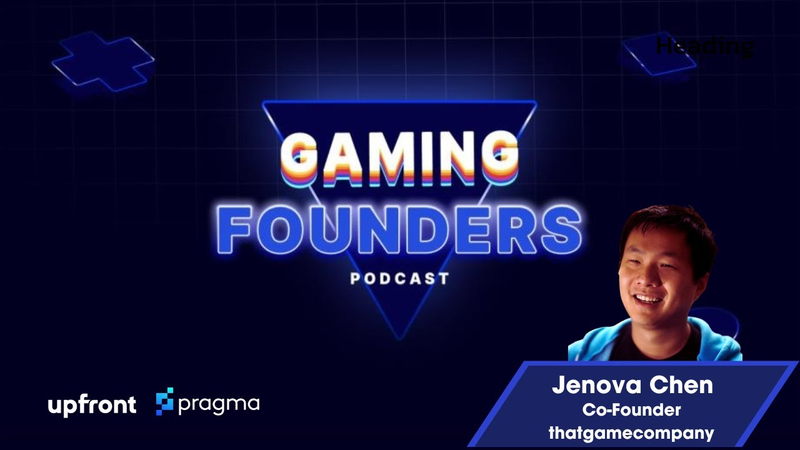




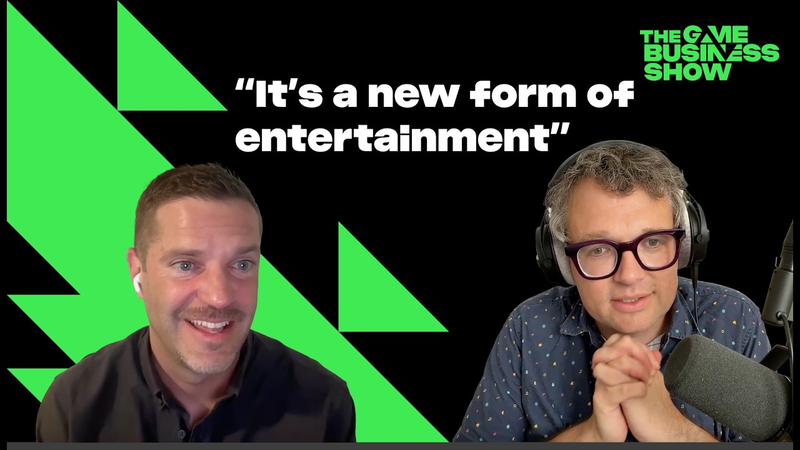
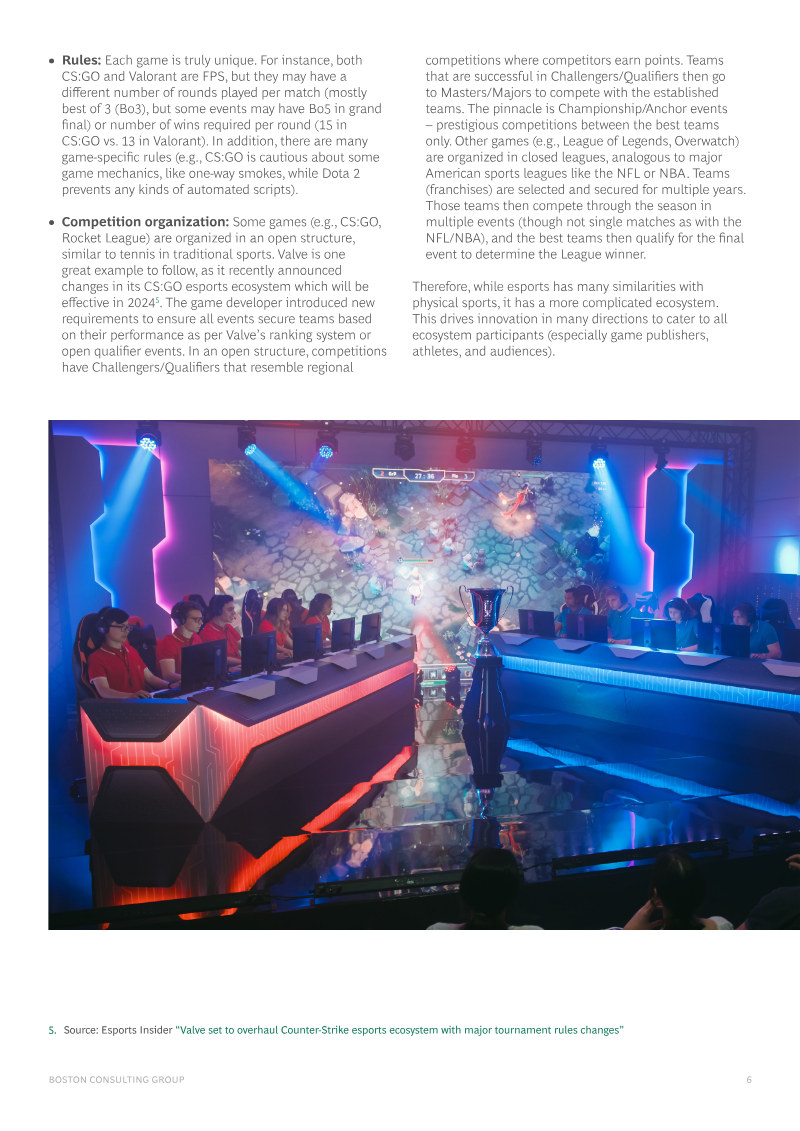
Comments