1 free read left. Create a free account for unlimited reading + AI research.
Create free accountArticle DiGRA
1 free read left. Create a free account for unlimited reading + AI research.
Create free accountArticleDiGRA
Game publications depend on advertising revenue and privileged access to games. The authors call this tension the "carrot and the stick" dynamic.
Game journalism occupies a precarious position between the industry it covers and the readers it serves, and this study examines the occupational ideology shaping that relationship. Its central argument is that game publications depend heavily on advertising revenue and privileged access to games, creating a constant balancing act between reader loyalty and publisher influence. Drawing on the field's history from early magazines such as Computer & Video Games and Nintendo Power, the analysis situates game journalism as an indispensable mediator operating through what it terms "game capital," a resource that publishers grant or withhold. The authors contend that the political economy and ethics of this mediation merit serious academic attention.
The analysis identifies financial dependence as a core source of compromise. Through the dynamic of "the carrot and the stick," publishers influence outlets via advertising spending and control over review copies and information, which tensions with traditional journalistic independence. The market is concentrated among a small number of publishers, and print outlets have struggled as they migrate online. Game journalists increasingly appear to function as mediators of industry value rather than as watchdogs, and the workforce is described as typically young, male, and precarious, with outlets frequently criticized for limited critical depth and commercial entanglement.
A key question addressed is whether reviews actually shape consumer behavior. Evidence from film criticism suggests that reviews of mainstream releases tend to predict box office performance rather than persuade audiences, while critical reception may matter more for smaller independent and less-marketed titles. For major franchise sequels, reviews likely serve as indicators rather than drivers of sales. Despite these hypotheses, direct empirical evidence remains limited. The study concludes that game journalism retains real influence through sustained reader demand for news and critique, yet the reliance of many outlets on unpaid volunteers, combined with unproven empirical impact, leaves its value to the wider games ecosystem an open and pressing question.
Each row is a game or company this document names, each column a document, oldest first. A mark means that document names it. Select a row to see those documents.
DiGRA · 2020
DiGRA · 2020
DiGRA · 2020
DiGRA · 2020
DiGRA · 2020
DiGRA · 2020
DiGRA · 2020
DiGRA · 2020
DiGRA · 2020

DiGRA · 2020
DiGRA · 2020
DiGRA · 2020
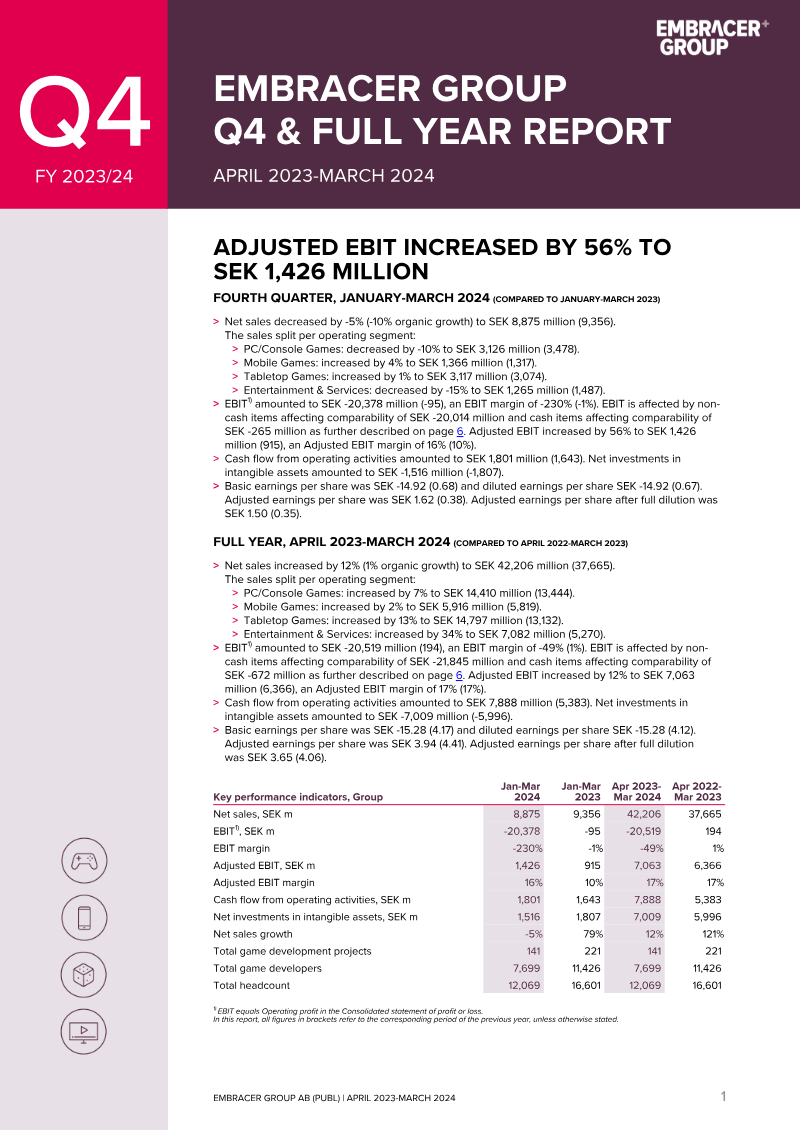
Embracer Group · 2024