1 free read left. Create a free account for unlimited reading + AI research.
Create free accountWhitepaper DiGRA
1 free read left. Create a free account for unlimited reading + AI research.
Create free accountWhitepaperDiGRA
Virtual reality and location-based games offer a promising route for digital cultural heritage, but this document argues that such experiences should move beyond visual reconstruction of sites and instead offer players performative agency in intangible heritage such as rituals and skills. Its central contribution is a classification of gameplay interaction into three categories: documented, speculative, and repurposed. Each category reflects a different relationship between the game and the historical record, allowing designers and curators to weigh authenticity against engagement in a deliberate way.
The analysis centres on the Neolithic Hal-Saflieni Hypogeum in Malta, a site whose undocumented rituals give designers room for speculative, player-driven play, while its physical evidence, including pock-marks, bone and stone tools, and a 1990s geological study, supports a re-enactment of its excavation grounded in fact. A workshop of 18 participants aged 13 to 35, only two of whom had visited the site, produced six location-based game designs. Four were clones of Escape the Room and one reskinned Ingress and Pokémon Go, revealing a strong pull toward familiar genre mechanics over historically grounded ones.
The authors interpret this tendency as an "etic" rather than "emic" perspective, in which outsiders impose familiar frameworks on an unfamiliar culture instead of engaging with its own practices, and they argue that this weakens the cultural presence of the site. Repurposing cultural spaces also risks breaking immersion for visitors who already know them well. Parallel concerns arise in existing heritage games such as Assassin's Creed, which often take liberties with historical behaviour, and in the Senet board game, whose lost rules leave only a "ludic corpse."
The document's core conclusion is that designers should select mechanics suited to a specific cultural space rather than simply reskinning popular game formats. It calls for closer collaboration between game designers and the digital heritage community so that the tension between curatorial preservation and the impermanent, playful nature of games can be resolved in favour of meaningful cultural engagement.
Each row is a game or company this document names, each column a document, oldest first. A mark means that document names it. Select a row to see those documents.
DiGRA · 2022

DiGRA · 2022
DiGRA · 2022
DiGRA · 2022
DiGRA · 2022
DiGRA · 2022
DiGRA · 2022
DiGRA · 2022
DiGRA · 2022
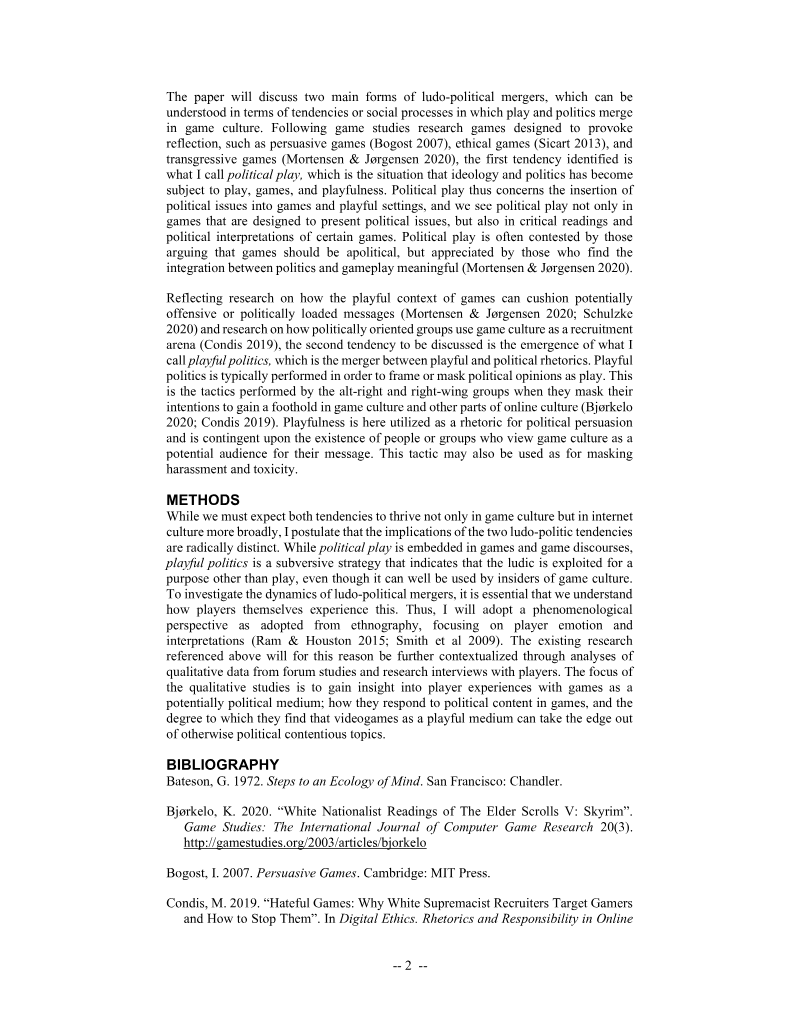
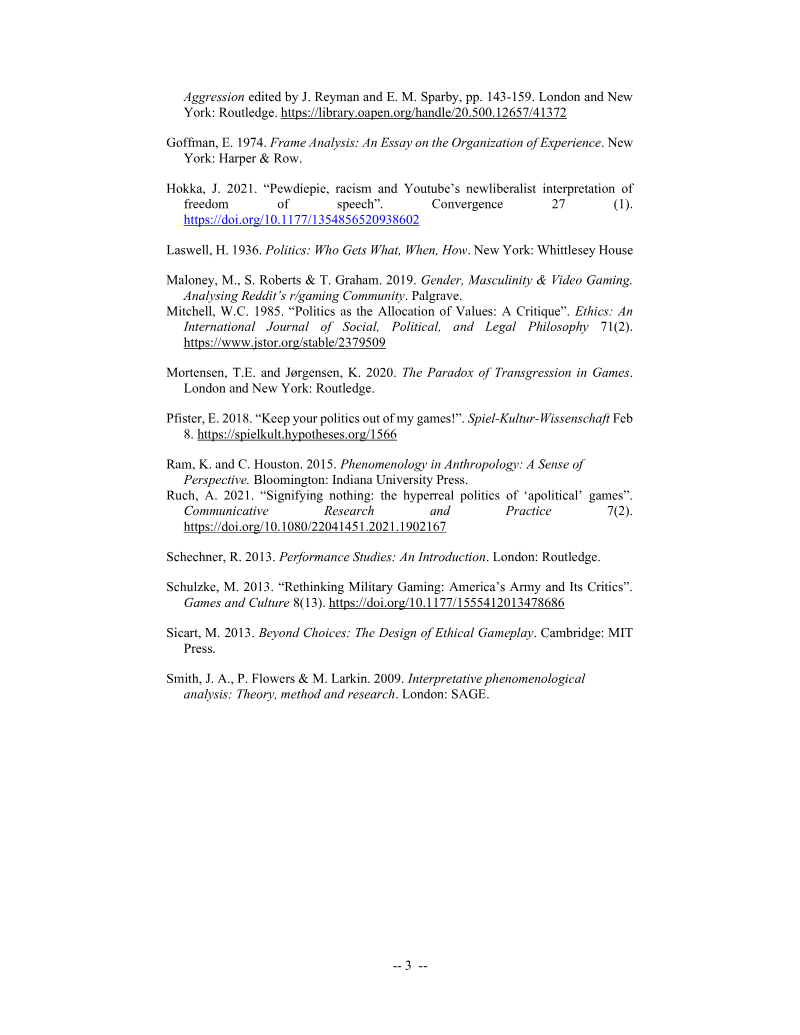
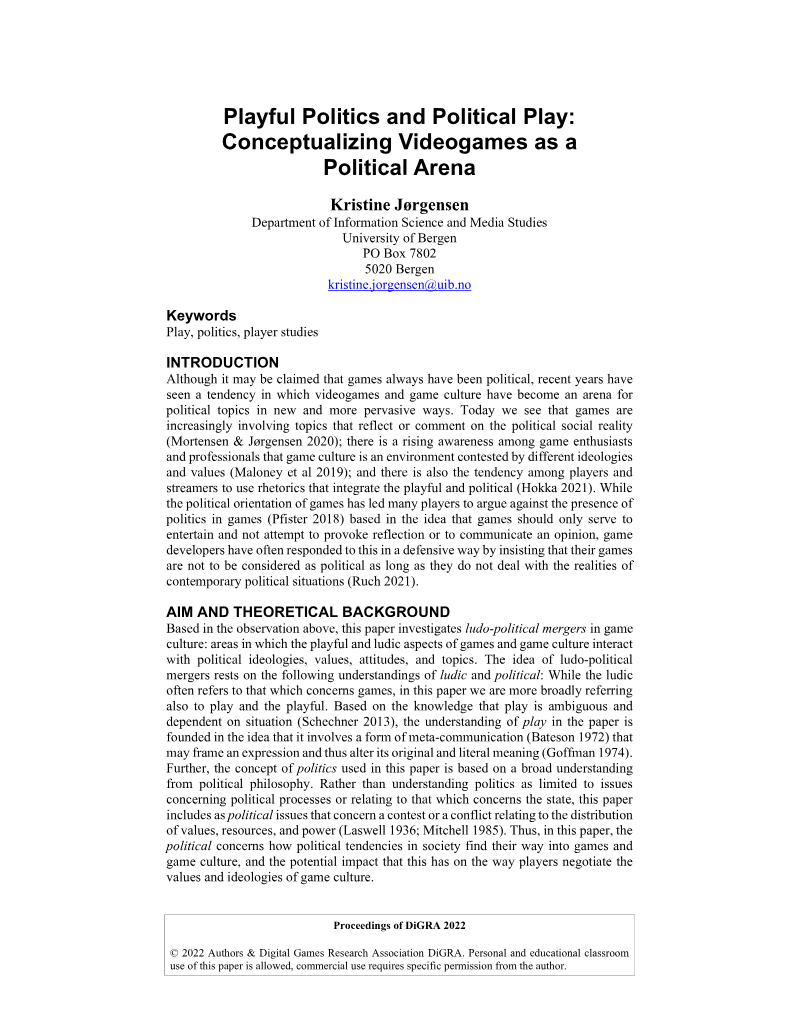
DiGRA · 2022
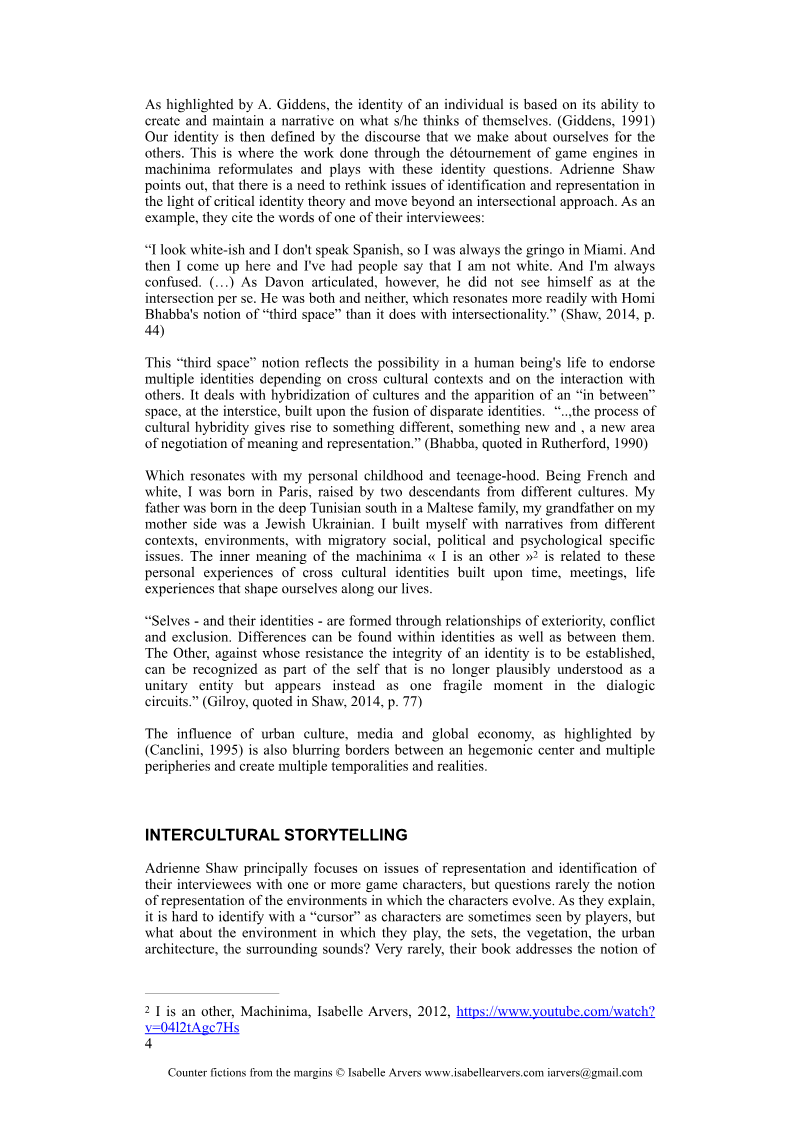
DiGRA · 2022
DiGRA · 2022
DiGRA · 2018