Loading the document
1 free read left. Create a free account for unlimited reading + AI research.
Create free accountWhitepaper DiGRA
1 free read left. Create a free account for unlimited reading + AI research.
Create free accountWhitepaperDiGRA
The Gundam franchise began with a 1979 Japanese TV anime shaped by sponsor-driven toy marketing. The series was cancelled early after weak ratings and later revived through Bandai's scale-model line.
The Mobile Suit Gundam franchise exemplifies a sophisticated application of transmedia storytelling and the Japanese media mix, demonstrating how a blend of convergent and divergent strategies has driven its enduring success. The core thesis posits that while Western transmedia theory often emphasizes narrative coherence across platforms, the Japanese media mix model, as seen in Gundam, thrives on embracing divergent variations, parallel worlds, and even official parodies. This approach has been instrumental in expanding the franchise's audience and extending its longevity, particularly through the strategic integration of digital games.
A key finding is the franchise's historical adaptability, moving beyond initial setbacks in its core Universal Century timeline by adopting a more flexible content strategy. The "Super Deformed" (SD) Gundam series, originating from fan art and toy capsules, proved particularly effective in attracting new demographics, such as elementary school children, and significantly boosted video game sales, with six SD Gundam titles ranking among the franchise's top ten best-selling games. This illustrates how divergent content can serve as a powerful entry point for new fans, subsequently drawing them into the broader franchise ecosystem.
The abstraction of the Gundam robot armor into a near-archetype is crucial to its success, enabling a vast array of narratives, characters, and tones across diverse media. This flexibility is evident in the evolution of Gundam video games, which have progressed from purely divergent SD titles to hybrid series that both adapt existing narratives and expand upon them. This dual strategy allows the franchise to maintain a strong brand identity while simultaneously catering to both its established core fanbase and new entrants. The study's scope focuses on the historical development of the Gundam franchise within Japan, analyzing its transmedia practices and the pivotal role of digital games in its expansion and sustained popularity.
Each row is a game or company this document names, each column a document, oldest first. A mark means that document names it. Select a row to see those documents.

DiGRA · 2026

DiGRA · 2026



DiGRA · 2026



DiGRA · 2026



DiGRA · 2026



DiGRA · 2026



DiGRA · 2026



DiGRA · 2026



DiGRA · 2026

DiGRA · 2026



DiGRA · 2026



DiGRA · 2026
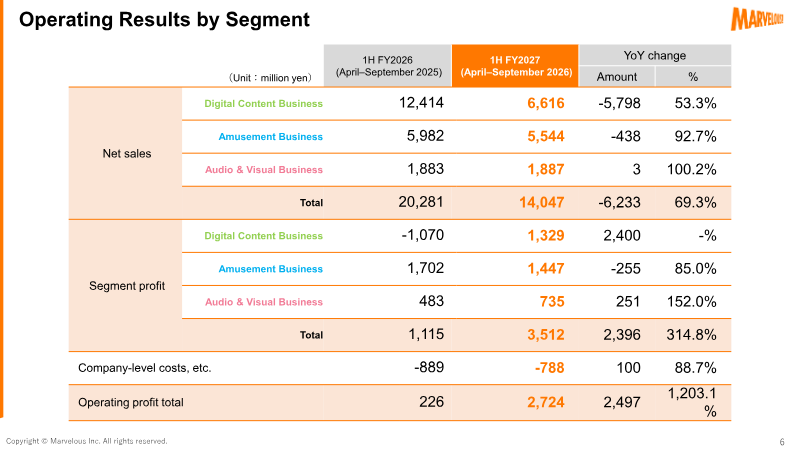
Marvelous · 2026