1 free read left. Create a free account for unlimited reading + AI research.
Create free accountArticleAllcorrect
The analysis estimates 58 million gamers in a population of about 72 million.
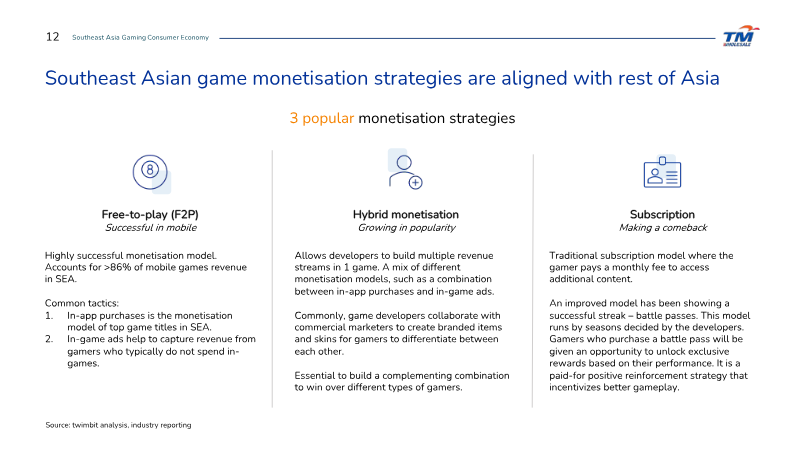
Thailand is presented as one of Southeast Asia's most mature and deeply engaged gaming markets, with an estimated 58 million gamers in a population of about 72 million. The analysis, published by localization studio Allcorrect in June 2026, argues that mobile dominates the market, accounting for roughly 71% of gaming revenue, while free-to-play models account for about 86% of the market. It concludes that Western marketing strategies often underperform in Thailand without adaptation, and that successful entry depends on mobile-first product design, free-to-play monetization, creator- and community-driven discovery, and localization that goes well beyond literal translation.
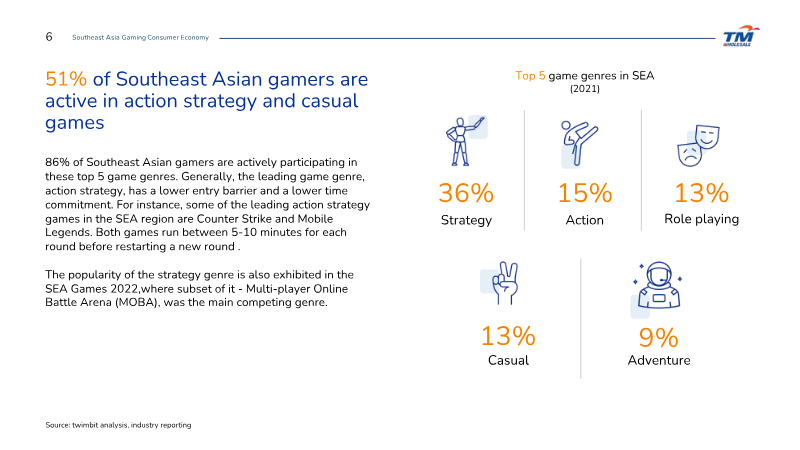
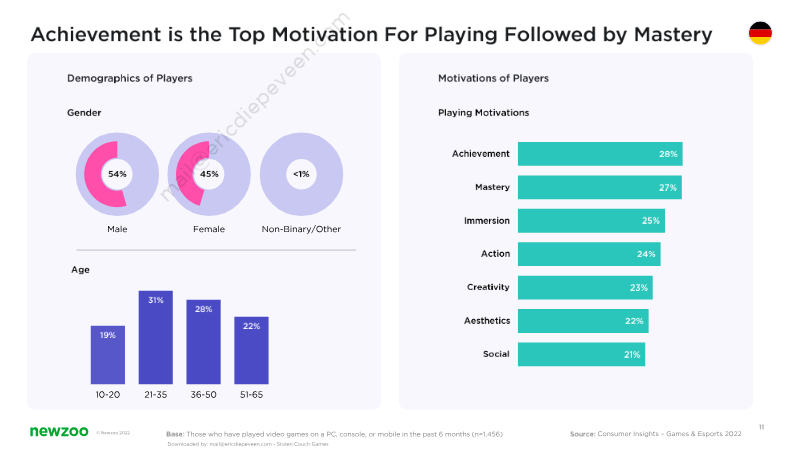
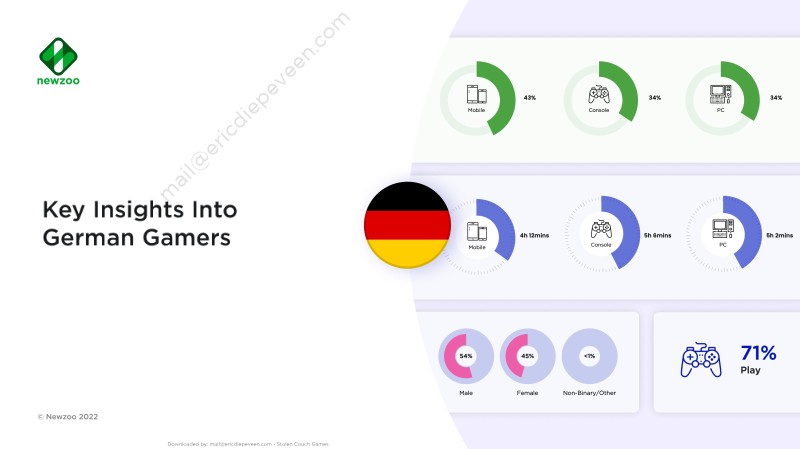
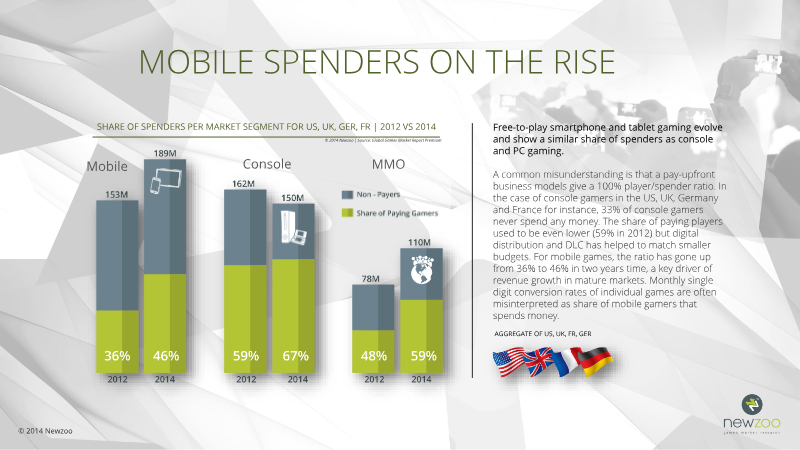
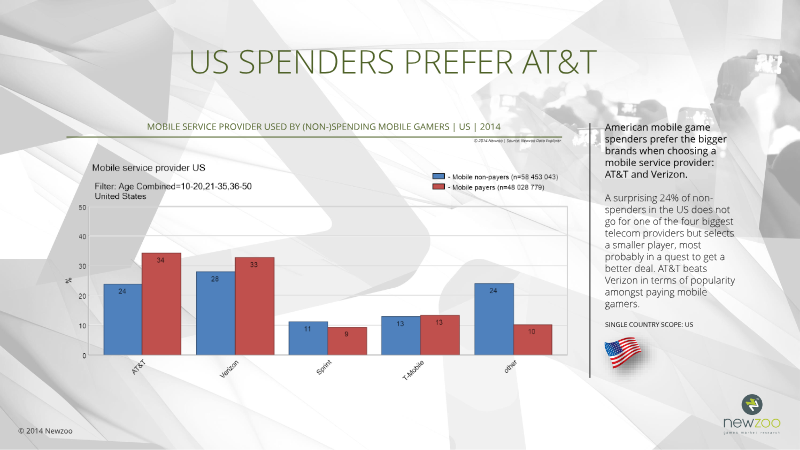
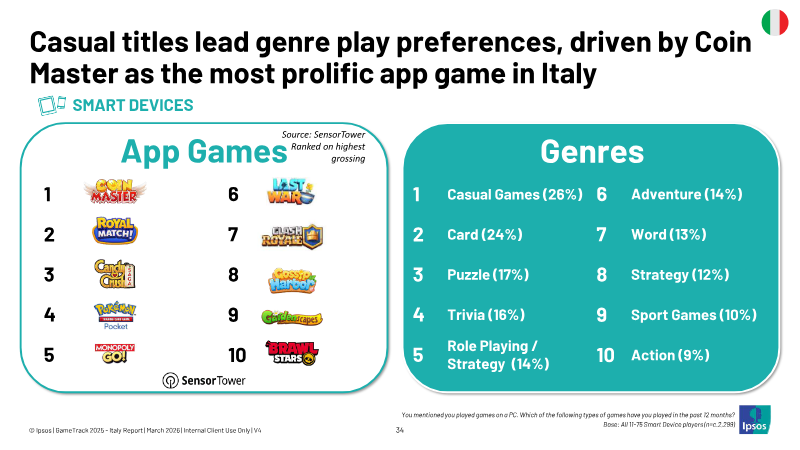
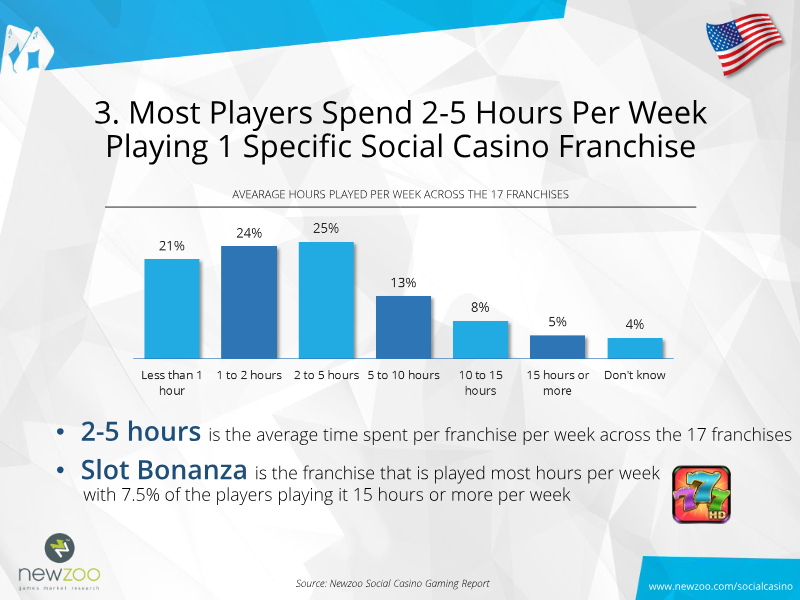
The document draws on a mix of third-party sources, including Ampverse, Niko Partners, Newzoo, Statista, DataReportal, AppMagic, and Speedtest. Key figures include Southeast Asia's 2025 gaming market of roughly USD 6.6 billion, a regional forecast of USD 6.4 billion by 2029 per Niko Partners, and about 82.8% of Thai respondents aged 16 to 24 playing online games according to a 2022 Rakuten Insight survey. Thailand's rise is attributed to high internet penetration and pandemic-era growth, with a shift toward casual titles. Chart data covers player spending, device preference, session length, OS share, and the most popular genres, which the document identifies as RPGs, fighting games, casual titles, and casino/card games. Top-grossing and most-downloaded lists for 2024 and 2026 are also included, featuring titles such as eFootball, Free Fire, Roblox, and Mobile Legends.
The document also summarizes Thai government strategies, including the 20-Year National Strategy (2018–2037), the Digital Economy Promotion Agency's 2018–2022 plan, and the Digital Economy and Society Development Plan, all of which identify gaming as a priority subsector. Its scope is primarily commercial and market-oriented, aimed at international developers and publishers, and it closes with two case studies of Thai localization by the author's firm. Methodologically, it is a secondary-research synthesis rather than an original survey, and several statistics are dated or drawn from varying sources, which limits direct comparability across figures.
Allcorrect
Telekom Malaysia · 2026