1 free read left. Create a free account for unlimited reading + AI research.
Create free accountArticle Quantic Foundry
1 free read left. Create a free account for unlimited reading + AI research.
Create free accountArticleQuantic Foundry
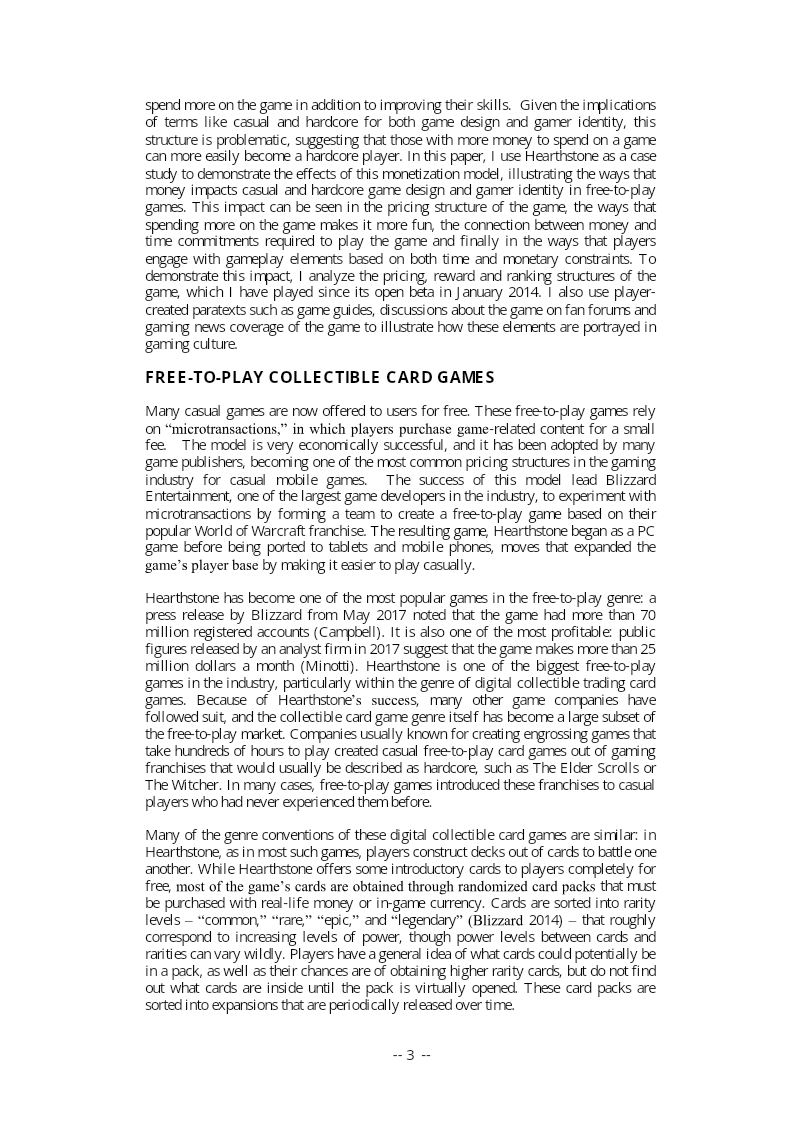
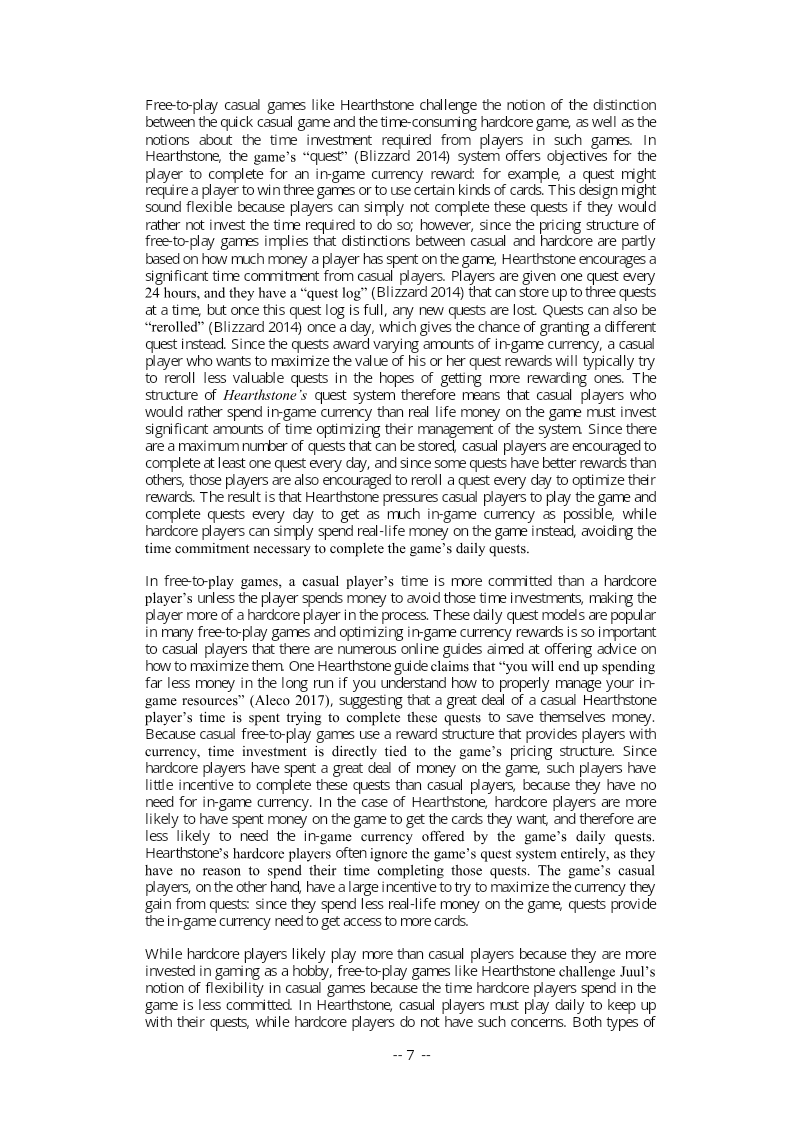
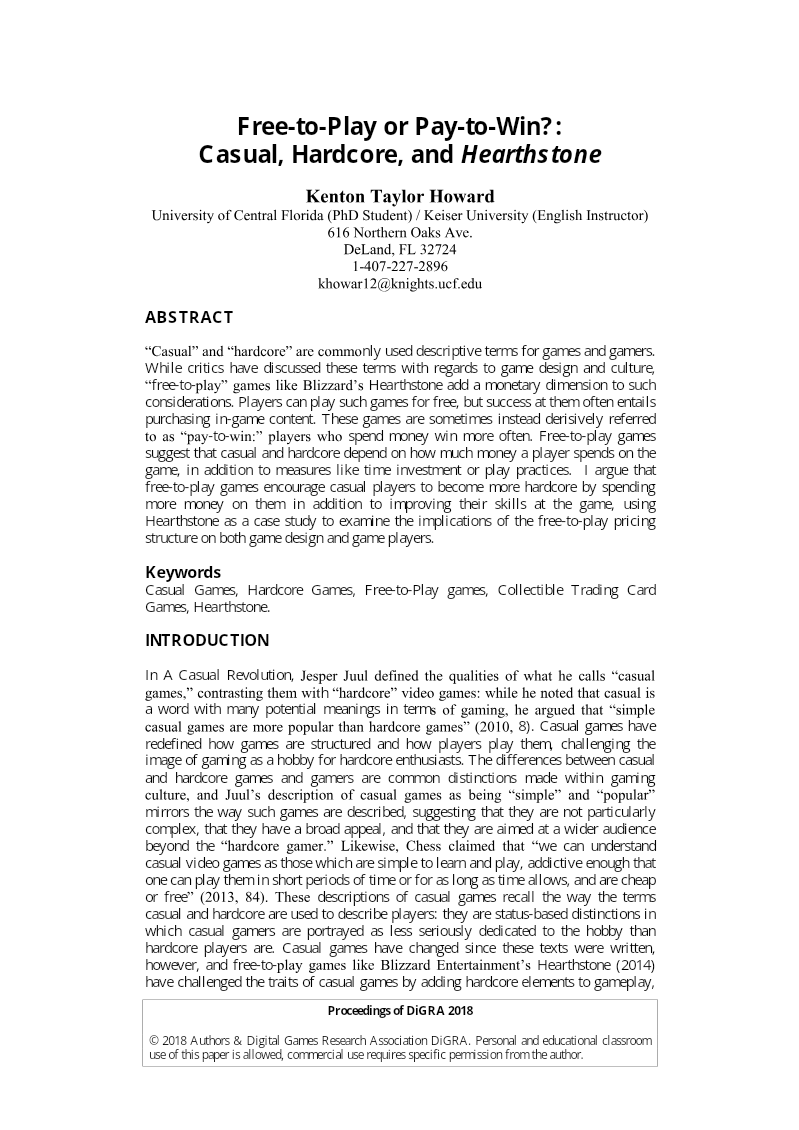
These motivations are statistically clustered, providing a structured framework for understanding player behavior. The model moves beyond simple feature lists to explain player psychology.
Quantic Foundry's December 2015 post introduces reference materials designed to make its Gamer Motivation Model easier to understand and share. Authored by analytics lead Nick Yee, the post packages the model into a chart and a short PDF slide deck, laying groundwork before the company releases deeper findings, including a higher-level visual map of the motivations.
The chart lists the model's gaming motivations in columns and shows how they relate: motivations within the same column correlate more strongly with one another than with those in other columns. It includes brief descriptions of each motivation. The accompanying slides add fuller descriptions along with game examples. The model identifies twelve motivations, such as Competition, Strategy, Excitement, and Social, derived through statistical analysis of how gaming motivations cluster together.
The underlying data comes from the Gamer Motivation Profile, a roughly five-minute online survey. At publication, more than 140,000 gamers worldwide had completed it, and the clustering results were consistent with the company's earlier methodology report. Comment-thread updates indicate the sample later grew past 220,000, with about 36% of respondents regularly playing on smartphones or tablets.
The comments, running from December 2015 to early 2018, add context. Readers praised the framework's practical value and accuracy in describing themselves and friends. Others asked for the model to extend to tabletop games, and for the share of players favoring each motivation. Yee noted that such distributions, presented in a 2016 GDC talk, vary substantially by genre and gender. Responding to a competing 70-motivation segmentation, he argued that long feature lists are easy to generate, while the harder task is finding a parsimonious underlying structure.
Each row is a game or company this document names, each column a document, oldest first. A mark means that document names it. Select a row to see those documents.
Quantic Foundry · 2026
Quantic Foundry · 2025
Quantic Foundry · 2025
Quantic Foundry · 2025
Quantic Foundry · 2025
Quantic Foundry · 2024
Quantic Foundry · 2023
Quantic Foundry · 2023
Quantic Foundry · 2023
Quantic Foundry · 2021
Quantic Foundry · 2021
Quantic Foundry · 2021
Deconstructor of Fun · 2025