1 free read left. Create a free account for unlimited reading + AI research.
Create free accountWhitepaper Australian National University
1 free read left. Create a free account for unlimited reading + AI research.
Create free accountWhitepaperAustralian National University
Code, end-user licence agreements and terms of service set formal boundaries, while player norms, visible reputation and community sanctions fill gaps.
This paper challenges the criminological view that virtual markets are lawless, arguing instead that worlds such as EVE Online are governed through a layered system of formal and informal controls. Code-based restrictions, end-user licence agreements and terms of service set the formal boundaries, while player norms, visible reputation and community sanctions fill the gaps where formal governance is thin. The author's central thesis is that these mechanisms closely parallel the trust, reputation and violence-based dispute resolution found in physical-world illicit markets, making virtual environments a valuable and controlled setting for studying how such criminal groups are structured and how their relationships function.
The analysis finds that developers constrain antisocial conduct largely through code, for example by making private storage inaccessible to other players, because worlds must remain engaging enough to retain paying subscribers. Where harm does occur, in-game consequences such as clone replacement costs and vessel losses convert damage into financial and temporal costs rather than eliminating it. Intent emerges as the critical factor separating legitimate competitive play from harassment. Reputation, signalled through titles, security ratings and symbols, proves central to cooperation and exclusion: isolated players or groups may face attack-on-sight threats, and rebuilding a damaged reputation can be costly.
The paper concludes that the absence of formal governance produces a permissive environment in which violence functions as a dispute-resolution tool, a pattern the author considers comparable to conduct in physical-world illicit markets. Virtual worlds are framed as rational decision-making environments shaped by code, regulatory documents and social controls, in which player roles and routine activities generate recognisable patterns of offending and victimisation. Theft of virtual property through compromised login credentials is identified as a related offence, though the discussion remains qualitative and offers no quantitative measurement of its prevalence.
DiGRA · 2026

Deconstructor of Fun · 2025
Deconstructor of Fun · 2025
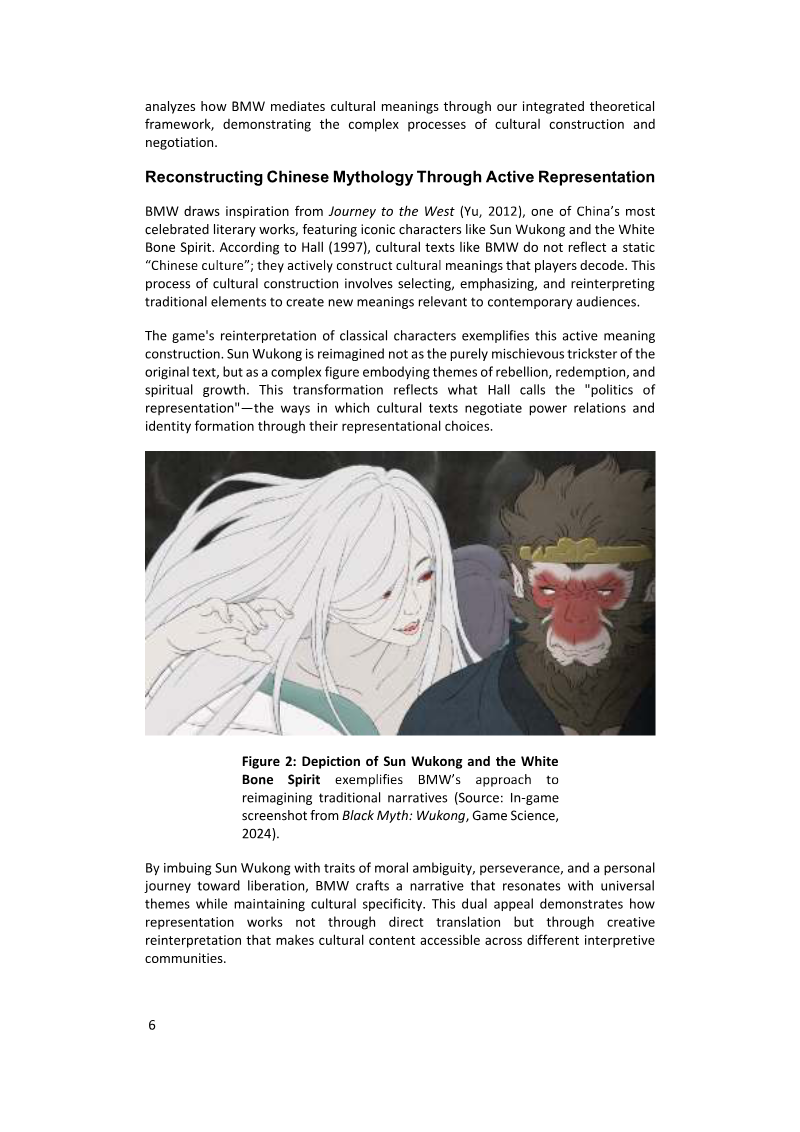
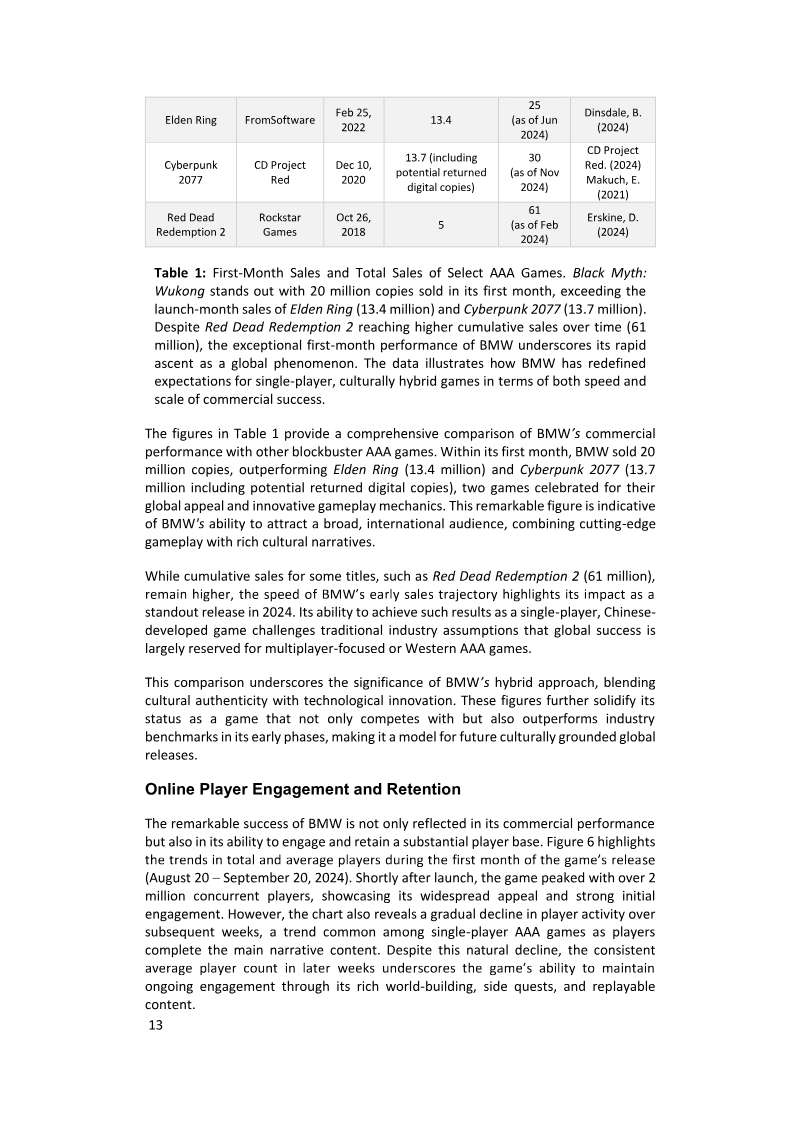
DiGRA · 2025
Quantic Foundry · 2025
Facebook Gaming · 2025

Naavik · 2024
Quantic Foundry · 2021
Game Developers Conference · 2021
PocketGamer.biz · 2020
Extra Credits · 2018
DiGRA · 2018