VideoDeconstructor of Fun
UNCUT: Co-CEO Javier Ferreira and The Scopely Playbook Behind $5B Monopoly GO!
8 May 202576 min video
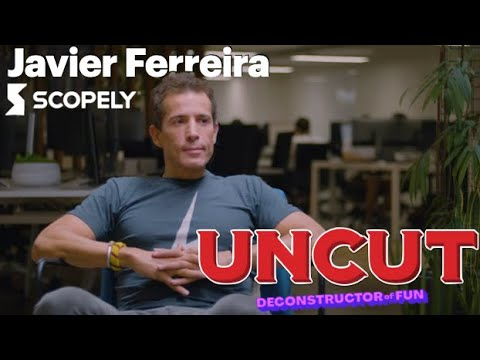
Javier Ferreira, co-CEO of Scopely, welcome to the podcast. Thank you, Mishka. Good to uh great to be here. It's been an amazing journey. We started this off in 2017 and um I think we started with uh 7 to 10 people in Barcelona back in the days and uh I think we are over 800 people now and and and growing. So, it's been an amazing journey and uh Growth. That's uh that's the story of this podcast. It's growth because I was kind of looking at the numbers in Sensor Tower. So, I I looked from the point when you joined Scopely and to last four years to 2023. Yeah. So, just looking at the net in-app purchases and downloads, so Sensor Tower numbers, when you joined, the company was making about 110 million a year in in in-app purchases. Uh in 2023, the number was 2.8 billion. Now, we're in halfway of 2024 and you already crossed, according to Sensor Tower, that 2.8 billion. So, that's uh some hefty growth. And from download
side, 10x growth as well, from 44 million back in 2014 to 460 million in 2024. Now, I think the uh the main question to ask here is like, what makes such a good co-CEO? Well, first of all, I mean, I I I joined Scopely in 2014. I think the company had done about $12 million uh of revenue uh that year. Um uh in 2013. Uh so, uh that's kind of when I started and um yeah, in uh in 2024 now, we are on track, you know, to do well well over kind of uh you know, $3 million of revenue. Uh so, uh it's been a lot of growth. Um obviously, a lot of that uh success is not down to me. Uh uh and uh it's been the amazing work of uh of a lot of kind of um you know, team members and uh people that have brought in.
It's a lot of passion and dedication. I think Scopely has been a very passionate kind of driven kind of enterprise for a lot of people. Um as uh you know, in my role uh and in my contribution, what I've tried to do is um you know, drive the energy and the mood of the company. I think that's kind of really important. Uh what is uh how do people feel uh when they come uh uh to Scopely and um how is the company impacting them, right? Energetically. Uh so, I've tried to kind of uh make sure that I was uh I contributed to that. I've tried to stay, you know, very ambitious in terms of what we're trying to do. Um I think um I think the limit is always defined by by your thoughts, right? Uh so, I've always tried to make sure that uh that we had, you know, really really ambitious thinking. Um but at the same time, I have always tried to couple that with an awareness that um
nearly always, if not always, I'm wrong. Um uh and so are you, and so are you, and so are you, right? Uh and that that we're here together not to uh you know, we're here to work together not to kind of trade opinions, but to kind of uh find um better hypotheses, to grow together. Uh so, I've tried to kind of instill that kind of culture uh and that mindset. Um I think um strategy has been, you know, an important kind of component. I think um I see across the industry sometimes great teams and great people, but without the right strategy, that's that's always going to uh that's always going to be a rocky kind of uh probably unsuccessful ride. Um so, I've always tried to become really very aware of what they what's happening in the industry, trends, what other companies are doing, um and I always try to make sure that we had a a strategy that was differentiated and that that allowed us to, um, to, um, out-execute the market.
And I think finally, I've always been very focused on, uh, building a great team. Mhm. Um, I think talent and talent density has been, uh, uh, a great focus for us a company and for me personally since kind of day one, um, I've seen I've seen what, you know, what an indi- what how one individual can impact a company and I've also seen how one team can impact a company and so, uh, I've always tried to kind of make sure that, uh, that we were, um, building great teams and continuously supporting them and continuously improving them, um, I think the collection of those things hopefully have allowed me to kind of make a positive contribution on on what we've done, yeah. A story came to our mind about Scopely. So, this is we have, you know, we have fans of the show, so they tell us all kinds of thing. You were having a leadership meeting back in the days. I don't know when, I'll say 9 or 10 years ago, and you were debating about whether you should have the offsite in Cabo or something else, somewhere in Mexico. That was almost like a tradition
back then. And the company wasn't doing as well as it is doing now, so the finances are a little bit tougher. And I don't remember was it you or Walter, but some of you said like, "No, we are doing this because people need to spend time together, and even though we're taking a financial risk by arranging a company offsite, you still want to do this thing." So, just kind of going to that energy and mood. I don't know if that's a true story, But but I think I think that's a true story. Uh, I think that, uh, that's probably Walter, uh, that, uh, is being referenced there. And I think, you know, Walter has has also had that, you know, very much kind of top of mind, um, that, uh, he wanted to, uh, you know, he wanted to build, uh, a club, right? He wanted to always build, um, uh, an experience. We, you know, we call ourselves an experience company. And for me, the number one, the most important experience the experience that we are all having. Uh and so, not just about going to winning, but doing something that is meaningful and having fun. So, it's been part of our It's been part of our It's been part of our tenants. You
know, we call it kind of play to win. Yeah, we want to win, but we also we want we want to win by playing. Those are the type of things that you easily forget when you grow and you kind of see people less and you see more numbers and there's more stakeholders and you want to focus on the business, but it seems like you're still focusing very much on on spending time together. You were talking about the offsite that you had in North Spain and so forth. I mean, look, I think I think numbers are just outcomes. Yeah. I think if you lose track of that, uh and you start kind of making numbers your goal, um probably going to work out kind of short-term, but is it going to It's going to work against you in the medium and long-term. Uh and so, uh we're always focused on on the things that we believe, you know, uh lead to outcomes. And by the way, outcomes sometimes don't show up. Uh sometimes they show up later than you expect it. Sometimes smaller, sometimes bigger. Um what uh what I think you can control is uh is the inputs, you know? And uh and uh you know, building a great culture, building a great team, uh having a great
strategy. If those things are in place, um generally, you're going to find success. I want to talk about how you make games, but before that, you mentioned strategy a couple of times. And so, I'm going to reference to something that you said in our last time we spoke on the podcast. That was like 2019 maybe or something. So, I'm going to quote you. Um quote, "The vision for the company has been and continues to be to build the definitive free-to-play games company in the West." And you underlined like that's a vision, but you underlined the strategy quite detailed. So, you said there's three pillars of the strategy. Number one was studio ecosystem, where the studios can build genre-leading products. And number two was building and having a tech platform uh for best possible personalization and monetization. Yeah. And the third element is kind of what you were talking about is that company operating system what you called it. So, iterating processes, talent, culture, and internal experience to operate studios and platform at scale.
How like clearly this strategy has been executed very well. How is this strategy and vision evolving now as you are definitely a definitive free-to-play company in the West but arguably globally? Yeah, I mean I think it's um it continues to evolve um and it continues to evolve driven by I think uh two fundamental things. Um one is the success of the company. Um And so, you know, when you are making a hundred million dollars uh a year uh in uh in revenue um the kind of products that uh that you need to build uh to double your revenues, well, that's a hundred million dollar a year product, right? When you're making multi you know, multi-billion dollars uh uh a year, uh the kind of products that you're going to have to build to kind of drive growth are going to be different. Um and of course the the the stakes also around your kind of black portfolio are you know, very different. So, that's kind of one thing and and the second one
is uh also through the kind of ambition of the team. Uh I think um in this kind of learning machine um terminology that uh that that we use um it is really a kind of cultural tenant and sometimes a cultural tenant can be anti-strategic. Uh I'm I'm or can appear to be anti-strategic, right? Because sometimes yeah, throughout all of this journey sometimes people have said to us, "Well, why don't you just focus on what you know how to do?" Uh right? And that that makes a lot of strategic sense. Uh I I get the strategic sense uh of of doing that. But we've always been much more interested in learning and always operating in the right you know what I call kind of sphere of incompetence in the right level of sphere of incompetence. You got to know how to do a bunch of things but you also got to be operating in areas where where you just don't know and you have to learn and you have to grow into that. So I think right now we are you know we
we have you know built one to point I think one of the most important kind of companies in the mobile free to play game space but there are you know parts of the industry that we still want to kind of you know make more inroads in. I think our games as a service and free to play is a beautiful and highly sophisticated and complex merge of kind of art and science and we're still learning on both the science and on the art side of things. We want to make games that reach more players. We want to grow our revenues. So I think we are there's no kind of an inflection point in our journey but certainly we continue to be on that journey and and the team is motivated to kind of continue to climb higher and do better. Is so is the vision well the vision is probably different now like you're not only trying to be in the West right or and because you're cross platform already Stumble Guys is on all the consoles. Yeah yeah so you know we have again we we see we see this as a kind of as a
journey of growth and learning you know and so we've we've taken now Stumble Guys to to consoles. We are on two out of the three consoles and and hopefully soon we're going to be across across all consoles and you know we've learned a lot we found a lot of success on on those platforms so far you know but I don't think we can say that Scopely is is a dominant kind of you know triple A big screen free to play games publisher. Um, and uh and we are motivated to kind of grow in that direction. By the way, not not because the screen is bigger, but because there are millions of players, you know, uh that that you can reach. And also, there are really cool and interesting games that you can build, uh you know, for those audiences. And we have a lot of people at the company that are excited to do that. And uh And so, we are building a lot of infrastructure, a lot of capabilities, a
lot of know-how. We're learning. We are learning by success, by failing. Um But certainly, we are going in that direction. I think over the next couple of years, you're going to see us being much more active uh on that on that space. And so, when I think about the company, the business that I think we're in is games as a service, free play. Uh that Those are the kind of two things that we believe in. Uh um You know, we think free play is an amazing discovery kind of a tool. It allows players to uh find the game that is kind of perfect for them. Um and uh you know, it allows us to uh you know, to build a business that is driven by engagement, by making the game better every day, and uh being on that uh on that kind of flywheel that is creatively exciting and a great business as well. So, while there's a lot of uh traditional triple A developers that are kind of backtracking their games as a service strategies, you're more bullish on it and and entering. Yeah, absolutely. I think it's And I think it's um
I think it's the kind of it's the I don't want to say it's the future of kind of entertainment cuz that sounds a little bit too visionary, but I think it allows you to The way that I think games as a service is it's the business is built on listening to your players. So, you kind of you put the game uh in the hands of players, and players are speaking to you. You know, they're speaking to you through how like through you know, through how they interact with the game, what they like, what they engage with, the updates that they love, the updates that they don't love, what content that we need to pay for, what content they don't really like. Um And if you are smart kind of game developer, you listen to your players. Turning those kind of uh you know, and turning that into insights. Um from insights into product experiences and from product experiences back to the player. And if you're able to do that, then what happens the game gets better, players love it more, and you keep growing. So, I think it's just a such a kind of perfect model uh of engagement between the game developer and the player that uh I think the world kind of utilizes. It gives you a huge competitive advantage over over anything
that is that is not that. Especially if you have great studios, the tech platform that allows to get all that information Correct. and you iterate on your processes, the talent, the culture, the internal experience side Yeah. That's what really company is. Yeah, it all kind of comes together, right? I mean, I think um and we've talked about this internally a lot, right? When you think about the success that we've had with uh with with Monopoly Go, um it's all of those things coming together, right? It's all of those things kind of coming together uh and it's what we learned when we did uh Star Trek and you know, what we also kind of uh built uh through WWE, Wheel of Fortune, Walking Dead, and all I'm going to play Gummy and all that kind of tech platform uh and uh um you know, how we iterate on our green light processes and how we were able to kind of augment the studio ecosystem of Monopoly Go through all the BB kind of practices that we had kind of built uh over over the years. So, it's not just it's not an accident,
right? It's the collection of capabilities uh deployed against uh against the market, you know, hopefully in in in ways that are better than when we spoke in 2019 and and I think they are, as you can see by the outcome. Yeah. So, one of the things you last referenced in the previous podcast is is you talked about Scopely being a learning machine. You kind of referred to that multiple times. What goes into that and how do you really implement that type of a culture where you create a learning machine? Because to learn means you have to accept failure. Now, And you have to be um patient. Yeah. Like how do you how do you build that type of a culture? Yeah, I mean, I think look, I think this this people um people love their opinions. Yeah. And then we all like to kind of agree with ourselves, you know? And so if you want to kind of uh drive a kind of culture of learning, you are fighting gravity. Like you are fighting the kind of natural tendencies that uh that uh that we all have.
Now, we we try to have uh um uh an attitude of kind of truth seeking, you know, where where it doesn't really matter um hierarchy uh uh uh it doesn't kind of uh the the the the goal here is for not for you to tell me, "Hey, I got this. I know exactly what the answer is. Uh trust me. Da da da." But it's much more about uh you know, what I have doubts uh and I don't know exactly how we get from A to B. Uh how do we do that? Uh and uh and with that kind of inquisitive kind of mindset uh and that openness to I don't know. Um uh I think uh that's kind of where the real kind of interesting kind of conversations uh start. And so we try to model that uh as uh as leaders within the company. Um You know, we didn't know how to build this company. Yeah. Uh we didn't have a kind of blueprint. Um and I don't think we ever going to
represented to our teams that we knew. Uh what we represented to our teams is that we had the desire, the conviction, the passion, the resilience, the drive, the commitment. Um And you know, together we've been on this journey where where we start with we don't know. Uh and generally when somebody starts at Scopely with I know, that suddenly raises, you know, raises it's it's suddenly raises my antennas and uh, and um, it's a red flag for me because um, certainty um, is uh, is dangerous. And as I said before, um, everything that we thought I believe that Scopely has proven to be either false or imperfect. Uh, and so let's start with that kind of uh, the with that kind of internalisation uh, and then we can kind of work from there. Web stores. You've seen what good looks like, but have you seen great? Appcharge is the direct-to-consumer platform backed by the likes of Supercell and built by monetization pros from Moon Active, Plitika, Huge Games, and others.
People who know the difference. Appcharge powers over half a billion dollars in transaction a year for top studios, optimizing every detail. Deeply personalized web store offers, custom-made design, industry-leading monetization features, in-game payments SDK, and more. 70% of top-grossing games already have a web store, but the ones scaling fastest, they're doing it with Appcharge. Learn more at appcharge.com. Yeah, exactly. Yeah. I mean, hindsight, maybe the shareholders would have liked to launch this game globally before the acquisition cuz with these type of acquisitions, as we were very well aware, there's many acquirers at the same time. Yeah, I doubt that Savvy was the only one knocking on the door. Yeah, no, there were there were there were multiple, but um, I think um, of course, first of all,
hindsight, you know, who knows. Uh, how It's great and nevertheless Yeah, yeah, but I think I think everybody felt that that the outcome was a great one for for for everybody. And I think when when people feel great about the outcome could the outcome could have been better? Who knows? Maybe. But but I think everybody has felt really great about the journey that they've been on at the at the company particularly our investors I think have have all that way about Especially since because had they acquired like had somebody acquired a company that has a booming product then they expect that product to grow. Now they acquired before that the biggest product launched. So now it's kind of all on the bonus and you don't have the same type of pressure. But there is pressure but you really out delivered. We are we So pressure comes The pressure we put the pressure on ourselves always but yeah I think as I said the best type of acquisition is one where all the stakeholders are happy and I think that's exactly what we achieved. Um I have a couple of questions but not let's let's talk about the games a little bit more before the acquisition
part because Scopely has acquired a ton of studios as well. So that's an interesting to hear but but I wanted to ask about like Monopoly Go has an IP then we talked about Star Trek, there's Yahtzee, Scrabble, Walking Dead damage yeah multiple different games they all have great IPs. Now I'm just thinking about all the IPs you have but but like what makes Scopely so good at working with IP because clearly this is the pillar of your strategy is to work with big IPs. Today's podcast is brought to you by AppsFlyer and inviting you to dive into their new first of its kind report the state of creative optimization 2025 edition. It's not about how to make creative it's about understanding what makes users actually stop scrolling and what emotional and psychological triggers drive performance. Based on over a million creative variations and nearly two and a half billion dollars in ad spend the insights in the report will help you develop a winning creative strategy.
Check out the link in the podcast description below or go Go appsflyer.com and search the state of creative optimization. That's appslar.com. Yeah. Yeah, of course it's not um it's not the IP, right? Uh that uh that uh that does the work. Uh you know, as an example, there was a Yahtzee game uh before we launched Yahtzee. I think uh the game was doing uh um $100,000 a year. I did that and obviously against that multiples of that at a day, right? Uh and you can say the same with kind of Star Trek, Walking Dead, and and and and others, right? Uh But um I think it all kind of starts first with of course choosing the right IP. And with IP, what we've always focused on is the audience kind of component. Um and when I say an audience, I would even kind of take it further and I would say a fandom component. Because there are
there are for example, IPs that might be very well known. Um But there's no real fandom. And when I say fandom, I'm talking about the desire to exist in that universe, uh um you know, for long periods of time, hopefully with your friends and family, right? Uh And uh for example, a lot of movies can be huge, right? And they can be huge IPs, but people don't really want to spend time in those universes. Like Hunger Games. Yeah. Exactly. Yeah. So uh we've always tried to kind of look for IPs that uh have this kind of fandom appeal. Um That's the first thing. And then the second thing is are you building the right game you know, for for for for that IP? Uh so for example, you can get Star Trek, but if you make uh you know, Star Trek match three game, I I I struggle to think that you're going to be successful. Uh and so you got to kind of couple uh that uh with uh with the right kind of product strategy. And I think we've always uh been very
deliberate not in just, "Okay, we're looking for fandom, but also we are going to service the fandom, right? We're not just going to going to make We're not going to write the IP, we're going to make the the game that we think the fandom wants the most. So, for some of the case of Star Trek, we thought that the fantasy of Star Trek was to be able to live in that galaxy and to kind of conquer the galaxy and to kind of enter into alliances and kind of fight other alliances cuz we thought that was kind of the the the the you know, the cool fantasy of of the IP. So, I think that's the second thing that uh people don't nail and that can go down well. And the third one is um even if you get both of those things right, you are still at a zero. You're still at the beginning. Um and uh you got to make a great game. You got to make a great game. Um having an IP and the right kind of product strategy supports a great outcome. That's not necessarily It's not necessarily It's not sufficient uh to deliver a great outcome. I think historically uh sometimes I think studios and the game industry sometimes
have seen IP as a shortcut. And I think uh generally our experience has been that to get it right is more like a long cut, you know? And that uh and that you need to get a lot of things right, you know, for example, in the case of Monopoly, um well, uh what is that as a free-to-play game, you know? It's like we needed to kind of invent that uh we couldn't just kind of say, "Oh, we didn't just want to make put the Monopoly board game uh on a phone." We wanted to put the fantasy of Monopoly on a on a kind of uh on a free-to-play game. So, um we've always been very patient and very deliberate in making sure that uh we got the right kind of fandom, you know, that uh we we had a great product strategy, but that we were also kind of building, you know, a great game. And uh I think when you when uh we've uh been successful across on both three pillars, we've we've always found you know, a lot of success, yeah. And since you've delivered consecutively for these top IPs, it's probably easier for you to sign almost any IP now because you were, you know, looking at Hasbro
numbers, a great partner for any IP licenser. Yeah. Yeah. Yeah, it was you know, for example, in the case of Hasbro Monopoly's The Crown, you know, and you know, the jewel in The Crown. Yeah, it's it's it's their it's their one of the most important IPs, I think, within the Hasbro kind of board game family, right? And so we didn't start with Monopoly. We started with Yahtzee, you know, and with Yahtzee we built a digital games business that was way, way bigger than the actual Yahtzee business that they had, right? And so we built that relationship, and then we went and we did Scrabble, and then we did Monopoly, you know, so it's it's about it's about kind of building those relationships. But it's really about building the trust, you know, with the partners, and as you build trust, they allow you to service those three three pillars that we mentioned kind of better cuz sometimes they also have their own kind of, you know, perspective, right? Yes. And I think the other thing that uh we've we've managed to do
um I think very effectively, and I think this is credit to our kind of BD and kind of corp dev organization. You know, we've been trying we've we've tried to kind of we've been able to structure the deals um in ways that are supportive of the outcome because sometimes also with IP deals, one of the dangers that you have is that the deal structure can be a negative to the outcome of both parties, by the way, right? Um and and this is counterintuitive, and I'm not going to get into the kind of ins and outs of exactly how we structure the deals, but I can tell you that the deals that we do today are very, very different than the deals that we were doing in 2014. And that's just because as we had built these games, and then as we have launched them, and as we have seen what was happening, and what the game needed, and what the P&L needed, we've been able to work with our partners to make sure that the deal structure supports the outcome. And and supports maximizing the outcome. And when you maximize the outcome, then everything everybody's always, you
know, very happy. And as we have seen, you know, Yahtzee we launched Yahtzee in 2014 and 10 years later still a huge franchise and generating great royalties for Ganova for Hasbro. Why? Well, because obviously at the moment that there's been a lot of great work happening on uh on on the Scopely side, but also, you know, Hasbro has been, you know, has been kind of partnering with us to make sure that that partnership allowed for that level of investment and for that type of long-term thinking. Yeah. Yeah, the the IP the the deal making is is a tough part. Like even going back to your Walking Dead game, I think you made a game as an example of a of how, you know, tumultuous this can be. You made a deal with with the um I think with the comic book. And then at the same time AMC made a deal with another studio that was based on the TV show. And both of the games come at the same time. Both are RPG games. Didn't know that they were being developed at the same time. So, kind of all kind of
the challenges that could be. Yeah, we we knew we knew that it would be the that game was kind of being developed. And and then again, it as I said, it comes down to that's just, you know, the IP is just kind of one component, but then ultimately is how good is the game? And then how much are you investing in making it better? And I mean when you kind of uh uh investing in marketing, are you thinking about a six-month horizon or are you thinking about we're building a business for the next 10 years? You know, so all of those things kind of matter. And I think uh uh we've brought I think a sophisticated lens to a lot of those kind of uh conversations or horizons. Uh and um and that has allowed us to kind of find a lot of repeatable success. And that gradual approach as you said, long-term partnerships with IP holders where they have trust towards what you're doing. And also as I said as we said before, you know, uh uh you know, the learning, you know, um uh Walking Dead was uh
you know, Scopely had never done a mid-core game. Yeah. Never. Uh and uh I mean when we were developing that game, a lot of people were telling us that uh it was not going to be it was not going to be possible for us to kind of make make the mid-core game, but we you know, we learned and we figured it out and then that was a great success. But then we took that and then we made Star Trek and that was a much bigger success. And then we took everything that we learned on Star Trek and we took it to Monopoly Go and that's been a much bigger success. So, it's also all of these things compound over time, you know? Do you see your Scopely making a a game with its own IP? Yeah. Yeah, we are we are kind of uh you know, we are uh making right now a number of games uh you know, with uh with uh with our own IP uh and as well as we have a number of games development uh with uh strong kind of partners. Uh For me, um I would never really thought about the business in in in that way and I know it sounds maybe kind of counterintuitive looking from the outside. Uh for me, it's always about um
we got to build something that uh that is really going to resonate in deep ways with uh with the audience. And and the audience needs to have a magnetism towards discovery of the experience. Of course, the IP helps you with that, right? But the really the problem that we're trying to solve is that. And so we have a lot of you know, a couple of kind of great teams within the company that are that are going after answering that kind of question uh through original IP, for sure. One thing that I'm when I'm thinking about like if there's one adjective to use with Scopely, to me it's um I would say tenacious. And it's because of the way you've launched your games and developed them. So, like using let's say Monopoly Go as an example. To my understanding, that game had quite of a big of pivots from like what the original concept was when you really worked on it. It wasn't quite there. Then you tried something new. I think that was in Massimo's interview. Uh and that has seemed to happen with a lot of your different games where the
soft launch period is really, really long where you're just trying to figure out like how the you know, how to make it, how to launch this. That's not typical. A lot of companies, you know, let's let's let's say the example was Supercell kind of celebrating the the moment they kill a game. Yeah. Where you're like to me it's just like like work like turning all the rocks, changing teams, changing everything just to try to launch that game. And if after all of that it doesn't launch, then fine. Then you're killing it. Yeah. So, can you kind of walk me through from your perspective because especially working with an IP, there's a minimum guarantees, there's the IP holders, there's all that stress coming from the outside, there's the stuff internally where you see that the game is not pulling anywhere or it's not delivering what it should be. There's years in development. Like, how do you have those difficult conversations? How you justify investing more where you kind of don't see the results from it and you have the pressure? Yeah. Look, I think um we're never surprised by failure. You know, we expect it, right? I think
this is important. This is a kind of important concept. If you think that you're going to make a game and that is going to be a journey of success, then do not like abandon abandon that journey. You know, cuz you're going to be disappointed. Um Game making is uh is a kind of process of discovery of dead ends, of failure, and iteration. Um and so, I think this is important, right? Um because it it creates a framework uh uh that is we do not measure the the potential of a game based on where it's at at any one particular moment. That is always succeeding. Well, we know it might be succeeding right now in the development cycle, but in 6 months from now every single game that we have kind of made has gone through a you know, every successful game that we have made has gone through a kind of you know, what we call the kind of dark tunnel kind of period where it feels that there's no you know, light at the end of the tunnel. Um So, making sure that that's the
expectation that we all have. That is the game team needs to have that expectation. Uh but also the rest of the company. Uh because you know, um within a company like ours, people have an opinion. Well, we should kill this game. We should invest more in this game. This game has massive potential. This game is going to is going to kind of win. This one is going to fail. And I can tell you that in Monopoly Go, um that debate was always alive, you know, and that did 100% of the company believe that game was going to be successful? Absolutely not, right? So, making sure that we all understand that this is not so much I think for me game making is a process of conviction. It's about building conviction. And and having the resilience to kind of follow your conviction. And so, how do we kind of build that conviction? First, do we believe in the product strategy? Like do we think we have the right kind of product strategy? And in the case of Monopoly, we always
thought that we did. Uh for some of the kind of you know, reasons that we have discussed before around the kind of power of the IP, the kind of the desire to see that game as a kind of live service in mobile which had never been done, right? So, that's the first thing that I focus on and that we focus on. The second thing is the team. Do we believe in the team? I think this is this is kind of really important because great teams do some great things and they also did some stupid things. Uh and uh and it happens to all of us and and of course I include myself in the in the doing stupid things part of things for sure. But if you if you if you believe in the team then then that builds a lot of kind of conviction. I think the third one and this might be the most important. That's the game team believe in the game. Mhm. Now, this is very difficult one to ascertain because the team has always
a bias to tell you that they believe in the game. They have a bias, right? They they They jobs. Yeah, they jobs, dynamics, reputation, all kinds of things. Uh So it's something that you have to investigate and research and it's not easy to surface. Uh But uh but when you do when you find that the team is great and that great team of truly exceptional people still believe on the on on what they're trying to do. Uh that to me kind of uh you know builds builds a lot of conviction. Um and by the way when you don't have that conviction with a team that doesn't have that conviction, that's when that that's when for us has been the biggest trigger to kind of abandon abandon a project. Uh Now if those three those three things are in place um what you just need is time. Just need time. Um and now time's expensive. And sometimes can be and times can be Yeah, time sometimes can be painful as
well, right? Because investors uh uh the market, the IP holders uh uh nobody nobody wants later. Everybody wants now or yesterday, right? Um And so again going back to the kind of what is the responsibility of the leadership team and of the CEOs? Yeah, you got to protect the organization from pain. Uh and uh and sometimes that's not the most fun thing to do, but that that's that's what we that's what we try to do. And so we try to make sure that we give our teams the time and the space to, you know, to continue on their journey. And uh if we believe in the product, we believe in the team, and the team believes in the product every single time that we have done that, time has been our friend. And the problem is that when you're on the journey, time feels like your enemy. Yeah. You know, but ultimately time turns out to be your friend. Hey, are you building a game, launching an app, or considering
an acquisition? Well, in that case, Deconstructor of Fun Consulting is here to help you out. We do everything from market research to go-to-market strategies to live ops optimization and due diligence. We're trusted by some of the most beloved game development companies, makers of tools and tech, as well as some of the most renowned investors. Now, if you are building, launching, or buying, don't do it alone. Do it with us. Connect by emailing to [email protected]. I'm asking this question because a lot of time people don't understand the role of an executive in this in these situations because if you don't do anything and this game ends up burning in in development a ton of money, the IP holder is not happy, nobody's happy, the team is not happy, team team leaves, and so forth. It becomes a disaster. Yeah. Like in all possible way. If you haven't done anything, that's your fault. And that's why the the the
question is about like when do you intervene and how do you intervene is a very interesting one because if you intervene too early, you might be the fault of why it failed. If you intervene too late, again, you're it's your fault. So it's like the question is more is like what is the right time and the right way to intervene. I intervene all the time. And I think um but I I don't intervene and I think we try to kind of create a process in forms where not just myself but other people intervene all the time. But but um the the intervention is not top-down. The intervention is not I know but the intervention is more hey team do you have the right product strategy? Next Monday is is the product strategy we get and next Tuesday uh you know what about what about your team? Is it really good? I'm not sure that that that that this person or what about we we still have a gap here and then on Wednesday you know
it's about tell me how you feel about the game. What are your concerns? What are your fears? And so it's not it's not like oh we going to a grand green light meeting and here comes a kind of a couple of kind of executives saying oh we like the game or we don't like the game. It's kind of ongoing intervention but the intervention is not in the service of our opinions but in the service of some core beliefs that we collectively hold, right? And it's about kind of questioning all of us, you know, questioning ourselves all the time. Do we have the right answers for those three things? And if we do and we never do, right? That that the answer is always getting a little bit better getting a little better. That's that's that's for for what what for us kind of intervention is. Because generally when when um um I think maybe I would add the fourth one which is I said that that protection uh for the team because people who are not close to the team have their own opinions, right? And as I said before 50% of Scopely at some point would have maybe said what are we doing with this Monopoly thing and the other 50% would have said this
is the best thing that's ever happened to us. Then you have the IP holder, you have you know all the stakeholders and so making sure that intervention is also about mostly about protection. But to me it's not about touch points, it's about iterative process of us working together Uh as the CEO or as the co-CEO, I bring I don't bring truth, but I bring a different perspective. Uh and uh what do we always demand from our teams is that they need to be open to those kind of different perspectives, right? I I see that different perspective that allows me, you know, in that from that perspective from where I'm kind of looking at things, there's some things that I don't see. And I'm not well equipped to have an opinion about those things, but there's other things that I see better than anybody else. And so, they also need to be open to that kind of perspective. And I think that's a really important point because you're talking about your relationship with the with the GM in this case. And and there's um like what sometimes developers don't understand is the role or responsibility. So, you are responsible of the commercial success of the game
just as much as they are. 100% And the role of a GM is not only to lead the team, not only to have the right product strategy, the right team, um and create the belief inside of the team, but the role of the GM is also to make sure that you share the same belief in in what's happening because you are responsible of it. It's not like we're going to go into this room, don't talk to us for the for the next until the next green light. It's like everybody is on edge because this is everybody's responsibility because when this game succeeds, everybody succeeds. Yeah. But when it fails, everybody fails. Not just the game team, but everybody. You're kind of like instilling that. Yeah. And and you know, I think you were kind of maybe alluding to it before when you were talking about kind of corporations, right? Um We We want people to have a lot of ownership and autonomy. Yeah. But only through the lens of we are we are in this together. Yes. Okay, we're in this together. We've never kind of allowed GMs of game teams that are saying, "We're doing our own thing. Leave us alone. We have no interest. Whatever." We think that's kind of really toxic and
not conducive to kind of long-term success. So, yes, one of the kind of fundamental jobs of the GM is to It's a tough job, you know? Uh the the the GM is the job that uh everybody wants, uh but uh you know, it's it's uh it's the one that then when they have it, it's it's it's a very kind of it's a very difficult job because one of the fundamental things that they need to do is receive kind of a lot of kind of input, uh be open to criticism, um seek out uh kind of problems, seek out criticisms, and then iterate on that information, uh and uh and put plans in place, and take the actions that are needed so that the team, which is not just the game team, it's all of us at Scopely, can collectively say, "Yeah, we want to keep going. We have conviction on this." And so, that's an important part of uh of uh of a GM's kind of responsibility. And whenever whenever I sense a gap, or let me
whenever I sense a deficit in that conviction across the organization, that's the first thing that I do. I go to the GM and say, "Hey, there is a gap in the kind of conviction uh uh around the company between what you're doing and and uh and what people uh uh feel. And that's a great opportunity because it's telling us something. There's information there. Whenever there's a gap uh uh between between the team the game team and the rest of the organization, there's interesting information for us to talk about. Uh and so, that's that's conversation we have all the time. So, the type of a GMs that you're looking for your companies are almost like uh startup CEOs. 100% yeah. Cuz they have their team, but they also have their investors. 100% yeah. But they have to be constantly discussing what's the best way. Yeah. Uh and if they keep them aside, then the next round is going to be pretty tough if they come in with a surprise. Exactly. And and look, I think um as good investors, we're never telling a team what to do. Yeah. We're never telling uh because by the way, if you want to tell the team what to do, go and work for the team. Sorry, go and work for the team immediately, you know.
Uh if you know better, go and work for the team. Um but uh what we what we want for the team to always be very open uh to that kind of point of view and to that kind of feedback and then for the GM to take that and look with feedback what you need to be is open and then you need to you can absolutely and should reject a lot of the feedback that you're going to get. Say, "Thank you for this feedback. I thought about it, digested it. I'm not interested in it. That's not helpful for me. I'm going to move on." Right? Then you got to be open and of course in some cases take take kind of valuable feedback and inject it into you in a right direction. Game devs, here at Heroic Labs we know that great gameplay is what players love. But integrating meta-game features like challenges, progression, and rewards is crucial for retention and monetization. But coding them is a tedious and time-consuming process. That's why top studios have turned to Hero from Heroic Labs. Hero provides a complete suite of battle-tested meta-game features that are quick to implement, letting you
spend more time on the core gameplay experience. Ready to ship fully featured engaging games? Check out Hero today at heroiclabs.com. I think that's really valuable information how you run your GM organization because I know that there's sense that people sometimes think that it's best when the studios are left alone. No. And to me it's like when studios are left alone that studio is about to be shut. I think we are all worse when we are left alone. Humans are animals when we are together. And so togetherness presents an important kind of concept and we always try to make sure that we're going after problems you know with a collective kind of mindset. That doesn't mean that you don't have ownership. You have ownership. Ultimately you're going to have to make the decision. But but anybody that's left alone is going to is going to in my opinion always under deliver versus the potential that they have if they are surrounded by great people. You know we saw it we saw it with the Monopoly team.
It was the Monopoly team that uh put the first iteration of that game into soft launch. Yeah. Um and we saw the KPIs and we thought we probably had a hundred million dollar a year business. Which is, you know, it's it's a it's a good it's a good outcome. It's a good outcome. And it was the team that said you know, we we don't think we delivered on that kind of promise. We don't think we made the right game for the audience and there's a much better kind of experience and a much better game that we can build. And it was them that said we don't want to launch it. Yeah. Well, so I was kind of going back to these three pillars that you men- mentioned around what builds conviction and resilience. Uh, product strategy team composition, let's put it this way, our talent Talent density, yeah. Yeah, talent density, exactly. And the game team's belief in in in the game itself. I think these are really good because like
owned by them, like I've seen these used by them own by by just them in many companies. Like, if you believe in what you're doing, then you can continue to do it. And that can often lead to delusion and those products that have no audience. Then have just have a great team and you will win kind of like the sort of a Real Madrid type of approach. It's like, no, Real Madrid has a coach. Like, strategy. Like, it's not just put great people together and they deliver magic. the Galacticos did nothing. Barcelona, we destroyed them, you know? So, of course you need much more than just a big team. Yeah, but there's this sort of approach where you would say, oh, they just have the best players and that's why they always win. And then the product strategy is like that is for somewhat reason what I often feel with a lot of mobile gaming companies, especially, they don't want to even talk about strategy. And they start off with that sort of a like 2010, 2012 type of approach. Let's just prototype some fun stuff. Let's find what works and then let's build on top of that and there's
many success cases. I mean the whole Supercell portfolio is basically built by that and and that's almost seen as the one right way, but but you have this this approach of like, "No, we we have a strategy. We know what we're building, who we're building for, what are the competition? Like we know everything around us and we constantly look at it. Has this changed? If it has changed, is the strategy still viable? If the strategy is not viable, it doesn't matter you have a great team and you have a team that believes in what they're doing, we have to change the strategy to be able to execute on what we're directing at. Yeah. Yeah, to your point I think it's um when one of those three components is missing, um I think it's going to be very difficult for you to kind of you know, find find the find the right outcome. Yeah. Yeah, as I mentioned in the in the break, I think like when I previously thought you as a tenacious company, I would say like in my opinion it's very deliberate. Like everything is Yeah. Yeah, it's like thought out and then you know, you said resilient and
all those things come to mind, but but it's like it feels like very deliberate, very strategic, but nevertheless constantly learning, constantly adjusting. I think that's I think that's like kind of you know, fair description, you know, with um I think couple as I said with as I said at the beginning with this uh awareness that even if you have all of those things in place, but yeah, it's going to be a tough kind of road and and you know, you're going to you're going to fail you're going to fail on that on that road and I think also when you encounter that failure, I think that's when uh that's when a lot of teams and companies kind of fall apart and you need to kind of make sure that when you encounter that failure, you use that as a great opportunity to get to come out of it strong. So, kind of switching topics and talking about the the of Scopely by Savvy for 4.9 billion in 2023. Correct. Yes. Um What has this type of acquisition
enabled? Like what has changed with Scopely? How you operate after like I don't think internally, but probably externally. Like what has really changed? Yeah, I think um And to your point before uh there were a number of kind of parties interested in kind of in acquiring kind of Scopely at the at that time and uh you know, for us uh we chose Savvy, right? And uh and uh we chose it because first, we believe that the type of mission that we were on and the type of experience that we want to have was best best served by staying, you know, private company. Uh um and so um what the Savvy acquisition has allowed us to do is to stay private without, by the way, the kind of pressure of evaluations, maybe raising more money, and also um this is very important for a startup and it's okay to talk about it, which is and also allowed people to remove the downside of a startup, right? Uh Scopely
uh started being worth nothing and then it ended up being 4.9 billion dollars. Well, there's a lot of people that accumulated a lot of wealth uh through that journey and uh and were here for 5, 8, 10 years, right? Yeah. And so uh there was um when you kind of have an exit like this, it just removes a lot of the fear, you know? And and fear is never is never is never good uh at a company or or at a team. And so what it's allowed us to have is, you know, to stay private in a really kind of solid uh you know, really solid platform where we are thinking about the upside, you know? What what can we do kind of from here? Uh we have an investor who is very long-term oriented and who has been, you know, extremely respectful of our strategic and operational kind of autonomy and who is kind of focused on how they can help us rather than how
they can change us, right? And I think that's that's where for for an acquisition. Um And um and that has changed how we think about the future and how the, you know, how ambitious we can be and uh and the types of projects that we can go after and the types of capital that we can invest. Um and then of course, um you know, the other thing is that uh is that um you know, Savvy has openly said, right, that they want to deploy significant amount of money into the game or gaming space. Um and you know, we are now at a scale uh and with access to capital that uh you know, we can be we can be in the M&A kind of uh side of things. Um We can pretty much go after any company uh that uh that we think kind of could make sense. Uh and you know, I think for us M&A has always been about not just kind of uh not just financials. It's really about being about kind of company growth uh and building, you know, bringing teams that could teach us
things and help us kind of uh you know, help us kind of uh get better uh as a company. And so obviously over the last 12 months we've been first of all, making sure that the acquisition was going really well. Uh then we've been busy with this I don't know if you heard about this game Monopoly. So we've always been busy, you know, we've been somewhat busy with this game over the next 12 months. But certainly right now we are we are starting to become pre-focused on uh on you know, how do we deploy that capital and what what are the kinds of teams and products that uh that we think uh can uh can accelerate our mission and and our journey and uh you know, we have yeah, effectively what is unlimited capital to offer that strategy. So, I think it's for me the the the the fundamental thing is that I think it's allowed us it has allowed us and the team to be more ambitious and to think bigger. Um Um because we have a platform that is incredibly solid, very protected, and very very long term. That then really
makes sense because kind of like thinking about other potential acquirers that you would have Scopely would have either become like a mobile arm of a of a large uh mobile uh a large game development powerhouse or it could have become you know, enabler of somebody else, but now you're being enabled by having essentially changed like switched the many investors that you had multiple funding rounds to just only one who has a lot of capital and who is, you know, very patient in terms of their investment. Yeah, and all of which puts you in the driver's seat. Yeah, and also very strategic in how they see the kind of gaming space, you know, they they they want to make a strategic contribution to the space, but yes, the the way that the way that you're framing I think it's it's it's accurate. Uh uh You know, positions generally can be dilutive. Um to to organizations. In this case, it really has been an enabler of what we're trying to do and I think it's really
going to accelerate our our path moving forward over the next few years. Yeah, it's not like they're going to teach you something or make you work in their own way. It's like heavy is almost like a holding company, would you say? Yeah, exactly. Um is there a risk with the increased capital? Like I'm just thinking about this way. So, you have big ambitions and you have a gigantic game. You're generating multiple billions dollars a year, so you have to make bigger games. Now you have no abundance of capital. You can go for big screen games, triple A, easily. Um can you end up in a situation where you bite more than you can chew? Yeah. Yeah, I think um um yes, but but uh but How many projects and what? Well, but but you know, but I think Here's here's what I would say. Yeah, risk risk is always there, you know? It just manifests itself in different kind of ways. Back in the days, it was like,
"Oh, are you guys going to be able to kind of be profitable? Are you guys going to be able to make a game? Are you guys going to be able to kind of go to Barcelona? And is anybody going to speak to you?" Like like it's risk is there is is there's no there's no value creation without risk. It's not not going to happen. Because if there's no risk, it's because all the value is already been created, right? And so it's inherent. I think what we need to be aware is of the risks. Like what you need to be is self-aware of what are the risks that you're facing at any one particular point in the journey. And yes, you're right that right now for us um in order to kind of move the company forward, we are going to have to do some risky things in terms of kind of capital deployment. Both in terms of the products that we're building, perhaps on top you know, in terms of in terms of the um investments and the M&A kind of strategy that we pursue. Um And so yeah, that's
you know, that's that's risky. And in terms of kind of you know, biting more than you can chew, I go back to kind of what I said before. We like that. I think the important thing is to be aware of that. I think this is really important, right? I think um organizations that don't kind of bite more than they can chew they're not relevant. They like they they become kind of irrelevant organizations either today or over time. And then the successful organizations are the ones that try to go after that, but at the same time are self-aware. These are the things that we don't know in order to kind of go after this market and to achieve these kind of goals. How do we learn those things? Who can teach us? What are the capabilities? What is the evolution that we need to have in our organization to go after that? And I think we are having those conversations all the time. And I'm trying to make sure that that risk is navigated, you know? Um Uh so, yeah. It's I think risk has
always been part of the journey. And I think this is really exciting risk. And um the products that we're working on kind of on a go-forward basis are incredibly exciting. In some cases they're very expensive. Um and um not only are they very expensive, some of them are going to fail. Some of them are going to fail. And we're just going to have to kind of uh move on, you know? Uh and I think the important thing is that we know that. And at the same time, believe me that we work very, very hard to kind of make sure that that doesn't happen, you know? But uh but I think we have a really kind of strong and solid strategy. And now it's a question of growing into that growing to that strategy. Like a strategy always needs to be ahead of your capabilities. If your strategy is not ahead of your capabilities, then then you're probably doing something wrong. Talking about M&A and growing, so Scopely has done a lot of M&A in in the past. Yeah. But you've never been the sort of um big spender in the
M&A market. And you also haven't had the typical fails of an M&A because normally when you're acquiring a company, no matter what the industry, the failure rate is between 70 to 90% just because the integration is so difficult to be a part of the organization, and then the value is not created as was intended. So talking about your growth, are you changing the way you're viewing M&A? Because if I understand correctly before, the way you started game projects is like, you got you know, product strategy that usually is an IP, then you have an internal team that is stacked with with talent density, and then you quite often had an external team that had expertise in the certain genre that that team was was executing against. And then when when they the team reached the position where that game was launched globally, you made the acquisition of the external team so that your goals were aligned and they would continue to execute against live operations and could yeah, instead of you know, sandbagging or whatever may happen when when the actual growth is
needed. So, has that changed or or I think we we have that's one of the ways that we kind of you know, make games. In the case for example of Monopoly, it was it was it was 100% kind of developed by kind of internal teams. But yes, we continue to kind of partner with with teams that again know things that we don't know. And so when when all can kind of meaningfully make that game team or that game franchise, you know, better. And so that's for sure part of our part of part of the things that we continue to do and number of our games in in development are are in a collection of a lot of Scopely kind of people partnering with people that are not employed at Scopely. And to me the key thing is that they need to kind of come together as a team, have a you know, shared kind of uh goals and purposes and shared
incentives. And that's why we structure the deals the way that we structure them. So that winning means the same for both parties. This is very important. Attention app and game developers. Are you ready to unlock the secrets behind the world's top performing apps and games? With Sensor Tower, you get the ultimate competitive edge, Whether it's breaking into new markets, fine-tuning your UA strategies, or boosting monetization. Dive into data like never before. Track global trends across app stores. Analyze market-leading eight-up purchase and in-up ad strategies. And benchmark your performance with real-time insight. The best part, Sensor Tower doesn't just deliver data. It helps you turn it into action with intuitive tools and expert analysis. It's everything you need to make smarter, faster decisions. Thousands of app and game studios from indie creators to global giants trust
Sensor Tower to help them win. So, why not you? Start your free trial today at sensortower.com. That is sensortower.com. And you I mean I'm just mentioning that because you've been very successful with your M&A where it's been incredible. But it hasn't been as big, you know, you haven't been on a spending spree as as some of the other developers. Yeah, I've been on a Yeah. on a tear in that sense. Yeah, I know I think we've always been to the point where it's deliberate. I think look, I think um Of course integration is never going to is never easy, but I think I think a lot of the M&A deals fall not because of in failed not because of integration, but because of diligence. Um and maybe diligence and deal structure. I mean I I see I've seen some deals in the mobile kind of mobile gaming space, large ones is
like how did this happen? You know, like how how did this happen because because as an outsider from a 1,000 miles like you could see it. You could see it. And so, it's also I think um our orientation on on M&A is always no. Our we We're doing M&A every day. You know, this is the other important thing. M&A is not is not is not just Oh, we're going to do a deal. No, we have a team and an operating system that is doing M&A every single day. And sometimes we joke and I was like, [ __ ] we're going to this kind of M&A meetings. It's like, how is it that after 10 years we're still doing so much M&A? Like, we're still doing so many deals. Like, when is this going to get you know, less? And it's it's it's always incredibly active. It's part of our operating system. And so we have conviction around that and we believe in that strategy. But having said that, the orientation is always no. No, because what we need to do is be convinced to you know, bring a yes. And I think
I think a lot of the times when M&A kind of goes wrong is because you're desperate about the yes. And you start ignoring all the warning signals about a no, a no, a no, a no. And I think we've been uh uh that's how we operate. And I think uh it's helped us, you know, significantly on a couple of crossroads where we could have made some pretty costly and, you know, meaningfully kind of bad decisions. Yeah. Yeah, they are costly when they go Yeah. sideways. Exactly. Yeah. Um talking about today, like a couple more questions. Like like you've been very vocal about why the game industry, especially now, needs to be more optimistic uh during the difficult times. Even even before we started recording, you're you're you know, really positive about things. Um what's your advice for for the folks who are in the industry who are being laid off? Like, there's tens of thousands of them already. And for them it seems like the worst time ever, which is understandable from their own, you know, personal perspective. It's It's layoff news every every week.
Um what's what's your advice for for people who are you know, in a very unfavorable and unlucky position? Yeah. Yeah, I mean, look, I think it's it's a difficult time. Um You know, for for a lot of kind of people in terms of you know, kind of layoffs and and where they are on you know, on their kind of professional journey. And I think my my my kind of advice or you know, what what I would say about this is that the games industry is continues to be a thriving ecosystem. It's one of the kind of largest entertainment kind of categories in the world, I think both in terms of revenue and audience. I think in revenue it's the number one and in audience I think it's number two only only kind of slightly behind kind of social media. But you know, way bigger than music,
movies, TV, all of them combined, right? And as we were speaking before, it's global, right? It's like one of the one of those kind of few experiences that can really kind of unite kind of global audiences. And so, I think it's it's a really kind of exciting kind of business. The other thing is that it's an industry that of course a very creative industry, but it is also very technology driven industry. And then I think it's an industry that has proven that it leans into kind of technology kind of disruption and advances faster than than anybody. And so, you know, I think we're going to see a lot of kind of new exciting things, you know, happening in this space over the next kind of in a number of years. So, I would say that it's a kind of space really you know, continue to work kind of continue to invest in. At the at the individual level look, I also think that one of the thing about the one of the great things about the games industry is that it's people led, people driven. And we spoke about this and
I I think there's very few industries where talent can have such a direct impact on the outcome. Not of a game, of a company. Yeah. Uh one person a team of five, a team of 10 can basically kind of change the trajectory of a company like Scopely uh uh or, you know, many other kind of companies in the space. And to me, you want to be working in places that are kind of um um you know, talent talent-driven because that means that a lot of the value comes back to the people, you know? Uh and so I would say to people that first um you know, get some perspective, put some perspective. Um It's a very kind of it's a difficult it's a difficult kind of phase uh but um but the phase will you know, things will normalize and uh and um and there will be kind of growth and opportunities ahead. Um I would encourage everybody to kind of
uh invest in the craft. Invest in the craft, you know? Uh uh I know it's difficult uh when um when you're kind of um you know, laid off because psychologically it's a very kind of difficult experience, right? And um and it's an experience a lot of us have gone through. I've gone through that experience as well and and it's it's psychologically kind of uh um you know, very taxing, but invest in making yourself uh as you know, as as as good as you can in what you do. Um And continue to invest in this in this in your craft and in this industry because I think if you do those two things, you can build an amazing kind of career and you can have huge impact uh and you can have a great outcome uh and um and yeah, I think the the future's still very bright for the industry and uh it's a lot of great things still to come. Yeah, I I I'd agree with that. Like uh of course going through layoffs myself
as well as I there there's or or through any negative experience, there's a way to to take it in. You could take it in and as be angry about it and kind of, you know, dwell in it for a long time or you can just be you know, I'm not saying that I'm any kind of story, but definitely the way they approach this is just understanding that this is part of your journey and there's an opportunity here as well. Uh now you can do certain things that you were unable to do before and you just have to embrace this opportunity rather than play in India, you know, Yeah. And in the difficult but Yeah. You can't stay. I mean, anger is a very kind of normal kind of response, but you can't stay there. Uh and look, I think the other thing is um I would just say um it takes time to figure out whether whether the best things that happened to you actually the worst or the worst things that happened to you are the best. It just takes time. And so, keep on investing in your journey, keep on investing in in your craft and you know, Yeah. Exactly. Good things will happen.
Yes. Yeah, that's that's uh that's that's well put. Um so, kind of ending in this on a on a something more positive, um what else are you excited about? Of course, Scopely's growth. Um And and about from from Scopely and the games industry, like what else is exciting when when looking in the future? You know, I think um I'm really excited just about how community driven, you know, this this uh this industry has kind of uh you know, become for me the the the you know, we're talking back in a monopoly, but if I had to think more in terms of industry verticals or or types, you know, parts of the industry, I'm you know, everything that's going on in just the game and and how one game makes a game and Yeah. And I think that's that's a beautiful thing, you know, I think that's a beautiful thing because uh um it is uh it is
a community of players that have, you know, passion for an experience really elevating, you know, elevating uh uh a game and the group of people behind that game to to heights that I don't think By the way, cannot be manufactured. They cannot be manufactured. It is something that only the community can can do. So, I think I think that's a really kind of exciting kind of dynamic uh and again going back to the state of gaming, I think something that we should be, you know, very proud of. I think there's very few um media categories where that happens, if any. Uh perhaps I don't even think music uh uh has that same level of kind of community kind of driven um experience. So, I think that's a beautiful thing. I think also related to that uh user-generated content, I think it's uh it's exciting. There's just so much technology and tools that are happening in that space that are going to empower um uh people to make great games. I always say
companies do not make games. People make games. Teams make games. And I think it's going to be very exciting when people and teams can be built solely outside of companies in a very kind of flexible way. So, I think that's uh that's kind of uh you know, really exciting. Um I'm always excited about Nintendo um cuz I think it's like this kind of um this really inspirational kind of company that uh um shows us what kind of long-term thinking and investment in principles and values and creativity can kind of deliver over the long, you know, the long term. So, it's a company that I that I look at and kind of uh track closely. Um portfolio company for Savvy. Yeah, maybe. Yeah. And uh yeah, investment for sure, yeah. Uh and um And I'm still going to say what I said before,
excited about continuing to evolve these games as a service. And and we say "game service" games as a service to players, right? Because in the free-to-play games as a service kind of model, you can only build a business uh and you can only make revenue if you're making your your players happier every day. And it And I And I want to say the word happier because if you just make them as happy as the prior day, that business will eventually kind of disappear. Uh and uh and I And as I said, I think there's still a lot of things that we have to kind of learn and discover around how to listen to those players, how to turn those kind of insights uh into experiences, uh how do we bring kind of platforms together, how do we make sure that players can kind of move between kind of uh platforms in a seamless manner. So, I'm excited about that journey. And of course, Scopely is kind of pretty focused on on on that journey. And then maybe the final thing that I think for anybody that has I think an affinity for games that's
really exciting is you know, virtual reality. Uh I think the technology is still not there, um but uh the idea that you could be playing without knowing that you're playing or with that delta, right? Or with that awareness to a to a minimum, I think uh for anybody that loves playing, that's uh that's a kind of really exciting technology and and and I certainly hope uh uh to not just see it, to be able to be part of it. You know, I don't think it's going to happen in the next 3 4 years, but I think it's I think it the promise of uh of of of that kind of illusion of play uh is is incredibly exciting. Immersion. Well, VR is VR definitely was a surprising on that list. Yeah. Yeah. um Javier, thank you so much. Thank you, Mishka. Yeah, I really enjoyed it. We talked last time 4 years ago. Let's talk again 4 years ago. I don't even can't even imagine how big the company is then. Same. Hopefully the radar speed. So, uh
yeah, hope everybody enjoyed the uh the the podcast. I I think there's a There's a lot of learnings. So, thank you thank you for Game Candid. Thank you. Thank you. Thank you everybody for listening. Thank you.
Auto-generated captions from YouTube — names and numbers may be misheard.
Scopely has evolved from a modest enterprise generating $12 million in annual revenue in 2014 to a global powerhouse exceeding $2.8 billion by 2023. This trajectory is anchored in a sophisticated operating system that treats game development as a continuous learning process rather than a series of isolated projects. By prioritizing talent density and a culture of truth-seeking, the organization has successfully scaled its operations, most notably through the $5 billion performance of Monopoly GO!. The company’s core thesis posits that sustainable growth is achieved by aligning high-quality intellectual property with product mechanics that honor the specific fantasies of established fanbases, thereby transforming licensing into a repeatable, long-term business model.
The internal development philosophy rejects top-down mandates in favor of a collaborative, iterative approach that fosters collective conviction. Leadership functions as a facilitator, protecting teams from external pressures while ensuring that product strategy remains grounded in rigorous, data-driven feedback. This culture of shared ownership is further bolstered by the financial stability provided by the Savvy Games Group acquisition, which grants the company the autonomy to pursue ambitious M&A strategies. Rather than viewing acquisitions as sporadic events, the company integrates them as a daily operational function, focusing on long-term alignment and shared incentives to mitigate the risks inherent in industry scaling.
Looking toward the future, the company intends to transition from a mobile-first focus to a broader cross-platform and console strategy. While acknowledging current market volatility, the outlook remains optimistic, driven by the belief that community-centric, service-based gaming models provide the most reliable path to value creation. Emerging technologies, particularly virtual reality, are viewed as significant long-term opportunities that will eventually enhance the depth of player immersion, ensuring the company remains positioned at the forefront of interactive entertainment.

Deconstructor of Fun · 2026

Deconstructor of Fun · 2026

Deconstructor of Fun · 2026

Deconstructor of Fun · 2026

Deconstructor of Fun · 2026

Deconstructor of Fun · 2026

Deconstructor of Fun · 2026

Deconstructor of Fun · 2026

Deconstructor of Fun · 2026

Deconstructor of Fun · 2026

Deconstructor of Fun · 2026

Deconstructor of Fun · 2026

Deconstructor of Fun · 2026

Deconstructor of Fun · 2025
AppMagic · 2025
Deconstructor of Fun · 2025
AppMagic · 2025
Deconstructor of Fun · 2024
AppMagic · 2024
Liftoff · 2023
Modern Times Group

Deconstructor of Fun · 2026

Deconstructor of Fun · 2026

Deconstructor of Fun · 2026
Comments