1 free read left. Create a free account for unlimited reading + AI research.
Create free accountArticle Overwolf
1 free read left. Create a free account for unlimited reading + AI research.
Create free accountArticleOverwolf
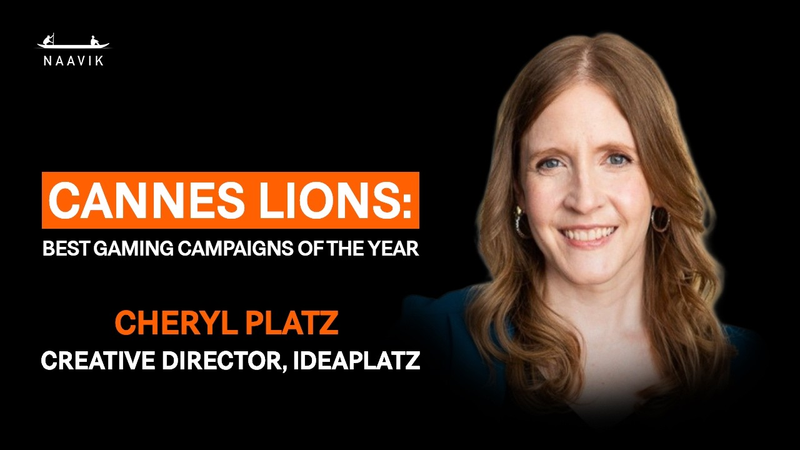
Effective in-game advertising requires a strategic shift from intrusive messaging to content that integrates seamlessly into the gaming experience. To achieve high return on investment and brand uplift, advertisers must prioritize relevance, tone, and timing. By aligning creative assets with the specific context of gameplay, brands can transition from being perceived as disruptive background noise to becoming a welcomed part of the player’s journey.
The core framework for successful in-game engagement relies on three pillars: contextual audience data, native language, and immersive interaction. Contextual targeting—leveraging hardware specifications and genre-specific data—ensures that messages reach the right players at the right time. For example, Intel utilized hardware-based targeting to reach PC gamers with outdated equipment, achieving 92% viewability and a 78% video completion rate. Furthermore, adopting the "gamer language" through moment-triggered formats, such as Pringles’ achievement-based ads, allows brands to celebrate alongside the player rather than interrupting their flow.
Deep immersion serves as the final component, where brands move beyond passive placement to active participation. Tournament-based activations, such as the Monster Energy campaign for Call of Duty: Modern Warfare III, demonstrate that providing players with meaningful, interactive experiences drives significant engagement, resulting in over 65,000 matches played and 14,000 hours of active participation. Ultimately, the success of in-game advertising is predicated on the ability to respect the player's environment. By utilizing data-driven targeting, native tone, and interactive formats, brands can foster authentic connections that resonate within the gaming community, turning fleeting attention into lasting brand value.
Overwolf · 2026
Overwolf · 2026
Overwolf · 2026
Overwolf · 2026
Overwolf · 2026
Overwolf · 2026
Overwolf · 2026
Overwolf · 2026

Overwolf · 2026

Overwolf · 2026
Overwolf · 2026
Overwolf · 2026