1 free read left. Create a free account for unlimited reading + AI research.
Create free accountArticleKinephanos
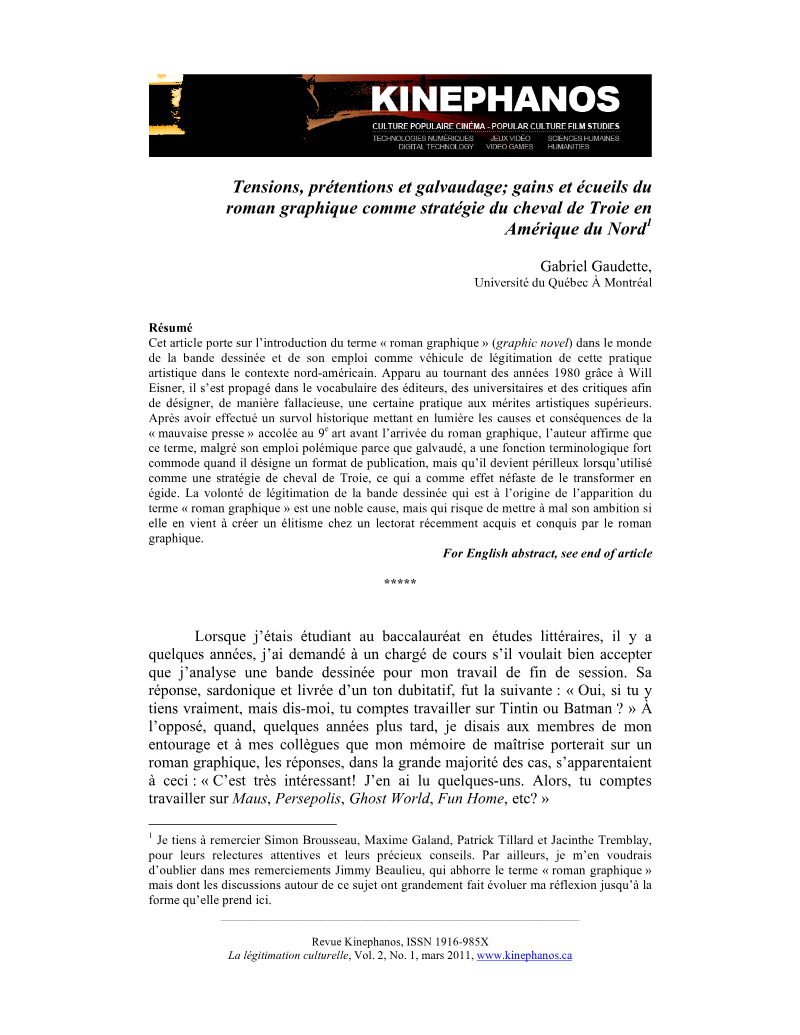
It facilitated their entry into bookstores and academic institutions.
It was like a Trojan horse, allowing a new form of storytelling to enter previously closed cultural spaces.
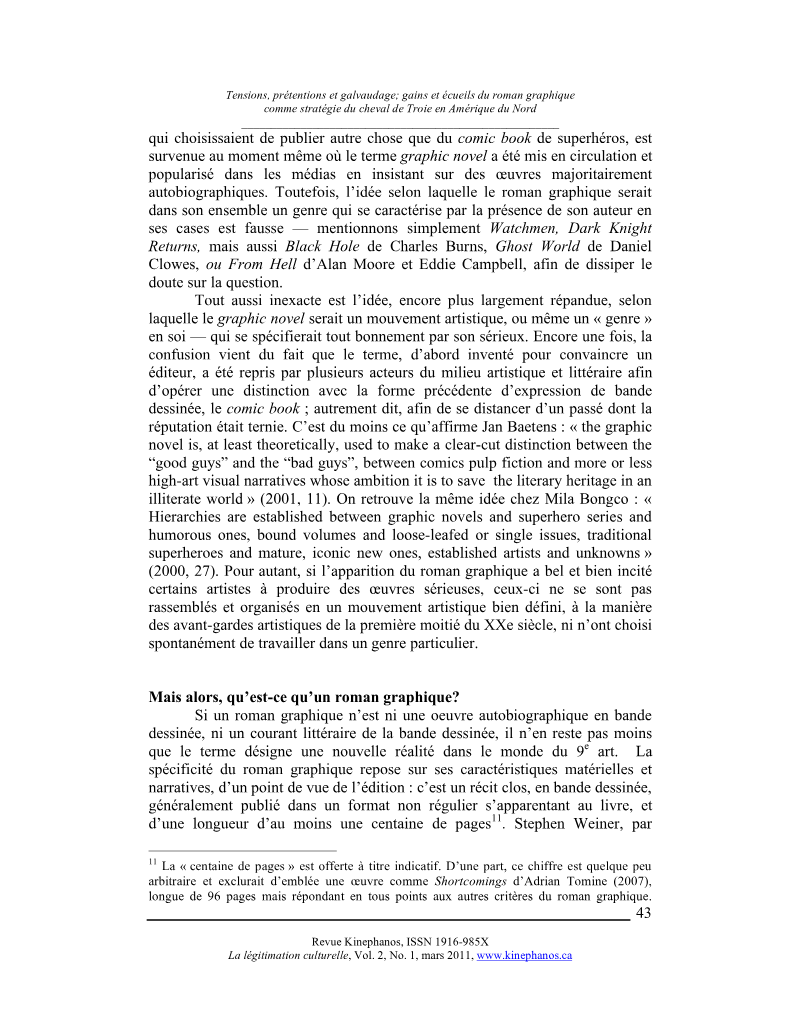
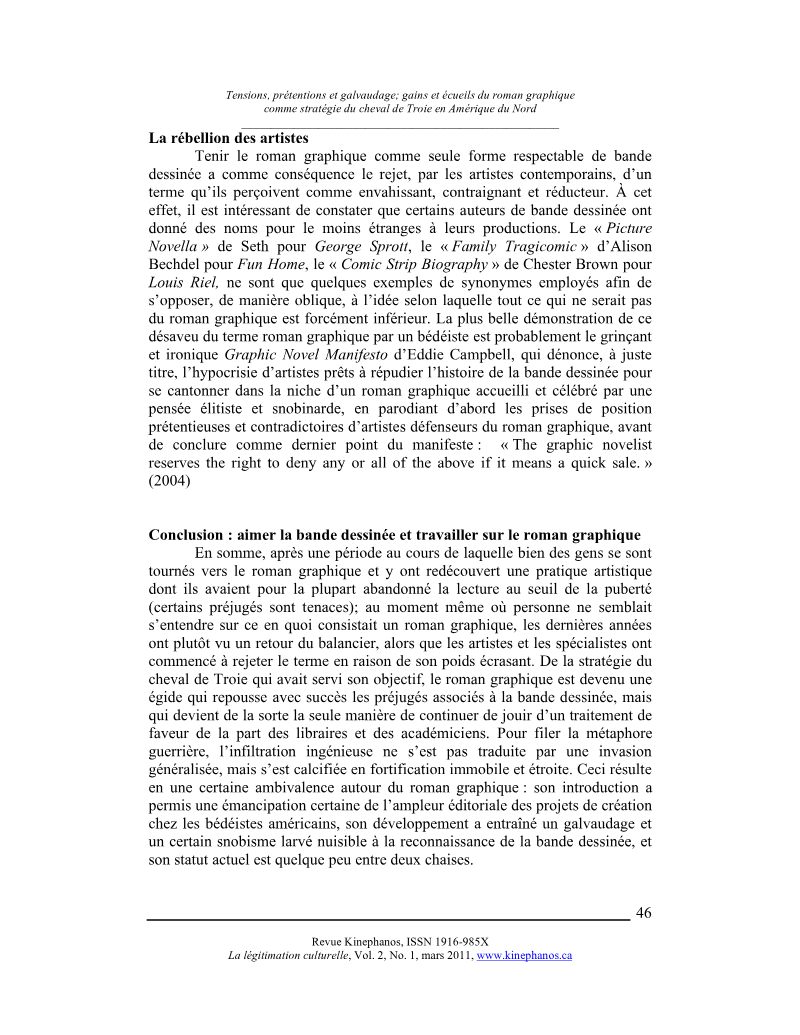
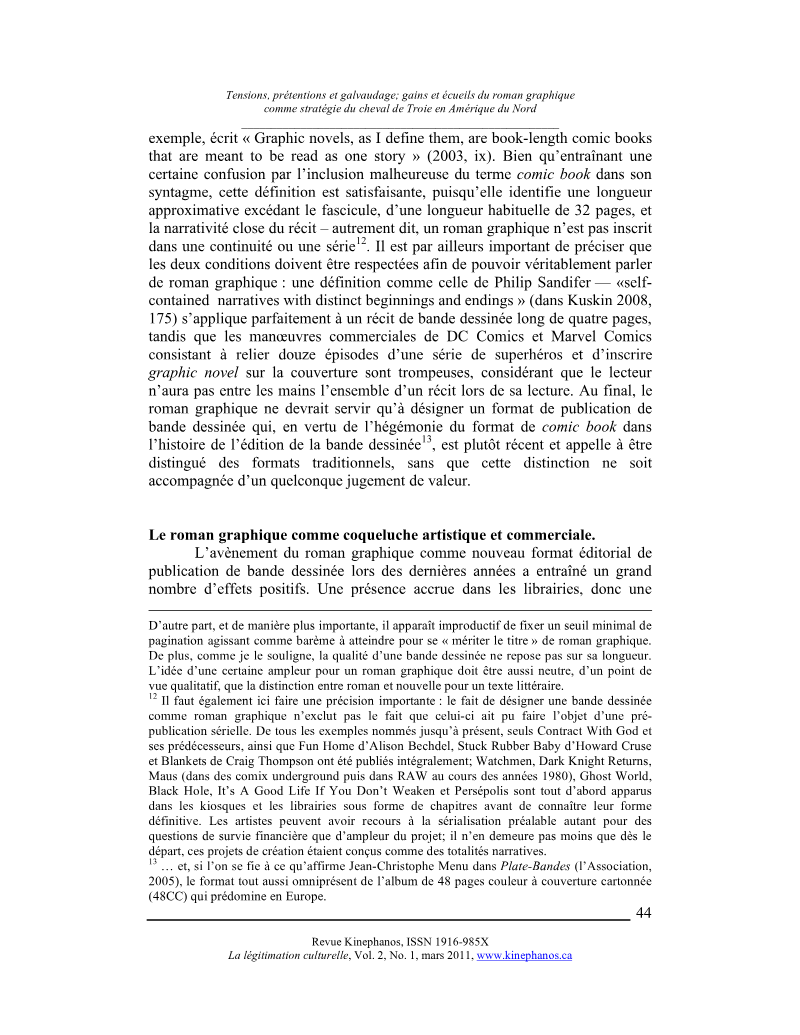
The term graphic novel functions primarily as a strategic Trojan horse within the North American publishing landscape, designed to decouple the medium of comics from its historical associations with juvenile entertainment and low-brow commercialism. By rebranding serialized narratives as self-contained, book-length works, creators and publishers successfully navigated the restrictive cultural climate of the post-Comics Code era. This transition facilitated the entry of complex, mature storytelling into bookstores and academic institutions, effectively elevating the medium’s status through a deliberate shift in marketing and presentation.
Landmark works such as Watchmen, The Dark Knight Returns, and Maus serve as the primary catalysts for this evolution, demonstrating that the format could support sophisticated thematic depth. However, the widespread adoption of this label has inadvertently fostered an artificial hierarchy within the industry. By positioning the graphic novel as a superior artistic category, the industry has created a divisive distinction that unfairly stigmatizes traditional comic books and shorter narrative forms. This elitist framing risks undermining the artistic integrity of the medium by prioritizing a marketing classification over the inherent value of the work itself.
Ultimately, the graphic novel should be understood strictly as a material format rather than a distinct genre or a marker of inherent quality. While the term was essential for overcoming systemic prejudices during the late twentieth century, its continued use as a gatekeeping mechanism has become counterproductive. Moving forward, the industry must transcend these restrictive labels to recognize the graphic novel as a subset of the broader comic medium, thereby dismantling the barriers that currently separate high-prestige book-length works from the diverse, interconnected history of sequential art.



Kinephanos · 2026
Kinephanos · 2026
Kinephanos · 2026
Kinephanos · 2025
Kinephanos · 2025
Kinephanos · 2025
Kinephanos · 2025
Kinephanos · 2025

Kinephanos · 2025
Kinephanos · 2025
Kinephanos · 2025
Kinephanos · 2025
Kinephanos · 2012












Comments