The gaming industry is currently navigating significant economic volatility driven by shifting trade policies and the threat of new import tariffs. The core thesis posits that these geopolitical pressures are accelerating the industry's transition toward digitalization, as firms seek to mitigate the financial risks associated with physical supply chains and import costs. While corporate leadership often maintains a diplomatic stance to avoid political friction, the underlying market behavior—including pricing adjustments and supply chain caution—suggests that companies are actively accounting for potential tariff-related expenses.
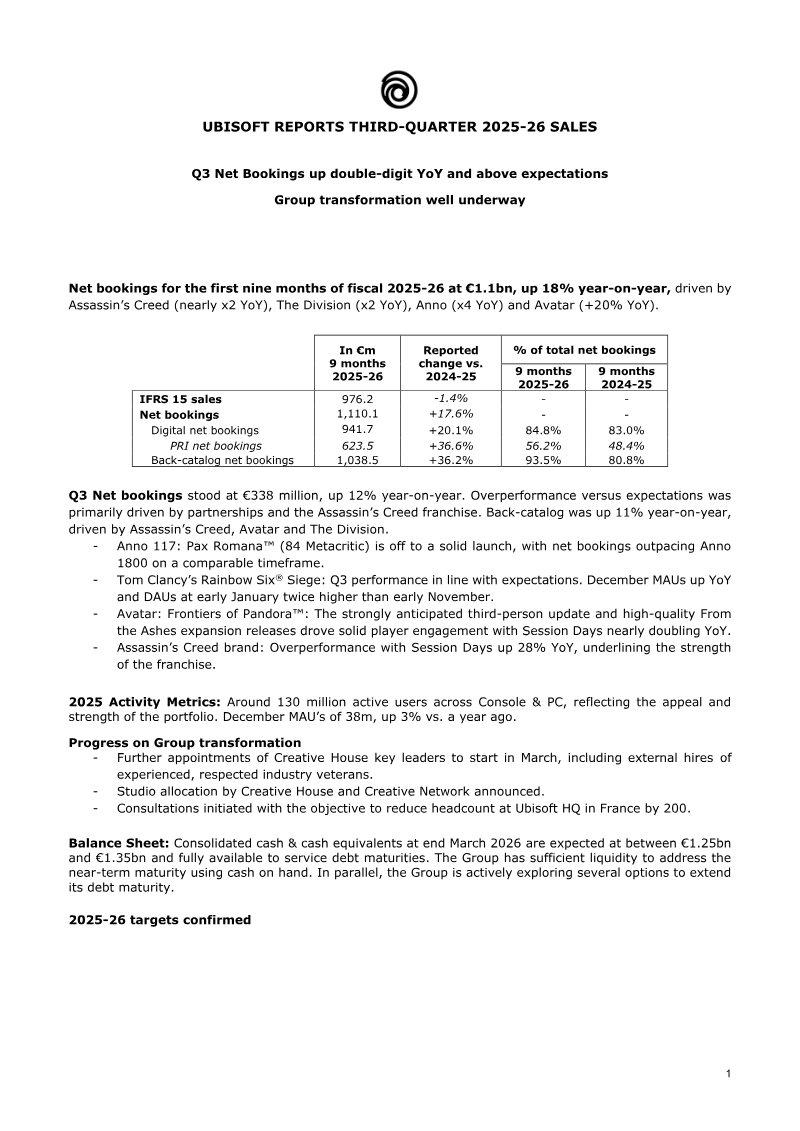
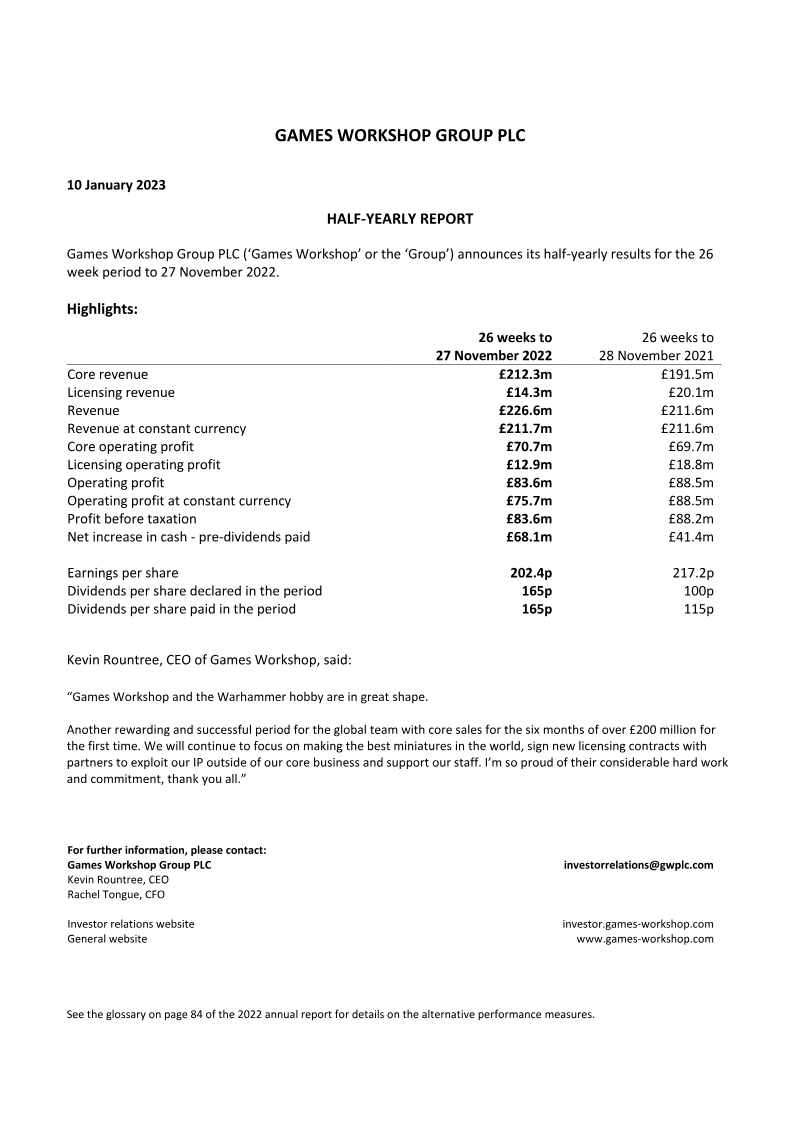
Market data from early April 2025 illustrates the uneven impact of these policy threats across different industry segments. Accessory manufacturers faced the most severe investor skepticism, with companies like Corsair and Turtle Beach experiencing share price declines of 34% and 31%, respectively. Toy makers also suffered significant losses, with Mattel down 28% and Hasbro down 21%. Large publishers, including Take-Two Interactive and Electronic Arts, saw declines of approximately 7%, while Ubisoft faced a 16% drop, compounded by organizational restructuring. Conversely, firms with localized manufacturing, such as Games Workshop, experienced more moderate volatility.
The broader industry response to this environment is a strategic pivot toward digital distribution, which serves as a hedge against policy-induced market turbulence. By prioritizing digital content and storefronts, publishers can circumvent the logistical and financial burdens of physical goods. This trend is further supported by the success of transmedia strategies, exemplified by the commercial performance of recent film adaptations like A Minecraft Movie. Meanwhile, retail entities like GameStop are attempting to navigate this shifting landscape through aggressive store closures and unconventional treasury strategies, such as the allocation of capital toward Bitcoin. Ultimately, the industry is increasingly viewing digitalization as a necessary competitive advantage to maintain margins in an era of unpredictable trade regulation.