1 free read left. Create a free account for unlimited reading + AI research.
Create free account
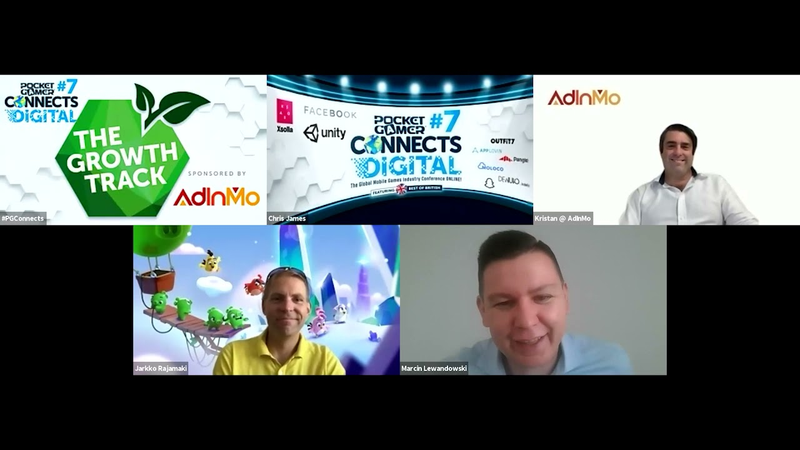
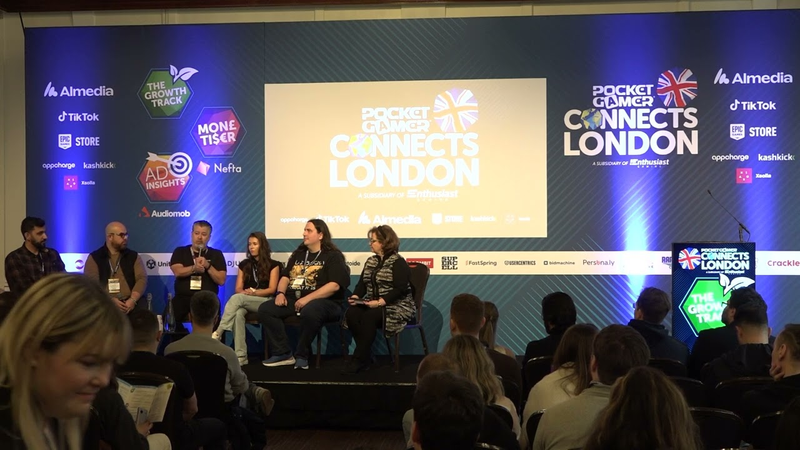
Superstar Speed Panel: Rethinking InGame Advertising
Key insights
6 takeaways- 01The gaming industry is shifting from intrusive, disruptive ad models toward immersive, non-interruptive integrations to protect player retention and long-term revenue.
- 02Monetization strategies must be integrated during the early stages of game design rather than treated as an afterthought to ensure placements feel native to the virtual environment.
- 03Measurement frameworks are evolving beyond basic viewability metrics to prioritize meaningful engagement, attention, and tangible real-world impact.
- 04Mobile gaming is the primary driver of this transition, fueled by user frustration with non-skippable video ads and hardware advancements that support complex, integrated experiences.
- 05Contextual, green-screen-style placements are being utilized to enable effective brand targeting that remains seamless within the player's journey.
- 06The industry is currently prioritizing specialized, high-quality advertising solutions over centralized, universal ad platforms to maintain player satisfaction.
Ask AI about this video
Transcript
uh next up we have a superstar uh speed panel here featuring our lovely uh sponsors uh adenmo um plus another major game studio we've gone from the sweltering shanghai into probably the slightly cooler uh helsinki for rovio uh as well as um as specialist publicist in a in a kind of speed panel but you know every time kristen how are you doing good to see you chris you always have the best zoom shirts i'm always impressed i mean i'm gone polka dot polka dot man it's in honor of uh suicide squad come out soon no it's um it's quite muted for me at the moment to be honest like my emotions after last night i'm slightly flatter than usual today i must admit it's been a struggle but yeah but you're looking very nice if you're over your white there you're very you've kind of got the whole white shirt white background very clean that's very good and you have you've got um your panel joining you
here there's uh yarko there very angry hi there hi chris hey and uh and martin luther hey nice to see you good to see you there you're not olga i can tell i'm good at this i'm i've done this before anyway um i'm gonna i'm gonna let you chat i think i i don't need to you don't need my insight i don't know anything so i'm going to be here in the background but i'm going to let you guys have a have your chat about uh and then come back in with any questions in the audience at the end of that's okay you're good that's great thank you see you in a scene a bit off you go talk to you later chris and uh yarko and martine thank you very much for joining us um as a um as an american i'm not going to uh mention uh the football too much uh as a born and bred texan i kind of feel it's not really football unless the dallas cowboys are playing anyways um but i thought it was interesting with um you know both with
tencent just before us and they're talking about the um the quality of game experience and how important that is and then looking at the the ads i don't know if you guys noticed that we saw a lot of ads in the uh in the football games uh throughout the last month and certainly last night including ads from uh alipay and ferment chain that were obviously targeted towards uh towards asia and specifically chinese users i thought that was really interesting because the you know one of the reasons that i founded added mode three years ago was this idea of creating a uh a better advertising experience for all stakeholders so what we do at animo is we uh we're dedicated in-game advertising platforms so we place non-interruptive brand ads programmatically into into the game experience so we're really happy to be here today with uh with pocketgamer and supporting the growth track um you know one of the things that we think from a growth perspective
is i fundamentally believe that the the transactional model for content uh and the the the race to zero means that mall is kind of going away and in-game advertising and especially uh free-to-play and game advertising is going to be the leading monetization method for uh for mobile gaming but as i said it has to it has to work for all stakeholders um developers and publishers of course uh advertisers who are paying for this and most importantly the gamers the gaming audience so again really delighted to be joined today by marcin from um from publicist gaming lab and yarco from robio uh obviously two giants in the industry with tons of experience and just want to look at the state of play in uh in-game advertising and why we think it's time to rethink in-game advertising so for a kind of intros maybe uh marcin and game lab representing publicists and game lab can you tell us what's a global advertising agency doing at a mobile games event well thank you for the for that question
christian uh i would be really surprised that it um if if we didn't you know join such events like this because uh now we are at the point that gaming cannot be ignored anymore by you know the large companies because uh the gaming industry is growing with its audience obviously that's pretty common knowledge but not for all surprisingly you know when i'm speaking with for example fmcg brands managers they are still talks like oh yes we are here to to speak about some gaming marketing but nor i nor my kids playing games and that's good and i think oh really because i'm a gamer at heart that's why i'm i'm in getting up and so that's always funny to hear something like that i'm sorry still you can't ignore gaming today because it's too huge you know i'm from poland
and in poland we have a data that there is possibly around 70 to 20 million players um in our population with this 38 million people so it's a huge number you can't ignore uh that many consumers if you want to be in their heart in their in their minds and if you want to to solve something actually that's great martin thank you and i think um you mentioned your gamer heart am i uh right in my memory that you uh in a previous life were a uh a games journalist in fact yeah i was and uh when i think about in-game advertising it came to my mind that we had some uh some some trying you know let's say first barack obama presidential campaign i still remember the the ads in burnout and then it was so like okay nobody is speaking about it for many many years and i remember very similar situation
like 18 years ago it was 18 years ago i don't know if anybody remember the thing called onlive it was about cloud gaming and yeah now we have google study and i we have geforce now our working services maybe we needed the technology to grow maybe we need more internet connection to measure this uh this advertising but i feel it's right time to do it i think we're going to touch on uh measurement in just a little bit in fact so yorko i think um rovio of course needs no introduction to this audience uh and have a a long history of brand activations but can you tell us a little bit more more about your role specifically and both your goals and rovio's goals in this space sure sure and thanks thanks thanks for for having us here and and i'm your crime again and while i'm leading the uh our kind of monetization efforts here here at rovio i i really want to emphasize that it's really a kind of cross-functional effort
for us so we work very closely with our core game teams bi team marketing team user research team technology ui just to name name a few you to make sure that we look everything from kind of multiple different angles and always remember that we can only make money also with ads if the players have fun playing the game and and of course as you said we have come a long long way away from from us as an industry and also we had a review from from kind of early on on having having banner ads in in kind of free versions of the game to today where we do a lot of different types of stuff with ads as well an experiment a lot of stuff and i have a long list of history of kind of different types of brand integration and brand activations in the in the game as well thanks it's interesting you mentioned um i i think that's something we fundamentally believe in here at atomo is ensuring that the uh the gamers are having fun you know uh we we did a
recent consumer survey with pocketgamer.biz um and in that as in in the the industry has evolved quite a bit now of course from the first uh the first uh in-game advertising but now about three-quarters of uh of players in this survey responded that they think banner ads have a negative impact on the uh i'm playing a game but about 70 percent a little over two-thirds thought that immersive ads offered a much smoother experience so let's mention i mean that's why we as animo exists you know we think that these non-interrupted formats are are better for everybody they give developers more control over where to place these uh these brand experiences uh give advertisers the opportunity to create these positive brand experiences within the gaming environment and of course most importantly from our perspective we don't piss off those uh those gamers they are the reason that we're all here there's a lot of trials happening there's a lot of tests happening uh within the the in-game advertising space with developers and advertisers
looking at how to uh how to make in-game advertising a larger part of both their development strategy and in the media mix so i guess to ask each of you this question um why is in-game advertising particularly exciting to you and maybe arco if i could uh hand over to you first well well i i think that they think more and more developers have have started to kind of look the kind of overall monetization in free-to-play games more kind of more holistically over over time and understanding that hey hey what what it mean means in mobile free to play gaming that you have kind of many different player segments in your game that might be enjoying the game in a different ways and and realizing really that some of the non-paying users can actually be extremely engaged with with the game as well and keep playing for the extended period of time so of course if you monetize your your
game in an audience with advertising it's more and more worth the effort also to design the ads in the game and use formats that the players don't feel that the ads are they're just unknown players possibly enough to become paying users or then risk them then kind of quit quitting playing so so i really think there are still a lot of room for innovation in in the gaming industry to find new ways of kind of building ads organically into the game experience and i'm not just just in a way that that would be a vehicle of of or external vehicle in the game to journal coins or in any other in-game currency and and true through kind of more engaging in the creations to kind of make the game even more more fun for the players and and through that also much more attractive to the advertisers and perfect hand over to them marcin from the advertiser perspective why do you think in-game advertising is
exciting yeah it's uh it's exciting from a few perspectives because first of all it's really kind of innovative way and we need to understand that for many many brands gaming as a whole is still a very innovative way to communicate with consumers for example for every mcg brands the talk i just mentioned yeah it's a reality it's still like let's say a terrain incognito to the marketers uh foreign marketers and and brandon edwards uh from from um from from branches that's one thing the second thing you mentioned that you don't want the players and that's really a good thing because we all know that players can be very vocal about what hurt him a few days ago i heard about another in-game advertising technology it was a huge thing but it was based on uh tv formats and
typically interrupt incorrupt gameplay or um you need to watch it before the gameplay in a in exchange of additional content and while many many marketers media and react like oh that's nice that's another way to to target gamers it's great when i switched to you know gamers doesn't start reading comments ears was was all triggered and are you insane we don't want such ads in games uh so yeah it's it's really important to you know don't uh disrupt the gameplay in the immerse from gameplay uh from brandt's perspective if it really needs um we really need to educate people about what's important for gaming community for for gamer such itself i think like this is game ups are for
those tasks i would say because we really need to educate people who don't came from gaming industry who don't play games how you can move in this entire culture of gamers i would say it's very sensitive you need a good compass to navigate through this work and you simply can't put an ad and leave it as a tip and say okay that would work no it wouldn't you need additional contact you need to fit it into the game world [Music] you need all those things to make it simply work i think it's a great point marcina you know we're we're really at the the start of this journey this is a new you know in-game advertising is a new a new ad format it's not the it's not the same ad formats that we're used to in the past whether it's banner ads or video ads interruptive uh interstitial video ads and it's
definitely in order for this to become a um a long-term business for everybody for game publishers and developers for the advertisers and for the platform such ourselves there's some learnings that that you know that we're going to have to do here there's some things that we have to put in place uh to ensure that this does work for all the stakeholders um and most importantly so we can make this a scalable business um i think one thing that comes up a lot and we sit on both sides of this at atomo you know we speak to game publishers and developers and we speak to advertisers and i think one thing that advertisers in particular speak about but also the publishers is brand safety you know what what what is the meaning of brand safety how do we ensure that there is a a suitable brand experience and i think the um you know brand safety probably comes there's a couple different kind of ways that we can think about brand safety as i said is is that the right brand for the the audience there uh but as well was it the you know was it a good quality ad you know was it something that was that
the audience was going to notice um so i guess marcin maybe to start with you could you give us a little bit of insights from both your mindset and from your clients mindsets from your advertising buyers you know when they think about games how do they think about their brands and protecting their brands within those games yeah and that's a really really important topic to be honest it's one of the most most most important topic because you know when we go to the let's say really really big corporation and talking about communicating with gamers um we came with let's say list of five most popular games in uh in each country and it's usually games like global offensive fortnite to league of legends and so on and so on but not every game is good for them because
they have their internal regulations for example brand safety mean means that they can anyhow you know be connected with violence and if we have a game let's say some fpp shooter that is some kind of realistic this goal is a great example because for many companions it's too realistic because it's it's not portrayed in cartoonish way somehow we can't go which we we can do anything with clutch game because you know there's brand regulations and they said no violence is not right so automatically we have a whole range of game that are out of business because because of such regulations uh a way to to you now to go around is to portray let's say fppa in some more cartoonish way for example for many for many companies fortnite would be a good solution
because yeah we still have uh people with guns but it's uh really really in uh portrayed in cartoonish way and and it's not it's not a problem the other other thing we need to remember it's all regulations that you know uh brand books uh and under elements that horror logo must be only on um you know uh defined uh colors of background etc we need to we need to remember all of the things when implement the ads into the game so it's harder to do but it's always possible and yarco as we touched on earlier rovio have again a long history of brand activations and thinking about brand suitability and brand safety um and i presume that's part of why we don't have a victoria secret sponsored uh angry birds for example so can you give us a little bit more thoughts about how you guys think about brand
suitability and brand safety well what that there's kind of two two different aspects on on that and and first of course is the the kind of contextual relevance in in in that specific game and that specific environment that that it really to start with needs to feel organic from the player perspective that that for example if you have a game where you're flying flying in space and then you see uh see uh see a kind of our latest model of of your your favorite car manufacturer floating floating by in space it might feel a little bit off by the player that hey if there's not a very good story that hey why this specific kind of a brand or or the specific product is there in this specific specific context but in addition to that of course there needs to be a kind of mutual fit between between the content and and the audience and the branding brand in question and and and that that's something that
it's it's very that there's no one one set of set et cetera set of rules for that but it's always kind of mutual understanding between the advertiser and and the goals behind the brand there and with the with the publisher as well in in terms of what what they're looking for and on what their value in in terms of and think that what is relevant and meaningful for for their their audience that's a great point when you know we think about it as um within atomo trying to try to respect that uh that game experience um you know as i said we're all here for that player and ensuring that their game experience and the way that the the ads and the brands fit in that game experience should be the end goal for for all of us um and as this is a new medium um you know we we're still learning and our game publishers and developer partners are are kind of learning on this as well you know we have a
um we have an in-house uh dedicated game design team that works with game developers to figure out not only where to place these uh these ad placements um for you know to ensure that you've got viewability and monetization through impressions but also just to make sure it kind of fits and fits into the experience um and i think a large part of this that we maybe haven't fully realized yet uh and york would love your your um your reactions on this to start with is i think right now a lot of in-game advertising this happened with with uh interstitial ads as well the in-game advertising is kind of an after thought right you know it's we'll place it we've got a sports game we've got some places here racing games we've got some billboards why don't we play some ads in those as opposed to making that um that in-game advertising experience a you know there from the start they're at the the actual game design phase so uh again i know that uh rover i've done a lot of thinking on this so what's your what are your recommendations jarko for thinking about uh at the earliest phases of game design
marrying advertising and the game experience well i think that's that's very very very important and and in a way you shouldn't be taking the kind of even in in any kind of free to play game you shouldn't be taking the the monetization design out of out of the game sign as well that it's very very hard to design a very successful game in in a way that hey we built the game first and when the game is ready let's start to figure out how we how we actually make make money with the game and what are those valuable positions for for the player that that first of all the player would be willing to pay for and also what other valuable position there would be for example with the advertising integration so those all all those three things should be go hand in hand from there from all pretty much from almost like from the prototype of the game although all the way to the to the production and um and for the global launch in a way that you think through those those all elements of hey why how how the player is playing the game
and and how the player can enjoy the game and with which parts in in a game would be for example very very organic parts for for very very integrated advertising spots in a way that it fits the fit and fits the play play and the player flow flow well and it's not disruptive to the player in in a way that it kind of drive and drive retention down and and things like that i think in other types of um other types of content you can look at good and you can look at examples of good and bad integrations and you know i used to work in uh in the movie business and we've all seen lots of really bad product placements in movies uh i think sports is sometimes a a great example of a very natural fit for um for how um how brands work with a um with the type of content so within the games experience and and coming from the gaming side we're all very protective of that game experience but marcin you as a representing the advertisers
how do you think about the game experience and where your brand fits into that where your brands fit into that so obviously as you mentioned it's really easy to imagine that in this game we simply add the real brands to the bands and it's even better for the experience because it makes me it makes the virtual world more real and the same with the with the racing games but as we as we seen on this market there is a way to you know place plays advertise even in the really fantastic worlds uh for example um riot makes um recently make some good let's say try to do that in their escort tournaments they simply place banners with i believe matter card logo uh the recent on the recent tournament and um
they don't ring the experience because it was placed on very natural contacts the banners was already in the game they simply put logo in a in a in a way that there is no harm but of course from my from is a huge challenge to to have a game like for example angry birds and and make make really um make um some cg products to put it and feel it natural probably you have some solutions but you need to think about it you need to you need to work around some pollutants to make it natural and to make don't and to make it don't interrupt the game uh experience and that's that's really important uh from my part because you know you can always uh as i said before you can always go uh place an ad somewhere in the game and finish your business but that probably
that make that that even could make a communication crisis because if players won't be happy they are really vocal before and you know all the big titles premiere and um all the mess in media we have with for example uh cyberpunk and other titles uh that's that's all what gamers do if they if they don't happen so you need to be really extra careful uh uh when do something uh with with this um within before thank you so the um we talked about safety from the brand experience and from the game experience um which probably also i guess the last ingredient that we um that we should talk about because i see chris uh coming in here is um is measurement i think this is the other the kind of final thing that makes uh that's going to make in-game advertising a uh a valuable uh method for brands to interact with uh
players through games and now i think measurement is of this is understanding from an advertiser perspective um what they're buying and be able to compare that to uh to other things other other media they're buying so this can fit into that kind of standard media matrix we think about this lofted atomo we are co-chair of the in-game advertising group at iab uh who are currently looking at uh defining new standards and i think the standards that we we want to see uh go beyond you know right now the scams are around what made a valid impression and was that uh was that ad viewable or not viewable um but we want those things to go beyond even to what you were talking about you mentioned engagement earlier you know we think about attention and impact how can we measure those and deliver that to you as an advertiser and we know that in-game advertising does have higher attention and higher impact uh we ran a campaign here in the uk recently with a cancer charity
and found that players that were exposed to this campaign and game were 12 percent more likely to donate to that charity uh versus those that had in fact industry benchmarks around about three percent so you know significant uplift on that um and this is great we think this is why we should all be excited about this but beyond that you know marcy maybe as i start can you tell us a little bit more about you know what other kpis are important to you as an advertiser yeah so that's really important factor that you can really measure a lot of things because if we have some more more traditional way of advertising for example outdoor or um or advertising printed press that's really i know historic thing that still exists you can really let's say estimate what was the view viewability of procreation but when we go to the internet we have a whole other thing because we can measure
nearly all of um all of um kpis like who's in this uh in this advertise uh from when from where uh he go to to the website when he connects what his um what his uh group age and tone and so on and we really need tools like that to to make a significant product for um for advertisers and um and brantman edwards and mark hazards uh so truly the in-game advertising sounds like really really promising technology because we can put there a lot of um a lot of measurement and we really want to have this because when we talk to when we talk to marketer when you when you to branch manager about [Music] about the way he needed to spend he he needed to spend money on this
he really needed a lot of kpis and um that's that's what at the end of the day it's really interesting him how many people seen it how many people for example make action and click or go somewhere and buy product at the end of the day thank you chris do we have time for um any any audience questions we do have time for a couple of questions and we'll try and get through quick two or three and then i'll move on to the next bit we're okay we're good it was very very fascinating actually you answered quite a lot of them which is good um but i'm gonna get through a couple of here what one quick question uh at the top and then i'll go to two from the bottom like countdown um it's brand advertising has been stapled other digital entertainment for decades and in-game advertising in kind of pc consoles kind of been around for a while now why do you think it's just starting to break into mobile now why is it mobile's been huge for quite a number of years why what is the change now that is making this sort of viable do you think would you like me to start with that one
maybe yeah go for it okay you know so my view on this and yarco may have some additional uh input on this as well i think everybody's fed up with the current advertising it as i said it's just a really crappy experience nobody nobody's playing a game and says oh great here's another 15 second non-skippable video i get to watch before coming back to playing the game i was enjoying so i think it's just it we're now at the point where the uh people are fed up with it and i think as well the power we you know everybody has a effectively a playstation in their back pocket now and this was not necessarily the case even just a few years ago so i think it was just the the timing of the audience and the device and technology have all kind of come together cool i'm trying to whip through two more so maybe i'll just insert quickly i've got one from marcus kumar linen here which i said without any uh errors um if ads were to be built inside a game drinks production would targeted advertisement become more
difficult i don't know if that's the thing or not but you know does that yeah and again i'll maybe start with this one um no so we we we are able to target um and there's a number of targeting signals that we as an industry use some of which are already out there uh that any ad platform would use um even down to the kind of basic ones of contextual you know you we know what type of game this is in we have certain signals there that let us know um these ad placements you can think of them as they're um they're like green screen basically so you just you put green screens in the game where it makes sense for an ad to appear and it's our job at animo to ensure that that ad is is that appears there at play time is relevant to that player and relevant to that game okay okay i'll try and get one more in and if any of the panels weighed into it feel free this is another easy to pronounce name from offeist i'm sure that's correct don't correct me um do you think it'd be a good idea this is probably this might be beyond your paper i don't know if you could create a platform with a
lot of ad formats to choose between and then connect them to existing assets in the unity store i'm sure usually we think it's a good idea but um they've got not enough money unity right so um i don't know do you think do you think there's a a lot of ad formats uh a central ad platform one at a platform to rule them all is that ever going to happen yarco uh let me run this one over to you you've had some experience here yeah well of course from probably from from both that advertiser and publishers perspective that we create to have have a kind of one one stop shop for for for everything in in that sense but of course there's kind of certain certain innate differences between different different ad formats and and also also between different advertisers that what they what they're looking for so it might be pretty pretty hard to get so in in that sense having having having kind of a kind of specialized tool for a different type of stuff is not necessarily a necessary bad thing the the animal answer to that would be
why would you want those other ad formats anyways we know they're crappy so just do in-game ads a simple answer i mean there's loads of other questions as well but i think you answered quite a lot of them and people can come and find you in the discord in the meeting system and i'm sure you i think you're around some panels uh later in the show as well so thank you so much christian thank you so much uh to other panelists to martin and jaco and um really informative and yeah i i i'm all in favor of uh new ads new ads and and less intrusive advertising absolutely mobile so more power to you all um cool i'm gonna have to move you a little longer yarco and martin thank you
Summary
The gaming industry is undergoing a fundamental shift in monetization, moving away from intrusive, disruptive ad models toward immersive, non-interruptive integrations. The primary thesis driving this evolution is that long-term revenue growth depends on balancing developer profitability with the preservation of player experience. By prioritizing organic placements that respect the gaming environment, brands can leverage the massive, diverse reach of gaming audiences without alienating them or compromising retention.
To achieve scalability, monetization strategies must be integrated during the early stages of game design rather than treated as an afterthought. This proactive approach ensures that advertising feels native to the virtual world, enhancing rather than detracting from the gameplay. Furthermore, the industry is transitioning toward more sophisticated measurement frameworks. Moving beyond basic viewability metrics, these new standards focus on meaningful engagement, attention, and tangible real-world impact, providing brands with a clearer understanding of their return on investment.
Mobile gaming serves as the primary catalyst for this transition, fueled by growing user frustration with non-skippable video ads and advancements in mobile hardware that support more complex, integrated experiences. Techniques such as contextual, green-screen-style placements allow for effective brand targeting that remains seamless within the player's journey. While the industry continues to explore the potential for centralized, universal ad platforms, the current focus remains on specialized, high-quality solutions that prioritize player satisfaction. Ultimately, the future of in-game advertising lies in authentic, contextually relevant experiences that treat the player as a participant rather than a target.












Comments