1 free read left. Create a free account for unlimited reading + AI research.
Create free account
Superstar Session: Unlocking Gaming's Potential as a Media Channel
Key insights
6 takeaways- 01Gaming has reached a global scale of over three billion players, positioning it as a primary media channel for long-term brand building.
- 02The industry is shifting from fragmented, custom brand activations toward a scalable, automated infrastructure that integrates ads natively into gameplay.
- 03To ensure sustainability, the model prioritizes non-intrusive, native ad formats over disruptive, performance-based advertising to protect user retention.
- 04Real-time, data-driven ad technology is being integrated with programmatic platforms to reduce friction for advertisers and provide publishers with incremental revenue.
- 05Future development is focused on transitioning from passive placements to interactive and shoppable ad formats.
- 06Brand safety is maintained through sophisticated controls, including IAB category filtering and granular publisher whitelisting.
Ask AI about this video
Transcript
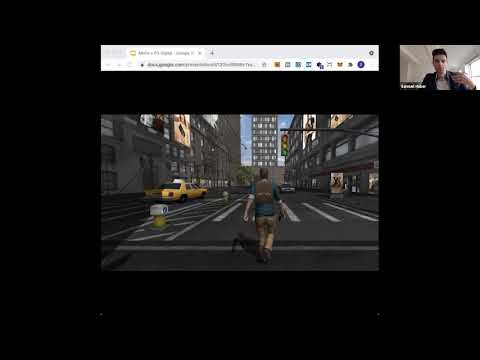
first up is samuel huber founder of admix it's a pioneer in in play monetization and it's very interesting because it comes on the heels of a lot of news that games are flexing their muscles in media most recently even reading that riot games is morphing into kind of a music label so we know there's a lot of money to be made out there in a lot of creative ways so i'm going to hand it over to you samuel to tell us how to unlock that value for brands and advertisers thanks a lot peggy can you see me okay and hear me okay yeah perfect great awesome well thank you so much for having us thanks everyone um today we're going to talk about how we're going to unlock the gaming's potential as a media channel which is a little bit different way to think about
games in general a quick background if you haven't heard of us so admix we're about three years old we are building the infrastructure to power gaming as a media channel via a new format of advertising that we call in play which are these ads that as you've seen in the in the video that are natively integrated within the game play so more like product placement than traditional advertising the company we've raised about 10 million dollars in vc funding so far we employ about 50 people we're really in hyper growth at the moment 2021 has been a very uh significant inflection point for us we're expecting to double in size by the end of the year um and we work with a lot of mobile games about 300 of them and hundreds of advertisers really trying to match these two different worlds so we have a front row seat when it comes to developing gaming as a new advertising channel and also uh making sure that we do that
always with the user experience at the forefront of the experience i used to be a game developer myself i used to have a small hyper casual studio and the reason why um admix came about was predominantly to create a better user experience for the users so this is something that we always keep at the forefront of our minds and that motivates all of our decisions and really defines what we are building so let's get into it i wanted to share some insights with you today so there's been a lot of talk recently about how and why brands should be involved with gaming you probably have seen this chart before it's not not revolutionary um it basically shows that for specific groups of people in this case uh 13 to 24 year old in the western world gaming is the main part of our media diet people are gaming more than any other thing they do online
so the attention the engagement with gaming is is second to none um you know we have two billion gamers it's more than three billion forecasted by 2023. you know all of this the scale of gaming is too big to ignore for brands today it's a it's a it's this different channel the same size as facebook laying on the side where that they can use to reach their audience in different ways and that until today they were not really using for that so very untapped um and a huge potential for brands and what it means is that gaming is becoming a media channel not just an activity but a vehicle for brands to actually reach their audience and that doesn't mean you know intrusive advertising interstitials or other type of ads like that it can be done in a completely different way so this is the brief intro right this is the why brands are now starting to look at gaming it's harder and harder to reach
the audience in traditional channels and they are paying attention to this new channel which is highly engaging more and more popular and therefore very very appealing to them now of course executing this is easier said than done if you're a game developer how do you leverage that how do you leverage the fact that brands are starting to actually put significant money into games how do you make how do you capitalize on that potential that we estimate to be literally in the dozens of billions of dollars within the next couple of years that is how fast uh media channel can open and that is the power of media channels how do you do that well this is what we are going to discuss today um what are the tools that you can use you can leverage to unlock this potential open a new um revenue stream for your games and really start thinking about your games as a media channel which i know is not um the natural reaction the natural
thinking right you're building a great game but you can start shifting your thinking as well that those games are not just an activity for your end users they can also be a conduit for for brands to start to talk to their audience always in a very respective consumer friendly way again why is it relevant to you so you know you're sitting on the gold mine right if you have a game that game is popular it has users that those users are extremely valuable by themselves they can convert in a purchase you might already have advertising revenue but also now you can open a new um revenue stream which involves the brands those millions of hours of game play they are unmonetized under monetize sorry you have a lot of time that is being spent uh by your users and you know this is not always capitalizing on
on their attention um and that's how we're proposing that in play becomes a new revenue stream it's a new way for you to capitalize on this and to and to increase your abdo now the idea here is that we're going to use this 20 minutes that we have to make you aware of the tools that exist of this infrastructure that is being built to make this work because it is progressing but it's still pretty nascent now what we call in play at admix um it's it used to be called in-game right so it's the it's not a new concept it has been a track record of brands being part of games since you know the early early days of gaming as this example evidence here and we've seen more and more activation being done over the past couple of years you've seen all of that the learnings there is that it's clear that the most
successful brand activations are the most native with the games they're deeply integrated with the gameplay it's not just a artificial way for brands to be seen inside the game but they actually contribute to the gameplay to the avatars and this is what drives player engagement a lot of these activations however have been custom they've been one-off they're generally driven by big publishers uh you know like fifa who have a discussion with burger king and they end up making a deal and this is a long process that takes six months and and then ends up being this extremely successful campaign but that's that's difficult to scale it's difficult to scale and for smaller publishers indie publishers they don't necessarily have those relationship with brands or even the ability to execute those kind of campaigns and so this is what we want to talk about today is how do we democratize this how do we enable any publisher and to some extent any brand to to meet
to create this new revenue stream this new business model within the games now what's been really interesting is asking brands and agencies what is their barrier to scale their gaming activity because it's pretty clear now that everyone knows that gaming is the next media channel brands are desperate to get involved with the big games but now they're looking at you know casual hyper casual games as well how do they target this audience and so with that much hype that much excitement you know it's natural to ask why is this not a multi-billion dollar industry yet and the responses are pretty clear it's all about automation it's all about the lack of tools you know it's very difficult for brands today to automate campaigns so to do one campaign after the other um it's also very difficult for them to measure the success of these in-game campaigns prove the roi for every dollar spent inside a game
what what do they get in return right it's it's been very difficult so far this activation that i've shown you before there was no mention of roi it was just a marketing cost a pr activation now to take this to the next level we need to drive actual return investment for the advertisers as well and also other things around targeting how are you able to target the right user at the right time in the right game if you can't do that then you know this is difficult to compete against channel like facebook or um even google where you can do that so we need to make gaming competitive as a channel to develop this and to unlock that huge revenue stream for the publishers all of that means that it's costly to activate because those activations are still not automated and have to be done kind of on a one-off on a one-off basis so to simplify the reason why uh what what's limiting the advertisers
the brands and the agencies today to really put billions of dollars into games as advertising or sponsorship is a lack of infrastructure a lack of infrastructure that would make it scalable measurable and profitable for them as well so this is what we are defining we need to define this infrastructure to turn gaming into a true media channel and that's obviously what admix has been focused on for the last couple of years now and if we unpack that we believe that there are four components of the infrastructure that needs to be in place to unlock the scalable potential of gaming as a media channel now what's really important here is to remember is that it needs to work for the three parties that are involved the first party is the users this is the most important we need to maintain the user experience right we will never compromise you know more revenue against a worse user experience this is not what
in-play is about the user experience always comes first then the publishers we need to make sure that the publisher gets the revenue that they expect it doesn't affect the retention of the game and that the core metrics are still you know as they were before advertising in play should be just an add-on it shouldn't compromise anything and then the advertisers exactly what we're seeing on this screen we need to make sure it works for them for them to invest a lot of money into the channel they need somehow to find a return investment they need to make sure it's easy to integrate otherwise they will default to other channels so by knowing these three things that we need to maintain let's uh dive into what are the four components that are needed for that for the infrastructure to work to develop gaming as a media channel so the first one is the obvious one it's about having an in-play experience so in play is or you can call it in-game it's the
native insertion of add content inside the gameplay not on top of the game inside the game now this is a new thing um but if you think about it it's also been happening like that for every other media channel every media channel has built ad units that are native to the environment right google adwords the results of the adwords are kind of blended within the organic results they're on top but every year google changes it a little bit so it looks like it's native facebook feed you know the ads used to be on the right hand side and now the facebook ads are within the feed itself it's more native you scroll past and you see those ads as well this is what is needed to drive true engagement players users they do not want to be interrupted they want to consume the branded experience as part of their core experience which is here the gameplay and this is why for gaming we need a model where the branded
content is also natively integrated with the gameplay it's a no-brainer this is what is needed for gaming to scale as a true media channel brands are not going to be interested with ads that interrupt the users it's a terrible way to create a great brand experience if you play a game and you're interrupted by a brand what is your feeling going to be towards that brand it's not going to be positive you're not in the frame of mind to buy something right now but if the brand that you like is sponsoring a relevant experience like a car brand sponsoring a racing game or um you know seeing a skin of one of your favorite brand on your avatar that's a completely different frame of mind and it's looked at more as a sponsorship than advertising and therefore the the affinity with the brand will be a lot higher so the more native the more integrated the better this is what's needed to scale gaming as a media channel as a absolute uh necessity we need to have an in-play experience
and that's obviously an infrastructure that we at mixer i've been pioneering for the last couple of years now there's another thing that is needed and it's real time ad delivery so you might think okay this is important for advertisers why is it important for me as a publisher well again we need to deliver value for everyone in the marketplace here i mean the advertisers need to target the right user at the right time in the right game based on things like their location or maybe the gameplay behavior right advertisers do that on every other platform they do that on the web they do that on social media they're starting to do that on tv even so why not gaming gaming provides the data that enables advertisers to target against those customer insights and some of this data is unique to games unique to the gameplay behavior which is very very powerful and if you make that available and it
can be totally anonymous by the way it's more of a contextual data then again you provide value to the advertisers and you enable them suddenly to have access to exactly the right audience at the right time and this is what is going to be needed for them to scale their spend and generate more revenue for the publishers so for gaming to scale as a media channel the ad delivery needs to be real time it needs to be data driven a complete takeover a sponsorship negotiated in advance again those things are great but they're not going to contribute to scaling this as a media channel now the third point is uh the availability of the inventory again that sounds very much um advertiser driven but we need to provide value for the other side as well in order to make this marketplace dynamics work right if the inventory which is the areas inside your games if it's very difficult
to buy if they can't find it anywhere if they have to come to the admix platform only for example to buy it this is going to create a lot of friction we want to make those games available everywhere so that any buyer can um eventually have access to it if they satisfy certain criteria so we want gaming to be aligned with the other type of publishers out there so that if you're an advertiser and you use the google platform to um book your campaign so if you're a big agency and you have also a contract with the trade desk for example you need to be able to find the in-play inventory within those platforms you need to be able to without creating specific adverts sizes and formats you need to be able to reuse formats that you've already used to minimize creative costs this all of this might sound like a detail but it's actually very important there is an incredible amount of friction that is involved and
advertisers would default to what is easiest so if you can't use the same ad format then it's very likely that they will not create specific ad formats for the channel at least initially so we need to be very mindful of that and we need to support existing standards to be able to remove all the barriers to entry and make it easy for brands to tap into um into gaming as a channel this will create more liquidity in the marketplace it would make sure that this in-game media actually gets traded not just talked about and that's a huge challenge of course because games are you know app in native environments that are not necessarily compatible with those big ad trading platforms and again this is a compatibility layer that solutions like ours are providing and the last thing that is important for the advertisers are measurement and again this is all
about return investment we you know if we we're creating here a media media channel and we aim to have millions and millions of dollars in in ad spend so we need to be able to tell the advertisers where is this pen going they need to be able to measure success and roi and there are many ways to do this you can simply measure the viewability of the ad how prominent it is in the field of view how big it is compared to the size of the screen or it could be the engagement taking an action within the ad unit there's plenty of ways to measure performance it doesn't necessarily mean clicking that's the conception that is is actually wrong there's many ways for advertisers to to measure the the performance of the channel and it's also about brand safety there are games that are great games that may be too violent for specific type of brand but that other brands would be very happy to embrace right brands have different affinities with with those
kind of things and so being able to classify the games being able to point the right game to the right advertiser so that it works for the brand but also the publisher they might not want to see every advertiser in their games providing those kind of controls is going to be key to scale that marketplace and again embrace the growth of gaming as a media channel so these are the four things that we see are really really important um the core pieces of infrastructure that are needed to unlock the potential of gaming as a media channel and while we're transitioning from pure custom one-off activation to a more predictable trackable channel um we are obviously it's an infrastructure that you know we have been building we have been building for for a few years now and we call it in play it is real time it is data driven it is all the things that we've discussed before um we're also fully measured by third party verification vendors when it
comes to viewability so it creates a lot of credibility with advertisers because they can see that it's not just us saying this is viewable it's a brand that they're actually trusting and i think what's really exciting is we are really at the birth of a new channel if you look back at the evolution of the web 20 years ago the market really started to take off where when scalable infrastructure made it easy for the advertisers and the publisher to trade media and that's where it becomes a lot easier for publishers to have a business because they knew they could monetize and they knew that by adding a tag on their website it was a lot easier to make money than having to deal directly with the brand one campaign at a time and so the opportunities for brands but also for publishers really exploded when that infrastructure became available and i believe that 20 years later this is where we are when it comes to gaming we're now starting to see tools
admix being one of them to enable brands to tap into that potential and unlock extra revenue for the publishers and only with the right tools with the right infrastructure will be able to actually scale this and if the previous media channel is any indication it's pretty clear that the early adopters on both sides will be able to reap the benefits of the channel and it's actually already working we have some great case studies i'm just going to run through quickly to show the benefits of this new this new channel so we have a one here with neon play um basically we're trying to prove that in play ads integrated inside the gameplay do not affect user retention at all and that's that's the holy grail right enables you to scale without the risk of driving users away with interstitial we know that the maximum value comes around seven or eight impressions per user per day it depends
on the game of course but that's the average that iron source reported on and after that you start churning users faster than you make revenue so the growth is kept you need to make sure that you're very specific about when you want to interrupt users within play it's totally different the mechanics are completely different because the adverts do not interrupt the experience so if you create them in a way that is respectful to the users of course you don't want to plaster the experience with ads but if you do it in a nice way like neonplay has done they've tested five ads 10 ads and also a control sample of zero ads and the retention day 1 day 7 day 28 was the same there's no effect in user retention as you would expect because you are not interrupting the experience so that's the first thing and these are more examples here a significant increase in ltv you can place more ads in front of the
users you maximize the number of impressions per session your abdo or your app tv increases as such and if you have a wide open world you can actually place you know sometimes 20 30 ads per session which competes with you know three or four interstitials and the mechanics become very interesting when you see that on top of that you keep your users longer and you have better story views because you're not interrupting the experience with that so really interesting mechanics there some other studios have also used in-game as a mitigation factor for ios 14 because we rely on brand revenue not performance revenue there was of course a lot of speculation about how the cpms were going to evolve after ios 14 would come into full effect and uh we do not rely on the idfa as much as performance channel um performance channel rely on the idf for attribution
we rely on the idfa for retargeting if the brand wants to so it's by no means something that is absolutely necessary and so our cpm has actually seen absolutely no drop following ios 14. um and so bringing in addition from your performance revenue bringing a brand revenue stream makes sense as a way to diversify different revenue streams and again all i'm saying here is not to replace your existing stack within play these are completely complementary business models one would interrupt the users you can monetize those interruptions the other one is monetizing the game play itself so you can totally run the two in parallel and get incremental revenue at absolutely no cost and what's really exciting to see is that this is not only limited to sports or racing or the type of games that you would expect we've seen developers like pixel for example pioneering
in play in a puzzle game which we didn't even think you know that would be possible and make sense but because in play are tools it's a developer tool you decide how you want to integrate this placement inside your game you can place one ad on the menu screen or you can place 10 ads everywhere you decide it is a tool for you to build and craft your advertising experience we're seeing really cool activations into general like puzzle games that we didn't think was possible and so that gives us and we've seen actually another one in many in hyper casual as well so in play works everywhere it's not limited to a specific january it is really down to your creativity and your willingness to adopt a new format right so we're almost out of time so in summary um if there's one or two things that you should you know remember out of today is that gaming is evolving into a new media channel and that is the way that brands are starting to think about it and this is a good thing right media
sometimes has negative connotations to it but this is a good thing it means new revenue stream um in play is the infrastructure to power this it has to be it has to be native it has to be respectful of the player there's no doubt about that and it provides a new revenue stream that you can unlock it doesn't cannibalize anything retention player spend not at all it's totally on top the money now comes from advertisers willing to leverage your audience um to reach their audience their own audience and if you do that in a way that is respectful if you use the controls that we provide you can actually generate significant revenue uplift using that solution and enables you to monetize every moment that's how you should think about in play because it's native it doesn't interrupt the experience you can now monetize a hundred percent of the gameplay of your users and this is extremely valuable eyeballs
that you're now able to to actually monetize that's it that's all i had to talk to you about today um would love to answer any question if you have any oh and we have a lot of questions samuel we've got a lot of people very excited about what you're talking about here so i will just kick it off perfect people have a feeling that there is a lot of opportunity here so question from someone who's anonymous because maybe they want to get in on it um how would a game decide what will be the best way to incorporate ads into their game good question um so the way that you integrate is via a plugin which is kind of sdk but a lot simpler there's no code it's literally you integrate that with unity and then you you know drag and drop those placement and then those placement becomes get replaced by ads on the runtime based on the user uh as we say real-time delivery now in terms of the actual areas where to place it um
so basically it's it's a lot of logic right it's where are these ads going to be the most seen because the more viewable they are the more the advertisers would be willing to um actually put money on it and so for this we can recommend areas sometimes you would know best based on your games and we're starting to use data as well gameplay data uh almost to create a heat map of players attention and then advise on the best possible position so it's a combination of help uh you know logic and data okay um another question very interesting one because this is pretty hot is there a way to incorporate audio ads or other styles of advertising into your game so at the moment the formats that we have are static so they would be banners they can be animated we do have videos as well which have a 3d audio so the closer to the video you are the the
louder it becomes so it also can attract your attention as well and the the publisher can set up all of that at the moment we do not have purely audio formats but this is certainly on the roadmap like what we built at admix is the infrastructure to power this right data driven delivery a buying platform for advertisers the sdk that is optimized and doesn't affect the performance of the game that's what we're building the types of formats um you know in the future we are going to start supporting a lot more formats including 3d and others so we're not limiting limited by any type of format excellent another question who wants to know about the engagement and how that plays out so your in-game your in-play experience um what about click through is it purely visual advertising or is there a way for users to interact with the ads as well at the moment it's purely branding purely kind of passive but we know how
important it is for the advertisers mainly to drive engagement and so we are currently researching what is the best type of engagement to make that to make happen in game you know is it a click that takes you out of the experience that's pretty intrusive there might be a better way to interact with the brand uh without maybe totally going to another page so this is the next chapter where we actually start looking into more engagement uh direct response eventually shoppable items this is all on the roadmap at the moment it's very much of a passive well you said it's the re it's the birth of a new media and that's where we start we start with billboards in a way and uh you know with a lot of display someone wants to understand a little bit more about the real time aspect here samuel um so they want to understand how can you ensure that ads are truly aligned with the brand experience and don't potentially show
something undesirable or irrelevant to the audience yeah absolutely i mean we have our own ad quality solution that basically takes care of that and it's made of separate components the first one is that we only work with advertiser partners that are premium uh you know so we work with google we work with the trade desk we kind of plug into those big platforms who on their side already make a lot of checks to make sure that you know there's no uh explicit ads or undesirable ads let's say on top of that we apply filters with specific categories so advertisers label their ads with standard iab categories we can block categories that we do not want so we are actually blocking probably more than we should we're blocking obviously gambling adult we're blocking pharmaceutical we're blocking political to make sure that none of that ever appears inside the games and then from our dashboard the
publisher can actually whitelist blacklist specific type of advertisers and we are adding even more controls for them to be able to do that so that they will be able to approve down to the creative the ad itself before it gets served into the platform so um at the moment it's a lot of um a lot of filtering and we're adding even more that more of that to give the publisher complete confidence about what is being served in the into the experience well speaking of more sam there are more questions but we're running out of time so i think you're going to have to join the discussion on discord because there are quite a few some people want to understand how this works with vr games um so everyone we couldn't answer all your questions but sam's going to be around aren't you sam i'm going to absolutely hang out on discord and be happy to answer any any of the questions yeah excellent and it's a very exciting topic so thank you so much for sharing thanks peggy thanks everyone for having me
Summary
Gaming has evolved into a dominant global media channel, currently reaching an audience of over three billion players. To fully capitalize on this multi-billion dollar market, the industry must transition away from fragmented, custom brand activations toward a scalable, automated infrastructure. The primary objective is to establish in-play advertising as a standard, non-intrusive format that integrates branded content natively into the gameplay experience. By prioritizing user retention and seamless integration, this approach transforms gaming into a sustainable environment for long-term brand building rather than relying on disruptive, performance-based advertising models.
Achieving this scale requires the adoption of real-time, data-driven ad technology that interfaces directly with existing programmatic platforms. This technical shift reduces friction for advertisers while providing publishers with a reliable stream of incremental revenue. By leveraging native ad formats, developers can monetize diverse game genres without compromising the integrity of the player experience. These systems are designed to be brand-safe, incorporating sophisticated controls such as IAB category filtering and granular publisher whitelisting to ensure that advertisements remain relevant and contextually appropriate.
Looking ahead, the industry is poised to evolve beyond passive, brand-focused placements toward more sophisticated interactive and shoppable formats. As the infrastructure matures, the focus remains on balancing advertiser ROI with a premium user experience. By standardizing these native solutions, gaming is positioned to function as a primary media channel, offering brands a unique opportunity to engage with a massive, global demographic through non-disruptive, high-value sponsorships that respect the nature of the gaming environment.













Comments