1 free read left. Create a free account for unlimited reading + AI research.
Create free account
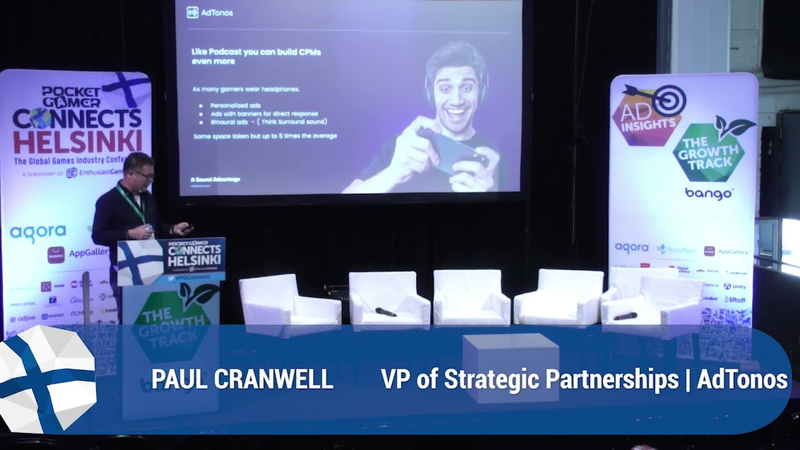
How Can Publishers & Developers Maximise Audio Ad Revenues - PAUL CRANWELL
Key insights
6 takeaways- 01Approximately 61% of mobile gamers listen to music while playing, creating a natural, high-engagement environment for audio-based advertising.
- 02Audio ads offer a non-intrusive monetization alternative that improves retention, with research showing gamers have 36% to 39% higher memory recall for audio compared to video ads.
- 03To attract major global brands, developers should use SDKs to place ads during natural intermissions or waiting periods rather than using disruptive mid-roll interruptions.
- 04Companion banner ads can be paired with audio spots to provide a direct response trigger, effectively bridging the gap between passive listening and active engagement.
- 05Developers can increase CPM rates by shifting from internal reward-based ad loops to high-quality, third-party brand integrations.
- 06Advanced behavioral targeting and dynamic ad generation—including localized scripts and city-specific messaging—allow for highly personalized advertising without requiring first-party data.
Ask AI about this video
Transcript
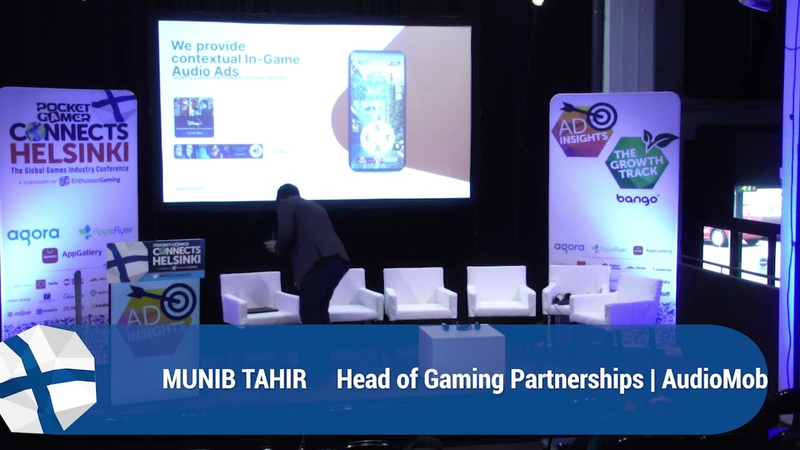
[Music] thank you [Music] here to talk about how can Publishers and developers maximize audio ad revenues we have Paul cramwell of AD tonos hello do you have everything you need are we ready hi everyone Hi um yes thank you for coming to see us today uh I want to talk to you about how to build and maximize audio ad revenues now for a lot of you you'll know that audio is pretty new I'm going to cover off why audio why why
is audio so important what's the current market for audio is it really worth it is it worth the time of the effort when there is so much money involved in video and display what are the challenges that the gaming has in this for this better market and and the ads and the CRA and the crms what's the solution to overcome the challenge and the prize what's what is the prize what's involved so in a recent yoga study players were seen to prefer audio ads no surprise because it doesn't interrupt them when they're playing their game it doesn't stop them actually playing the game and even more interesting the highest proportion preferred audio ads when it
comes to monetization now that's great to say when you're a gamer but it doesn't necessarily translate if you're a publisher the good news for advertisers is that the ad retention is stronger than video this is particularly important when trying to attract fncg and Global Brands brands that are coming in from outside if you want Brands motor Brands travel Brands food brands this is really important because they're looking for Roi and for those of you who think mute is always on well 61 listen to music while they're playing a game on their phone we also see here that 36 to 39 percent have a stronger retention when it comes to memory recall of those ads so what is the current market like well as you can see this is a UK chart
from the IAB that talks about revenues in the different streams um so this is podcast and streaming over the last three years what's interesting is that with gaming gaming is pretty much is less than two years in terms of audio having come through so the good news is is that actually gaming is accelerating all these numbers and what we're seeing here growth is actually replicated across the UK across the US and Europe as well so it is a reflection the audio is in a good place and growing quickly so what are the challenges well as I said audio is pretty new um it's new to the gaming industry but actually if you think about it it's the oldest Communication channel to man so why is it so um
why is it so difficult for gamers to really get their head around well of course they've just not had it it's it's new in that suddenly you've got something that's audio but actually games are a very visual um are highly visual so we've also got the issue of the domination of display and video together so now how do we find ways of actually trying to make sure that audio can complement and there are things that are being done there's also little data so the actual gaming industry is not providing much Insight or data to the ad industry so that again this is very this is awkward because ad agencies want to see proof they want data who are my people advertising to so if we're going to attract those Brands and actually encourage more third-party Brands this
is really important reporting is therefore minimal and of course transparency and brand safety is now becoming the big issue everybody wants to know is this really being delivered is it safe is it good is it in a good environment you see brands have been using Radio podcast streaming for a long time and it's been traditionally A Safe Haven this is new this is new gaming is new to them there's a lot of duplication we're seeing a lot of games being duplicated by through multiple channels that's not a problem it's just that it exists so it's about making sure that your products stand out and of course there are low cpms if you're going on a programmatic buy if you if all you are is part of a straightforward programmatic by cpms can be quite low but then but they're higher than display and they could be even higher
so let's have a look what is the solution so a solution we've come up with is and you were you'll have heard people talk about an SDK but the SDK is important because it allows us to actually start creating value this is actually designed to make sure that we can start to place ads where they should be rather than just being uh pre or mid-roll they can also be placed in intermission if you've got a game that involves a waiting period where people are competing with each other that's an ideal place to sometimes place an ad but even if it is mid-roll you're not stopping them playing you're allowing the audio to roll furthermore we've got a banner ad that can be included so you can have a companion Banner which is at the bottom or the top or wherever the gaming
company chooses so the idea being that you still get the benefits of audio but you can still then offer a trigger a direct response trigger that people can actually then click the button and off they go they can go and get further information with purposely and for those of you sat and watched the last presentation we've not gone down reward ads because companies like ours are trying to encourage more third-party Brands reward ads are very focused on the industry itself and gaming companies advertising on games and the problem with that is of course that you're just actually encouraging the same circuit of Revenue now it's a big Circuit of Revenue what we're trying to do is bring more third-party brands in so how does it all look and sound well here's an example of how it might look
I feel sorry um is the audio working no okay there you go technical first technical hitch of the day uh there should be an audio ad playing with this um will carry on so where we have with the SDK we also have behavioral targeting built into this this behavioral targeting allows us to actually without using any first party data working with a company called number eight it's actually allowed us to identify the different Lifestyles and behaviors of people in this chart here this is a volleyball game so at the top there you've got desk jobbers at the very bottom Fitness Fanatics
joggers students or teachers very low so you know if you were Uber Eats or Nike you know who's going to be best off there it's going to be Uber Eats isn't it because of course these are people sat at their desk they're people that are typically working on a computer so straight away it makes it easy for ad ads and Brands to start making decisions oh that's a good environment they're the kind of guy Brands we want to go with on top of that we can see what their situation is is this is this Leisure is there a work interestingly on here you've got working out extremely low well of course it would be wouldn't it they're playing a volleyball game but at the end of the day it does just give evidence and insight and fact and furthermore we can see 91 to stationary well I would hope so they're playing a game
but interestingly second one on there is in vehicle well I hope it's not the person who's actually driving the car and it's the passenger that's playing the game but what this is all about is this is about being able to get insight that we can then take to the ad industry to actually help build their confidence in gaming as a as a as a channel that is primed for them and furthermore it gives us insights in this particular instance we're able to see things like uh Sports gamers are 10 times more likely to walk to work than players of shooter games so this is this is helpful stuff and this is helpful insight for brand agencies they're twice as likely to be professional uh shooter games they're twice as likely to be professional drivers than players of sporting games and three times more likes to have an active job than player Joe players of
RPGs and so on RPG players are three times more likely to be socialized than players of future games okay so what this is just could be useful so you take that and you can draw it out across the industry and importantly when you can identify who these people are and what they're doing it allows for elements of personalization it means we can start to talk about great creative because the better the ads are the more you can charge for them and this is how we start to drive value and cpms so for instance hopefully the audio will work here because if it hasn't it's going to kill it so I do apologize but hopefully this ad will give you an idea of what we could do we've got two ads here no is there any way of Okay so
I do apologize there should have been an Uber Eats out there so I'll just I'll just tell you what you should have heard the first AD should have actually played an Uber Eats ad that was about getting burgers and and getting your food delivered that was very much designed to Target uh perhaps a desk jockey somebody who's sat at home playing their game the second ad was also ubereats but targeting people who are into fitness people who were actually out and about Healthy Lifestyles who are bothered about what they put in their mouth and again this is about choosing having the food that is healthy delivered to you it could be the same campaign just different versions targeting different people furthermore there is the capability now to also create campaigns that can be targeted with different variants so for instance for
different GEOS you could actually have the same campaign running in different countries and we've now got there are systems that can actually deliver the same script in multiple languages relevant to the country they're going from or even just mentioning the town if you know where there's cities that you're targeting you can do versions you can do hundreds of versions mentioning the town an area that they live in the reality is the more something feels relative to you the more likely you are going to respond to it so of course with Gamers wearing headphones there's also another element that we're working on which is to the encouragement of something called binaural ads binaural think around surround sound this is like 3D now these ads have been started to be used quite a
lot within podcasting and we know that the effect it gives it's highly visual and gives a very memorable content now again for a lot of Gamers a lot of gamers are playing these games with their headphones on so encouraging this better quality type of ad is going to help drive up your cpms and we know that this works because we look at people such as podcasts and within podcast if you just run a standard radio ad that has been programmatically purchased you're probably going to get the lower CPM the minute you start to be able to bake things in maybe get a presenter to read something and you add more value and make it more targeted the cpms drive up and we know that these cpms are getting five times more than the lower end stuff and we can do exactly the same for gaming we just need to start building better insight and
capability so what's the prize you implu improve player experience and therefore retention one of the biggest problems in gaming right now is this churn people are getting fed up too much ads that are blocking their game they get fed up and they move on it attracts more consumer Brands which has got to be good because that'll help to grow the industry it expands The Advertiser pool and finally drives up those cpms and add Revenue so in summary audio ads have better recall than video they improve user experience and retention the SDK offers ad buyers complete safety in their buy there's no worry about it not being delivered better ad insertion options can be added with display ads
it improves user experience improves user retention and drives up yield thank you and sorry about the ads not playing I do apologize thank you thank you Paul oh we've got uh we've got a few questions a few minutes for questions so um so does anyone have any questions that they'd like to ask Paul about audio ads I've got a question I've got a couple of questions actually and that's all right so um that was interesting really really interesting thank you and some good data there uh about about audio ads so um because they're non-intrusive and people are playing and yes how do you measure how successful they are how what's the call to action from an audio ad that you're able to track so if you think about um audio ads have been running on radio and podcasts for years already so the majority of ads that are running are not direct response ads and I think that's
the key thing is that there are ways of measuring um if you've got an SDK included you can actually build in stuff but the the truth of the matter is if you haven't got a banner you can click on right would you which you said you do you can yeah yeah we could do that with SDK if it's just uh run programmatically then it would be just like a radio ad you would you would look for higher traffic on your website or whatever but you probably wouldn't be so reliant on a specific call to action right the other thing I had was I was really interested in the way that you can personalize the The Experience yeah how how granular can that get if you you know if a company has uh if a brand has booked an ad space through um throughout tolos uh can they deliver almost an infinite number of very variations of the ad for that to be delivered in that slot or or how does how does it work in terms of placement of variation well I was talking to a guy who the company we we would use
um and they did a campaign in North America that was for 650 different cities from McDonald's right and each one of the McDonald's ads had the the city that it was being broadcasting separated right and it and it's it's actually created um through simulated voice but actually the voice is sounds really realistic that's good because I was going to say did they record 650 versions of that but no there you go yeah that's good now that's really interesting um there's no here's a question here I'll bring you the mic and then we can we can all here yeah hello uh thanks for the speech uh I was just wondering you mentioned the SDK so it's the SDK for Unity it's it's built for all three Unity IOS and Android great thank you uh how are we doing for time does anyone else have any have a question for uh uh report over here or what I suggest is um it can be obviously very difficult for um for people to to to speak up in front
of everyone and if anyone's like me they'll probably get back and have a coffee and gonna go ah I wish I'd asked him but you're around all day I suppose we guess like people can find you on on me to match yeah actually we've actually gone a couple of minutes before our next speaker comes along actually would you mind giving us maybe a little bit of insight into your own background how did you come to work at Thomas you've got a second to tell us that because we've got a minute or two yeah I can do uh I've been in the audio industry for uh over 30 years most most of it running radio station sales teams commercially and then working in ad agencies including specialist audio ad agencies right yeah okay and that so that was your route into it into game audio ads for games yes great well look thanks everyone if everyone wants to take some questions to Paul uh about about audio ads then um find him on the email was right there I'll find him on me to match but for now thank you very much Paul [Applause]
Summary
Audio advertising represents a significant, underutilized revenue stream for mobile game developers and publishers, offering a non-intrusive alternative to traditional video and display formats. By integrating audio ads, developers can improve user retention and player experience, as audio content does not interrupt gameplay. Research indicates that gamers prefer audio ads over other formats, and these ads demonstrate stronger memory recall—often 36% to 39% higher—compared to video. Furthermore, approximately 61% of mobile gamers listen to music while playing, providing a natural environment for audio-based monetization.
The primary challenge in adopting this format is the current lack of industry data and transparency, which hinders the ability to attract major global brands accustomed to the safety of traditional radio and podcast advertising. To overcome this, developers are encouraged to utilize Software Development Kits (SDKs) that facilitate precise ad placement, such as during intermissions or waiting periods, rather than relying solely on disruptive mid-roll interruptions. These SDKs also allow for the inclusion of companion banner ads, which provide a direct response trigger for users, bridging the gap between passive listening and active engagement.
Advanced behavioral targeting, often achieved through third-party partnerships, allows for highly personalized advertising without relying on first-party data. By identifying player lifestyles and behaviors—such as distinguishing between desk-bound workers and fitness enthusiasts—advertisers can deliver contextually relevant messaging. Technologies now enable the dynamic generation of hundreds of ad variations, including localized scripts that mention specific cities or languages, which significantly increases ad effectiveness. By moving away from internal reward-based ad loops and toward high-quality, third-party brand integration, developers can drive higher Cost Per Mille (CPM) rates, ultimately creating a more stable and lucrative monetization ecosystem.












Comments