1 free read left. Create a free account for unlimited reading + AI research.
Create free account
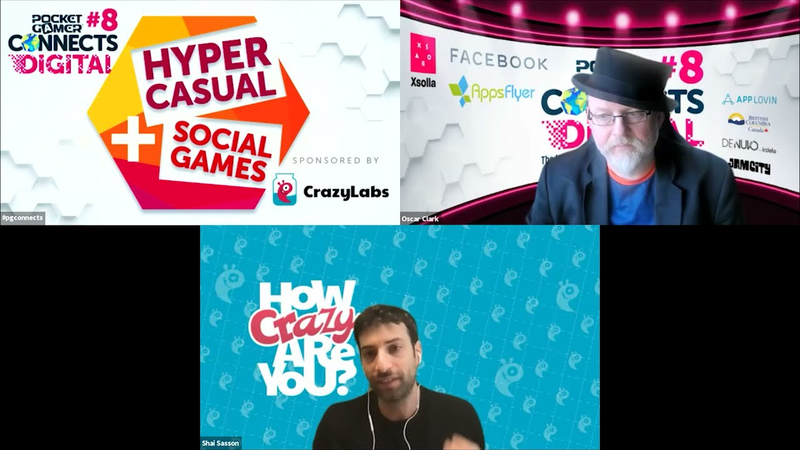
Superstar Session: Long-lasting Publishing- How to Create Hypercasual Hits That Cross 100M Downloads
Key insights
5 takeaways- 01Achieving 100 million downloads now requires robust live operations that transform simple gameplay loops into dynamic environments through progression and self-expression features.
- 02Long-term player retention is driven by integrating social and creative mechanics, such as competitive contests, voting systems, collectible items, and photo albums for sharing in-game designs.
- 03Sustained success relies on data-driven roadmaps and continuous A/B testing to refine content based on real-time player demand rather than relying on initial launch momentum.
- 04The hypercasual market is shifting toward a 'hybrid-casual' model that combines low customer acquisition costs with deep retention mechanics to sustain titles beyond the traditional one-month lifecycle.
- 05Hypercasual developers maintain resilience against data privacy shifts by focusing on universal interests and rapid prototyping for broad audiences rather than invasive individual user targeting.
Ask AI about this video
Transcript
we can now move on to uh shy from crazy labs uh cheryl is going to talk to us about long-lasting publishing how to create hyper casual hits that cross the 100 million download threshold so shy are you there hey how you doing hey i'm here how are you how you doing so i'm going to uh hand straight over to you so we can get straight into it so today we'll talk about long-lasting publishing and how to create hyper casual hits that can cross the 100 million downloads mark so my name is shai i am the head of publishing here at crazylabs so a bit about crazylabs we're top three publisher worldwide we've just picked 4.7 billion downloads and have over 200 million monthly active users
and these are some of the games that we've released over time um and i'd like to draw your attention to the games that crossed the 100 million download mark or just about to reach this uh because today we'll talk about the key elements that we need in order to reach this milestone and we can see that the average time that takes these games to reach 100 million downloads is anything between 6 to 12 months now before we move forward and talk about 100 million downloads let's talk about the hyper casual market we see that this is a report by google by the way we see that the average gaming industry is growing around two percent year over year while hyper casual is growing 19 over here and this can cause this kind of boom in the industry and allows these games to reach
the 100 million downloads milestone so what kind of games can cost 100 million and and it's interesting to look at the interesting as a whole and we see today that games hyper casual games peak even after their launch and we see that the download momentum remains post launch while looking back we saw that hyper casual games reach the top rather quickly and then a few months later they disappear and we see today um that this uh this is a totally different and we see that the download momentum and the uh stays long after uh the first launch now we've seen the growth in hyper casual we see the report by google showing that hyper casual is by far the most growing
genre so far and we've seen that some of the sub genres that we've might have considered niche in the past today with the growth is now considered the subgenre on on its own you know today everyone has a phone and their potential to become a hyper casual player and this causes these kind of niche genres or nis niche subgenres to become a genre on their own and can help the the growth of the hyper casual market by adding these sub-genres and becoming a complete genres on their own now taking a step back and looking what are the key elements in order to reach this 100 million milestone and you know some people call a hyper casual now hybrid casual but to be honest this kind of growth is simply because the hyper casual is maturing however the basic is
still the same so the concept the idea the gameplay the core gameplay loop low cpi the ability to market the game and the high retention of the basics of this what we call hybrid casual or the growth of the hyper casual and this remains the same now let's talk about this specific game tie-dye one of our most successful game and take you backstage to some of the features and content that was added during the scale and post launch of the game and that helped reach this 100 million milestone so one of the first things that i want to show you is the contests now this is not a a standard hyper casual feature that we see in many hyper casual games but everyone loves to compete
and this kind of competition gives a player a sense of progression and a totally new dimension to the game however these constant contests don't appear all the time and players come look for them and it gives a player a whole sense of a whole new level of gameplay that they can play and we can see that this kind of feature is very very successful taking this step forward and we've seen that players are now able to enter the contests but we've added a new feature that is now called voting players have the ability to enter the contest and be a participant in the contest but by enabling them to vote during the contest it gives them now a sense of self expression now instead of just being a contender they are also
a judge and doing that also expose them to new content new designs different design features and at the end it gives them the ability to receive unique rewards that they wouldn't be able to receive them differently now i know this is not a standard hyper casual uh uh feature and it's taken from casual but as i said today you can call it hybrid casual you can call it hyper casual but these features are added post loans are now able to dramatically change the whole game itself and improve the usage and retention it can help drive these kinds of games to reach this milestone another feature accessory stickers clothing essentially we call them collectibles now collectibles you can find in many of the casual games but these kinds of
collectibles are something that can be a game changer everyone loves to collect different unique items and their rewards and and it gives the players a sense of ability to continue to play the game you know these kinds of collectibles once they receive them and they're very unique it's harder for them to leave the the game it helps them to continue play the game they're able to collect these rewards they're very rare very unique and what eventually it causes them is to continue play but they're demanding more and more content they want more rewards they want more content and they want more unique rewards and this on the other hand gives us the ability to add these kinds of content and features that players demand to one of the last features that i want to show you here today is the photo album
and now the the photo album enables the players to collect and save the designs that they created during the gameplay and it gives them the ability to later share it but it's more than that now they strive to broaden their collection they start to create better designs more designs they want to share it with their friends now after they created the design that was a part of their contests uh they can see if they want a specific reward for that they are able to share it and show it to their friends it gives the game a complete new level of gameplay and now the core gameplay loop remains the same but this kind of feature like the photo album enables the the players to be more connected to the game it gives them the ability to show their friends what they've done they they now see their progression they are seeing their past success
and by that they are able to play for longer and enjoy the game on a totally different level and i think that these kind of features especially the photo album are complete game changers and you know we're not seeing them in many hyper casual games but today we see that these kinds of features are key and to the success of the game and the growth of the game post launch now uh taking back uh to what we've talked about today and we see that hyper casual games today show very positive post-launch momentum we see that this momentum is growing rapidly after the the launch itself differently than what we saw in the past when we see that hyper casual games reach the charts very quickly but disappear after a month or so and but we see that the core mechanic and the core gameplay loop the retention and the marketability of the game is the basics of these kinds of games and they
are the same and remain the same and in order to reach the success of these kinds of games you have to have the basics of that we've seen some of the features that were added post launch and of course all these features were a b tested and later added to the game itself once you launch the game it's very important to work with your publisher and to work with the game product team create a roadmap that were that enables you to understand what kind of features you want to add what will be the next a b test and what you want to later add to the game now we know today that post launch is very important we see these these features are critical to the success of the game so work together with your publisher to create a roadmap that can help you increase the outpouring in improve the game and keep it live for as long as possible and these kind of features that we see that are taking from casual games that
are not the hyper casual genre games that we see in most games are important to the growth of the hyper casual market you know you can call it hybrid casual but as i said to be honest it's simply a mature of the hyper casual uh genre and the hyper casual market that we see today that enables us and enables the the developers to reach these milestones more and more and it's important to understand that you know once you launch the game it's not ending there you have to keep working on the game you have to have to add content the players will want to have more content and new features differently than what we've seen in the past now everything that we've discussed here today um is a part of the crazy hubs accelerator program that we have all around the world in india and turkey in serbia and south africa it's essentially a program where you get funding and
mentoring that enables you to understand the hyper-casual market and enter the hyper-casual market and you can search for the crazy hubs all around the world and see more information on our site and uh one last thing that i'd like to mention is that our data driven success competition in partnership with apani has a new deadline and it's been extended until october 10th and this competition enables you to first receive the ebook and webinar that every hypercasual developer and studio needs in order to understand today's hyper casual market and a lot of data that can help you create a better prototype and more prototypes you can definitely sign up for the data driven success competition you can find it on crazylabs.com website and i think this is pretty much for today i'd like to thank everyone for joining and
uh oscar if we have any questions i'll be happy to have so many questions that was really fantastic and i think um you know what you're kind of describing it frankly i want to go on one of those courses um because i you know i'm always keen to learn more about you know where different things are designed and i spent so much time thinking about design and i'm sure i overthink my design constantly so i'm sure i would get loads loads of this stuff right so a couple of things that come straight up so how much time should games like this take to make now obviously i'm talking more about the kind of the hyper hyper casual stuff necessarily than the the hybrid but i think would be quite interesting to see if there's a difference between the the more hybrid style versus the hyper style or even ultra ultra yes i have to be honest i don't see a difference between what people call hybrid casual and hyper casual as i said the core bass basics are still the same the high retention the low cpi is what enables you to reach a point where the
game can be published and to answer your question as fast as possible it can take anything with four to eight weeks or sometimes even longer but what's important for developers and studios to understand that now they've reached the point where the game is published it doesn't end here and in order to continue developing the game and continue to scale the game and reach these kinds of milestones and tons of downloads you have to create the road map that you will have to continue developing and ending features and a b testing tons of stuff some of them you'll have to scratch because they're not good enough some of them they are very successful like the features that i showed you today but i'll guarantee that the developers that work together with us a good example is by tie dye developers they are constantly working on the game years after the the game was already launched and the reason for that is that we see this kind of hybrid casual games are able to continuously remain in the charts
because you are able to increase the output while improving the game adding more content because the the players today will also demand that well i mean i think what you're highlighting there is kind of where i'm coming from so i'm obviously looking more at living games so longer term retention based games which do require more kind of focus around the context loop and so on and so forth but i think where we're absolutely aligned is that that stuff comes out of continually developing something once you know it's working i think i think the barriers between you know what is a hyper casual game versus what is a living game it's going to be increasingly blurred because the lesson i think from hyper casual is the amazing kind of fortitude of the process you know only building the things that you know has an audience potential doubling down on the fun of that experience so that you can retain them finding opportunities within the flow of that experience to monetize whether it's through ads or through iop
basically working out why people should care and i think that to me is the same principle regardless of what kind of game you're playing and also regardless what platform you're designing for but we just don't have the tools to do the direct ua for pc or console games and frankly i worry for those those publishers on those platforms if ever we get the tools because i think they're dead i mean okay i'm exaggerating but if you think about it if you guys were able to do the stuff that we're able to do on console and pc as effectively as we can on mobile intimacy that can never happen on pc but that interface that we have with mobile yeah what do you think about that i mean am i are these techniques something that should be applied in other platforms as well i mean do you think this is a purely unique thing to the nature of the mobile phone being in your pocket well it's hard to say first of all we see that these action items that we're
taking are highly successful and obviously if the if other platforms were able to implement that there's no reason that these won't be successful but they're still uh growing and they don't have all of the tools that we're able to see and do for example in in the mobile on hyper casual games and we see the the changes very quickly and anything that you implement after two three to five days you already know if it's successful or not while different uh platforms might take a bit longer so the process would be different but one thing that i totally agree with you is the blur between the hyper casual and the casual and the other platforms because today the only difference is if you're able to launch the game quickly and prototype quickly while in you know what you call long living games casual games or other platforms it takes a very long time to develop the game you have to invest a lot more money and efforts in order to understand and you know in order to develop and only then
understand if the game is successful while in hyper casual you understand very quickly you have exact kpis that you you know you need to reach in order to publish the game but later on that stage one once the game is launching post launch i do agree it's completely the same you have to add content you have to give the players more and more and i think that relies very much on data but that of course opens out the other bug there which i've mentioned in my kind of introduction to the session you know with you know um idfa removing the skyward network with things like the age-appropriate design code with things like gdpr we are seeing an unprecedented kind of assault and probably rightly so on the way that we capture data so we have responsibilities can we still use the data that we need to get the game experience for players that will make a better game or are we basically hampered are we finding that we're we're
now having to design with one hand behind our back and actually it could be the detriment of play i mean i'm trying to present both extremes of the argument obviously the truth is somewhere between two but i'd love to know what you think to be honest in my opinion you you said you have one hand be tied behind your back i don't see that because in hyper casual you don't really target players you don't collect specific data on the players themselves the only thing that you need to make sure is that you are able to prototype a game and a concept that is going to be able to appeal to a very massive variety of audience differently you're not targeting a specific audience or genre it's it's very wide and much different and the data that we have today that we're able to collect and be responsible about it is not something that is not able to uh to share the players are able to share and i don't see that it affects much and the hyper casual market and i think you've nailed it now i think this is the actual lesson for other
developers who are doing more long long term living games obsessing over the targeting of individuals as opposed to interest groups i think the mistake um now don't get me wrong it's lovely to be able to re-target people in terms of like here is a specific message that i know will appeal to you because i know you have played this game that game that game but if we don't have access to that because of the privacy connotations of that that's fair enough instead we know what those people actually enjoyed therefore we present them with information related to that and i think that makes life a easier for a marketing point of view but also it focuses on what's important i mean what do people actually care about i'm gonna there's another question here which is um around the peak high because i think john kind of uh raised that that specter and also other people have talked about hyper casual market becoming saturated do you think that's that's the case or is it just another hill to climb and another uh hill will
appear afterwards well i've been in the hyper casual in my business for a while now and every year you hear the same people say again and again and and we proved them wrong we see today that it's probably not going to end anytime soon it's just maturing and these kinds of games and genres people love to play and we've seen millions and hundreds of millions of these games being downloaded constantly the only change that we see and probably will see more and more is the difference between the live operations of the hyper casual games and what kind of uh updates and changes that you need to do to to the game's post launch no exactly and i think that's a kind of key thing one thing we have seen obviously in the last year and year or two uh i only mentioned this because i was i was actually called as an expert witness on on on one of
these cases uh we have seen some more predatory publishers pushing against um other publishers for the use of their game style their content um do you think we're gonna see more um aggressive actions by some of the publishers to try and retain their their rights or is it all gonna come down to basically innovation anyway um i mean from my impression of you guys you're all about the innovation um do you think you're seeing kind of a more aggressive um business scene or actually will that just roll itself out over time i think it depends on on the publisher itself and also depends on the partners and the developers that are working together with the publisher we are working very closely together with the studios that partner up with us we also feed them with concepts and ideas and some of them are coming from their side when it when we see something that is too close to something else in my opinion you know why go that way uh it's one thing that i have to
emphasize it's okay to uh to take inspiration from successful games and find something that will be total totally unique but if you want to scale again if you want to be scalable if you want to remain it if you want to reach 100 million downloads you have to be unique you have to be innovative and i see tons of developers that are very innovative and i think this is a great way to move forward with i mean the particular case i was asked to advise on was the voodoo versus homer games um and in that particular case uh i was able to demonstrate that the context of the game was completely different uh and actually the art itself was also not even original uh but that's another subject but i mean the key point for me was that the the way originality differentiation can appear in a game is often not the first opening scene
it's often in the sense of purpose and progression it's often in the kind of narrative it's often in the kind of the player engagement and i think that's why i think so exciting about hybrid casual because we're not just talking about the simple interaction touch we're talking about the whole experience of a game the the verb of the game that makes it yeah it makes total sense of course i imagined it you know not talking about the specific case i imagine that many developers taking inspired by different games that are very successful but if you're able to make it completely different you know it can still remain under the same let's say mechanic or or niche theme but if you can make it completely different if now the player who's watching your ad understand that this is a game that is totally different than the ad of a similar game and that you thought it's similar i think it's still okay again as long as you're able to to innovate innovate that's a great way to leave
this talk show thank you so much for that that's fantastic stuff um reminds me i i need to write up the article i was going to write spock gamer on that case but that's a different subject anyway shall i thank you so much you
Summary
The hypercasual gaming market is undergoing a significant maturation phase, shifting from a model defined by short-lived chart dominance to one characterized by long-term engagement and sustained growth. While early hypercasual titles often disappeared from charts within a month of launch, contemporary hits now frequently achieve over 100 million downloads by maintaining momentum through robust post-launch live operations. This evolution, often described as the rise of hybrid-casual gaming, retains the core hypercasual pillars of low customer acquisition costs and accessible gameplay loops while integrating deeper retention mechanics typically found in traditional casual games.
Key strategies for achieving long-term success involve implementing post-launch features that foster player progression and self-expression. Successful examples include the integration of competitive contests, voting systems that allow players to act as judges, and collectible items such as stickers or clothing. Additionally, features like photo albums—which enable players to save, curate, and share their in-game designs—significantly enhance player connection and retention. These elements transform the user experience from a simple, repetitive interaction into a dynamic, evolving environment that encourages long-term play.
The methodology for sustaining these hits relies heavily on data-driven roadmaps and iterative A/B testing. Developers are encouraged to work closely with publishers to continuously refine content based on player demand, ensuring that the game remains fresh long after its initial release. Despite industry-wide shifts in data privacy and tracking, the hypercasual sector remains resilient because its broad appeal does not rely on invasive individual targeting. Instead, success is driven by identifying universal interests and rapidly prototyping concepts that resonate with a massive, diverse audience. Ultimately, the industry is moving toward a model where innovation, unique progression systems, and consistent content updates are essential for maintaining market relevance and achieving significant download milestones.