1 free read left. Create a free account for unlimited reading + AI research.
Create free account
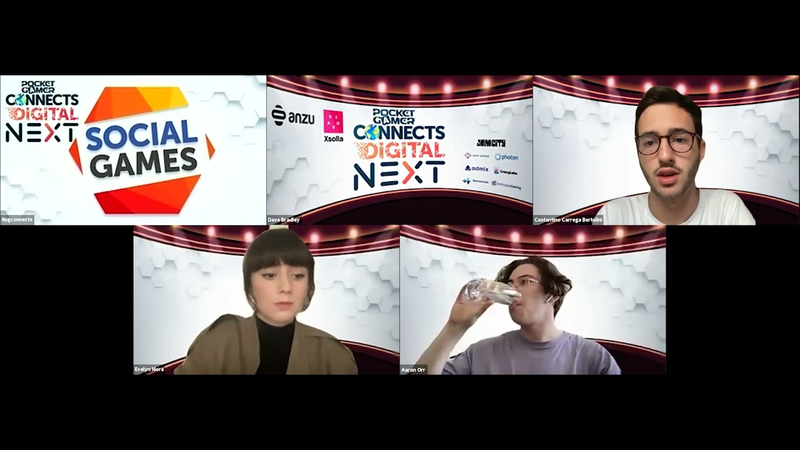
Panel: What Techniques Can we Apply from Hypercasual Games & Bring into Living Games?
Key insights
6 takeaways- 01To increase player investment, developers are shifting from simple click-driven loops toward deeper meta-game mechanics and user-generated content.
- 02The mobile gaming industry is converging toward a hybrid model that merges the frictionless, low-barrier entry of hypercasual design with the long-term retention and monetization structures of live service ecosystems.
- 03Hypercasual developers are increasingly integrating live-ops and in-app purchase (IAP) frameworks to extend the traditionally short lifespans of their titles.
- 04Live service developers are adopting hypercasual design principles to simplify complex social and gameplay systems, making them more intuitive for broader mobile audiences.
- 05While blockchain, NFTs, and play-to-earn mechanics offer potential for increased user agency, their mainstream adoption is currently limited by technical challenges regarding interoperability and accessibility.
- 06The integration of narrative and persistent features must be carefully balanced to avoid excessive complexity that could alienate the core casual demographic.
Ask AI about this video
Transcript
so everyone you're into the last session of the day here on the social games track at pocket gamer connects digital next day three uh the morning's almost over we've got um a panel to to uh to send us out here um remember of course that we are uh continuing this afternoon with uh with two more um virtual stages if you like two more tracks this afternoon and of course we've got uh thursday and friday beyond games the standalone um conference all about the future of gaming which your ticket to pocket game it connects digital next entitles you to do so do join there as well so i would like to welcome to the stage our final session of the afternoon a panel about what techniques we can apply
from hyper casual games and bring into living games now what i'm going to do is i'm going to hand over to aaron orr who is the news editor of uh pocketgamer.bears hi aaron um you uh i'm gonna let you introduce your um uh your guests and uh and take the panel just a reminder to all the folk watching this that one of the advantages of watching it live rather than recording is that you can drop questions into the into the zoom so do drop questions into that q a box at the bottom of the window there and uh aaron you can grab them from there at any time but if you want me to help with anything just just shout out i'll pop back in i'll be i'll be watching from the wings so uh over to you and your panel okay thanks dave right so hello everyone today we will be speaking about what techniques as dimensions we can apply from hyper casual games and bring them to living games and with me today i have evelyn mora from i hope i'm pronouncing that right the founder of digital village and constantino correga bertollini the vice president of product from tap nation
which uh constantino would you like to begin with a little introduction about yourself and what you do at tap nation sure so nice to meet you everyone thank you very much for having me here uh i'm uh costa rica product as technician as erin was saying uh and so definition is a hyper-casual uh publisher so we focus mainly on publishing application games uh i do myself especially uh focus on everything products gaming especially so from ideation coming up with new ideas market analysis and things like this to game design afterwards and improve the metrics and bring the games uh until basically publishing and scaling worldwide okay good to know and evelyn would you like to say what did you do at digital village definitely um so thank you for having me um digital village is a real-time sustainable mmo metaverse with its own
marketplace blockchain interface and metaverse built on unreal engine okay brilliant very very kind of modern interesting things from both of you here uh hyper casual and blockchain are definitely at the forefront of the industry so to start i thought let's talk about what some of the defining characteristics of hyper casual and live service games and what differences do they have in similarities they share costa would you like to start [Music] very well oh i think uh it's possible that uh const uh i think maybe yes let's let's maybe take the question to
even well well you've frozen for us there we go i think you might yeah there we go you're back yeah you're back costa yeah all right sorry for that that's actually would you like me to repeat the question yeah if it's possible yeah of course yeah so what are some of the defining characteristics of hyper casual and live service games so what differences do they have and similarities that they share obviously you're coming at this from the stand of a hyper casual developer and publisher sure yeah i mean for for hyper casual obviously uh we have like games have like as the common characteristic that they're usually very like snackable you know like games you can play for very short sessions uh they are usually very relatable in simple games like the themes use as well as the art style are generally speaking very for a very broad audience uh whether it's a like geois or uh gender wise everything and uh and finally uh they're usually very
straightforward satisfying uh and they're relaxing experiences uh so that more or less would be like the kind of the basics of the hyper casualty and what would you say are some of the big similarities that they share with live service games uh because obviously as hyper casual games don't have the same kind of lifespan as maybe a live service game would have would you say that it's that they're trying to keep with what's trending definitely i think that something they have in common is the fact that you'll like you will be brought to do many sessions on the understanding potentially short ones as well sometimes uh so that's what we aim for as well with the upper casuals sometimes very short levels people will keep coming back to them and on top of that i think that generally speaking they try to both hyper casual and live service games try to aim for uh
low barriers to entry in general uh so try to attract as many users as possible italy and then try to hook them in the in the long term as well so interesting stuff uh evelyn do you have more to add i think costa took the took the cake not much to add to that uh so i can move on to the next question we'll start with you this time right now um what would you say some of the key things developers need to think about when they're developing a casual game well um i think that um key things to think about is what kind of interactions users have with one another i think essentially um it's the key what kind of um yeah inter i mean um or what kind of tools uh you know the users have on the platform i would say
i don't know if that's a the right answer but um there's no right or wrong answers um so what we'll move this back to koster's obviously coming from the development side um what would you say the kind of things at the forefront of your mind when you are developing your i mean you've got 30 tap nation has 13 games like 350 million downloads so you know what you're doing on this front so what would you what advice would you give i think it goes back to what i was saying earlier so like the the general uh attributes of hyper casual games are also the ones that you should really keep in mind when developing them uh so that i was saying like very relatable and simple themes mechanics uh and the art style that's for sure uh then uh the other one i was giving again like the satisfying relaxing rewarding side of things so like again that you should apply to mechanic theme and art cell again so you know like basic themes such as love and money things that everyone gets everyone wants
hypercare is very straightforward in that sense so that's the ones you should go for uh and um and yeah i think that's the the most important things uh and again keep it readable simple uh very straightforward and attractive things yeah just hit the nail on the head with some of those um and we'll fire back to evelyn with our next question uh what do you think some of the benefits hyper casual games can bring into a live service um so kind of the the features that cost has mentioned already can you expand on that question please yes so so operating a live service uh obviously live ops are a long term kind of uh endeavor and we've had casual games it's often as not the shelf life isn't as long so what what could you add from hyper casual kind of the quick fast kind of user interaction bring into a live service to
keep the live service perhaps going for longer what are kind of transferable features between the two well honestly i have to say that we are not building a hyper casual game so i'm a bit i have to like come come forward and admit to everybody that uh this is something that i have in my to-do list in like q3 next year so to me uh this is all about um sort of um this touch touches on the uh the road map of digital village moving to mobile right this is how this is how it all translates to me so maybe i'm not the right person to tell you what are the best uh characteristics or differences between these things but what i can say is that um i'm very much focused on design um and i think that where i see you know games and social games in particular going
is um you know in a real-time sort of socializing world if that makes sense and so i feel like for instance if we think about uh digital village this is something that i've been repeating uh constantly is that we fall into this kind of luxury luxury box unfortunately right now because we are very limited when it comes to device right when it comes to our design and interaction so when we we are already working on it but we are really far from sort of that particular space that when we go to mobile or we migrate into these different devices we need to do some really serious thinking about you know how digital village translates and how our our game mechanics and the social element translate into this sort of um low tech maybe if you will or or uh
yeah environments so i think that um it's all about design combining to our everyday lifestyles so i i would like to play games that actually bring benefit to me they're easy to access but they're also fun but they are useful so i think gaming is going to sort of come into this or or become way more useful and less kind of entertaining or maybe adding that usefulness to that entertainment i don't know if that makes sense but yeah yeah yeah that makes perfect sense especially with the the um kind of the quick easy to access uh kind of elements of it and combining those with as like a service such a digital village so it's like bringing tech like techniques or flipping the question the other way around rather than hyper casual techniques into live service games what
about live service games into hyper casual games so costa what kind of approach would tap nation take to doing something like bringing it typically live service features over into one of your hyper casual games yeah i mean as you may know like uh hyper casual games especially in the beginning uh were mainly depending in terms of monetization on interstitial ads so like forced ads that you just have to watch like the the unpleasant ones uh so with time uh we were shifting more and more towards for example we were already video monetization to in general make the user experience again more more pleasant for for users and for players but something that we're obviously always looking at as well is his iaps as well and all you find new ways we can find to customer position for our users uh that's we can we can really see a lot of benefit for us to
have players get subscriptions uh and especially and those kind of other internal purchases so something we're definitely trying to learn from uh from living games is uh their capacity to be efficient in terms of a live ops to have like a real meta game that really keeps a player coming back to the game for not only days which is what we usually for but also weeks and months it's not the case yet but so that's definitely what we're trying to get from that kind of expertise uh you know hypercash was a very young industry and a lot of us were not into gaming a couple years ago so we're really trying to understand more in terms of design how we can you know like not only attract users for a cheap cost but afterwards keep them for way longer time uh as in we attract like we we quite a lot of users are very low costs and some of them might just stay one day but some of them might be interested in stay way longer so we should have structure
to also keep those users that are interested in more long-term experience interested in our game for long for a longer time yeah so i guess this can be flipped on the other side for evelyn and say what kind of techniques would you use as uh digital village to keep bringing users back and keep this prolonged experience and as costa mentioned the the metagame something that people keep coming back back to even though there may be competitors in the hyper casual industry there's a lot of very quick competitors and whenever there's the new game people will quickly flop from one to the other how would you sustain something with long life what are the techniques that you choose yay finally a question i understand um so i would say that it's all about when it comes to live games it's all about uh sort of reading your audience understanding your your target audience if that makes sense or your user base um so ultimately i believe that um i don't like the idea of kind of
developing one game and just doing it over and over again but i really like the idea of the game living and changing um and sort of evolving with time and kind of giving users a lot of space and agency and in-game editor tools especially what we're doing in digital village right now for them to sort of create those moments and create that sort of passing hype and situations and experiences um in real time i think um as you guys know a lot of uh hype is happening in the in the gaming industry right now it's very sort of i think it's very saturated in a way because um i again think that it's really important that the games are useful so when something is useful for the user they'll come back so it's not just for the benefit of the platform just dropping or selling something quickly and doing quick profit but i think that
just as it is in any industry it has to be engaging and involving the player um into the actual building and development of that uh particular platform so i would say that it's a form of art you have to keep curating and be really active with it and i think that those games that are flexible and can pivot like left and right really quickly and just sort of react to what's happening in our world will win and be stay relevant and consistent so a really interesting point you've made about user generated content because that is definitely coming like a lot of people are different coming to grips with that being the main focus at the moment and um [Music] uh costa how would you see user generator content being implemented in hyper-casual games because as evelyn mentioned it is always what is trending and what is happening now and the turnaround for higher casual games can be quite quick so something that's usually generated
do you see do you see there being a space for that in the hyper-casual sector i think it's uh it's obviously extremely interesting for and something we should look into it into for sure i think it's uh i i see it kind of something quite far uh from uh from hypercaster at the moment but you what we're starting to see already is a few hyper casual games where we where some iterations were tried for example with the creation of tracks from the users right it's like very basic form of user generated content but it's the kind of thing that is starting to make sense in hyper casual i think people are the quality overall of the game is increasing a little bit uh so users are also more engaged and they want to have a more personal experience so i think it's just the the beginning and it can go much further than that but i definitely think it's something that works with hyper casual it's just that our current uh production cycles are so short
and so we this kind of stuff obviously takes more time and because there's also you know potentially the uh building a community behind it and everything that's obviously makes it a lot much larger projects but yeah definitely something i think that is very potentially very interesting to use with the hyper casual players especially as well when we have in mind potential interactions over social media and since we acquire all of you all of our users from social media in the first place they're surely the same people who would be interested in sharing their new track their new character and stuff like this yeah user acquisition is of course essential for any long-term growth and social media is a great way to do that a question for evelyn now about that actually how would when you're targeting an audience you mentioned coming into the kind of mobile space or maybe q3 next year going into development uh how would you approach kind of targeting an audience for your service
what makes you decide what platforms are for which audiences kind of what data did you look at when you're doing that um you know i just want to add that kind of jump left and right i want to add that uh when building a game that like psychology is super important so um i really sort of um it depends on your um your audience essentially you have to analyze them know them and i think that uh if i understood your correct your question correctly do you mind repeating it sorry i just arrived from spain so i'm just like no problem if you're a bit jet lagged but yeah so saying when kind of targeting an audience because you're doing a live service of the audience you want to evolve and expand when hyper casual games normally target specific audience and they're on mobile so they are focusing on who is on their
mobile who's going to be interested in this let's say if it's a new asmr game who who's into asmr and they're going to play this new game with a kind of evolving service as you i mentioned something that keeps changing how would you keep expanding your audience to kind of cater for more people okay so i think that we have to be aware that uh the audience is evolving themselves they're becoming more demanding as costa was saying about um the idea that essentially the user wants to have things very personalized individualized i think that hyper casual games are very addictive and people play them to kill time most of the time right so how is that beneficial you know it's just feeds into your social anxiety i have my phone full of uh uh hyper casual games just because uh of testing um but they are super addictive and and um i think that
um we need to be aware of the again how you know those platforms or experience make people feel and i think that uh target people based on that basically what kind of experience you essentially leave the player with does that make sense i mean maybe i'm just like this boring professor type of person coming to like a game jam and ruin your vibe but but i have to say that um ultimately how hyper casual games are functioning right now they are not sustainable they are not useful they are fun they are addictive but they are not useful and they are boring so uh in the end of the day i mean at some point you'll drop them i i i i'm talking about myself so um so ultimately coming to coming to um
final point i would say that as we have seen what's happened what has happened with fortnite and travis and all that stuff where it all began and how gaming has expanded to become this multi-disciplinary industry all of a sudden everyone's going into gaming and so on um everyone whether you're creating a hyper casual game or a metaverse or you're building something on marx horizon world whatever you're doing you just need to put that user into a higher stand and and understand that it's not just going to social media and acquiring people and then making sure that you keep that flow coming in but we have to just maybe change our relationship and approach to how we are interacting with any type of technology and interface and um so for digital village i really want to um kind of go to or what we are talking about a lot with the team is
how can we uh expand these concepts of play to earn and play to own and so on to sort of like this play to build type of approach in in the hyper casual world or mobile mobile uh the mobile games for digital village so that's what i would say yeah i guess you've touched on some of the pitfalls that there are when developing a hyper-casual game of course they are there is massive demand for them that's why there's so many of them in the market and so many of them do so well as well because they are they don't have that aaron why why there is a demand for them it's a question well because i think that's definitely a question for costa to answer which he can cover with my next question as well which is covering so definitely some of the pitfalls that you find when releasing a hyper-casual game that evelyn has mentioned there are they are fun and addictive but people find they don't add a lot so they move on to their next one so how how would you combat that with live service features in a hyper casual
game yeah definitely i think i mean obviously a lot uh what explains the existence of hyper casual games in the first place is as long as people will keep taking five-minute magical rides or going to the bathroom there will be a demand for for hyper-capital games right like to at least to some extent um then obviously as you guys were mentioning the market evolved a lot towards making the game even shorter even just more attractive just purely based on user acquisition and so that's why like the competition blew up and games now have like sometimes retentions that are like 20 20 day one right so we're really talking about very low low retentions in general engagement but again cpi's are low so it still keeps happening people still want to play these games uh so that's the main reason thing is i think that uh because the game has such uh you know click-bait uh first uh user experience and just
something that looks nice you just want to click and and play it doesn't necessarily mean that the game has to be boring and and bad in the long term just because the theme is hypercard right what i mean is that we have now studios that have been working hyper casual for five years four four years for example and they started as uh two friends in their bedroom so they were doing very short games but now they are a studio of 30 people so they still have that understanding of the hyper casual market and how you can make something very attractive very simple and that people will just do something very clickbait but afterwards they're able to add enough depth to these games to have people play them for way longer uh and often like now we're seeing more and more games like that and that's partially where the the market is evolving so on one side yes we keep making those you know very short experience games that are just there to be attractive and distracting for a
couple of days and that's it on the other side some of them uh we're able to first certain amount of players to really make a more long-term experience because the expertise in in hyper casual is evolving as well and we're able to as mentioned before add some meta more levels more more interesting mechanics that can be unlocked while playing so so yeah that would be my answer today it's very interesting kind of to hear from both of you on both sides of this where neither is yet that well integrated in the other side and i think that's where we'll move on to some questions from our audience um definitely i think evelyn will be kind of a bit more of your kind of forte here with some of the questions so we'll go it will go chronologically this one is addressed to you everyone from zara arakilan i hope i've pronounced that right um i said i know evelyn i know you're into fashion which is great so am i that's good to hear uh i would like to
know oh the best way of contacting you she would like to know join the digital discord from well there is also the the pgc meet to match or our discord as well after as well um we'll move on to our next question um the main appeal of hyper casual for me is the instinctive appeal of a simple game that you can jump into is there a space to have more micro games within larger persistent games i think costa this would be good for you to start on sorry i'm just reading the questions so the manipulator applicator for me since people are simple here okay it's based on more micro games within larger business uh yeah i mean definitely like we i think multi-mechanic games are uh are definitely a thing uh like i mean here i'm gonna go to console games but uh so a bit further but for example if you guys have played it takes two
quite a nice game uh very specifically i think you have a lot of the mic these micro mechanics right micro games are pretty much something you could find in hyper casual game it's kind of a compilation of those with a larger game around it so i think that yeah it's definitely something that's like uh when we were talking about what you can bring from hyper casual to uh bigger games living is for example definitely there is a possibility to take some of those very simple mechanics in hyper casual that sometimes can be quite original and fun uh but rather than just having that for one game also be able to bring them to other games if you think about it as well like nintendo games sometimes are quite similar to hyper casual as well right the the mechanics are sometimes the same very often actually mechanics from nintendo are brought to hyper casual i think if you played mario odyssey for example i think that's 50 of those mechanics were then reused in hyper casual and became hits
yeah and i mean with like micro games as well in something maybe evelyn you could expand more on this with user generated content do you think there is a space for a kind of larger hyper-casual game with lots of different micro games within with user-generated content maybe a platform for that yeah i mean digital village when we go to mobile hopefully um yeah um i'm kind of stuck still with the past questions but i'm not gonna go there because it's we can talk about actually because i would love to i would love to connect and talk about the whole uh usefulness and uh purposefulness and meaningfulness of hyper games and how that can look like in the future uh because i'm still you were saying that you go to you know you have five seconds or five minutes and you kind of go and play a game and then i'm just like do you have to be a brain dead for that or just distract yourself from like awkward social anxiety or can you just
make some money or earn some google storage i don't know just um yeah yeah so we're like i mean i guess play to earn is very i know everyone's looking at that kind of sector at the moment and we'll move on that moves on nicely segues into a nice question uh if everyone you could start with this one do you think that blockchain or nfts and plato mechanics will inevitably feed into and take over mobile games in a similar way that free to play effectively overcame premiums so what we've seen with hypercasual being at the forefront of the top charts for app stores all over the world do you think that play to earn will start to slowly take over that place oh yeah definitely i don't think that we are there yet i think we're in the very beginning of this whole blockchain nft situation when it comes to games but um definitely and that's what i'm kind of stressing here that um the audience has evolved you know and i feel
that um entertainment is all good and fun and but you know who says that we can't have fun doing everything we do in life why why does things have to be painful in general you know to for us to having to kind of escape but that's maybe a bit of a utopic uh idea but um definitely i think that hyper casual games will change i mean we're trying to trying to definitely do that and it doesn't need to be super complicated or super high poly two it's like super detailed visuals to do that it just has to be sort of intelligent um and yeah i think again uh the user you know in the hyper casual games in my experience uh user has very little agency it's a lot about just like brainless like movement rather than uh sorry not a fan not an offense by the way you guys
but um no i i play it myself and it's super addictive but that's what i said with digital village as well that it's really addictive we have to you know be mindful of that yeah of course let's go on class maybe i was just going to ask you to expand on yeah you know yeah i don't know just quickly getting back to what you're saying i think like i mean obviously you're having such an important project as well working on i can absolutely see how you can like seek meaningfulness as well in in the gaming experience which i think in the case of hyper casual is not necessarily what we look for so i think that definitely uh i totally see your point and i think it makes our sense the the reason why hyper casual games exists i think it's uh sorry the sun came to my windows anyway now the the reason why um hyper casual games exists is the same reason to why detox exists right people just need to apparently it's more of a psychological
sociological question but people just need to go and just swipe and see different things every five seconds because they're short the attention span has been reduced for many people and that's apparently maybe a problem but it is what people are looking for so that's i think that hyper casual responds to a demand in that way and cons regarding uh the nft uh slash blockchain question i mean i'm obviously really not an expert on myself from that point of view um to whether it will really like replace uh mobile gaming that's something that i'm skeptical about because i feel like uh behind nfts especially uh blockchain's broader topic but i think there is a notion of investment the notion of like earning and everything which i feel we somehow we could already have before as well with casino games it's obviously a different example but i feel like not everyone was going
to that kind of thing that everyone is looking to making an earning out of their game not everyone is making looking for that so i feel like definitely it's going to be bigger and bigger i don't know if it's going to overtake completely the mobile space the way uh freeman is done with premium for example yeah it's really important the kind of bridge you've noticed between kind of casino games and hyper casual in the way that that could combine to be something that is a play to a kind of a hyper casual model um one one for evelyn that kind of expands on this as blockchain adaptation is oh adoption is becoming more widespread it's still fairly niche but what do you think needs to happen or will need to happen to kind of tip this to the mainstream it's a technical question because i think that there are um i think that the blockchain business models or how blockchains kind of coexist needs to
be upgraded because they are not very interoperable and you know whether it's a blockchain game or nft or hyper casual whatever it is it has to be accessible and super seamless and currently it isn't and it sort of creates these closed worlds and silos of users and people and experiences that can just dry up right so i think that it's technical question of interoperability and yeah and i which i think that will come with time yeah and i guess costa operates in the mainstream so what kind of techniques would you say hyper casual could offer to kind of evelyn to keep that kind of mainstream kind of uh i guess entrance entrance to kind of mainstream users what tips can hypercasual games give to live services such as a
blockchain and ft meta versus in same as what ellen said earlier really understand your user really understand what they like what they need and why they might want to download your game what we do a lot when we do some market analysis is to understand for example why specific uh creator to break down what is attractive to users and to people in general in specific things uh for example uh we we see a lot of things in common between a hyper casual game and uh something like a squid game as a tv series from netflix right it's very straightforward you have some it's very easy to recognize you understand right away what the concept of the series is you know exactly how it starts where it's going structured it's easy so we try to see those patterns uh in like pop culture in everything social media and everything people like and try to use that in our game as
well yeah so i guess it falls hand in hand with evolution and happens constantly evolving model that it's constantly adapting and kind of matching it's similar to what kind of roblox would do with their their metaverse and constantly kind of user-generated content that matches with what people want as well we've got time for probably two more questions we'll move on to this next one so someone has asked this this morning uh one of our speakers um sashi lieberman was talking about how we tell stories even quick games using the environment the background of the music and using very little text how are these lessons useful for biggest shared experiences like the metaverse 2. so evelyn would you like to start this one sorry i was reading questions sorry oh okay um so from one of our speakers this morning um she was discussing how we tell stories in quick games using environment
and background and music without a lot of text at all how are these lessons useful for bigger shared experiences like the metaverse 2. so effectively what hypercasual games do but with a storytelling aspect to it right i'm not sure if i understood the question but i think that you mean storytelling like how people interact with the game essentially yeah so how how are the storytelling kind of facets used for larger shared experiences where storytelling is conventional where it uses yeah outside well you know building a real-time um sort of the social space where we give our users a lot of agency and they have a real-time positional audio chat that they communicate with and you know whether it's uh you know stepping on the the sand or water or whatever sound and movement everything is like super
optimized on digital village i think that those all kind of are part of that storytelling but also when we are talking about um because we are we present a digital village as a mix of gaming social media and e-commerce so the point with the mixture of social media and gaming is maybe that um since we are on blockchain and we use uh in-game currency and so on and so forth i think our game mechanics uh gameplay mechanics is in general um part of that storytelling part of our governance of our of the platform which it makes it you know it's kind of how we tell the narrative by curating uh the users if that makes sense but um yeah and i mean these are live experiences that our users get to experience so uh there isn't much sort of storytelling although we do have um 300 000 parcels and one parcel is 200
square meters so it's a huge uh platform that we have and we have 10 zones right now and each zone is different built with a different architect and has a different sort of story and atmosphere and sound and and so on so and design so i think that um each of these zones have their own sort of narrative which kind of then translates into what kind of experiences in that particular zone uh you can experience so let's kind of flip the question around for costa and talk about how storytelling could be integrated into a hypercasual game typically there isn't much of a story just an objective to kind of follow and it's very it's very quick and intuitive but i could adding uh taking a lesson from live services and kind of metaverse experiences with adding a story do you think that could add to the longevity and um the user base of casual games
i think it's uh i think it's definitely something you you want to to look at the problem is at the same time i feel like it's a risk for the hyper-casual user experience like first of all uh since we want to attract as many users as as possible and as broad audience as possible we'll try to like have the least possible any type of theme or something that could you know be attractive to part of an audience but not to the other one so say we are starting making start telling a story of the characters at night and needs to kill a dragon or something like this right well part of the audience might not be into fantasy they might just drop the game right away uh versus if i just go straight to the mechanic and into the gameplay right away then most people will just start that right so there's a risk theoretically that's through storytelling you might actually lose users in hyper casual rather than just having them hooked up right away right the other side uh it is obviously something that we that we
should and i think we will more and more take into account uh to keep uh players engaged and involved more in the in the long term uh maybe the beginning can still be very straightforward and start very fast you play right away but after a few levels we start creating a story which you will end up being you know involved with and you want to get to the end of it yeah i guess that touches all of all of the bases with each side of the coin i think that is all we have time for today i'd like to thank both of you for being here and each sharing your experiences and everything and dave has welcomed himself back hello yeah i've brought myself thank you very much a round of applause that that it's just me you can only hear me but you'll have to imagine that coming from all the attendees and um unfortunately that's the nature of doing things in these virtual stages but very soon we will be back to live and you'll be able to hear the applause of the uh of the audience in person thank you very much for that really really interesting talk i know um originally it planned to
have a third attendee but she actually wasn't very well so you're you're that that's why there's there's just the three of you talking about it but it has been a really interesting 40 minutes covering a wide range of topics so thank you very much and we'll have to bring the the track to a close here so uh thank you and and we'll leave it there
Summary
The gaming industry is currently witnessing a strategic convergence between hypercasual titles and live service models, driven by a mutual desire to optimize player retention and monetization. Hypercasual games, traditionally defined by low-barrier-to-entry mechanics and snackable, addictive loops, are increasingly adopting live-ops and in-app purchase structures to extend their lifespans. Conversely, developers of complex live service environments are integrating hypercasual design principles to simplify user interactions, making sophisticated social and gameplay systems more intuitive and accessible to a broader mobile audience.
To sustain long-term engagement, the industry is shifting toward the implementation of deeper meta-game mechanics and user-generated content within traditionally ephemeral titles. By incorporating persistent features and micro-game elements reminiscent of console experiences, developers aim to transition from purely click-driven loops to more personalized, meaningful player journeys. However, this evolution requires a delicate balance; while narrative elements can improve retention, excessive complexity risks alienating the broad, casual demographic that serves as the foundation for the hypercasual market.
Emerging technologies, including blockchain, NFTs, and play-to-earn mechanics, represent a nascent frontier for mobile gaming. While these tools offer the potential for increased user agency, their mainstream adoption remains contingent upon overcoming significant technical hurdles related to interoperability and accessibility. Ultimately, the future of the mobile sector lies in blending the immediate, frictionless appeal of hypercasual design with the depth and longevity of live service ecosystems, creating a hybrid model that prioritizes both ease of access and long-term player investment.