1 free read left. Create a free account for unlimited reading + AI research.
Create free account
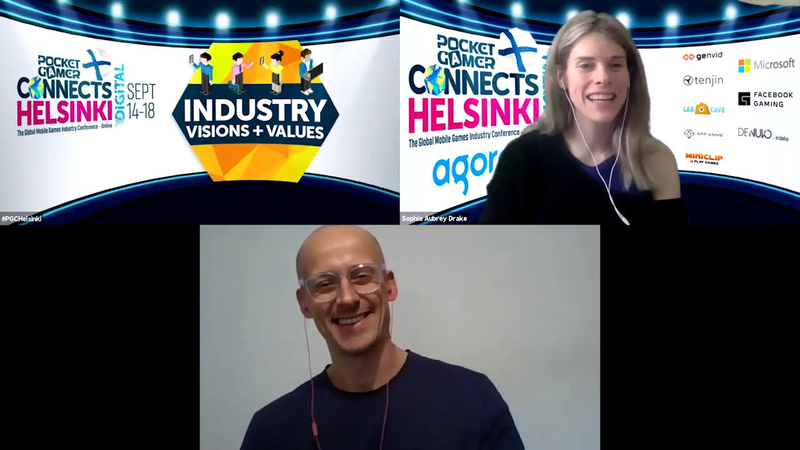
Superstar Session: From Ten Square Meters to 1800 - Keeping the Culture that Drives Your Growth
Key insights
6 takeaways- 01Ten Square Games scaled from a three-person team in a 10-square-meter office to a publicly traded company with nearly 300 employees while maintaining a flat, agile organizational structure.
- 02The company utilizes an autonomous product team model where specialized departments like finance and marketing act as support functions rather than top-down decision-makers.
- 03Rapid market responsiveness and experimentation are maintained by granting independent teams full authority to develop and test new game concepts in short timeframes.
- 04During the COVID-19 pandemic, the company maintained operational efficiency by leveraging its pre-existing agile framework and high levels of internal trust.
- 05The studio prioritizes hiring for cultural fit and maintains an open-door policy to ensure feedback flows freely across all levels of the organization.
- 06Management supports long-term employee retention by providing anonymous psychological support and additional time off to prevent burnout, treating staff as partners rather than subordinates.
Ask AI about this video
Transcript
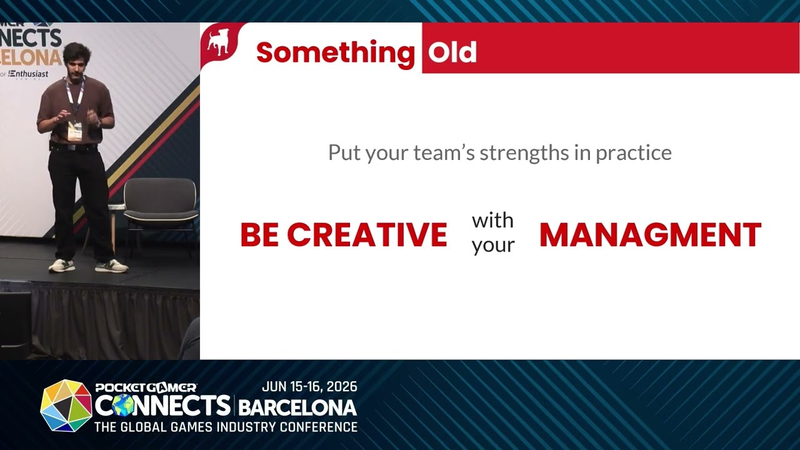
without any further ado i would like to introduce bart from 10 square games our first speaker and our superstar session up who's going to be opening this track and talking about well uh keeping the culture that drives your growth so for 10 square games looking at how they went from 10 square meters to 1800 baht are you there yeah i'm here can you hear me i can hear you perfect how are you great thank you i'm good thank you i'm good yeah nice weather here for once uh we're about to you at the moment i'm in brussels poland and the same here the weather is great fantastic well yeah that's that's really good and uh yeah so what time must it be it must be about four o'clock your time 3 p.m 3 p.m well nearly there i was
close but uh yeah so a good time and yeah um hope you're looking forward to opening uh what is the final track so our big one of our big showcases yeah exactly thank you so i will leave it to you i'm going to be here in the background if you need anything but for now over to you thank you very much okay so let's start you can't maintain a startup culture in a fast growing organization you can't it's impossible at a certain stage of development you need to increase the number of processes and communication is not as simple as it was before so don't tell me that keeping the environment that values creative problem solving open communication and a flat hierarchy is possible where your company is growing how many times did you hear something
similar in my opinion it's a math my name is zablotsky and i'm project manager at 10 square games and to be honest if you think that it's really impossible hang up now because this speech won't be for you but if you think it's possible stay with me and listen to this story we will we will talk abou we will talk about the space independent teams cultural fit recognition and open doors so scaling up your business is a good thing it means you're growing and thriving it means greater opportunities not just for you but also for the teams it means that you will be able to do more for your players and while you long to grow your business you may find yourself nostalgic for let's say the older days when things were smaller
more intimate and your core values and culture were more ingrained in a daily life of your company at tsg we had and to be honest i'm not afraid to say we still have this type of challenge and of course i will not give you a golden mean i do not have solutions for you know everything what can happen but i would like to introduce you some points thoughts ideas and solutions that we've taken to keep the team spirit as we grow and make working at tsg a space for everyone so coming back to the history tense for games was founded in 2011 in wroclaw poland with a mission of experimenting with a 3d game ideas targeted at social web what started out as a three person project in a 10 square meter apartment quickly developed into a company with
nearly 300 people on board that serve millions active players and to be honest i think if i remember correctly in ampriel this year our daily active user rank in phishing clash reached 1 million 1 million users played our game during the day that's huge and one of the biggest challenge that we set ourselves in the recent years was to create a place where everyone can feel themselves we'll have space for development and above all creative approach to problem solving and keeping this space and it was and still is a challenge we take up every day so without that we have grown we've adopt we've grown up we are one of the three largest gaming studios in poland and as a company listed on the stock
exchange we focus the eyes of shareholders and investors we are recognizable the space that was initially within four walls one game and one city has grown to a global size for example this year and only this year we went globally with three games three new products hunting clash solitaires and flip this house and to be honest it is space and maybe it's strange as it may seem that is a component of our dna and it has remained the same over the years so we want to make awesome games and this is the goal we set ourselves years ago and this goal is with us every day and years ago we also focus on something that completely changed the way we think and we work right now and to be honest we focused on independent teams and this is the first element that
i would like to show you and present but what does actually mean independent team or teams more or less teams are the core of the entire company they are responsible for decision making process and direction of product development the management board has a huge credit of trust and the teams believe that the decision they make are right and to be honest even if it turns out that they were wrong conclusions are drawn in the retrospective so the teams are in the middle innovation and development are supported and to be honest departments such as bi machine learning r d hr finance or even marketing were created for product teams not the other way around
teams are in the center and to be honest the autonomy of the product teams meant that our work does not require 10 approvals for example you know deciding which direction we are developing a product starts and often ends with one meeting and do you know why because we have a support in what we do built amazing teams to create outstanding games and the example comes from the top and honestly it's great to see the changes in the product as the team builds identifies with the game and lives it forward having a real impact on what the product looks like a member of the team can change something in the game based on his observation and idea so if the idea is good and you can defend it it will be
implemented to summarize what i have just told you i would sum it up into one sentence create a space in which teams have the ability to make decisions and the real influence on which direction the game develops in other words autonomy in action the great thing is that we don't close ourselves to the process and that will that's what i would like to show you and if we need to do something in a let's say unconventional way and quickly way to test advertises we just do it and a great example is an is the observation of market trends in one's time and it was our years ago we saw a trend in dictionary games where you had to enter the opposite word of what was shown on the screen and we found that we want to investigate
whether this is the case and whether the interest in this type of the game is high and will be higher in the future so what we did uh two developers were tasked with creating a similar game in a short period of time and to be honest they did that in two weeks and at that stage of our company they were sitting and testing our tests in a warehouse because there was no room for them in an open space and to be honest at that stage the open space was a 50 square meter apartment so you can say that the warehouse was like a private office for them but nevertheless what i want to show is that we do not close ourselves to the process we never had and we still don't by creating new games and implementing new ideas we approach each of them unconventionally and implement them in accordance with our goal
we want to make awesome games so currently we have eight independent teams that supported by departments are able to implement visions and adapt to the trends in the market we all have the same clear picture and although each team is different and highly independent we can use skills seniority and know how to build and share insights of course it's you know not like 11 years ago we knew where we would be and absolutely not my point here is that gaming requires free electrons that cannot be shut down and obstructed by processes this is how we felt and this is how we feel now on the other hand it seems like years ago we focused on the hr department and um let's say a common sense culture was built on its bases
and that politics never influenced the work environment and that's not true we made mistakes and to be honest one of the mistake is to build teams only with people with knowledge not necessarily matching us and our style of work what i want to say is to be sure that your new hires aren't just qualified make sure they are a good fit if it's a possible use a team approach when interviewing and make sure they fit in with the people they will be working with on a daily basis anyway it is best seen when we celebrate together and there is a lot to celebrate so implementing and keeping the tradition is extremely important for us when we went public on the warsaw stock exchange the whole team was invited to participated this
in this event and i mean the whole company we ordered the buses and we all went to warsaw to enjoy and celebrate this moment together and one day i asked one of the co-founders why they made such a decision and the answer was short because it's nature and after all we create success together there is a simple conclusion from this the goal and the road map is one thing but building a sense of community and cooperation skills means that identification partnership and real impact on the product gives space for autonomy in action celebrating important moments in the life of the company and employees means that despite the growth we feel that our work still has a great atmosphere
we notice each other and we try to keep our work effective and enjoyable despite difficult moments such as now such as pandemi and to be honest here we smoothly move to the next point which is basically recognition and to be honest this should always be a part of your company culture and it helps foster reality and satisfaction satisfaction annoying employees and to be honest i guess it is so it basically says to employee that you care and people in general need recognition and to feel appreciated more than once a year at the christmas party be sure to continue your transitions no matter how big your business gets and this is our lessons from the last years last months were very hard for everyone um the situation in the world caused our work to change dramatically
and we had to quickly adapt to the situation and it was a challenge i guess for you as well and for example remote work no working space in the apartment children screaming cats walking in front of the monitor and dogs barking at the meetings in the background was and still is the norm and to be honest i remember one day two of my kids run into the bedroom to be honest from which i was conducting a meeting and they started jumping around on the bed and falling around and no matter what i had to adapt and suddenly to be honest that's that's quite impressive for me that the agile framework became clear and transparent for everyone as never before and what is interesting efficiency has not dropped at all it has grown
and it was to be honest i appreciate it and i mean that the effort that each of us put in the last few months was so great that the whole office takes three extra days off and we will recharge the batteries at the end of the summer and to be honest it was not a bottom-up initiative it was not that the people came you know to the management and say hey we would like to have a day off because we are tired no it was the board's decision and what i want to say here is it's not another you know external motivation that the company is pursuing to enrich its employees it is awareness of situations adaptation but also a sincere perspective of the way we work one sure way to laws that feel and culture is stop getting feedback from employees um maintaining an open open door policy helps your
business stay grounded and to be honest those are not pathetic fake statements statements because our office doesn't have many doors to be honest but open feedback is actually an element of the foundation i mentioned before which is space and independence in teams we like to experiments we are already a company with a know-how with tools and specialists involved in game development we also have a fresh look that as we are willing to experiment with new models such as our universal studio and the office hub and spoke concept of course is nothing new the structure created with spokes is flat and organic the mission is to explore innovate and bring value to the hub
the idea is to have partners instead of employees and to keep the player in the center of the universe so we want to think out of the box to be at the top we are not scared of experiments because we believe in our assumptions it's like to be honest when someone is asking us about the m a process so the answer is simple yes we are looking for partners and cultural fit to our organization of course we want to build scale and have an access to the new talent pool but it does not mean that we will make decisions based just on the money it's not what made us in the place where we are right now it is not coincidence to be honest that the title of my speech is focused on space and space and freedom is the piece of the puzzle
that gives me a personal sense of fulfillment and certainty that i'm in a place that respects me and my ideas and nothing is more empowering than learning through experience so with this opportunity you have inner peace which allows you to develop the product and better game just go and do i mentioned a lot today about you know space because it is our foundation i mentioned also about the support uh i mean the for example employee fit traditions recognitions or open communication and feedback and those are tools which i guess you all knows and we can implement them all but me in my opinion what are what i what you really need is freedom and fulfillment so decorative needs makes it quite clear
that creative activities and achievables one's full potential is at the top so therefore with the assumptions of building the environment in which you want to work it can be clearly noticed that working in such a company becomes a pleasure and to be honest i said this to you not as you know the guy from management i say this as a person who feels good in such an environment and has been in 10 square games since february this year the change there that i made at the beginning of the year was undoubtedly an important change in my career but i must admit and to be honest if i would not feel where we are or who we are or what the company is and where we are going i will not be here and i will not be talking to you if you have strong organizational culture based on
independent teams your employees will be your ambassadors that's basically it from my from all from my side thank you very much well thank you that was a fascinating talk bart thank you very much and we've got a bit of time and an awful lot of questions so i will say uh to those who've asked questions if we don't get through them all i do apologize uh but obviously they'll be the discord but let's uh dive into some of them if that's okay with you yeah um so what the first question that came in is is keeping the small team mindset important when growing the team of course yes and um it's quite challenging to of course keep the small teams when your company is growing and for example you need more technical more experts so for example the project one of our project and one of our team has almost 40 people so that's huge but to be honest as we are divided
in some kind of logical streams it doesn't it doesn't mean that we can't keep the culture and we can't keep the work as it was before of course it's hard and you need some kind of additional tools and additional energy to do that but nevertheless i think it's possible yeah that's great um and um i thought i had two that was similar but we'll touch on this one that's at the bottom in your opinion what are the symptoms of a company suffering from bad policies ah i think that the first one is that the people are just leaving yeah and you know that that's basically my opinion and we've got the people who are with us from the whole beginning and to be honest as i said i i joined the tsg in february this year so i'm still quite new but i would like to be here because this is you know the values which we have and for example the way how we work and the people that were at the beginning of the company are still with us so that's great yeah um
so uh someone else has asked um how do you uh do the matches between team members and how do you deal with negative behaviors inside the team so basically like how do you work out which members are going to work well together when creating the teams and avoid conflict well to be honest usually it comes as i said to be honest also in in in my speech is the experiments and we see it's not like oh this guy won't gonna talk with tesco you know for example we just try to match them because uh of course the competency technology competency it's uh it's important here but also that the focus on the product and the way we are going it's more important than some kind of personal you know fights let's say so yeah of course it's challenging and you know it's easy to say it's harder to you know to do but more or less it's something like that yeah definitely and one here we touched on we've touched on some of these issues over the course of the um the show such as psychology mental
health and those sorts of things and i think it's very pertinent to industry visions and values the value specifically and so someone's asked how do you deal with mental health issues in the company obviously we've learned about you know crunch has become a big topic things like that people on burnout how do you deal with making sure that people are well mentally as well as physically of course so first of all it's just what i what i said also is an open communication and feedback and of course the open door policy and i mean that we can talk about everything and uh and i say that because i also know that i can go to the to the co-founders of the company and just talk about where we are going what is the goal you know for this year and how we're going to expand and so on and so on so uh basically that's the first step and the second is for example the situation right now for example the pandemic you know the way how for example right now we are online rather than being for example helsinki so the the thing is that uh at the beginning you know the of the of the pandemic we decided to to have
some kind of psychology support uh external support and if someone is willing to do that you can do this anonymously so that's for example the way how we deal with with the situation like that that's fantastic i was actually going to ask you about covid and since you brought it up i thought uh i wanted to to know as well would you say that the experimentation you've done uh on the team front also that greater autonomy and trust do you think that put you guys in a good position going into covert yes exactly because you know our work was strictly related to of course the slack the communication the way how we work in the you know in the office but in i think it was in march there was a decision okay we need to close down we go home and we're gonna work remotely and that was something new for us even if we had and we had the ability to work remotely there was nothing like the whole company is going remotely so how it's gonna happen and of course with the teams and as as i said
uh also we uh we launched three games globally this year so basically we did quite a you know strong and big uh events in our company during the pandemic situation of course they covet so we had to adapt and i think that uh based on the uh that we are still together uh i think we did it yeah definitely definitely um so um sort of someone else has asked i suppose it's getting into a little bit more depth uh is beside autonomy in action do you also give like proprietary power to your team so basically are we you know beyond the autonomy and how far does that go you know how much um decision-making power the teams have you know what at what point does it become the collaborative process with management and at what point are they allowed to run by themselves of course you know the vision of the product is of course we got a product out there for example you know who who who set up the the the long goals but nevertheless those goals are
said of course we've got the roadmap but nevertheless decisions made in in the roadmap and what we're gonna do and how we're gonna do that's all based on the teams and of course i said that if you've got a good idea and you believe in it and you've got so for example some business uh reasons or uh or some kind of thoughts that it's gonna happen or it's gonna uh it's gonna work it's gonna be implemented but need to have you know strong arguments to do that of course so it's not like we're going and saying okay we're gonna do this way but we are listening to the team so it's always uh talked we always talk about for example the road map where we're gonna go and how did he feel that maybe they've got some kind of different idea yeah well fantastic we nearly nearly got through every single question as well and i think to be honest we touched on near enough all of the issues as well so yeah thank you so much i mean not just for the talk but you know thank you to the whole team for helping to support pocket gamer connects digital health
thinking for making it happen as one of our gold sponsors so thank you so much for that as well you know it's thanks to to you guys and every all of our other great sponsors and speakers like yourself that we can put the show on and share this knowledge and keep things going in an awkward time so thank you of course thank you very much for for letting me be here oh no thank you for being here it was a fascinating talk and uh you know hopefully everyone else learned as much as i did so yes thank you so much and i hope you enjoy your uh the rest of your day yeah you know maybe check out some of the talks or get on the beach relax thank you so much bart it's a pleasure thanks bye you
Summary
Ten Square Games, a prominent Polish mobile gaming studio, emphasizes the necessity of maintaining a startup-like culture and organizational agility while scaling operations. The company, which evolved from a three-person project in a 10-square-meter space to a publicly traded entity with nearly 300 employees, argues that growth does not necessitate the abandonment of creative freedom or flat hierarchies. The core thesis posits that by prioritizing team autonomy, open communication, and a shared sense of purpose, organizations can preserve the innovative spirit that drives success even as they expand globally.
The company’s operational model centers on independent product teams that possess significant decision-making authority. These teams are supported by specialized departments—such as finance, marketing, and research and development—rather than being dictated by them. This structure allows for rapid experimentation and market responsiveness, as evidenced by the studio’s ability to develop and test new game concepts in short timeframes. Key cultural pillars include a rigorous focus on hiring for cultural fit, celebrating collective milestones, and maintaining an open-door policy that encourages feedback from all levels of the organization.
During the COVID-19 pandemic, the company successfully transitioned to remote work without a decline in efficiency, attributing this resilience to its pre-existing agile framework and high levels of internal trust. Management further supported employee well-being during this period by providing anonymous psychological support and granting additional time off to prevent burnout. By viewing employees as partners rather than subordinates, the studio fosters an environment where staff act as brand ambassadors. Ultimately, the company concludes that while processes are necessary for scaling, they must not obstruct the creative "free electrons" that define the gaming industry, ensuring that the focus remains on player-centric innovation and team fulfillment.

















Comments