1 free read left. Create a free account for unlimited reading + AI research.
Create free account
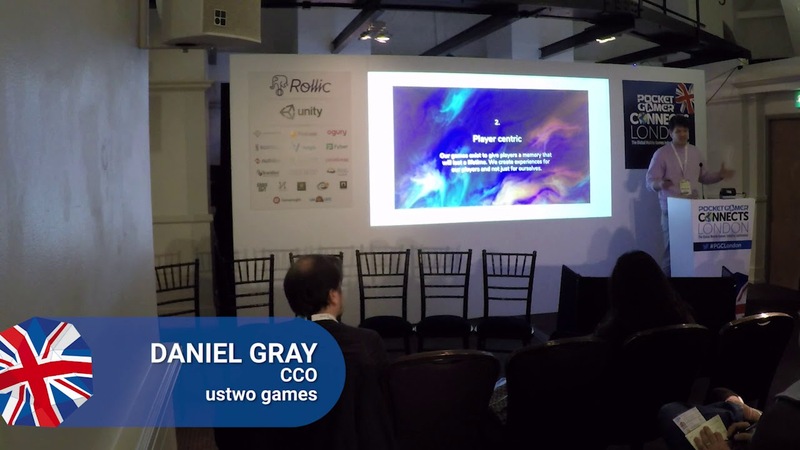
Superstar Session: From Impossibility to Relatability: How we Define What an Ustwo Games Game is
Key insights
6 takeaways- 01The studio limits project team sizes to between 8 and 12 members to ensure high individual investment and creative accountability.
- 02The studio operates with a total staff of approximately 30 people, focusing on high-quality, handcrafted content rather than chasing market saturation.
- 03Ustwo Games maintains a studio identity by prioritizing premium, human-centric experiences over data-driven trends like hyper-casual or free-to-play models.
- 04The studio leverages extensive user testing to ensure accessibility for non-gamers while maintaining consistent partnerships with major platform holders like Apple and Google.
- 05Success is measured by the depth of the player's experience rather than the duration of engagement, treating games as a form of emotional entertainment comparable to film or literature.
- 06Development methodology relies on a 'Trojan horse' strategy, using visually striking mechanics to engage players before introducing deeper emotional narratives.
Ask AI about this video
Transcript
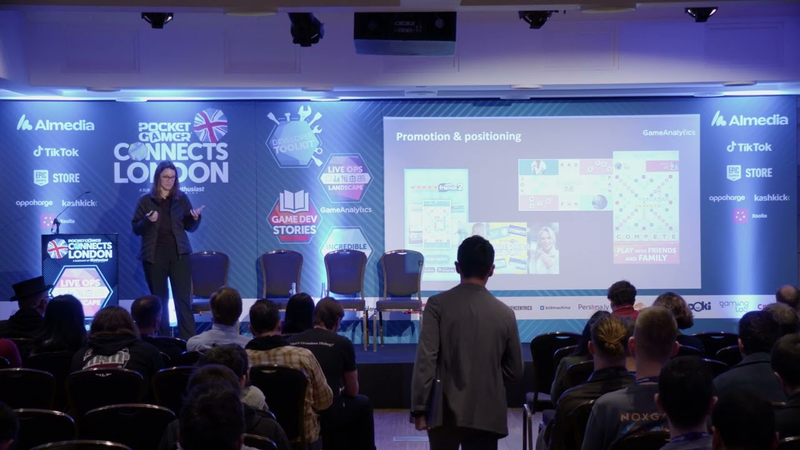
[Music] right good morning everyone um first thing I thought was if more people could come and sit near the front it look much better on the camera that's over here as well be a lot bit more intimate and so yeah I think the first place for me to start is we're gonna talk about what makes in those two games game and it's worth pointing out as well how kind of like aliens we are in this kind of context because I'm not about to show you any graphs or very numbers are all only one of the slides has actually got numbers on it and what I want to do is tell you how we do things in the absence of all that kind of stuff what's important to us so can I just have a quick show of hands does anyone how many people they actually know he was two games are because I'll know to give context okay cool about roughly about
half of the people here cool so when I'm gonna start as well it's just really quick introduction to me I know it's quite short talking this but my name is Dan gray I'm chief creative officer Rose two games and I've been here for about seven years now previous to that I was working in console games so I was a hello games and I was a lion head before that as well we're comfortable so I used to be CEO before this and I used to be executive producer when we did Monument Valley one so I'm fortunate enough to be in this kind of really interesting middle ground where I have had a foot in the business side of things and the creative side of things for the last seven years so I'm not necessarily just talking about the creative and ignoring all the rest of the stuff when I say all this so I said austie Games existed for about I would say about ten years by this point and I've been here for about seven some of the things we've made have been Monument Valley one which you see in the top left we followed that up a few years later with Monument Valley - we made a VR game called Lands End which in the bottom left of that as well just when the GAVI are first came out when it
saw the first step into VR and assemble with care which came out this year as well so we've had a good selection of stuff in the last seven years and the kind of things that have been important to was of that of kind of quality in surprise and intrigue we worked on Lands End in VR because we felt our strength was in UX and onboarding for casual audience especially when it comes to more kind of and a hardcore game elements so for us to jump onto VR and try and get that my first VR experience right was really important to us of course it was going to make us a ton of money but we thought kind of broadened horizons after putting so much ourselves in someone who Bali was gonna be a big thing and to set some of that context as well it isn't just about making beautiful games the thing I'm trying to get across as well is that the way that we follow things we've been lucky enough to win a load of awards for the things that we've done we've managed to get really highly rated games in that course of time as well and we've managed to turn a really good profit for a team of our size we lied 30 people now we were eight when we made money with Valley so we've only scaled from 8 to 30 in the
last last 7 years as well and also we've been fortunate enough is not a judge but we've been fortunate enough to be on a lot of partner keynotes in that time as well like where we're ever present when it comes to like especially Apple but also Google and we've been on some Facebook stuff and a lot of other stuff as well so for us these are the kind of objectives that we have and those two really comes from a we're like a game studio amongst an umbrella of companies the majority of they kind of head count which is like a client facing digital product design studio just chemically you can see where all of our DNA comes from marrying that with the game space so can anyone tell me who's incredibly sexy man is anybody exactly right so one thing that is always interesting about KFC is I'm pretty sure it's still a secret but they had these secret 11 herbs and spices about how they do things right and people always try to figure it out trying to get that exact flavor right and because Monument Valley one was a big success a number of years ago we see a lot of games kind of crop
up on the marketplace trying to take what was there but in my opinion you know the blueprint has been there for somebody to copy that it's not quite worked and it's because no one quite knows what their hidden 11 herbs and spices are so part of this next 10 minutes is going to be me trying my best to articulate that also this is from a KFC dating sim that you should definitely check out there's really good so to kind of recap on this a bit kind of like head a theme for why yours two games exists in the first place is that we really want to bring what's meaningful about games to everybody and the best way for me to explain that is as people who play console games and more hardcore games we get to experience all these things like caring about a character or adventuring and exploring the world that you've never known before or just you know about relationships or meaning and all these things that we do but in the mobile space that's hardly existent at all like and I think I personally I find that quite sad like the majority of the space is based around you know Gacha games match 3 games base builders and to me it's you
know it's like the majority of people are into movies or only watching comedies you know that there's so much more to music that we all experience so much more to movies that we all experience but in the game space for the majority of a casual audience that's actually quite narrow and I want to try and bring as much as that as possible and wrap it up into a package that a casual person is going to want to engage with so again everything we do needs to bring what's meaningful to everyone and treat those people with respect and get the on board and get the UX correct so really it kind of comes down to four pillars that I find very important that goes into everything that we do so number one on that is built by humans so when those two games should be brimming with personality it should feel handcrafted and zeitgeist creating not zeitgeist following there's a reason why Monument Valley was successful when we did that and we've been fortunate to have success since then it's because we created something that wasn't already out there right um and because we're small and we're independently owned and we're not published and we'll anything else we have the freedom to do things exactly the way that we want to do them
so we should lean into that so we do that by keeping our team sizes small every single time we try a name to only have eight people and it always ends up being twelve people I suppose so but we're working on three games at the moment with this thirty people it's probably gonna raise to about thirty five or so but trying to keep the team size is small so there every person on that team is personally invested in the thing they make and they feel like they up the freedom to suggest things and change things it's important that all people can be in a meeting room and actually influence what's there because if we have the freedom to inject our personality into something that's what's gonna make us unique in that marketplace so we also try and do that by taking inspiration from personal experiences and interests outside of videogames so anyone who's ever seen anything about the making of of any of the games we've done whether it be assemble with care or Lands End or either of the monument valley games we've really tried to put in kind of life experiences like Monument Valley - whose story was based around pair hood it's no surprising that between
Manya Valley one and Monument Valley to a number of the team had children and we're thinking very much about this and we were trying to think about what kind of things we could inject into that game that weren't present in game stories right now as well and because of that kind of freedom and the indepence and everyone being in the same room we can take risks to create the unexpected but also have the patience to get it right you know if we feel it isn't quite there we'll extend it by three months we'll take the time maybe well hire a couple more people onto that team which is why it goes from eight to twelve sometimes but really yeah taking taking risks on both people but also subject matter so things like assemble with care for example we were really leaning into things about the kind of handy person repair space it was a game about a repair woman who found herself in a town for the first time and yeah wanted to repair things that were there so the the kind of ecocide of repairing what you have both the physical and the emotional but also taking things from like 1989 fashion like Monument Valley to was a
lot based around kind of theater and poetry and obviously different types of architecture and that's what gives us our kind of special edge I believes leaning into the human side of things number two on that is player centric which is an incredibly general very overused term in this and I guess this is more - this is more to shield us from the indie space that it is say the usual free-to-play mobile space our games exist to give players a memory that lasts a lifetime we create experiences for our players and not just for ourselves now thinking a lot at the freight space base you know when you see all all the graphs and you see the demographics I think it's really down the end of the spectrum about what the players want what the players are engaging with it's really data-driven and in the kind of really independent developer space it's kind of the opposite it's kind of like I really want to make this things it's a personal expression of mine and I think it's cool we've only want to kind of marry the best of both of those worlds so we do that by trusting in extensive user tests in an iteration which has come from our heritage as a product design studio by respecting players time and money and by
being approachable to non-gamers so when we say by respecting players time and money of course this is completely personal to us and how we want to make games what we really want to create something that is sure and impactful we don't want to take our enjoyment and spread that out over weeks and weeks and weeks which is kind of funny when you see our kind of retention numbers and it's like one day never played again okay but the thing about that is that you had a brilliant time in that 24 hours that they had and for us it's more about the depth of impact than it is the length of that impact and again by being approachable to non-gamers which brings in to that kind of visual reference and the inspiration about how we make things and another important one is that we want to do this with pride on those two games release should make players creators & partners feel proud of their involvement so what does this mean for the kind of three stakeholders that we're thinking about all times it means we need to support the teams to create the best work of their careers again giving them like best-in-class like benefits studio space support
making sure they've got everything around them making sure they listened because if we managed to make them feel supported and listened to we will get the best work out of them and that one idea that comes up in a meeting will be golden and it's not just golden from like a fun creative sense it'll be golden from a business and money-making sense and we want to give the players as that second stakeholder something they want to share with other people something they feel like they had a really good value out of we want to make sure that their time with our game isn't just a distraction while they're waiting for a bus we want to make sure that we impact them in a way where they say hey do you want to look at this it's almost like a magic trick it's like hey look at this cool thing that's how we do this without you know paying for user acquisition which has a reminder we do paid games as you haven't guessed and the third part of that is having partners proud to use us to promote their products or service there's a really key thing for our marketing is that you know because we are a small company we really really rely on these really strong partnerships between Seattle and Google if we make things that are beautiful and things that are unique and things that appeal to an audience that a lot of people don't do we're gonna be on that stage we're gonna
be on that key no and we're going to be talked about that's how strategy around making sure these three pillars of the team the players and the partners are all here and the forth of that is games with meaning which is kind of in that overall term of bringing what's meaningful about games to everyone so we ain't changed the casual audiences perception of games as a valid form of emotional entertainment my partner works in the world of books and many people when they want to be impacted by something or they want to really sink their teeth into something that's going to move them a lot the casual audience go to books or they go to movies or they'll go to television but they don't currently go to games gamers go there gamers will don't love to play blast of Oz in their PlayStation but casual players don't do that and I think that's a really kind of right part for us to move into so we do that by telling stories we feel aren't being told in videogames like I mentioned before about telling the story of motherhood and without have independence after having a child and finding your own way or that
of repairing the things you have instead just buying stuff I arfamis on all the time which is kind of the theme of the second game and by leaving players with a clear and simple message what I mean by that is a lot of the times I think about what we do was almost like fables right they still need to be fun they need to be intriguing from the get-go but they need to leave the clip leave the player with a clear message again I guess to use another analogy it's almost like nutritious food you know like we want to leave them with something that has value to their body and not just something that they're going to eat because they're hungry and I'm going all over the place for these analogies but the third part of this is by Trojan horse in that message behind immediately intriguing gameplay so I believe that if we upfront it this and we said hey do you really want to play a meaningful game missus casual do you really want to play some through a really intriguing story most people feel like that's too much of an investment up from right forgo doesn't really seem like me it seems like a gamer's thing so it's really important that we suck people in with the visuals with the graphic design of what's there with the music with a
really interesting key mechanic like the example in Monument Valley is that of you know there is the first level and the only thing you have is a character on a on a white piece of architecture and the first thing you move creates an impossible pathway and again using the magic trick analogy it's like wow okay I'm in we don't care about feeding them story yet it's about getting them in there with intriguing gameplay on them don't care about those characters and the setting later on I feel it's really important so again to reiterate those things the four pillars that we build around everything that we do is we want things to be feel like they were built by humans not algorithms we want to make sure that we're listening to players of not just being these artistic authors you just do whatever they want we want to make sure that everyone involved with the making or playing or selling of this game is proud of what we've made I mean want everything involved here to be with meaning so hope that's a really quick run-through of kind of like the 11 herbs and spices of what goes into an us tea games game hopefully some of this is
applicable to what you do and you can pick different things out of it or maybe it's the kind of stuff you're already doing and you just want to see someone else's opinion on they how they do things so yeah the things that come out of this are a team of incredibly high engagement scores our attention of team which is more important to us than attention of players is super-high and people really love being here and they stay with us for a long time our values are desirable for platform platform partners to be associated with with such high content saturation we genuinely create things that are unique within that space and we pursue our strengths and don't chase the ball it's like we always get asked all the time it's like god you guys do such cool visuals why don't you do something that's free to play a hyper casual and it's like we can't just keep jumping around trying for whatever the next hot thing is like we know what the team we have a good app and we would rather be amazing at that one thing that we do then constantly jumping around and what the next hot thing is so yeah it's really important for us and that's it I'm sure we've got
time for questions we've got we've got five minutes yeah I'd really love to like I took their quest home at Christmas and there's so many good things that I was playing and it's it's really interested but hasn't necessarily progressed at the rate I thought you would do since we made when we make lands and were like God this is the future everyone this is gonna be such high like market saturation at this point and it hasn't quite gone that way that I would like but from a design perspective and just an intriguing like challenge perspective I'd really love to come back to it I'd really really love to come back to it anymore right wicked thank you very much [Applause]
[Music]
Summary
Ustwo Games defines its studio identity and development philosophy by prioritizing meaningful, human-centric experiences over data-driven trends. Operating as a small, independent studio of approximately 30 people, the company focuses on creating high-quality, premium mobile titles that resonate with casual audiences. The studio’s core thesis is that games should be treated as a valid form of emotional entertainment, similar to literature or film, by delivering impactful narratives and unique mechanics that treat players with respect.
The studio’s methodology rests on four foundational pillars: human-led design, player-centric iteration, stakeholder pride, and meaningful storytelling. Rather than relying on algorithms or chasing market trends like hyper-casual or free-to-play models, the team emphasizes handcrafted, personality-driven content. They utilize extensive user testing to ensure accessibility for non-gamers while employing a "Trojan horse" strategy, where visually striking, intriguing gameplay mechanics draw players in before introducing deeper, more complex emotional themes. This approach has allowed the studio to maintain high team retention and secure consistent, high-profile partnerships with major platform holders like Apple and Google.
By keeping team sizes small—typically between 8 and 12 members per project—the studio ensures that every contributor remains personally invested in the creative process. This structure fosters an environment where risk-taking is encouraged and projects are given the necessary time to reach a high standard of quality. Ultimately, the studio concludes that its success stems from a commitment to its specific strengths rather than market saturation, prioritizing the depth of a player's experience over the duration of their engagement.

















Comments