
Sony is undergoing a fundamental strategic transformation, transitioning from its historical identity as a consumer electronics manufacturer into a global media and entertainment powerhouse. While the company has traditionally used content like film and music to drive sales of hardware devices such as televisions and headphones, entertainment software and services have now emerged as its primary income source. Currently, the combined operating income from games, music, and pictures accounts for approximately 48 percent of Sony's total, a figure projected to exceed 60 percent by 2026.
Data from recent earnings reports underscores this shift, showing that revenue from digital software, add-on content, and network services reached $5 billion, surpassing hardware sales of $4.7 billion. This evolution is further evidenced by Sony’s aggressive and diverse acquisition strategy. Unlike competitors focused solely on gaming IP, Sony has invested in a broad content ecosystem, including the $1.2 billion acquisition of the anime platform Crunchyroll—which now boasts 10 million subscribers—and stakes in platforms like Bilibili, Discord, and Epic Games.
The analysis concludes that Sony’s future lies in leveraging a portfolio of interrelated intellectual properties to mitigate the risks of hardware cycles and market consolidation. While the firm maintains a dominant 2-to-1 console market lead over Microsoft, its long-term sustainability is increasingly tied to its distribution networks and content library rather than the pursuit of the next breakthrough hardware device. This transition allows Sony to remain competitive against rivals like Tencent and Microsoft by focusing on high-margin digital services and cross-media adaptations, exemplified by the recent success of the television adaptation of its gaming franchise, The Last of Us.

SuperJoost · 2026

SuperJoost · 2026

SuperJoost · 2026

SuperJoost · 2026

SuperJoost · 2026

SuperJoost · 2026
SuperJoost · 2026

SuperJoost · 2026

SuperJoost · 2026
SuperJoost · 2026

SuperJoost · 2026
SuperJoost · 2026
Aream & Co · 2026
Drake Star Partners · 2026
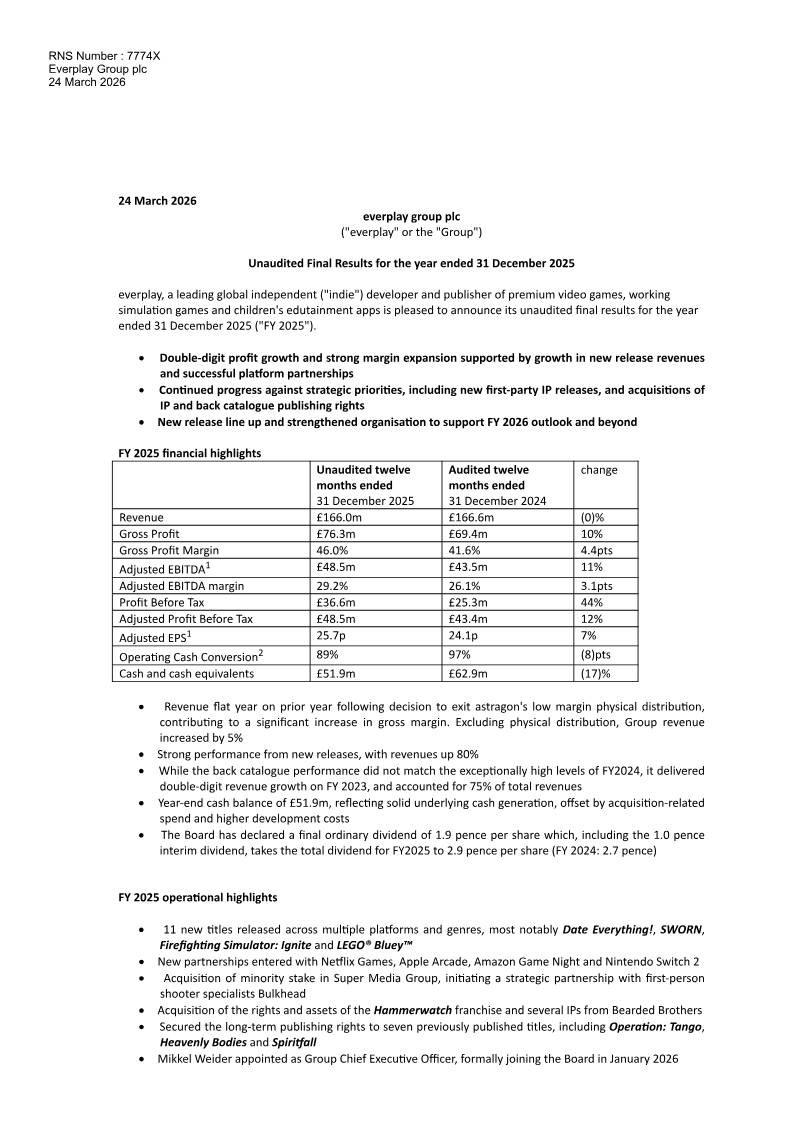
Everplay Group · 2026
Modern Times Group · 2026
Drake Star Partners · 2025
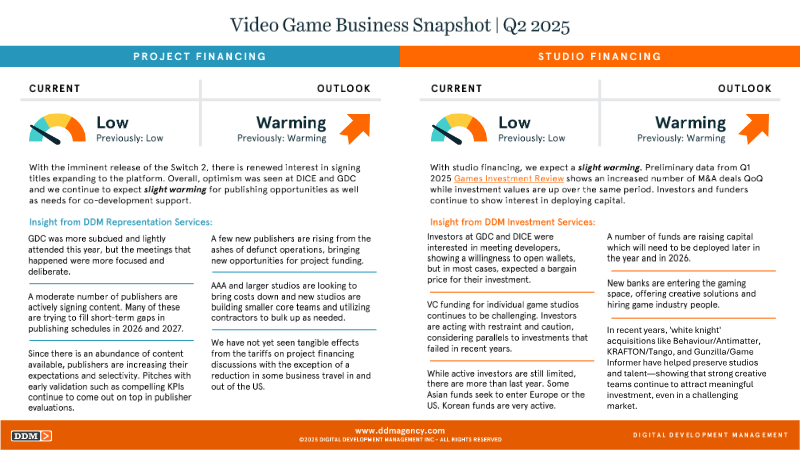
DDM · 2025

Drake Star Partners · 2025
Drake Star Partners · 2025

Thunderful · 2025
DDM · 2025
Digital Development Management · 2025
DDM · 2025