
ArticleSuperJoost
Revise and Resubmit: Microsoft's Restructured Proposal to Buy Activision Blizzard
24 Aug 2023~8 min full read
Microsoft’s restructured proposal to acquire Activision Blizzard for $69 billion aims to resolve antitrust concerns raised by the UK’s Competition and Markets Authority (CMA). The central thesis posits that by divesting cloud streaming rights to a third party, Microsoft can overcome regulatory hurdles while maintaining its long-term objective of becoming a dominant content owner.
The primary concession involves granting Ubisoft exclusive worldwide cloud gaming rights for all Activision titles for the next 15 years, excluding the European Economic Area where rights remain non-exclusive. This arrangement requires Ubisoft to compensate Microsoft through a one-off payment and usage-based wholesale pricing. While this move addresses the CMA’s fears regarding Microsoft’s potential monopoly over cloud distribution, the analysis suggests the commercial impact may be limited. Notably, the deal excludes mobile game streaming, which remains under Microsoft’s control, and Ubisoft’s estimated $100 million investment is viewed more as a marketing expense to drive traffic to its Ubisoft Plus service rather than a significant revenue driver.
The scope of the analysis covers the global gaming market with specific focus on the UK, the European Economic Area, and the shifting landscape of European game publishers like Ubisoft and Embracer Group. It highlights a trend of "quasi-autocratic" leadership in European firms, where individual insider ownership significantly exceeds that of US counterparts. Ultimately, the proposal is expected to receive regulatory approval, as it provides the CMA a face-saving resolution while allowing Microsoft to proceed with its broader subscription-based growth strategy. The findings are based on market data, regulatory filings, and industry analyst projections.

SuperJoost · 2026

SuperJoost · 2026

SuperJoost · 2026

SuperJoost · 2026

SuperJoost · 2026

SuperJoost · 2026

SuperJoost · 2026

SuperJoost · 2026

SuperJoost · 2026
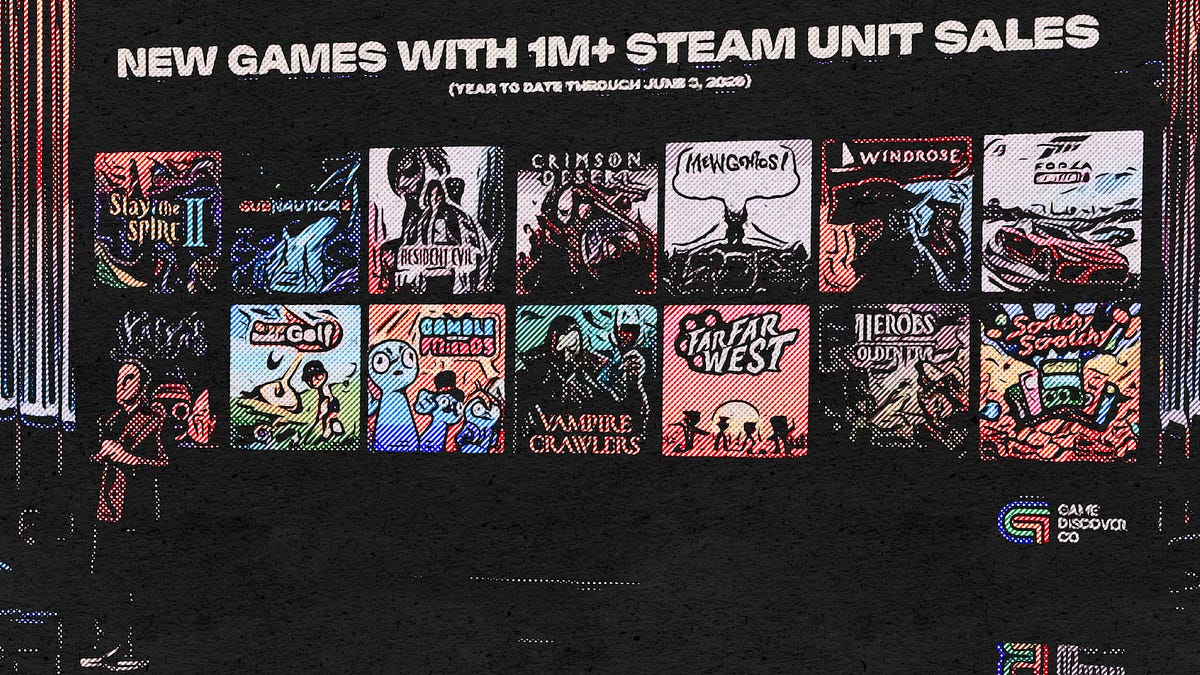
SuperJoost · 2026

SuperJoost · 2026

SuperJoost · 2026

Ampere Analysis · 2023

Aream & Co · 2026

Drake Star Partners · 2026
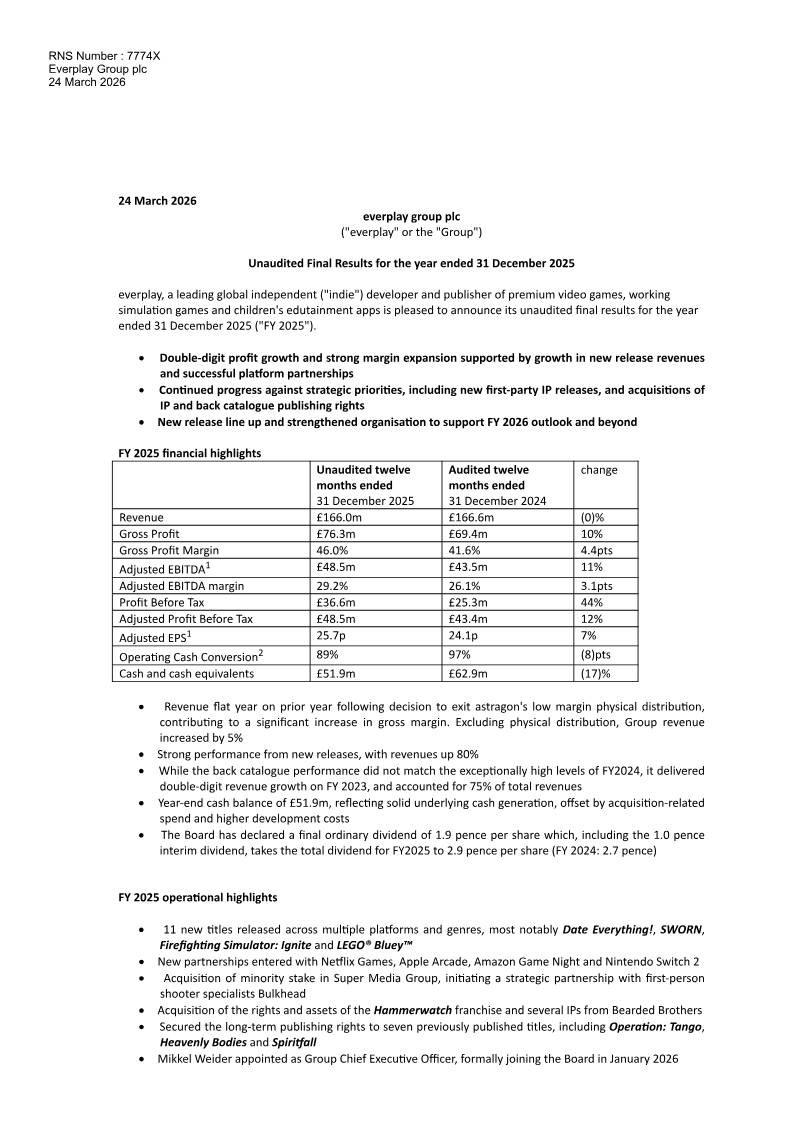
Everplay Group · 2026

Modern Times Group · 2026

Drake Star Partners · 2025
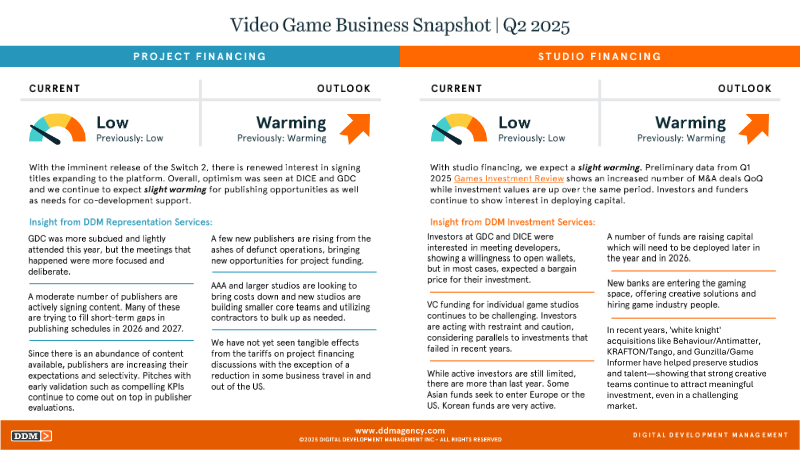
DDM · 2025

Drake Star Partners · 2025

Drake Star Partners · 2025
DDM · 2025

Thunderful · 2025
Digital Development Management · 2025