
The collapse of Quibi serves as a primary case study for the failure of top-down, high-capital media ventures that prioritize corporate interests over user-centric innovation. Despite $1.8 billion in funding, the service failed to achieve product-market fit because it attempted to impose a rigid, "walled garden" consumption model on an audience that increasingly values organic, decentralized, and interactive media experiences. This failure highlights a broader industry thesis: technology gains life through the unintended and clever ways humans use it, rather than through expensive, closed-door development by legacy executives.
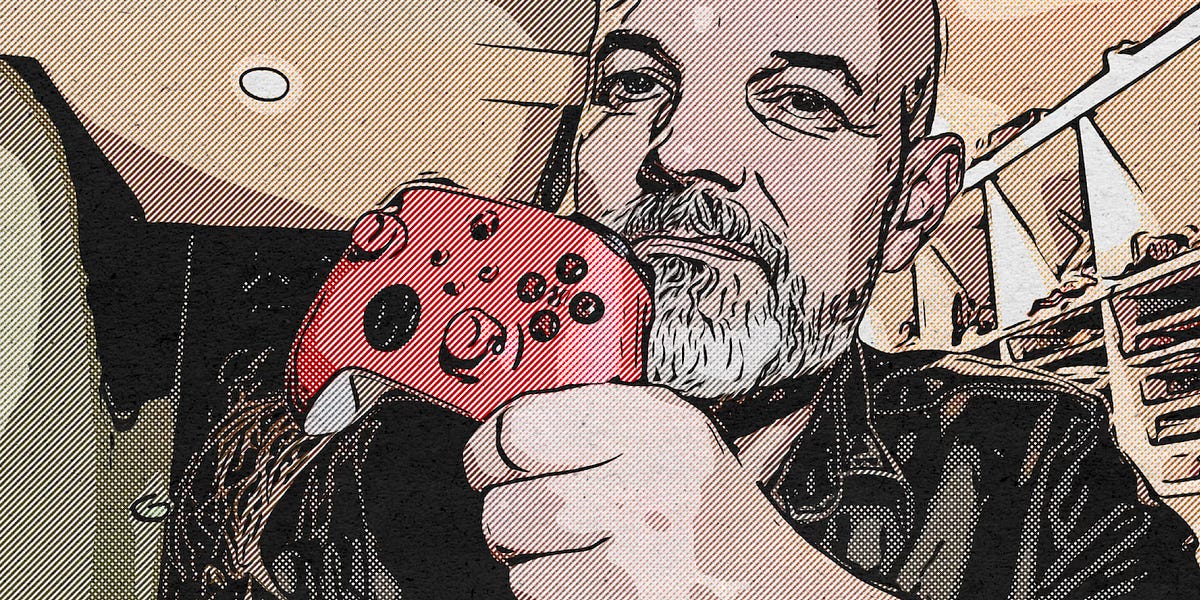
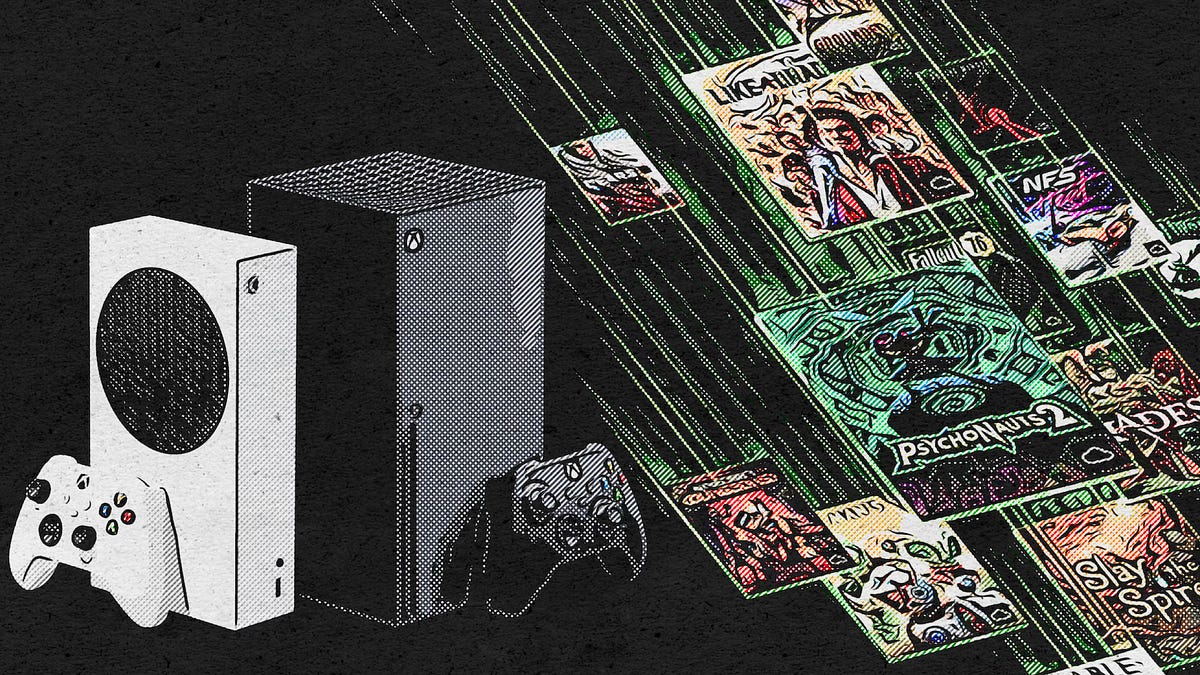
The analysis extends to several key segments of the interactive entertainment industry during late 2020. In the hardware and retail space, the strategic partnership between Microsoft and GameStop is viewed as a lopsided arrangement. While it provides GameStop with immediate capital and a share of digital revenues, it ultimately risks cannibalizing physical foot traffic by incentivizing the transition to digital subscriptions like Xbox Game Pass. In the streaming sector, the merger of Huya and DouYu under Tencent creates a dominant entity with 334 million monthly active users and a 67.5% voting share, effectively consolidating the Chinese esports and marketing landscape.
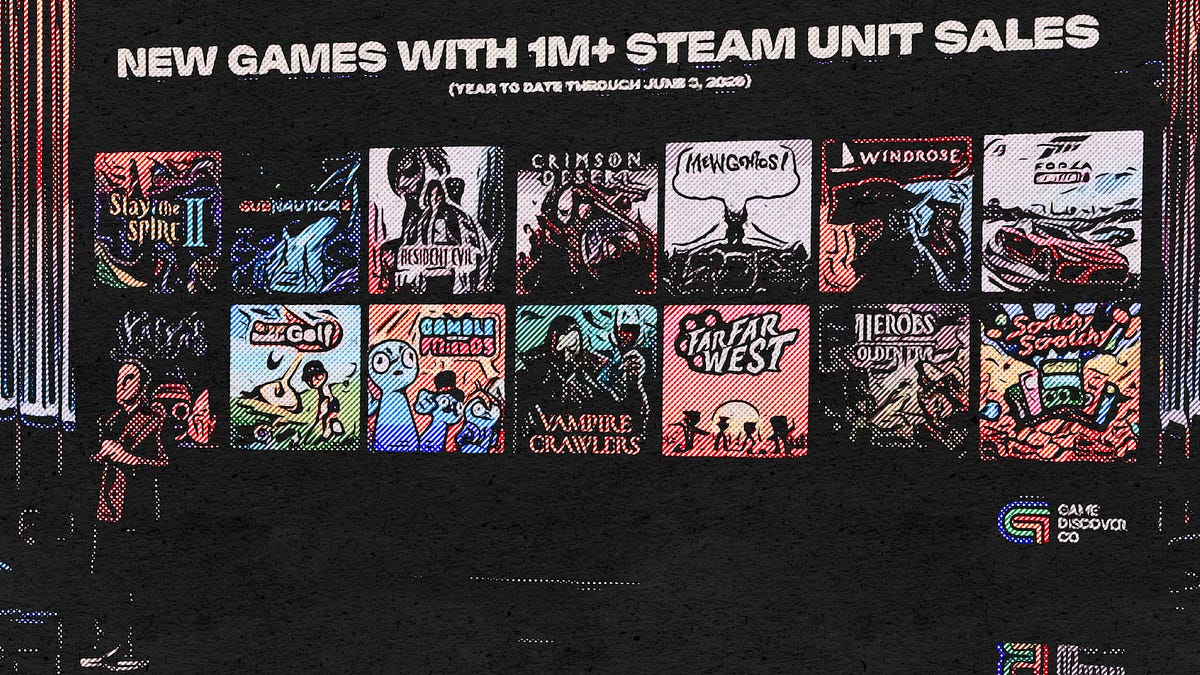
Methodologically, the findings rely on market data, financial reports, and industry deal tracking, such as the 437 gaming deals recorded in the first three quarters of 2020. The scope is global, covering North American retail trends, Chinese streaming consolidation, and the rise of "Chinese AAA" titles like Genshin Impact, which earned $100 million in its first two weeks. Ultimately, the industry is shifting toward a model where accessibility and meaningful human exchange outweigh the sheer scale of investment, as evidenced by the success of lower-tech or indie titles like Among Us and Hades compared to over-capitalized failures.
SuperJoost · 2026

SuperJoost · 2026
SuperJoost · 2026
SuperJoost · 2026
SuperJoost · 2026
SuperJoost · 2026
SuperJoost · 2026

SuperJoost · 2026
SuperJoost · 2026
SuperJoost · 2026
SuperJoost · 2026
SuperJoost · 2026

Aream & Co · 2026
Drake Star Partners · 2026
Everplay Group · 2026
Modern Times Group · 2026
Drake Star Partners · 2025
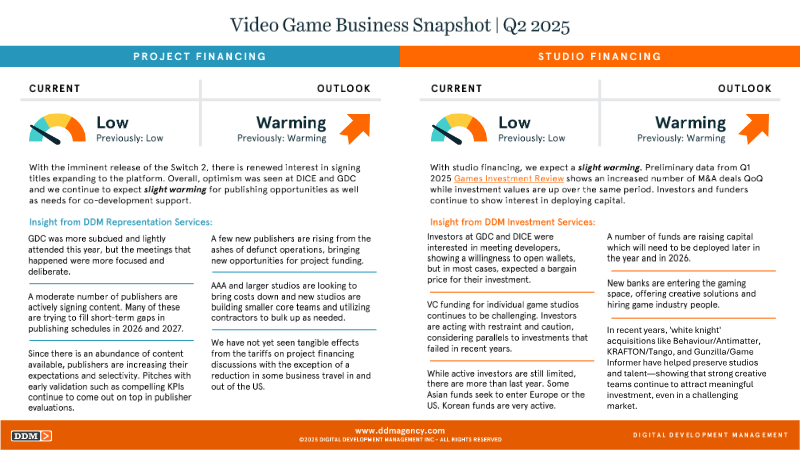
DDM · 2025
Drake Star Partners · 2025
Drake Star Partners · 2025
Thunderful · 2025
DDM · 2025
Digital Development Management · 2025
DDM · 2025