This analysis examines the mid-August 2021 landscape of the global video game industry, focusing on corporate acquisitions, regional market shifts, and quarterly financial performances of major publishers. The primary thesis suggests that the industry is entering a new era of engagement where the boundaries between creators and consumers are blurring, and traditional media structures—such as the Olympics and broadcast television—are increasingly reliant on gaming ecosystems to maintain relevance.
Key findings highlight significant volatility and growth across several segments. Unity’s $320 million acquisition of Parsec underscores the rising importance of remote development technology. In the public markets, Krafton experienced a 20% share price drop following its IPO due to regulatory scrutiny in China, despite strong performance in India with 34 million downloads for Battlegrounds Mobile. Financial reports for the quarter show a mixed but generally resilient sector: Electronic Arts exceeded expectations with $1.34 billion in bookings driven by Apex Legends and FIFA, while Take-Two Interactive saw continued strength in legacy titles like GTA V. Conversely, Zynga lowered its annual guidance to $2.8 billion, citing Apple’s IDFA privacy changes and the post-pandemic "reopening" as headwinds.
The scope of the analysis is global, with specific focus on the United States, China, and Finland. It notes that the Finnish game industry grew from 600 employees in 2004 to 3,600 in 2020, largely due to government subsidies, though the region has seen a sharp decline in AR development. Methodologically, the findings are based on a synthesis of corporate earnings calls, intellectual property guideline updates from firms like Games Workshop, and industry reports from organizations such as Neogames. The tone is analytical, noting that while publishers face increased scrutiny over workplace culture and legal enforcement of fan content, the industry remains at the center of the modern entertainment universe.
SuperJoost · 2026

SuperJoost · 2026
SuperJoost · 2026
SuperJoost · 2026
SuperJoost · 2026
SuperJoost · 2026
SuperJoost · 2026

SuperJoost · 2026
SuperJoost · 2026
SuperJoost · 2026
SuperJoost · 2026
SuperJoost · 2026
Aream & Co · 2026
Drake Star Partners · 2026
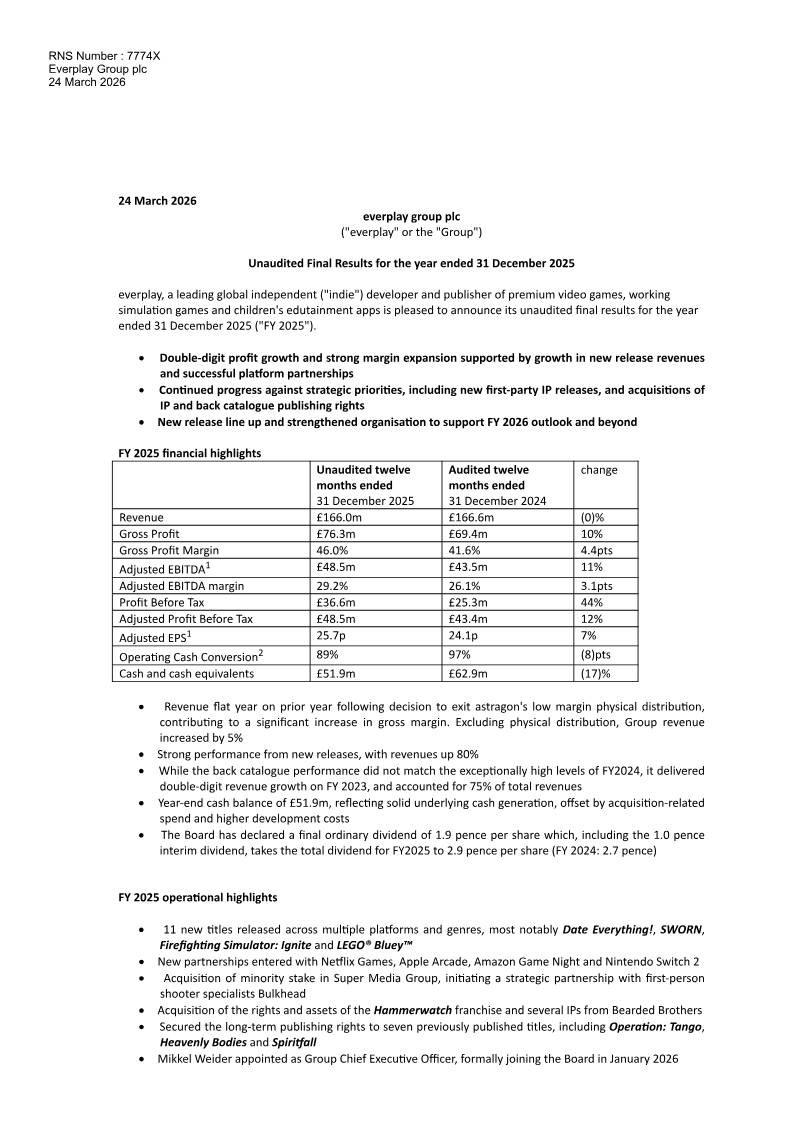
Everplay Group · 2026
Modern Times Group · 2026
Drake Star Partners · 2025
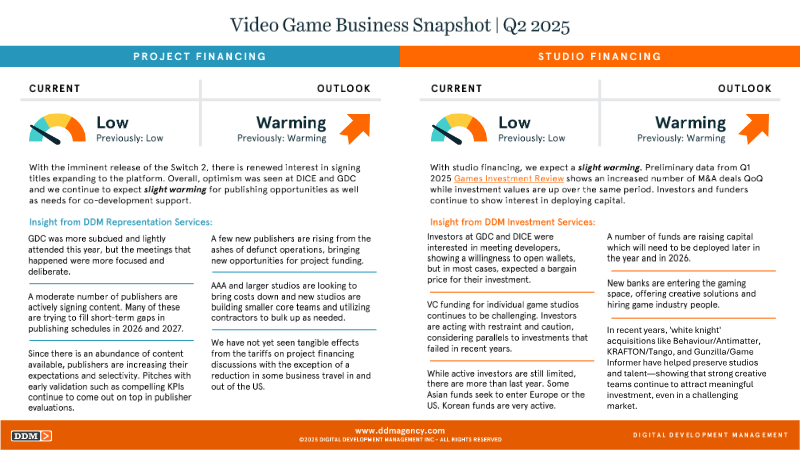
DDM · 2025
Drake Star Partners · 2025
Drake Star Partners · 2025
Thunderful · 2025
DDM · 2025
Digital Development Management · 2025
DDM · 2025