
ArticleSuperJoost
Picking a Side: Single Player Strategy in a Multi-sided Game Economy
1 Dec 2022~12 min full read
This analysis examines the shifting regulatory and competitive landscape of the global video game industry during late 2022. It focuses primarily on the intensifying antitrust scrutiny surrounding Microsoft’s proposed acquisition of Activision Blizzard, while also addressing broader trends in monetization, platform governance, and international regulation. The central thesis suggests that as the industry matures, it faces structural tensions between traditional platform competition and the emerging dynamics of multi-sided digital economies.
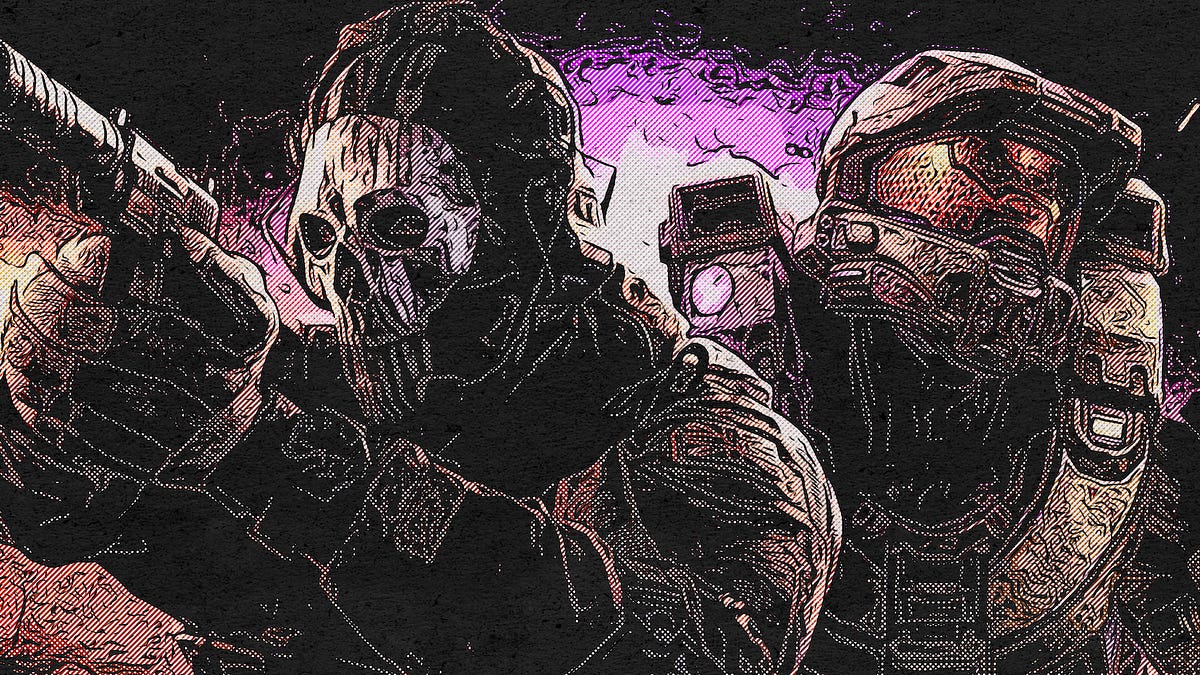
Key findings center on the divergent strategies of Sony and Microsoft regarding the Activision Blizzard deal. A text analysis of regulatory filings submitted to the UK’s Competition and Markets Authority (CMA) reveals that Sony’s arguments focus heavily on the potential harm of losing Call of Duty, mentioning the franchise 71 times in an 8,010-word document. Conversely, Microsoft’s filing is significantly more expansive and consumer-centric, referencing "gamers" and "players" at a rate over 20 times higher than Sony’s submission. Despite these arguments, the Federal Trade Commission appears likely to challenge the deal, reflecting a global trend of increased regulatory intervention.
The scope of the analysis includes geographic developments in Australia, where new legislation requires R 18+ classifications for games with loot boxes, and the UK, where the CMA is investigating mobile browser dominance by Apple and Google. Data points highlight the massive scale of modern gaming hits: Call of Duty: Warzone 2.0 reached 25 million players in five days, while Nintendo’s Pokémon Scarlet and Violet sold 10 million units in just three days. These statistics underscore a "blockbuster dynamic" similar to the music streaming industry, where a tiny fraction of creators generates the vast majority of engagement and revenue. Ultimately, the findings suggest that while the industry continues to break sales records, it is entering a period of unprecedented legal and social accountability.
SuperJoost · 2026

SuperJoost · 2026
SuperJoost · 2026

SuperJoost · 2026

SuperJoost · 2026

SuperJoost · 2026
SuperJoost · 2026

SuperJoost · 2026

SuperJoost · 2026
SuperJoost · 2026

SuperJoost · 2026
SuperJoost · 2026

Aream & Co · 2026
Drake Star Partners · 2026
Everplay Group · 2026
Modern Times Group · 2026

Drake Star Partners · 2025
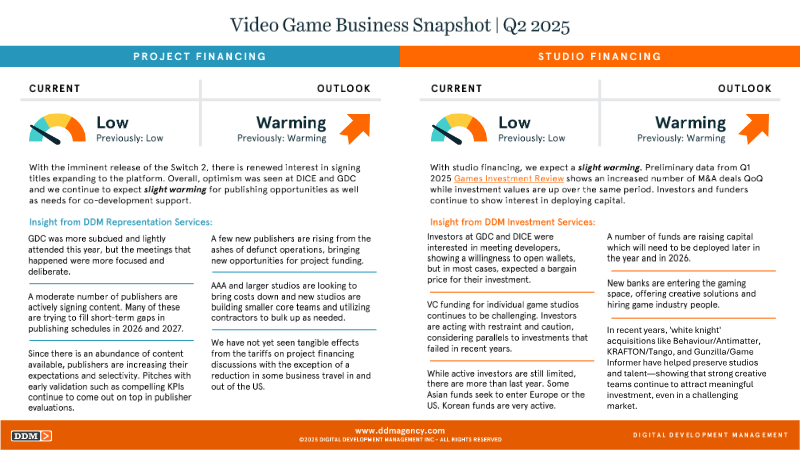
DDM · 2025

Drake Star Partners · 2025
Drake Star Partners · 2025

Thunderful · 2025
DDM · 2025
Digital Development Management · 2025
DDM · 2025