
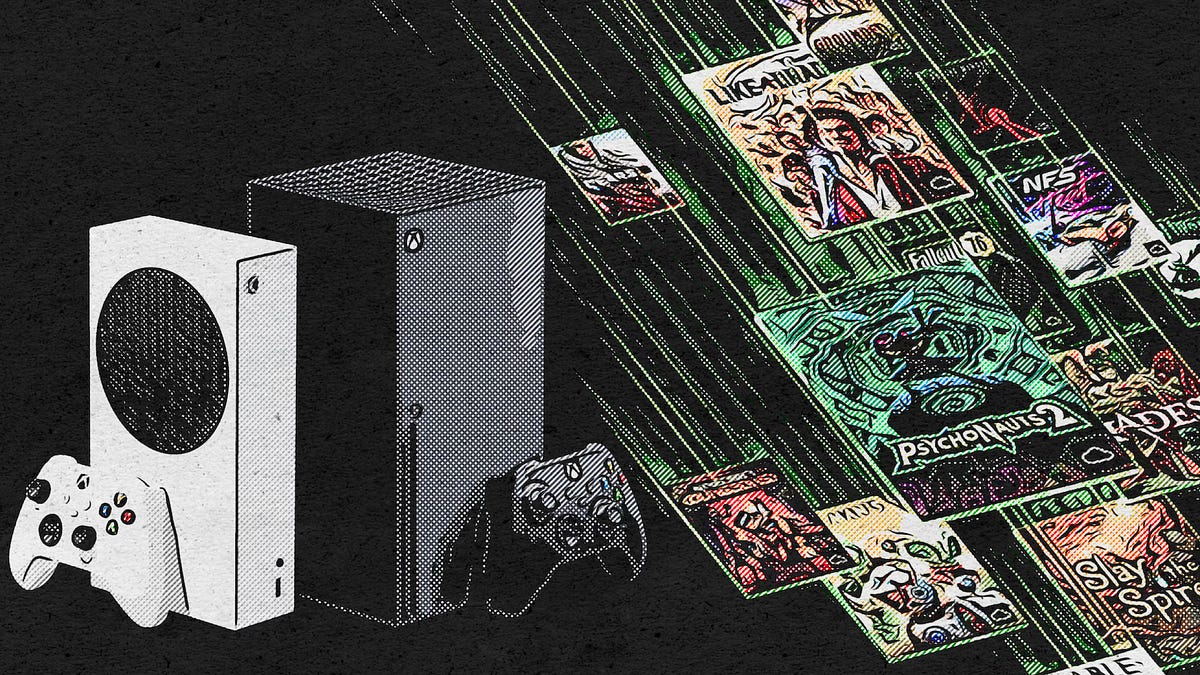
The console gaming industry is currently undergoing a fundamental transition as it moves toward a new hardware generation, shifting away from a traditional focus on processing power toward a service-oriented model. The central thesis suggests that the console market is beginning to mirror the mobile industry, characterized by tiered device offerings, digital-only distribution, and subscription-based "buffet-style" content. This evolution is driven by a diversifying audience that increasingly favors low-friction access and microtransactions over high-cost, serialized physical releases.
Key findings indicate that legacy platform holders like Sony and Microsoft face intensifying competition from high-quality mobile alternatives and PC ecosystems. Third-party publishers are increasingly pursuing vertical integration to bypass traditional platform holders, while tech giants such as Google, Facebook, and Amazon are entering the space via cloud gaming. Data from early 2020 highlights the fragility of this transition period, noting that while app downloads in China surged by 40 percent due to pandemic-related lockdowns, the broader industry faces significant risks from supply chain disruptions, trade tensions, and regulatory hurdles in the Chinese market.
The analysis concludes that the industry is at risk of a "negative spiral" caused by an oversaturation of subscription services and an influx of speculative capital that may eventually withdraw. To maintain growth, the console segment must move beyond its historical resistance to indirect revenue models, such as advertising and brand partnerships, which have already fueled the expansion of the mobile sector. Failure to adapt to these broader entertainment trends could result in a market correction or a loss of dominance to more agile mobile and digital competitors.
SuperJoost · 2026

SuperJoost · 2026
SuperJoost · 2026

SuperJoost · 2026

SuperJoost · 2026

SuperJoost · 2026
SuperJoost · 2026

SuperJoost · 2026

SuperJoost · 2026
SuperJoost · 2026

SuperJoost · 2026
SuperJoost · 2026

Ubisoft · 2026
Newzoo · 2026
Newzoo · 2026
Aream & Co · 2026
Take-Two Interactive · 2026
Epyllion · 2026

Aream & Co · 2025
Aream & Co · 2025
Newzoo · 2025
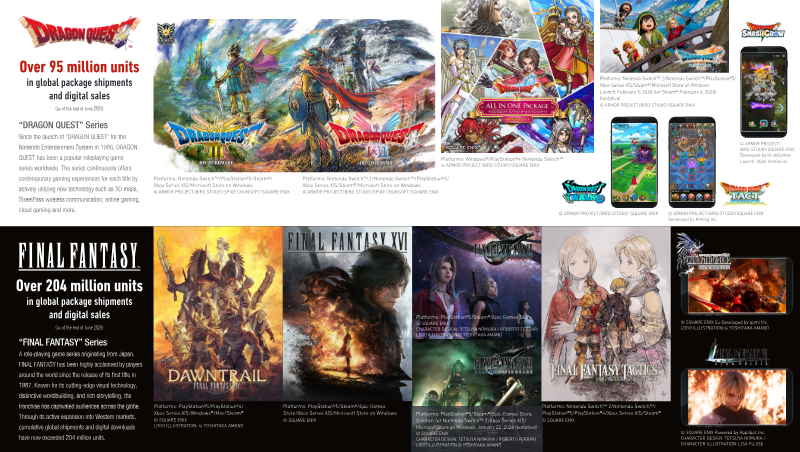
Square Enix · 2025
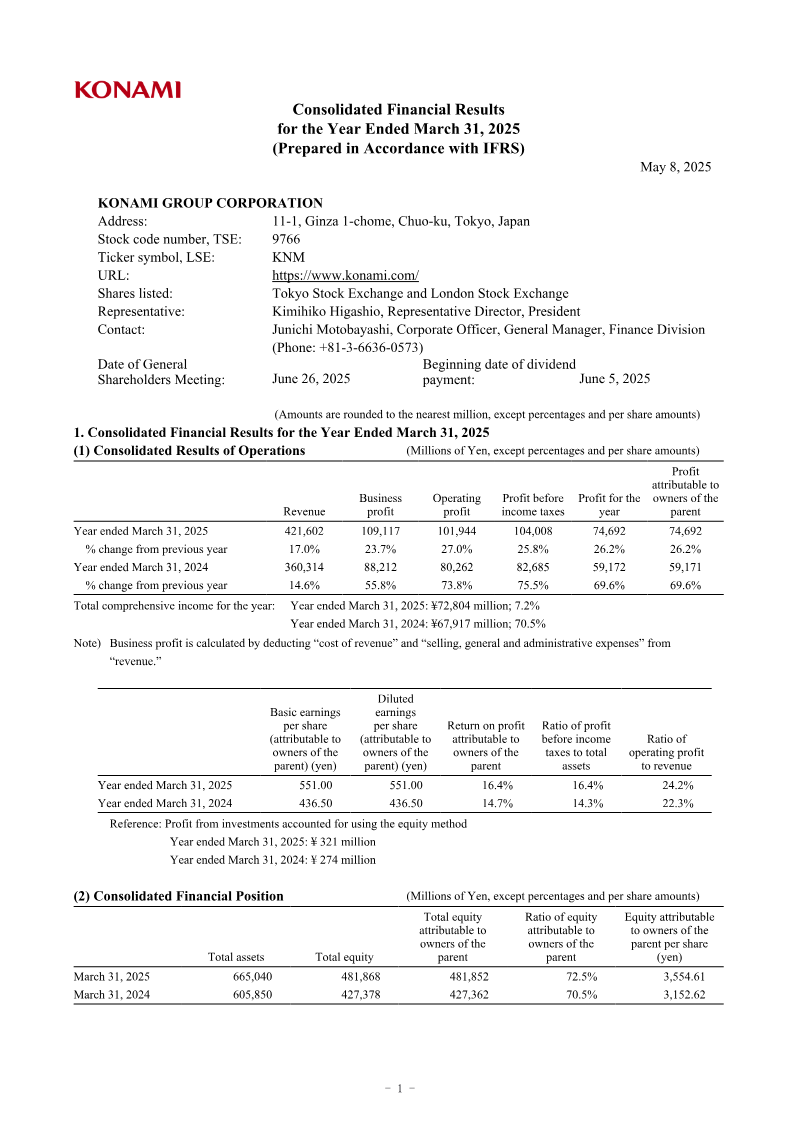
Konami · 2025
Epyllion · 2025