
This analysis examines the current business strategy of GameStop, arguing that the specialty retailer has abandoned traditional growth initiatives in favor of operating as a "meme stock" investment vehicle. Following the digitalization of the gaming industry, GameStop faced an existential crisis similar to defunct retailers like Radio Shack. Under CEO Ryan Cohen, the company has successfully reduced quarterly losses from $51 million to $32 million and aggressively shuttered underperforming locations, reducing its store count from a peak of 9,000 to approximately 4,000.
The central thesis suggests that GameStop’s leadership lacks a viable long-term plan for operational revitalization, having seen previous attempts at NFT and esports integration fail. Instead, the company has pivoted to capitalizing on retail investor enthusiasm. By timing share offerings to coincide with social media momentum—specifically the activities of influencer Keith Gill—GameStop recently raised $2.1 billion by selling 75 million shares. This brings its total cash reserves to approximately $4 billion. The analysis concludes that the company is transitioning into a de facto private equity fund; by investing its cash pile at a modest 4 percent return, GameStop can subsidize its operational losses indefinitely without actually fixing its core retail business.
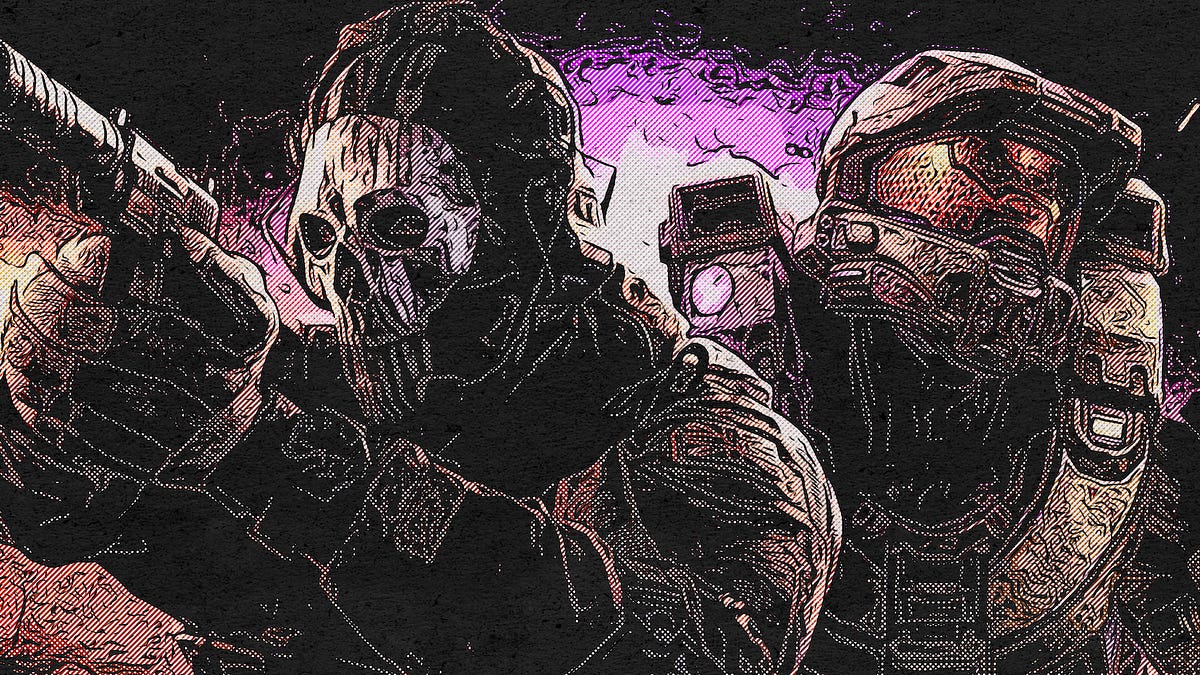
Beyond GameStop, the scope includes a broader look at the 2024 gaming release slate. Despite being a transition year for hardware, major publishers like Microsoft, Nintendo, and Ubisoft are leveraging established franchises—such as Call of Duty, Zelda, and Assassin’s Creed—to maintain market momentum. While these announcements provide a temporary boost to the industry, the long-term sustainability of the retail sector remains tethered to financial engineering rather than consumer sales growth.
SuperJoost · 2026

SuperJoost · 2026
SuperJoost · 2026
SuperJoost · 2026
SuperJoost · 2026
SuperJoost · 2026
SuperJoost · 2026

SuperJoost · 2026
SuperJoost · 2026
SuperJoost · 2026
SuperJoost · 2026
SuperJoost · 2026
Ubisoft · 2026
Sony Group Corporation · 2026
Enthusiast Gaming Holdings · 2026
Drake Star Partners · 2026
Aream & Co · 2026
Capcom · 2026
Modern Times Group · 2026
Bandai Namco · 2026
Aream & Co · 2026
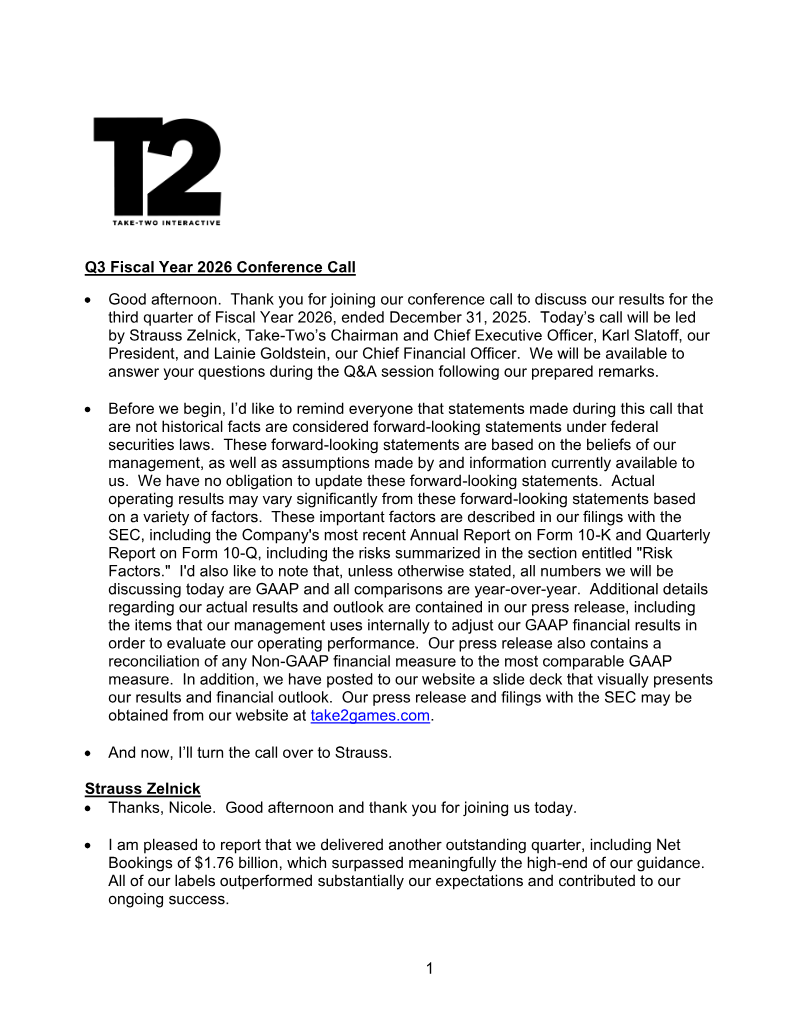
Take-Two Interactive · 2026
Take-Two Interactive · 2026
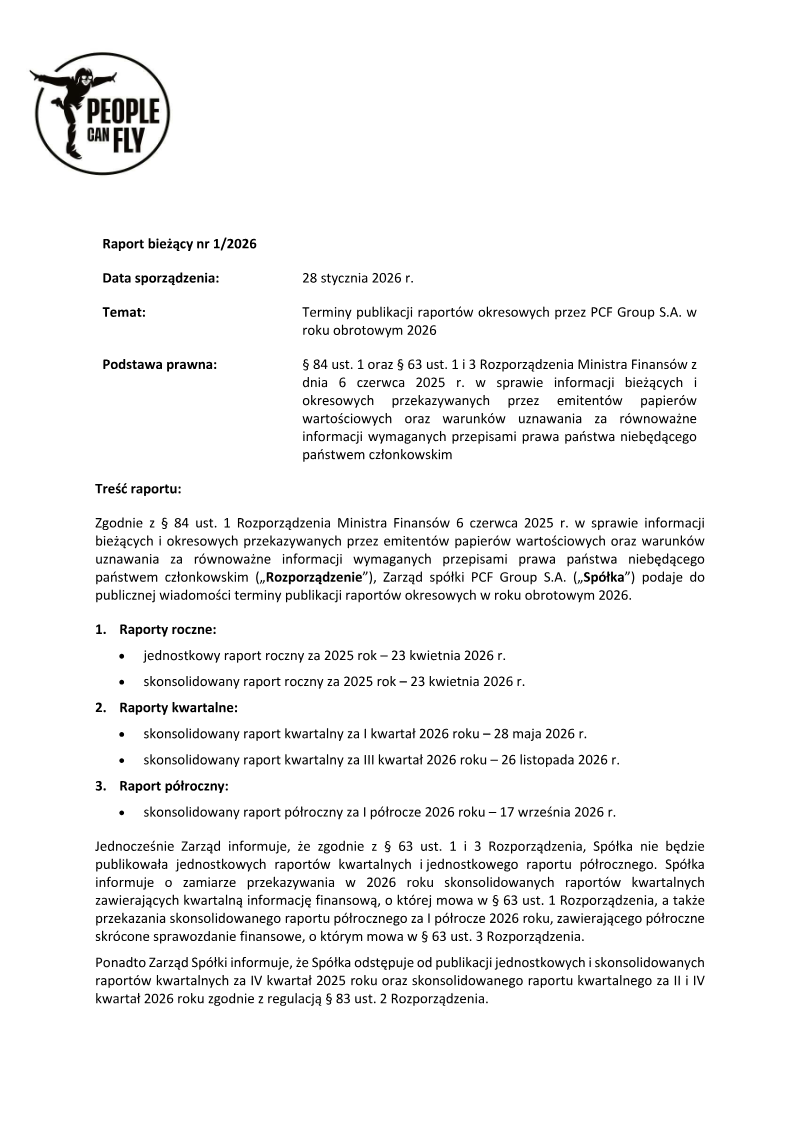
PCF Group · 2026