
ArticleSuperJoost
Death, and Rebirth, of Virtual Reality: Apple's Vision Pro Cannot Succeed
12 Jan 2024~7 min full read
The emergence of Apple’s Vision Pro marks a strategic pivot in the immersive technology sector, characterized by a deliberate rejection of established industry terminology. By mandating that developers use the term spatial computing rather than virtual or augmented reality, Apple seeks to distance itself from the modest adoption rates and populist branding of competitors like Meta and Sony. This linguistic shift is already influencing the broader market, with third-party manufacturers adopting Apple’s vocabulary to position themselves as innovative leaders in a high-end, experiential luxury category.
Despite this branding reset, the hardware faces significant hurdles. Projections suggest the Vision Pro will sell approximately 350,000 units in its first year, limited by a $3,499 price point and technical constraints such as a two-hour battery life. This positioning suggests a move away from mainstream consumer ambitions toward a niche market of affluent early adopters and creative professionals. Meanwhile, the broader interactive entertainment industry is grappling with a high risk profile, evidenced by massive layoffs at major firms like Unity, Twitch, and Discord at the start of 2024.
Regulatory pressures further complicate the landscape, particularly regarding minor safety. The Federal Trade Commission is currently updating the Children’s Online Privacy Protection Rule (COPPA) for the first time since 2013, a move that will directly impact major platforms like Roblox and Fortnite. Simultaneously, international markets like China are seeing increased government scrutiny over user controls. These economic and regulatory shifts, combined with the restructuring of dominant software providers like Unity, indicate a period of intense volatility and consolidation across the global gaming and tech sectors.
SuperJoost · 2026

SuperJoost · 2026
SuperJoost · 2026
SuperJoost · 2026

SuperJoost · 2026
SuperJoost · 2026
SuperJoost · 2026

SuperJoost · 2026

SuperJoost · 2026
SuperJoost · 2026

SuperJoost · 2026
SuperJoost · 2026
Epyllion · 2026
Vorhaus Advisors · 2025

Aldora · 2025
Konvoy · 2022
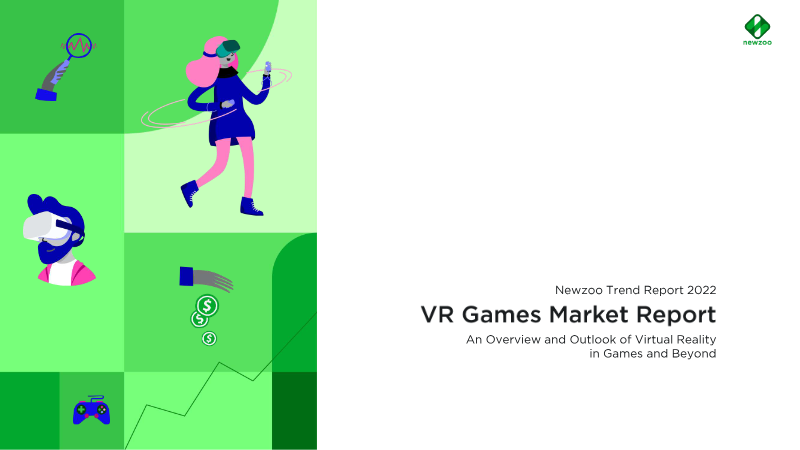
Newzoo · 2022
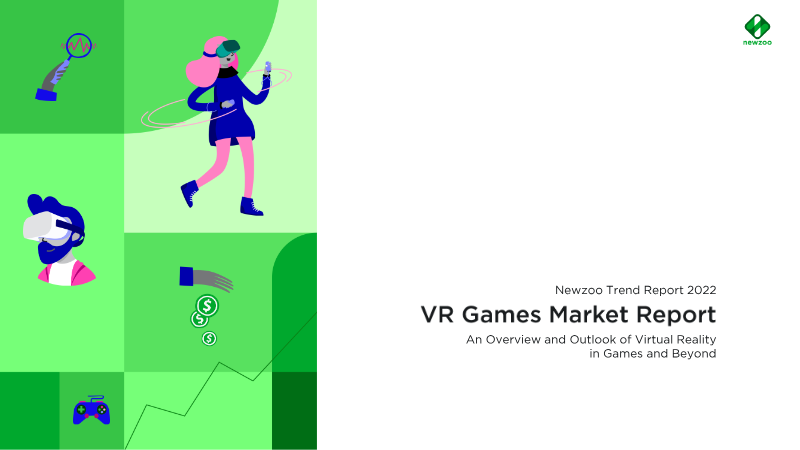
Newzoo · 2022
Newzoo · 2021
Game Developers Conference · 2020

Game Developers Conference · 2017
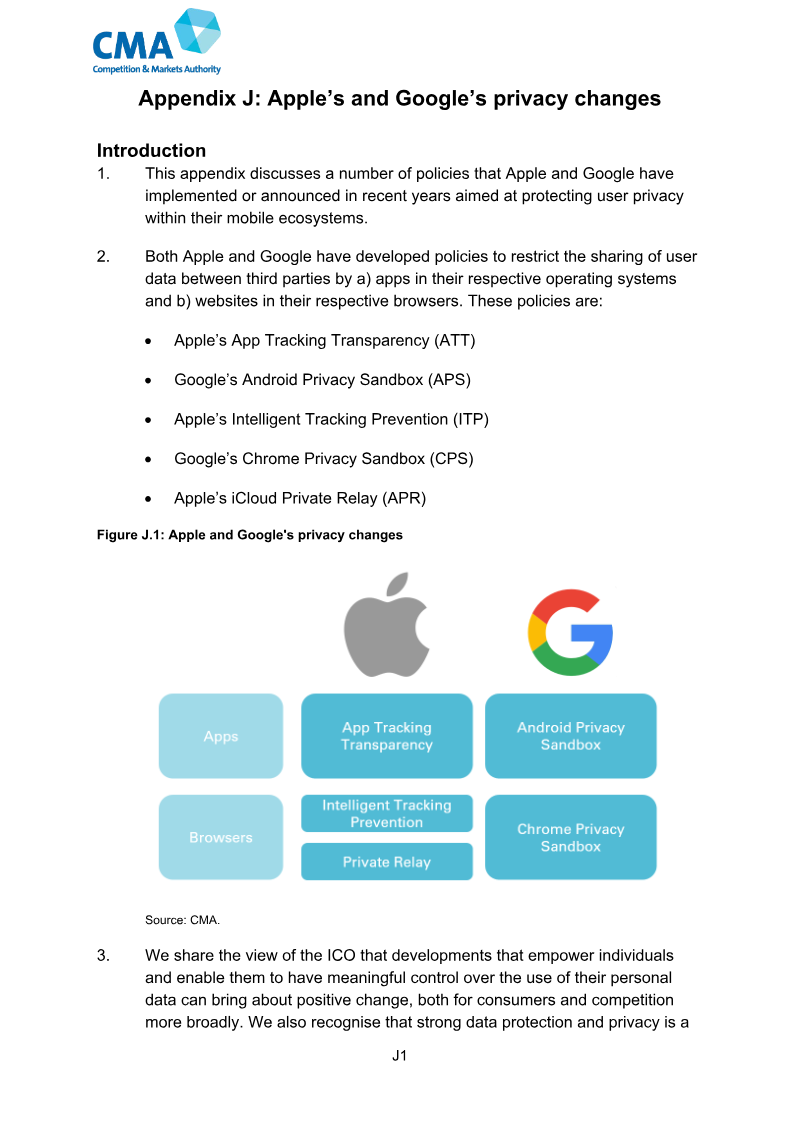
Competition · 2026

IGN Entertainment · 2026

Ubisoft · 2026