
The virtual reality market is entering a period of significant expansion, with the global active hardware install base projected to reach 46 million units by 2024. This growth, characterized by a 42% compound annual growth rate, is primarily fueled by the rise of standalone headsets like the Meta Quest 2 and the release of high-quality software titles. While high-fidelity experiences still rely on PC-based hardware, the shift toward accessible, standalone devices has broadened the consumer base. Gaming remains the central pillar of the ecosystem, as 72% of headset owners identify it as their primary use case, and nearly 60% of users engage with their devices weekly.
Demographically, the VR audience consists largely of high-earning, tech-savvy males who prioritize immersion and social interaction. Popular genres such as adventure, shooters, and simulation dominate the landscape, mirroring traditional gaming trends, while survival horror and high fantasy themes capitalize on the unique immersive capabilities of the medium. The market is also seeing a diversification of content, with a balance between VR-exclusive titles and integrated experiences that offer VR support alongside traditional play modes.
The industry is maturing into a financially sustainable ecosystem through the adoption of hybridized monetization models, including downloadable content, subscriptions, and in-game transactions. Major investments from industry leaders like Meta, Sony, and Pico are driving the development of high-profile intellectual properties. Furthermore, the utility of VR is expanding beyond entertainment into social metaverse platforms and enterprise applications in healthcare, education, and manufacturing. This cross-sector growth is supported by the increasing versatility of 3D game engines, positioning VR as a critical technology for both consumer escapism and industrial innovation.

Google · 2026

Newzoo · 2026

Newzoo · 2026
Newzoo · 2026

Deconstructor of Fun · 2026

Newzoo · 2026

Newzoo · 2026
Newzoo · 2026
Newzoo · 2026

Newzoo · 2026

Newzoo · 2026

Newzoo · 2025

Niko Partners · 2026

Anzu · 2026

Epyllion · 2026
Stream Hatchet · 2025
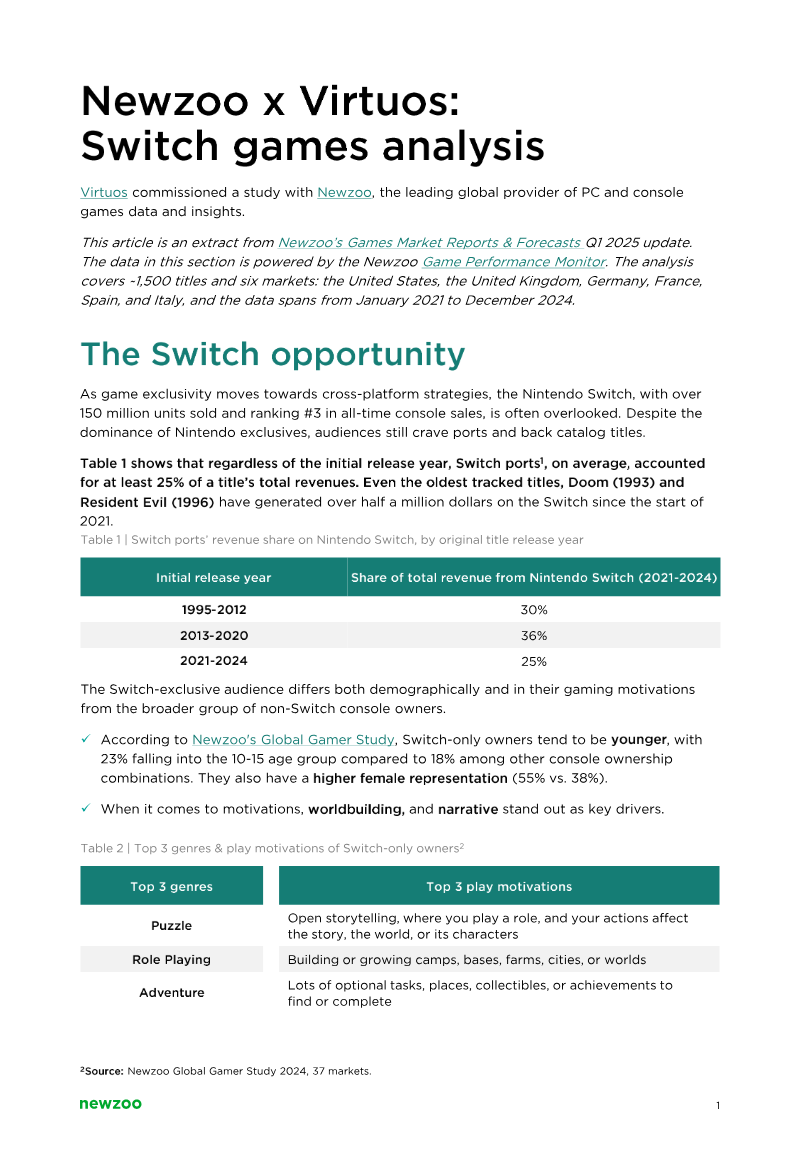
Newzoo · 2025

Newzoo · 2025

Ampere Analysis · 2025

Newzoo · 2025

Sensor Tower · 2025
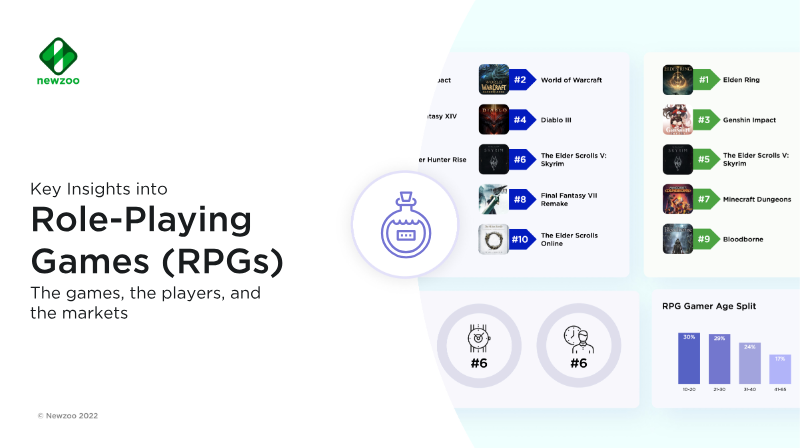
Newzoo · 2025

Aldora · 2025

Vorhaus Advisors · 2025