ArticleSuperJoost
Cloud Gaming, Post-mortem: The Afterlife of Defunct Cloud Services
6 Oct 2022~11 min full read
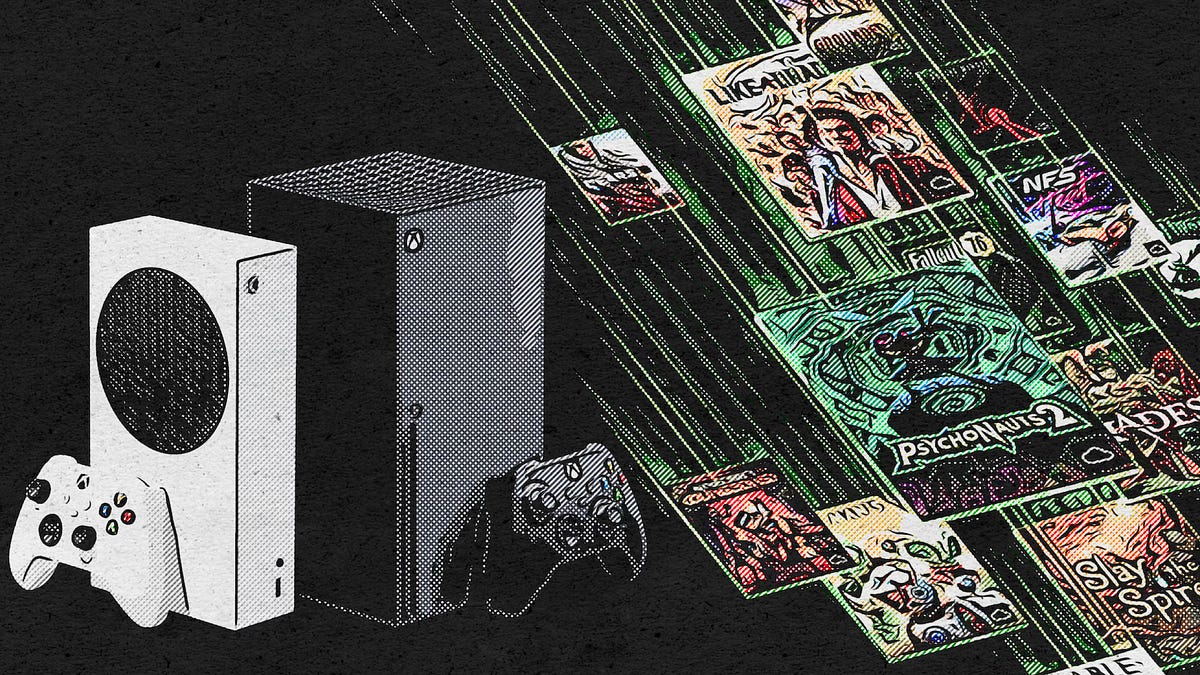
This analysis examines the shifting landscape of the video game industry during a period of high inflation and market consolidation, focusing specifically on the transition of cloud gaming following the discontinuation of Google Stadia. The primary thesis suggests that while consumer-facing cloud platforms face significant adoption hurdles, the underlying technology is pivoting toward a business-to-business (B2B) model. This shift allows infrastructure providers to offer white-label streaming services to telecom companies and major intellectual property holders seeking vertical integration.
The findings indicate that the industry is moving away from centralized "winner-takes-most" cloud platforms toward a fragmented ecosystem of single-publisher services and specialized aggregators. Data points highlight the financial pressures driving this evolution, including a 10.9% inflation rate in Germany and rising debt-to-capital ratios for aggressive acquirers like Embracer Group. The text notes that while cloud gaming promises variety and low commitment—the two primary drivers of consumer interest—individual publishers often lack the portfolio depth to sustain independent services, as evidenced by the failure of Riot Games’ 2016 streaming venture compared to Disney’s successful pivot.
The scope of the analysis covers global industry trends with specific focus on North American and European markets during late 2022. Beyond cloud gaming, the report touches upon the financial instability of esports, citing FaZe Clan’s 32% stock drop following investor defaults, and the cautious re-emergence of Web3 gaming through investments by legacy firms like Take-Two and Ubisoft. The methodology relies on financial filings, market news, and economic indicators to synthesize a broader outlook on the industry’s resilience during a potential downturn.
SuperJoost · 2026

SuperJoost · 2026
SuperJoost · 2026
SuperJoost · 2026
SuperJoost · 2026
SuperJoost · 2026
SuperJoost · 2026

SuperJoost · 2026
SuperJoost · 2026
SuperJoost · 2026
SuperJoost · 2026
SuperJoost · 2026

Ampere Analysis · 2023
Drake Star Partners · 2026
Aream & Co · 2026
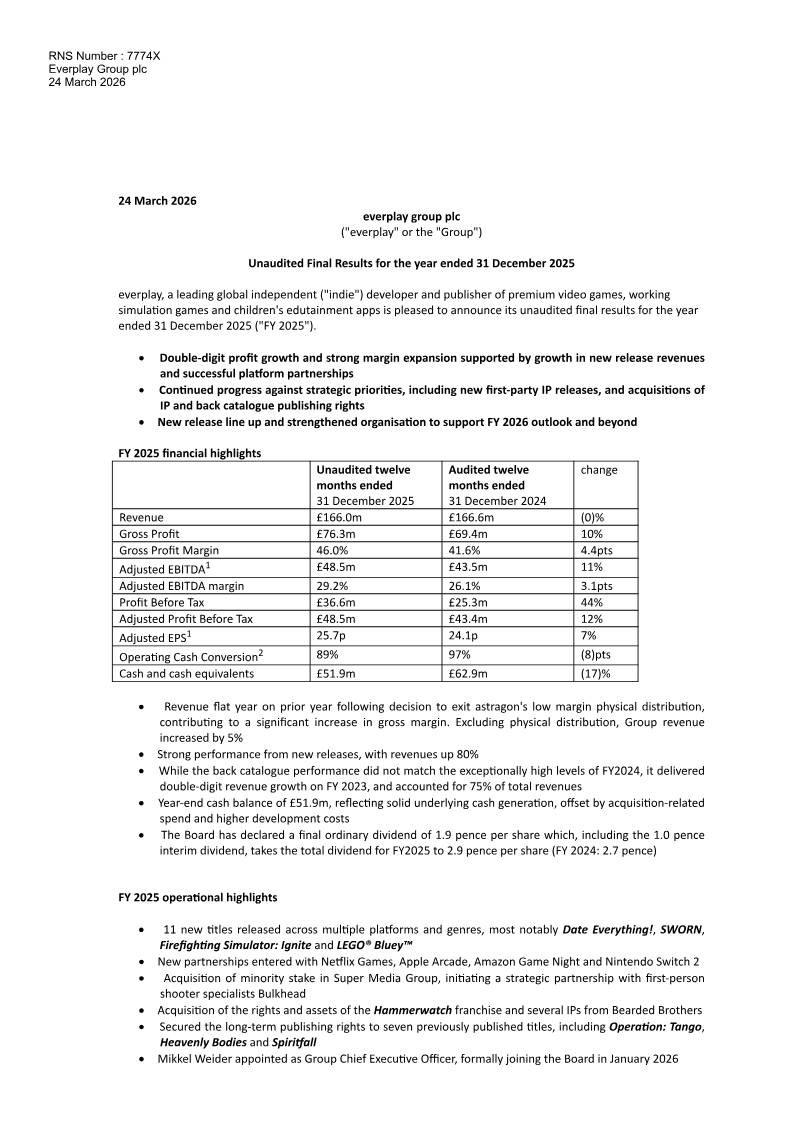
Everplay Group · 2026
Modern Times Group · 2026
Drake Star Partners · 2025
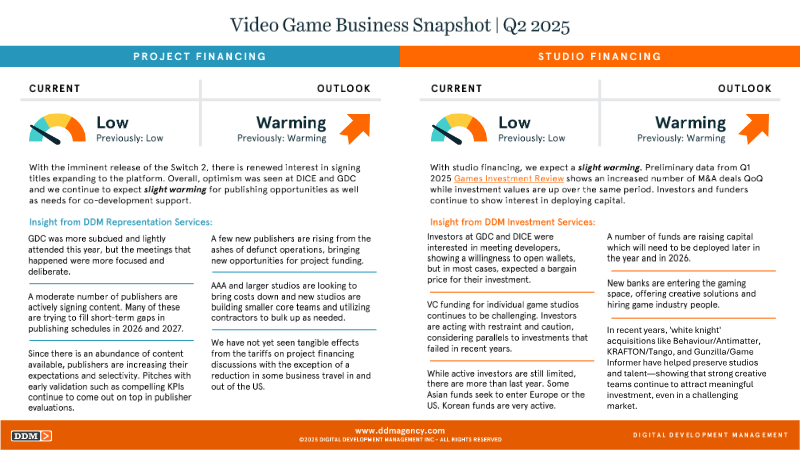
DDM · 2025
Drake Star Partners · 2025
Drake Star Partners · 2025
DDM · 2025
Thunderful · 2025
Digital Development Management · 2025