
ArticleSuperJoost
Bigger Means Different: Four Pro-Competitive Arguments in Favor of Microsoft
8 Dec 2022~28 min full read
The acquisition of Activision Blizzard by Microsoft represents a strategic shift toward a platform-agnostic, service-based future that challenges the entrenched "walled garden" dominance of Apple and Google in the mobile sector. While the top ten gaming firms have seen revenue grow by over 500% since 2002, their collective market share has decreased from 90% to 57%, indicating a highly fragmented and expanding $261 billion global market. Post-merger, Microsoft’s projected market share of 10-12% remains comparable to Sony’s and smaller than Tencent’s, creating a competitive landscape where "foreclosure" tactics are economically unviable. The $68.7 billion investment necessitates a massive, multi-platform player base to achieve profitability, making the exclusion of rival platforms counterproductive to the deal's financial success.
This consolidation is poised to benefit consumer welfare by accelerating the adoption of subscription-based revenue models and cross-play functionality. Just as a single hit series cannot monopolize the video streaming industry, individual franchises like Call of Duty are insufficient to foreclose the broader gaming market. Instead, the integration of these assets into Microsoft’s ecosystem incentivizes infrastructure investment and diversifies monetization strategies, providing players with more flexible access to content. By moving away from the restrictive rules of traditional hardware-locked platforms, the merger promotes a more open marketplace that prioritizes software accessibility over hardware exclusivity.
Beyond market dynamics, the transition of Activision Blizzard into a larger corporate structure serves as a catalyst for improving industry-wide workplace standards and player safety. By reducing the financial volatility inherent in a hit-driven business model, the merger allows for a greater focus on long-term cultural health and moderated online environments. Ultimately, the deal fosters a more accountable and competitive industry, breaking down traditional barriers to entry while addressing systemic issues related to toxic work cultures and consumer safety in digital spaces.
SuperJoost · 2026

SuperJoost · 2026
SuperJoost · 2026
SuperJoost · 2026

SuperJoost · 2026
SuperJoost · 2026
SuperJoost · 2026

SuperJoost · 2026

SuperJoost · 2026
SuperJoost · 2026

SuperJoost · 2026
SuperJoost · 2026
Modern Times Group · 2026
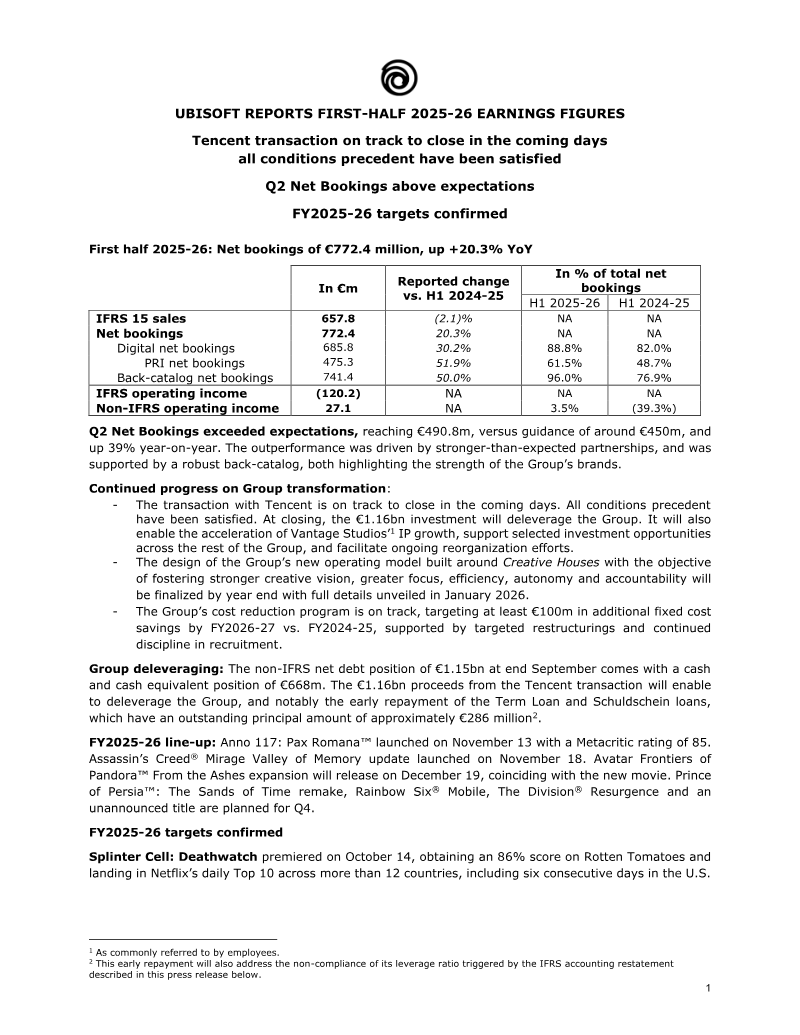
Ubisoft

InvestGame
Aream & Co · 2026
Drake Star Partners · 2026

InvestGame · 2025

Drake Star Partners · 2025
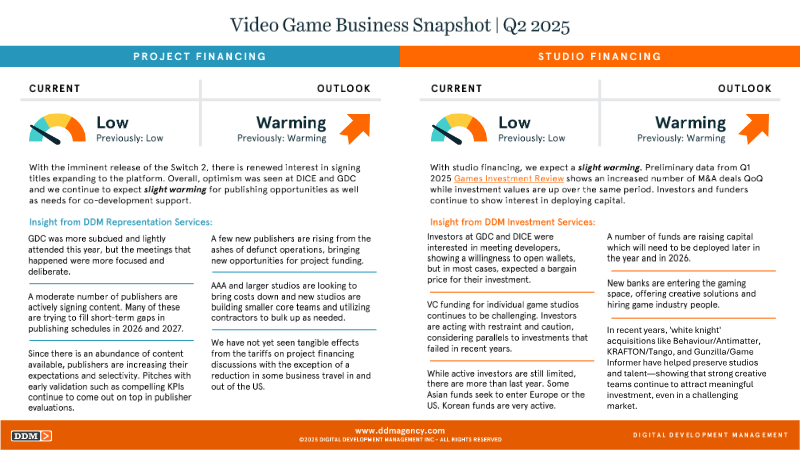
DDM · 2025

Drake Star Partners · 2025

Modern Times Group · 2025
Drake Star Partners · 2025
DDM · 2025