
ArticleSuperJoost
Bad Week for Video Games Research: Industry Stats, Data, and Bullshit
16 Sept 2021~8 min full read
This analysis examines a period of significant reputational decline for video game market research, arguing that the industry is currently plagued by deceptive practices, circular reporting, and methodological failures. The central thesis posits that as demand for reliable data has surged following the pandemic, the quality of available insight has plummeted, driven by a "growth at all costs" mentality that prioritizes financial interests over factual accuracy.
The scope of the analysis is global, focusing on the mobile gaming sector and the broader platform economy during 2021. Key findings highlight the $10 million SEC settlement against App Annie for deceptive practices and material misrepresentations, which the author suggests is symptomatic of a wider lack of integrity in VC-backed data firms. Furthermore, the analysis critiques a Naavik and Bitkraft report claiming the industry is worth $336 billion—nearly double previous estimates—by demonstrating that such figures are often based on outdated, seven-year-old forecasts and circular citations rather than primary data.
Methodologically, the text contrasts rigorous research—defined as establishing primary data sources like consumer surveys or retail transactions—with contemporary "lazy" practices. This is exemplified by the Epic v. Apple legal proceedings, where the court dismissed expert testimony due to flawed survey designs, theoretical accounts lacking empirical data, and the misuse of economic tests like SSNIP. The author concludes that the scarcity of transparent data from platform holders like Apple creates a vacuum filled by unreliable intermediaries, ultimately threatening the health of the gaming ecosystem and the ability of regulators to oversee the market effectively.
SuperJoost · 2026

SuperJoost · 2026
SuperJoost · 2026
SuperJoost · 2026

SuperJoost · 2026

SuperJoost · 2026
SuperJoost · 2026

SuperJoost · 2026
SuperJoost · 2026
SuperJoost · 2026

SuperJoost · 2026
SuperJoost · 2026

Aream & Co · 2026
Drake Star Partners · 2026
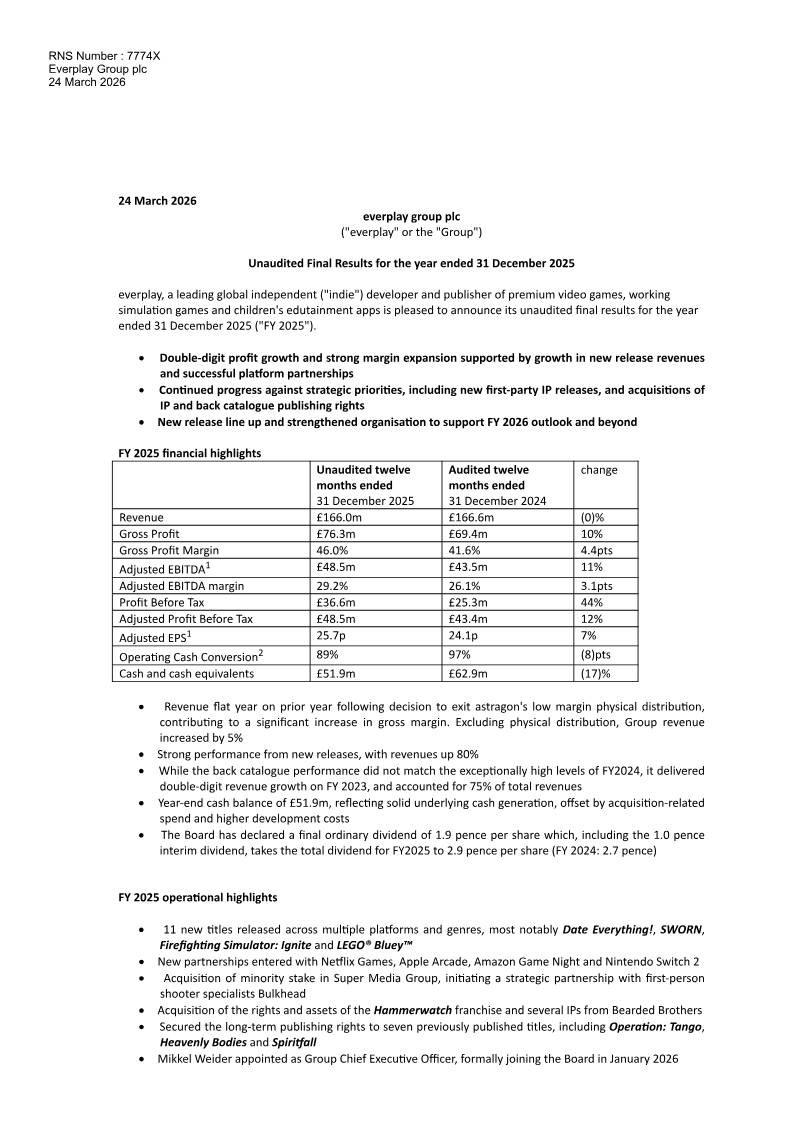
Everplay Group · 2026
Modern Times Group · 2026

Drake Star Partners · 2025
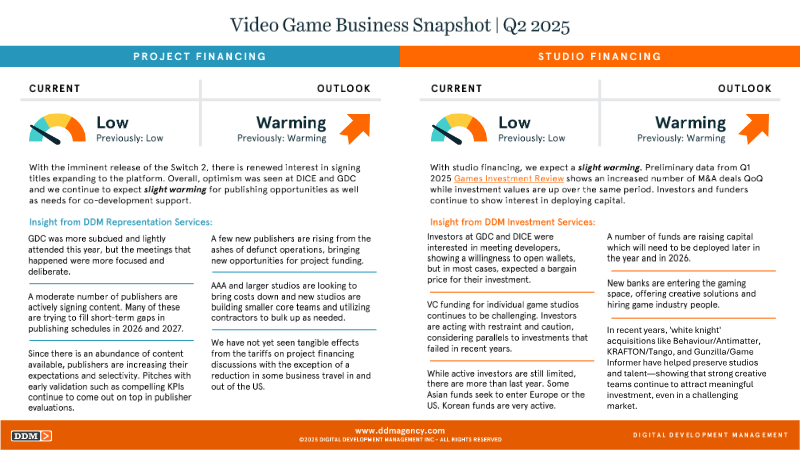
DDM · 2025

Drake Star Partners · 2025
Drake Star Partners · 2025

Thunderful · 2025
DDM · 2025
Digital Development Management · 2025
DDM · 2025