The 2019 Electronic Entertainment Expo marked a pivotal transition for the video game industry as cloud gaming moved from a fringe technology to a central strategic focus. While the emergence of Google Stadia, Amazon, and Tencent signals a potential disruption of the traditional console business, the successful launch of these platforms remains contingent on massive capital investment and the cultivation of deep third-party relationships. Currently, major AAA publishers are adopting a cautious approach, hesitant to commit exclusive intellectual property to unproven platforms until a critical mass of users is established.
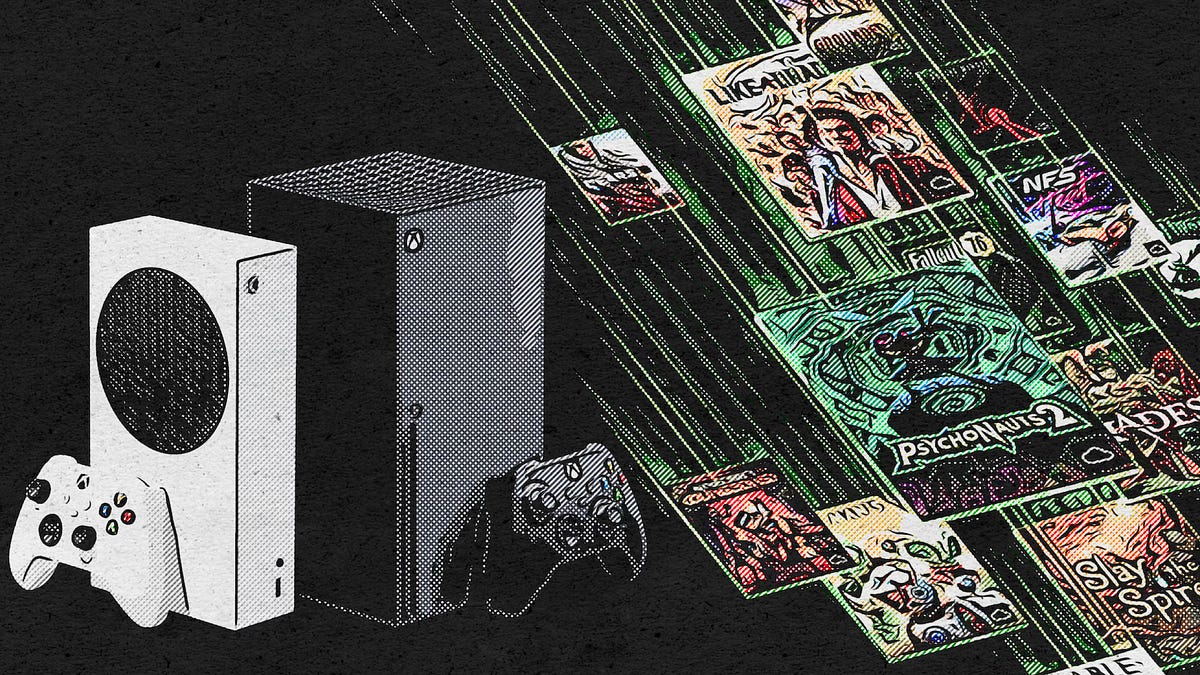
The competitive landscape reveals a significant divide between tech-driven newcomers and established incumbents. Microsoft and Sony maintain a strategic advantage through decades of relationship-building and content ecosystems that cannot be replicated by capital alone. Despite the promise of cloud technology, Microsoft’s internal priorities appear to remain tethered to traditional hardware, with its upcoming Project Scarlett console receiving more focus than its xCloud initiatives. Meanwhile, Apple is positioning its Arcade service toward younger audiences by aggressively funding titles at valuations between $1.5 million and $5 million, providing a lucrative alternative for smaller developers compared to standard App Store distribution.
Ultimately, the transition to cloud gaming is viewed as inevitable, yet the industry currently lacks a "killer app" that demonstrates the unique capabilities of the technology. Success in this new era will require more than backend infrastructure; it demands a clear formulation of unique content offerings. As companies like Epic Games attempt to build multi-faceted social platforms and publishers like Bethesda integrate popular trends like battle royale to fortify user loyalty, the industry remains focused on the principle that content differentiation is the primary driver of platform adoption.