1 free read left. Create a free account for unlimited reading + AI research.
Create free account
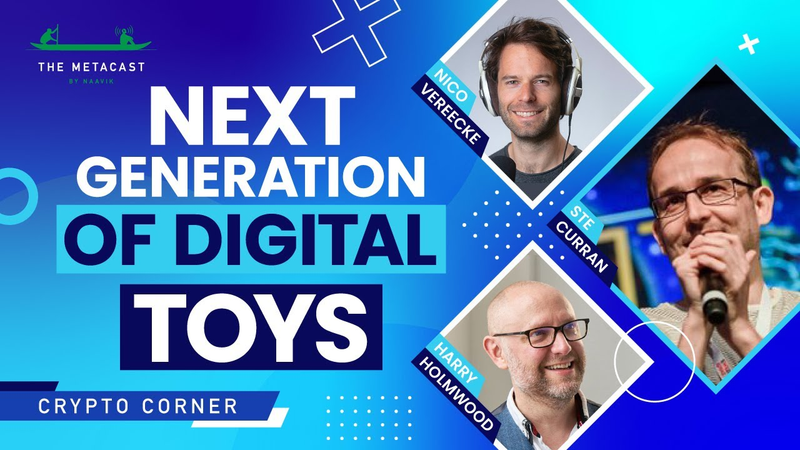
Magicave: Building the Next Generation of Digital Toys - The Metcast by Naavik
Key insights
6 takeaways- 01Magicave is shifting digital entertainment toward modular 'digital toys' that prioritize long-term hobbyist engagement and functional utility over finite, speculative gaming experiences.
- 02Magicave is moving away from rarity-based crypto models to focus on functional variety, ensuring asset value is derived from utility and integration potential rather than market speculation.
- 03The company’s 'pseudo-physicality' model draws inspiration from physical construction sets like LEGO, aiming to provide creative freedom through modular, scalable digital components.
- 04The ecosystem empowers community-led development through software development kits (SDKs) and an open, iterative process that allows players to define the evolution of their assets.
- 05The platform utilizes blockchain technology to provide users with provable ownership of interoperable assets, such as characters, tiles, and dice, that function across diverse digital environments.
- 06The roguelike game Hexgen serves as a primary project to demonstrate how these interoperable primitives function within a persistent, user-driven digital universe.
Ask AI about this video
Transcript
[Music] gm friends and welcome to the metacast brought to you by navik my name is nico and today is a develop episode so we are at developing brighton and i have steve and harry with me from magic cave um and today we are talking about what magic is doing who's t and harry are um and what innovative things they are using the blockchain for um so it's yeah it's it's conference time it's really hot here we have uh gin and tonics we're having a good time here and um yeah let's ivan so um yeah maybe first talk a bit about yourself who are you and then we can go into what magic is all about okay so my name is steve uh happy to be here thank you niko i am a game designer i've been a developer for about 20 years my time in the blockchain space has been intense and uh full of lessons and stories which i
guess we will get into in a few minutes time um and i do loads of things i do a radio show called one life left so i should be perfectly at home in this situation uh i i we also i do uh i do think on marioki um i'm a writer i do talks at conferences uh and i try and make beautiful tight small games uh and i'm also creative director at magic cave with harry yep so i'm harry i'm the ceo of magic cave and uh formerly a game programmer and and more recently in the last 20 years or so running game companies involved in console games pc games mobile games and now blockchain games exciting so you guys have seen it all um been in the space for a while so talk to me what is what does blockchain bring to you that you is this is this like the the question you get the whole time or the controversial one what does blockchain bring to me yes an enormous number of headaches anxiety you know
sleepless nights all kinds of things um i guess that's a really interesting question because that's where i started and where magic have started about a year ago when harry and i were talking about what we wanted to do and we could we had lots of different ideas that we were working on and then harry suggested working in blockchain and i was appalled absolutely like um uh taken aback and was like absolutely not i don't want to do anything like that because i'm on twitter and then and therefore i know what these things are because i i you know i'm part of the indie gaming space on twitter i have lots of friends there who i love who hate blockchain and hate this space and sometimes when you make your mind up about something it's not that you're lazy but you there are people you love and respect and you take their opinions as as you're in and that was kind of where i was until i went out for dinner with a friend and um i said you know i'm getting some
approaches because it wasn't just um harry who was talking to about it i had another friend who was really interested in me working on something which i'm sure we'll get to as well um and my friend said you know what are you doing at the moment i said well lots of people want me to get involved in stuff to do with blockchain and i don't want to because it's all a scam and he just thoughtfully sort of went back and took a sip of his drink and then he said but what if you didn't do a scam and that kind of then put the pressure back on me because obviously the answer is well that's impossible to a point but i couldn't rigorously defend that to someone who said that i i don't know i only know what people have told me about the space so i went away and looked at what was interesting to me about the blockchain i knew nothing about it at all like i knew people were selling monkeys for ridiculous amounts of money and things to do with that and i i i didn't get it but i went away and
looked at what was interesting about the chain to me and that um again i don't want to sort of like suddenly dovetail into the pitch for magic cave here but for me the interesting thing was two the two things firstly the sense of uniqueness ownership of an item that could be provably yours in a way that the whole community was buying into almost i don't care about the technical stuff behind that but i care that there is this conceit that we're all saying now we all agree that this item is yours and it belongs to no one else and it can be yours and that felt special like other people can position that as a kind of selfish thing you own it and no one else gets to and that is true but the flip side of that is you know this thing is personal it can be yours no one has my cat right like my i have two cats at home so no one has either of them and they are uniquely mine and they would not feel you know i had a friend who had a sony eyeball it's very difficult to
care about the ibo because you know a million other people own the ibo and it's exactly the same but the fact that this thing could be uniquely yours that felt important to me as a designer and the second thing was the transactional element the theater behind taking an item from somewhere inside a game and being able to put it somewhere else and i don't mean this kind of first order like thought of going oh wouldn't it be great if we could use a gun from halo in an ubisoft game or whatever which i don't believe in and i don't believe is ever going to happen but i do believe that i took that idea of taking a thing that i own for example um i think back to my time with playing animal crossing like i loved animal crossing a lot and now that sort of decayed and gone like i mean i play the new one as well but the old one this village that i cared about the idea that i could have taken that out and put it somewhere that was mine in a wallet or on a shelf or somewhere and just knew that thing was
mine that feels special and that moment of being able to bring something from here to there again regardless of whether that is theater oh sorry but fictional it is theater as all believing in that theater makes that feel interesting and new to me as a designer that gave me two tricks to play with and as a designer all i do is build things from tricks right none of this is real so yeah that's when i started to get excited about what i could do with the tech and that's what this is about really it's about the tech not the sector so much but the tech that underlines it and where that might take i don't want to say gaming because again that leads everyone to believe that it's like about building new models and putting nfts in people's games and doing that but where that tech could have a place in gaming in five years time i think that was a long answer to it was great
sorry how about you harry i think for me it was it was thinking back even to when i was at university it was a long time ago and and which was kind of in the certainly the pre-web days and and i remember one of our our lecturers who's now dame wendy hall telling us about this project for uh connecting together the world's information and we we were learning about hyperlinks and all of this kind of thing i remember kind of thinking at the age of 20 or something what was the point of that i don't i don't see the use of that and obviously yeah pretty predictable answer but that became the worldwide way of writing that project and and sort of you know i was involved in some sort of fairly early internet companies around the kind of dot com boom time and seeing the change from you know the 92 93 internet to the 99 internet when everyone was on it and then to the 2010 internet when everyone was on mobile and see you sort of seeing that the paths that weren't clear in 1992 you know the the young me thinking what's
the point of connecting together all the world's information to it now being so obvious why you want to connect together the world's information it felt a little bit like this could be another one of those basically and you know i remember being i guess now what 27 28 and and having companies that were involved in internet and gaming and and and people you know dismissing it as a fad and not seeing the use cases and you know talking about how slow the download speeds were and of course no one's ever going to be able to download a cd-rom game over the internet because it's going to take forever and all of those kind of things just resonated with me as yeah these things take a long time but the changes happen and and i think that the the changes that blockchain or blockchain like things can can do for our industry and other industries are potentially as seismic as those and and i wanted to really just create something that can learn you know we don't know anything yet about what this space means just like i didn't know anything in 1991 about what the internet was going to become but you want to learn and so you
know really my original goal with magic was can we put together a team of curious people that are sort of you know one step at a time building a company and building products that are going to be in this space we're going to learn lessons as we go and we're going to make mistakes but we're going to you know we're going to make something cool on top of that technology whatever that technology becomes okay so and and so what are you building now well okay so our interest is um is in physicality uh we're in pseudo-physicality and actually when we were pitching to investors sometimes this got a bit confusing because people like are you building physical things or or digital things the answer is we're building digital things which feel as physical as they possibly can and use those tricks that i've already talked about to feel more real to transfer that sense of ownership um and physicality to a player or to an
owner of one of our assets what we're building are toys um and around those toys that we build which could be anything and we're building something right now which we'll get to uh but around those toys we build a layer of games that those toys can be used in and are kind of like suggested use cases for those uh for those toys but they're not the only use case what we are selling are the toys and we're also allowing our toy owners and anyone else to take our sdks and build anything they want with those toys so to me the best analogy is well it's it's it's toys right like so you buy a matchbox car and you buy some track and you can you're intended to sort of race that around and do a loop the loop and see how fast you can do that but actually you end up driving it around your living room or you end up like throwing out the window and seeing how far you can or deconstructing or painting or doing anything else you want
with this toy we don't care we want other people to build use cases that other people will see and go oh that's a cool thing to do with my toy can i use your game you've built or can i just do my own versions all these forked off futures from our toy um and the analogy that i use all the time is is lego in the when you buy a set of lego you get a a dinosaur or something to build on the box and people build that dinosaur and some people that's all there to do and that's fine so the games that we are building are i don't want to downplay them they're not demos they're really really important to our ecosystem we want them to be successful and brilliant games that people want to play on their own right in their own right but some people will play them and go that's cool i want to do my own thing like they take a lego set and go that dinosaur's cool but what if it had you know fangs over here or three legs or you know an extra tail whatever build that thing and some people will do something completely different with that and that's fine that's
more interesting to me than traditional game development where you build a toy you build a game and people move through it and kind of exhaust it and maybe they uh maybe they you know go down this side road or they play all of these extra missions but ultimately the things the rules that the developer has designed are exhausted they can't do anything else with them for us it's like yeah here's an object we define the physical characteristics and some potential use cases and then other people play and that's quite exciting to me i think it reminds me of a conversation i had a few weeks back um with one of the people behind xerox spark and they're building autonomous world and digital physics and it's a bit more abstract than what you're describing um but they're essentially recreating physics that as we know on this planet limitations that create a environment in which you could be endlessly creative within the context that they allow with
the digital physics and it sounds like you're doing something similar to that where you're giving people the tools you're giving them an environment to play within and do whatever do whatever they want or can yeah i think one of the things that harry says a lot like is that we're building hobbies so we're building kind of mini ecosystems where we define rules and we define frameworks for people to exist within them but it's up to the community to really direct where that hobby goes and it's up to individuals to define how they get involved with that hobby so again i am personally like super excited to see people play one of our initial games and just fall in love with that and never move out of that box but you can't build a game for everybody you can't build a toy for everybody and nor should you be arrogant enough to assume the things that you build with this thing are the best thing ever i love the modding community right i love what they do with video games and i love how they take games and genuinely make them
better it doesn't mean the developers originally are terrible at all it means they are human and they can't exhaust every possibility or think of every possibility but by building toys that we allow other people to build with we're essentially hopefully accessing the creativity and kind of game design knowledge of people who are just as smart as you know our team is this um 100 000 or a 10 like 100 million monkeys if you put them on typewriters and then type endlessly they'll come up with things like one the work of shakespeare but also you know pieces of art that would have never existed i mean isn't that all modding and all social media and tick tock isn't that like everything that yeah there's so much content created and sometimes it's not the things that you expect to succeed that do and often it's someone making something that's bad but has something in it a spark that inspires someone else to do that and build and build and build and build and that's the kind of community and creativity we want to
encourage um but again like if people don't want to engage with that and just want to play the games we make that's cool too because a lot of people just want to buy the lego set and build the lego that's why that's why they built it for some people uh the idea of oh just do anything that's terrifying i don't want to do anything i want to build the dinosaur so build the dinosaur that is not a bad way of having a good time totally and so could you you make this a bit more practical so what should we think like what toys are you building and you know what will people be able to do initially within like the games that you provide harry do you want to answer that because i feel like i'm talking all the time okay so so the first thing we wanted to do was um build something that's that's kind of small but that is potentially infinitely expandable and can sit at the heart of you know as he said i bang on about hobbies a lot and you know to me a hobby you know you take something like cars right you can be into cars but what does that mean does it mean you're into fast cars does it mean you're into taking old cars and you
know doing them up is it mean you're into decorating them does it mean the social aspect of those cars is important all those different things that appeal to different people and that's kind of what we wanted to be able to build um but you've got to start somewhere and at the heart of what we're building um is dice we loved the idea of dice as a as kind of the soul of of this product that we're creating dice can be really beautiful things i mean we've sort of started to engage with artisan dice community there are people that make these incredibly intricate beautiful dice um you know and they're real items of beauty they're unique things the physical things that people are making and of course you know you use dice to play a lot of games and you know the random aspect of dice is kind of cool um so so the first thing we're doing is is launching dice and we've built technology that allows us to kind of craft these incredibly beautiful handcrafted things that feel precious and wonderful and unique to you and have traits that
somehow relate to the way they might behave or the impact they might have in a game and then we're starting to build a hobby around that so if you think about the dice first the next thing that comes after the dice is the characters so you know you can think of it a little bit like a hobby like warhammer or dungeons and dragons you know you can go into a warhammer store or games workshop store and you know there's people that go in there and what they really are interested in is buying the figures painting them that kind of thing when i used to play d d i was i kind of like that part of it but i also i was a sort of statsky i knew you know every magic spell and i knew every statistic that the fighters would have and the swords would have and that element of it and i remember a friend of mine was the dungeon master and his big thing was creating the worlds and you know bringing people through that narrative and other people were really into kind of the performance aspect it's almost like a you know a drama performance that's going on when people are playing these games and i think all of those things can kind of come together so we're building something called d number which is akin to that it's not dungeons and dragons it's not
warhammer but it's in that space um the dice the characters and then what we call the tiles and the tiles are used to build worlds and there are games that make use of all of these things and all of these things exist on a blockchain so you you own them and you can build other things with them you can take them and do whatever you want we're providing sdks so that people can not just you know interact with the things that we make but build their own games in unity or unreal or ultimately whatever game engine or metaverse may may succeed in the future um and so that's what we're building and we're doing it in public we're doing it everything is kind of on our discord so you know rather than taking the approach that sort of traditionally in games we've taken which is kind of you keep everything under wraps for three years and tada is the here's the big triple a game we're making we're going to show you this these the games that we're making from the point where they're these really simple 2d test beds which you know people can already see um all the way through to them being these beautiful 3d things that we're now starting to just show people a little a
little glimpse of and so what are the so you're first creating dyes which are these beautiful objects that feel real and because also you can take them out of their natural context they are yours um what are the first things that they'll be able to be used for so the there are a few different games that we're building internally right now one of them is a very very simple roller so it is a dice tray which you can take your dice and you can take any combination of your seven dice that you buy and you can roll them and you can roll multiple ones of them and of course you could use that for d d if you wanted or you can just use it to show yourself that you have bought an item rather than a jpeg or a movie or anything like this it is a 3d item that has some kind of practical purpose and that practical purpose is dice just like you would have that's not enough right but it is
something to again sell the physicality of this item um there'll be um a playful simple game called dice goblins which kind of uh a deck builder uh more like a dice builder versus cards that represent goblins and you roll numbers to defeat those goblins that's a very very short demo version but the bigger game that we're building out right now is a thing that we are well it doesn't have a title the internal title which as i know from game development will swiftly become the external title we'll be called this forever until unless someone makes a decision pretty quickly and they have to because i'm not super keen on this is it's internally called hexgen and what it is is a classic roguelike so one of my personal bug bears in game development is that people use the term roguelike a lot which means originally means a game like rogue but now these days means
it's a bit hard it's got something you die it's got some it's got a lot of grinding in it and it's kind of got some probably got some procedural generation in it which i think is fine right and i love a lot of those games but i also think the draw of rogue the original rogue and the games that have built on that is kind of bigger so we're building a rogue like a traditional rogue like with elements of other games uh in there as well themed around this universe that we're building as well this d number universe whereas we're at the heart of the universe is this element of captured fate of dice spinning at the heart of all of us we cannot control everything but we do our best anyway um that's the universe i like the fact that you're starting with dice because they feel like the perfect primitive that you can use literally to do anything to generate rng and you know i might be wrong but it also feels like i remember that dice
were almost the first games that people humans used to play with um you can find on like on our discord sometimes people post like roman dyson that's kind of like really really early versions but of course it's a really really good fit for us because as harry said our intention is to learn and we know that doing this we will fail because that's part of learning if you meet someone who hasn't failed then i don't believe they've been learning they've just been lucky and so we build these dice and we we choose dice because they're simple right then literally well i was gonna say they're literally primitives but if you talk to our artists they're definitely not primitives like very complicated how hard could it be it's just a polygon write a number on it bosh done turns out really hard yeah but it is a good it's genuinely a good place to build that 3d technology from right because you're building uh like i said these toys you know years down the track for magic cave will be anything but you don't want to start with a car because there's many more moving parts than there are with
what is not quite literally a primitive okay so you're gonna start with um would i would it be correct to call them like the dungeons and dragons primitives where you have the dice the characters tiles that represent location and then i mean you can call them that but it's probably trademarked so i wouldn't okay like it's it's in the sort of world right and we love those games we love warhammer it's a big demographic and there are plenty of other skus of that so yes the number is targeted or sorry hex gen and other games around that b number universe generally targeted at that space but that isn't to say all of the games that we are going to release and other humans make because they're just dice you can make whatever and um the good thing about you know the way we operate is there's nothing to stop us doing little internal game jams kicking stuff out in front of the community and it could be you know a basic game where you just throw dice at a wall and the numbers that come up define who wins or
who loses yeah yeah well quite we can we can build that someone else can build that and we hope they they do um and we will be able to front page those bring those to the community through our discord and through other means as well so yeah while we are targeting for our our first uh major game that sort of sphere it doesn't limit the dice to that world okay so building games is hard it is um if you can get thousands of people building games within your ecosystem there's there's a fair chance that one of them will you know crack the code and be successful so you know let's say you build your own games and none of them you know really draw in big audiences to kick start that user generated content what's the next step how are you solving for that um are you going to start like build games yourself or you have other solutions in mind i mean we are building games ourselves that's the plan and as a game designer you have to back yourself to say this game is going to be good enough to draw in the audience now these
games are not built in a web 2 way they're not built in the old game development way where we just kick it out and go oh that one failed or that one succeeded we're building them in full view of the community and uh the demo games that we build as well will be pushed out to them as well as that some of them will succeed some of them will fail but if i didn't think we couldn't make good games and couldn't make a game that will attract an audience you know then i wouldn't be here i wouldn't be doing this and i wouldn't still be doing game design i want to make things that millions of people love and so we're not just building for the audience that's out there right now you can you'll be able to play our games without buying the dice but the game has to be fun in the first place right because otherwise even if you offer it to someone for free they're not going to play it so that's our target i mean it's kind of a bullish answer right your question is what if you can't do that and my answer is we'll do that trust me yeah sure because well we may not do it first time but we'll keep
doing it and we'll be we'll i mean but by doing things in little chunks you know when we when we put out a game it might be a game that's only been in development for a week you know it might be a genuinely a game damn situation doing something with you know whether it's with the dice or the figures or the tasks something that is in that ecosystem you know for example dice companies you know we're using the concept of of your fighting against cards and one of the reasons for doing that you know what asp you know we know that card battle games are cool but what you know what parts of that are going to be fun in our in our ecosystem maybe some of those mechanics make their way into the bigger games and maybe they don't mean but it's that those small things learning what works doing it in front of the community seeing what are they like what does does that spur something this person want to go off and say actually i don't like that but look at what i made look at what i made over the weekend um i think that you know just discovering what the hobbies so you know right now it's quite feels unusual as a game developer the the amount of unknowns that we've got ahead of us i mean generally you you know i think your game development's got a little bit more agile over the years but
i think you generally know what you're going to be building at the beginning but i think you know i'd be very surprised if what d number is in two years time is exactly what we have in our mind at the moment and that's one of the things that makes it super exciting how what have you learned about building in public with like in constant communication with your community i think it's early days for us i mean we haven't made a lot of effort to to build a big community yet um but what we are seeing is i think just an enthusiasm from people um and and you know i think communities are they're very difficult things to create but we we're seeing um you know people that are passionate about dice and it was one of the things that we were interested you know are people that like and make real dice are they going to hate digital dice but actually we're seeing people really getting into the idea i think people are if you if you're not building these things is he said to be a scam you're building these things to create
something sustainable and something that people are going to love they can see it as an extension of a hobby that they already love rather than a challenge to something that they're into so i think that's what we're learning so far and and the feedback is nice i think we haven't put you know we haven't put loads of playable stuff out there yet for people so we'll find out in the coming months how how that process works i think a bit more yeah i mean i've been involved in another nft project for six months and learned so much about the community and about building things for that community and i i guess one of the i guess there are two main lessons for me one is that you can't expect to build a thing and expect uh build a thing for games and expect that audience to be gamers who buy that thing there's a lot of speculators in that audience who are buying things to sell them higher which is uh you know a good percentage of the
people who are investing in nfts right now but it isn't everyone like the other community i've been involved in i've genuinely been astounded at the base level of creativity and support that people have that there are true believers not in the financial world that exists right now but in the world and the tech that will exist in a few years time and are excited for what we're building and just build things on their own like genuinely take the thing which is not something you you do see people in games traditionally getting excited about ip right like like they love this world they love these characters they write fan fiction around them they mash them up they you know but you don't often see people getting excited about the pieces the individual things the ownership the object like they do like people do for objects they have in their houses things they put on their
shelves things they have around that they want other people to see and talk about and that's what i've seen you know communities engage in taking their objects and just loving them and wanting you to love them and provide options for you as well like provide options for them rather so yeah i think that the web 3 community is very creative at its heart like it's not just the finances that people say it is there's a lot of people who want to build and want to see exciting things in the future um that's been yeah one of my lessons the other thing that i've learned is that it's very very important to show progress and to show what you're building and to allow people to engage in that to a point like people trust you as long as they know what you're doing and you know all of the projects that i'm involved in i'm like okay that's a clear lesson you engage people and you trust them to
trust you as well very interesting and so you are in your first iteration you will build dice and the number and the universe around that what are some of the ideas you have for for after that so uh you mean uh within the d number thing or beyond beyond so anything really like there is so it's my true belief that um uh it's such a boring thing to say so you find yourself speaking in cliches a lot in this sector but one and i bristle against some of them because some of them are used uh strategically and poisonously one of the things you hear people say defensively all the time is we're early right we're oh we're early it doesn't matter you know you're early you're early get in early get in early buy this thing because you'll get rich and most of that stuff is right like but i wouldn't be here if i didn't think we were really in the sort of bigger vision of what blockchain can be and what this space can be
yeah sorry i've run it i've run into a dead end so the thing the things that could come after dinner but other sorry sorry yes that's where i was where i was going gin and tonics so yeah um we we're making toys right like um and we truly believe that we are early in that sector in a sector that after the you know the recent sort of troubles people are now like okay maybe this isn't the dream maybe this isn't the future we'll back away from but if you are a company who stays in that sector and learns the lessons then i think in four or five years time toy manufacturers will all want to be in this space they will all want to be creating digital facilities of where they are now there is nothing in the technology that we are building right now which as i said right start starts with dice right simple objects but grows into anything they want that can't stop
us partnering with someone and building for them or with them and building anything we want with them now i think it's trivial for us to say oh cool yeah we're building a car universe next uh we're building a uh you know a fighty fighter universe or building a sci-fi universe after that all of that would be like because we don't know where space is going to be in three we don't know where the audience is going to be but i'm excited not about like where not about the audience right now but the audience in five years time when you're not spending you know some ridiculous amount of ethereum on this but instead you're spending 9.99 with a credit card and buying a toy and the audience is everybody it's it's everybody so maybe i doubt it but maybe that happens next year and maybe our second collection is care bears you know you know our second collection is is ponies or a second collection you go where the audience takes you if you've
got the right model and i think one of the things that's important to us is just the concept of scale so you know coming from the comfort of the traditional game business in the in the 90s we thought it was a pretty big business i worked at playstation we had we did playstation one and i think we sold something like 120 million playstations around the world and that was massive but now you know there's three billion people playing games and and the sheer scale that the industry operates at now and you compare that to the current scale of the blockchain the game's business is probably less than a million people worldwide have ever played a blockchain game so you can see there's enormous potential to for that to become you know a very very big audience but the process of actually playing a blockchain game and the enjoyment that most people get from blockchain games is minimal it's very difficult and it's very minimal enjoyment but you know the challenge for us as an industry and us as a developer is is you know okay we're here we know where we want to get to and there's a whole bunch of steps to go through to get there but the the opportunity when you do get
there i think is is just phenomenal and and that that's the exciting bit of this and i know it's it's become a bit of a cliche to say it's like the internet used to be but it kind of it kind of feels like it is but it's also a cliche to say we're early and that is certainly true like so yeah i'm excited about all of the universes we get to go and create i just don't know which one we get to do next makes sense so you know one of the problems i see in blockchain games today is that a lot of it is predicated upon scarcity and speculation um it intuitively intuitively feels like if you're selling toys my enjoyment of my toys is not decided by whether like how rare my toys are um is that correct how are you thinking about you know your own business model and would it be the same as traditional toys or are you thinking about that i think there's still some of that sort of speculation in traditional toys you can get excited that you've got the rarer
lego figure pokemon card or whatever but we don't want our model to be okay you've got the rare one you can sell that for hire you can um so perhaps it's more useful to talk about one of the core mechanics of hex gen like the dice creating the characters so all of our dice look different right and some of them look wildly different from each other but you should always be able to look at your set of dice and say yeah that's mine because that's got that little thing on the corner of the d4 or that's the red swirly one with the gold lettering on this side of this dice you should always be able to recognize your dice even when there are millions of sets of dice out yeah which is non-trivial to produce tech that we've to do that but we have a brilliant you know art team and really really proud of what they've done now when you've got millions of things the sort of rarity model becomes kind of weird right like because
how do you how do you skew that or a thousand dice still rare well i don't know because you've got um you know a thousand of them out there and again do you want to get into a habit where someone really wants to beat the game so they have to buy the thousand diamond dice i want to be like that so the way that felt filters into um into uh hex gen is this you have your sets of dice and you have your standard sort of character uh what would you call it like model with slots around it and you drag those dice into the slots of the character now depending on what your dice look like and maybe what set they're from because we're going to release these in themed sets depending on what your dice look like that will affect the stats of the character so are we okay for the filming we should be okay we'll fix it in post so depending on um
so depending on where you place the dice in the structure of the of the character in the slots you'll create a different character so if i have a set of wizard dice uh and they're very specific wizard dice with certain stats whatever place these in the head and the arms and the chest they will create a wizard and if that's my only set of dice that's the character i can create now if i have a set of rogue dice or if i have a set of you know fighter dice and start mixing and matching those those create different character possibilities none of these sets are better or worse than the others they have different stats and they create different characters and obviously huge variations based on the number of dice sets you have which is kind of cool i think every day the game generates a different dungeon somewhere in that dungeon is an objective or several objectives somewhere as a piece of treasure like that there are limited numbers about so you want to be the first to that treasure if you have a certain type of character it may be more challenging for you but not impossible to get deeper in that
dungeon but you can roll up another character create another character and potentially mint that character as well or you cannot you can just take the character you've got and enjoy that challenge and so there's kind of a meta game there of designing the best character to get into the get this far through the dungeon but there is no perfect character because if you create you know a you know a mage that's really good with fire magic and swimming in the water and come across some kind of ice dragon it might be your character really powerful but this is not going to help you here so go back and re-roll that principle that i've described there may be quite badly applies to the bigger picture of how the dice work because we design these games and define you know the the qualities of the dice so it might read in the uh texture or the uh the material of the dice as the armor for the characters it may read the font as the class whatever but the bigger picture is harry can go
away and jam out a game that makes all of the diamond dice in his game uh become a fluffy cat pet and none of the other dice do and then suddenly if harry's game becomes super successful then those diamond dice accrue you know become have a value that is you know determined kind of by the community about which games are successful which games we choose to front page and say yeah you're part of our universe so there is kind of like a load of balancing there and making sure that uh that you know there's enough variation across the dice that if you've got one set that it's not just the most powerful but it's good in this game and it's not so good in this game or it's interesting or whatever um but i i i'm not scared of that i think it's super super interesting and much more interesting than the traditional model in that space of oh you've got a good one cool well done you you were lucky i'll pay you loads of money for it like that's you know i don't think that's a sustainable model across
this space um and i'm completely trying to break that like fascinating um we are yeah around you know the time i want to um round up these these episodes what is where can people find more information about what you're really a really complicated discord url but if you go to uh magichave.io there is a link to our discord from there and it should be on the twitter as well which yes and magicgame is magic with ave at the end yes that's right okay awesome one c only one c in this clearly normal name that's definitely not going to cause us problems absolutely absolutely absolutely good all right well um harry and steve this was amazing um i'm fascinated about what you're building and i i hope to see some amazing experiences and at some point perhaps own some some pretty kick-ass dynasty myself um so that's exciting um yeah listeners thank you guys for listening i hope you enjoyed this um develop is highly
recommended brighton is pretty nice it's good weather as well so uh that's that's great um yeah i hope you enjoyed this if you did let us know um and if you want to join the conversation you can find our discord the navic discord and join us there um and with that we're out and we look forward to speaking to you in the next episode ciao [Music] you
Summary
Magicave is establishing a new paradigm for digital entertainment by developing modular digital toys that prioritize long-term hobbyist engagement over traditional, finite gaming experiences. By leveraging blockchain technology, the company provides users with provable ownership of digital assets, such as characters, tiles, and dice, which are designed to function as interoperable primitives. This approach shifts the industry focus away from speculative, rarity-based models toward functional utility and creative expression, allowing players to utilize these assets across diverse digital environments and custom-built experiences.
The core strategy centers on the concept of pseudo-physicality, which draws inspiration from the creative freedom of physical construction sets like LEGO. By providing software development kits and fostering an open, iterative development process, the platform empowers the community to define the evolution and utility of their assets. This ecosystem is built to be modular and scalable, aiming to transcend the limitations of current crypto-native markets by appealing to a broader, mass-market audience interested in persistent digital hobbies rather than short-term speculative gains.
Ultimately, the initiative seeks to create a sustainable foundation for user-generated content where the value of an asset is derived from its functional variety and its ability to integrate into multiple game universes. Through projects like the roguelike Hexgen and a commitment to transparent, public-facing development, the company is positioning itself to lead a transition toward digital ecosystems where players act as active participants in shaping their own interactive worlds. This vision emphasizes interoperability and player agency as the primary drivers for the next generation of digital play.