ArticleGame Production Alchemist
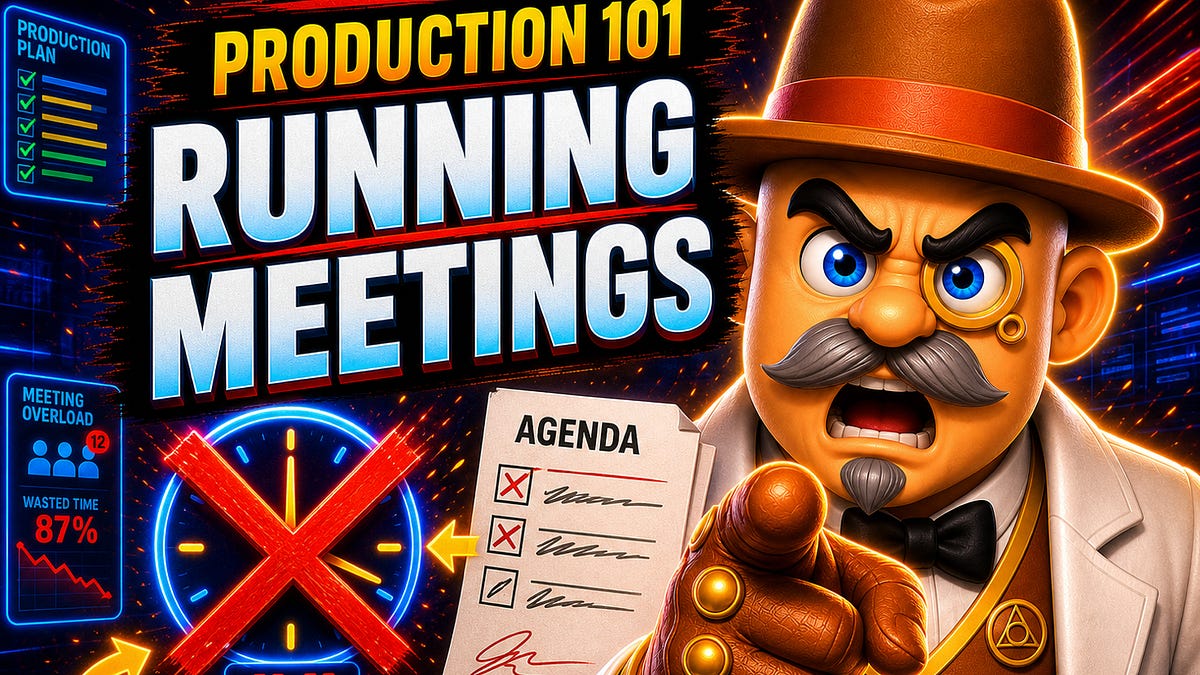
Production 101: Running Meetings That Aren’t a Waste of Time
7 Jun 20261 pages~24 min full read
Game production teams frequently suffer from an accumulation of recurring meetings that function more as habit than necessity, resulting in significant, unexamined costs to collective productivity. The primary objective of modern production management is to shift toward an async-first communication model, reserving synchronous time exclusively for complex problem-solving, high-stakes debates, and emotional attunement. By replacing routine status updates and information sharing with structured written documentation, teams can reclaim between two and four hours of billable time per person each week, directly enhancing operational efficiency.
To achieve this transition, producers must implement rigorous meeting hygiene, beginning with a comprehensive audit of all existing recurring sessions. Every meeting must be justified by a clear, question-based agenda, and sessions lacking a defined purpose should be eliminated immediately. Effective facilitation is essential to ensure that meetings remain focused on decision-making rather than passive consumption. Techniques such as Lean Coffee can be employed to prioritize urgent team needs over individual agendas, ensuring that when synchronous time is utilized, it remains high-impact and outcome-oriented.
This approach emphasizes team maturity over rigid adherence to traditional corporate processes. By fostering a culture that values clear documentation and intentional communication, production leads can reduce meeting fatigue and improve the overall quality of team collaboration. Ultimately, the goal is to treat time as a finite, high-value resource, ensuring that every minute spent in a meeting contributes directly to the project’s development goals rather than serving as a default administrative burden.

Game Production Alchemist · 2026
Game Production Alchemist · 2026

Game Production Alchemist · 2026

Game Production Alchemist · 2026
Game Production Alchemist · 2026

Game Production Alchemist · 2026

Game Production Alchemist · 2026
Game Production Alchemist · 2026

Game Production Alchemist · 2026
Game Production Alchemist · 2026
Game Production Alchemist · 2026

Game Production Alchemist · 2026
Take-Two Interactive · 2026
Konvoy · 2025
Informa · 2024
International Game Developers’ Association · 2023
Perforce · 2023
GDC · 2022
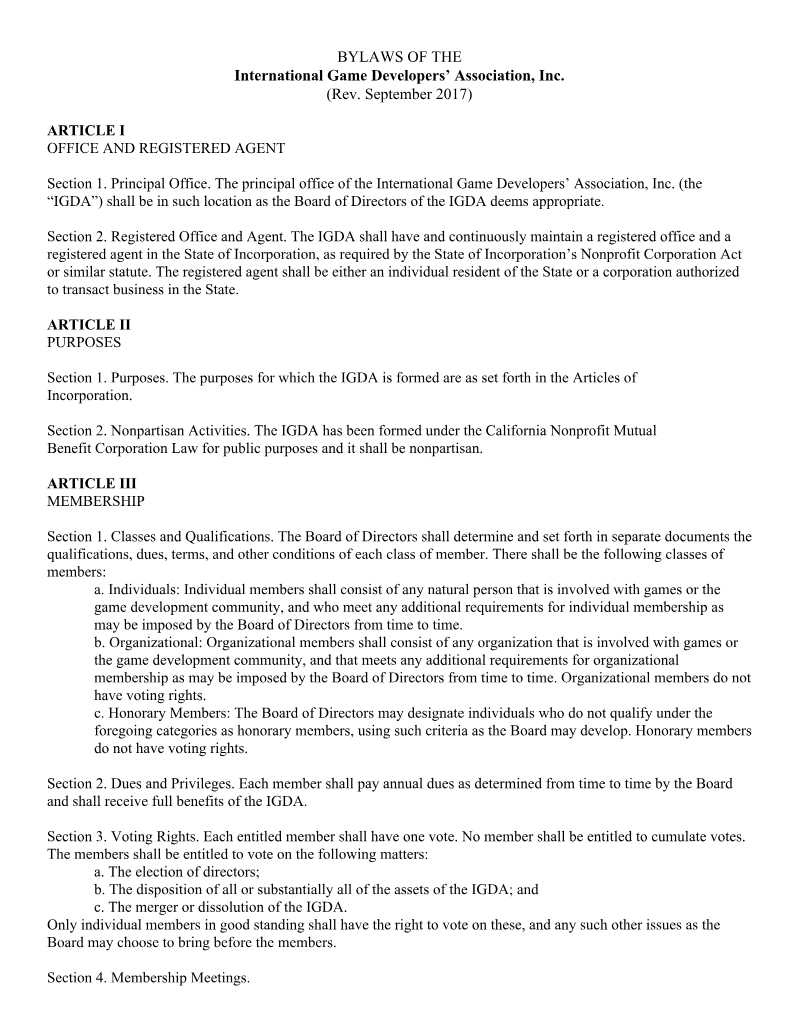
International Game Developers' Association · 2019
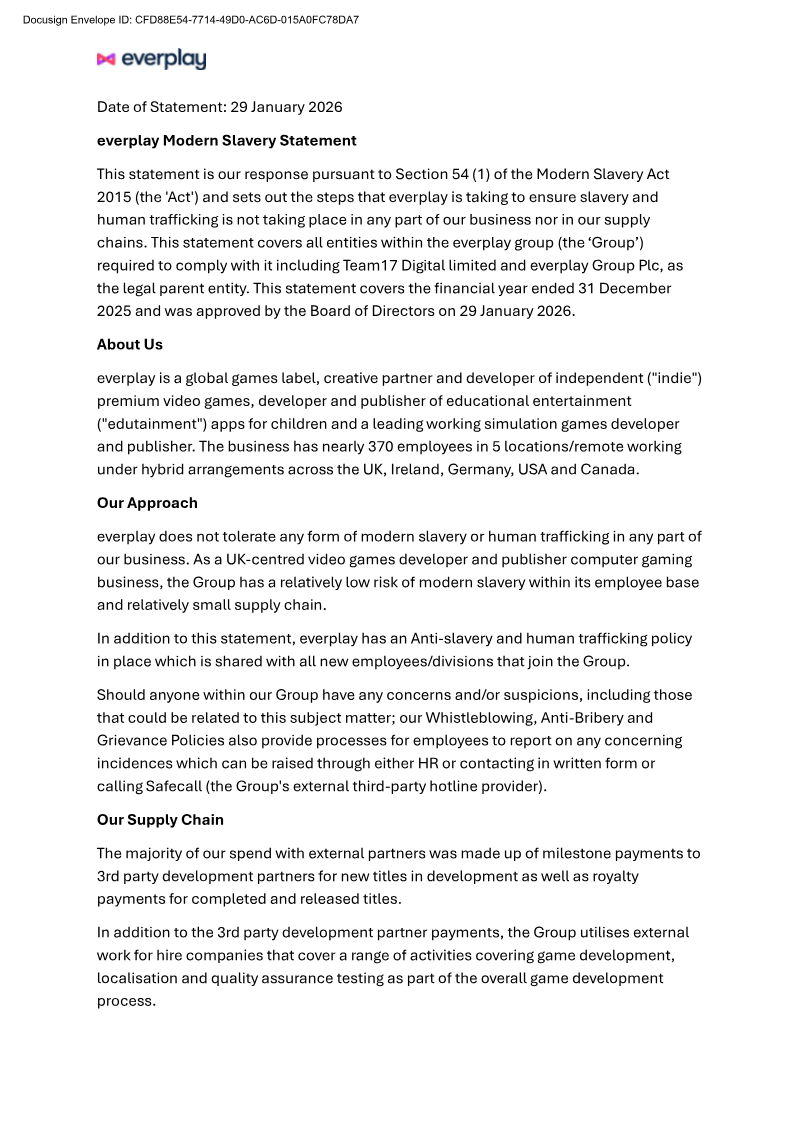
Everplay
Poki · 2026
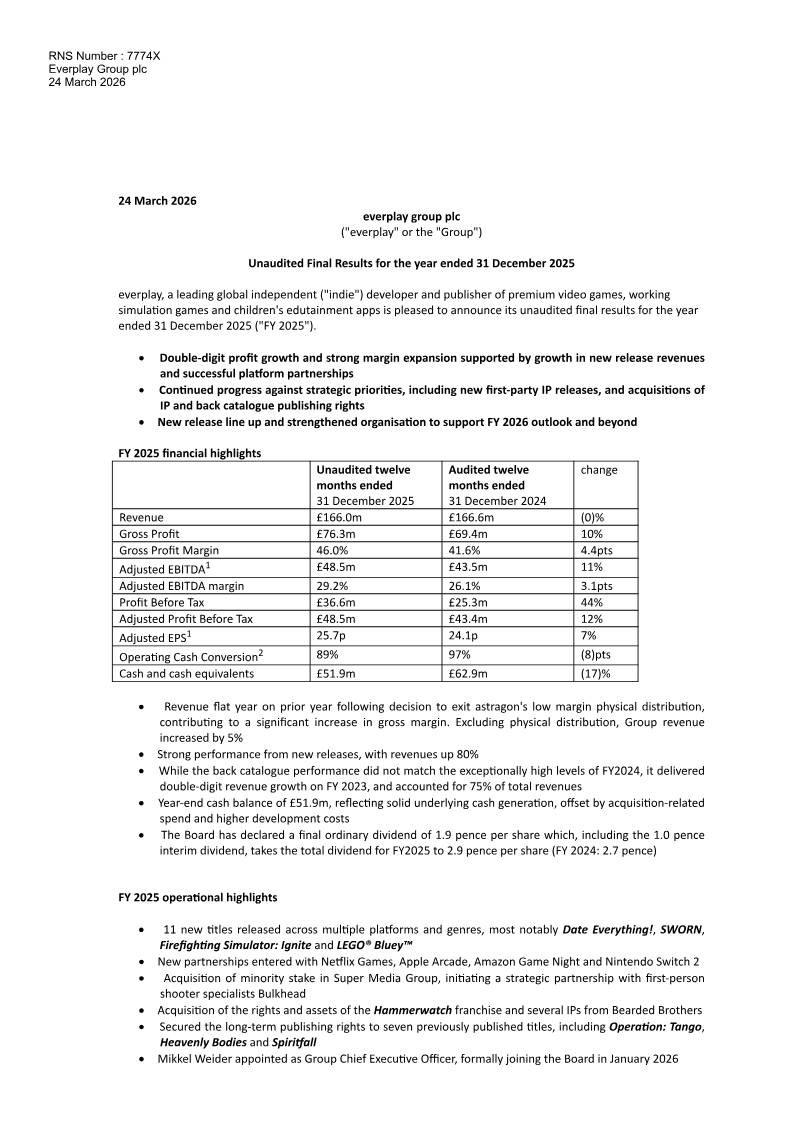
Everplay Group · 2026
8Bit · 2026
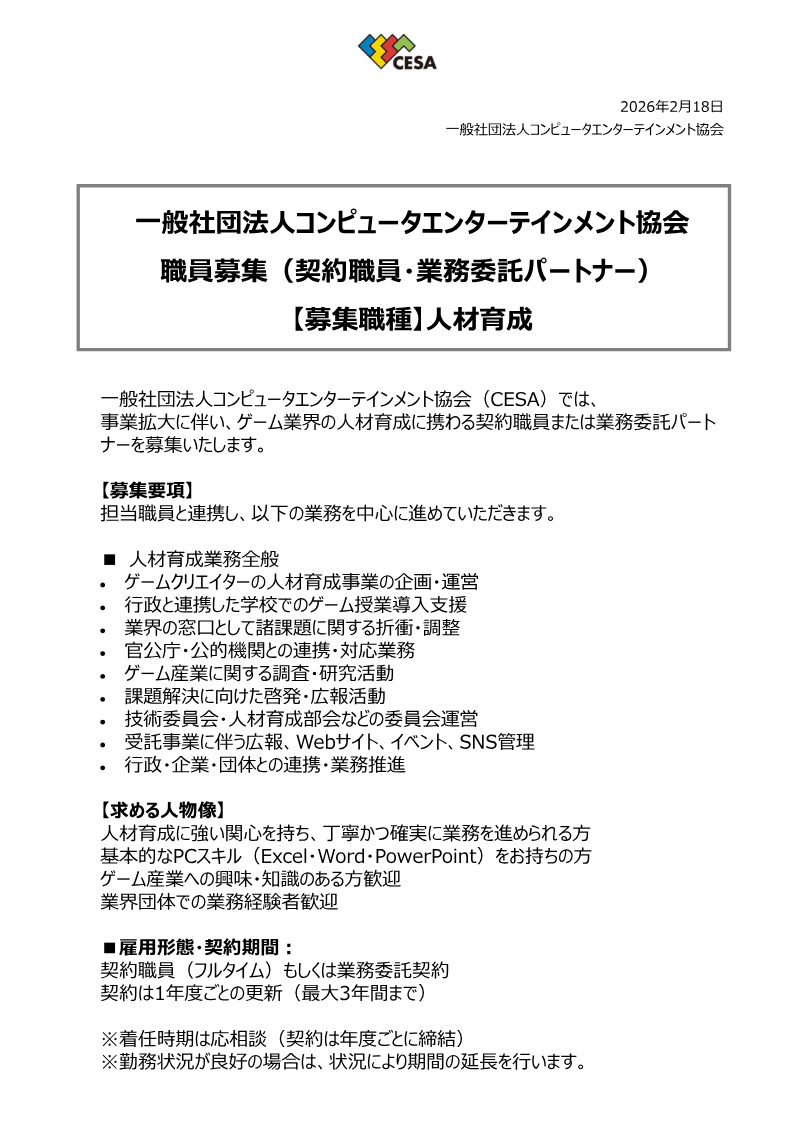
CESA – Computer Entertainment Supplier's Association · 2026