1 free read left. Create a free account for unlimited reading + AI research.
Create free accountArticle Mobile Dev Memo
1 free read left. Create a free account for unlimited reading + AI research.
Create free accountArticleMobile Dev Memo
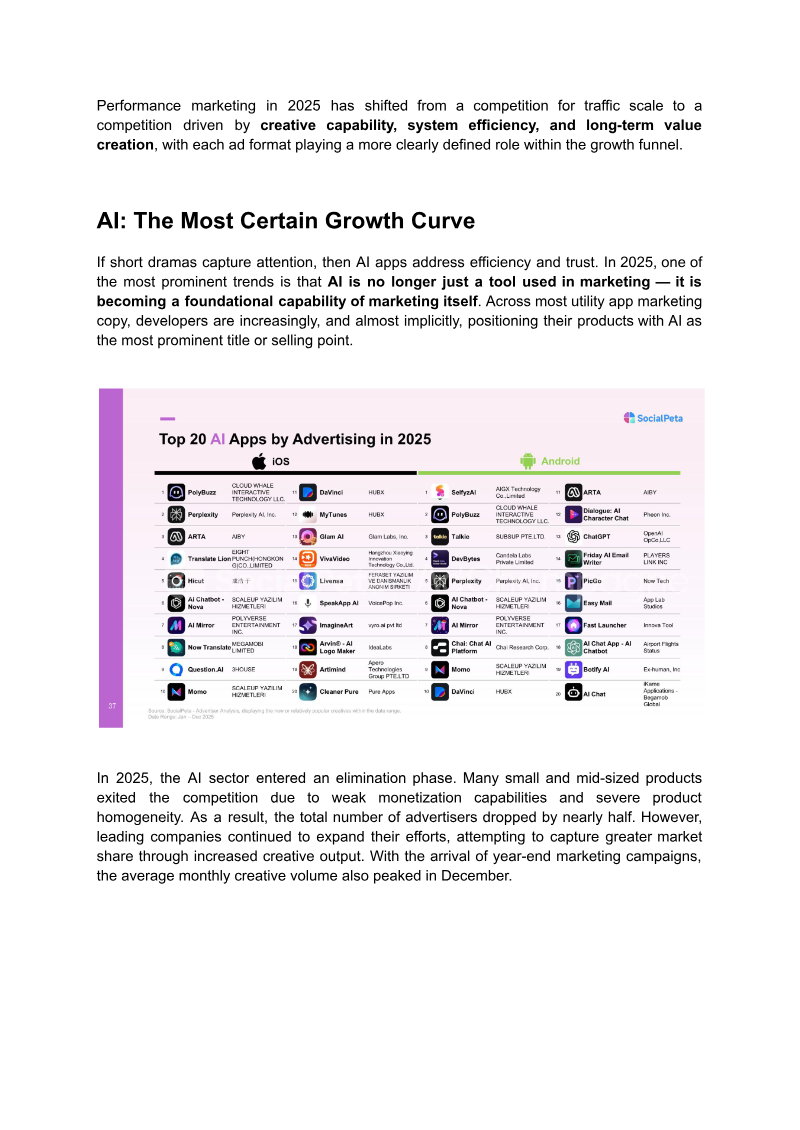
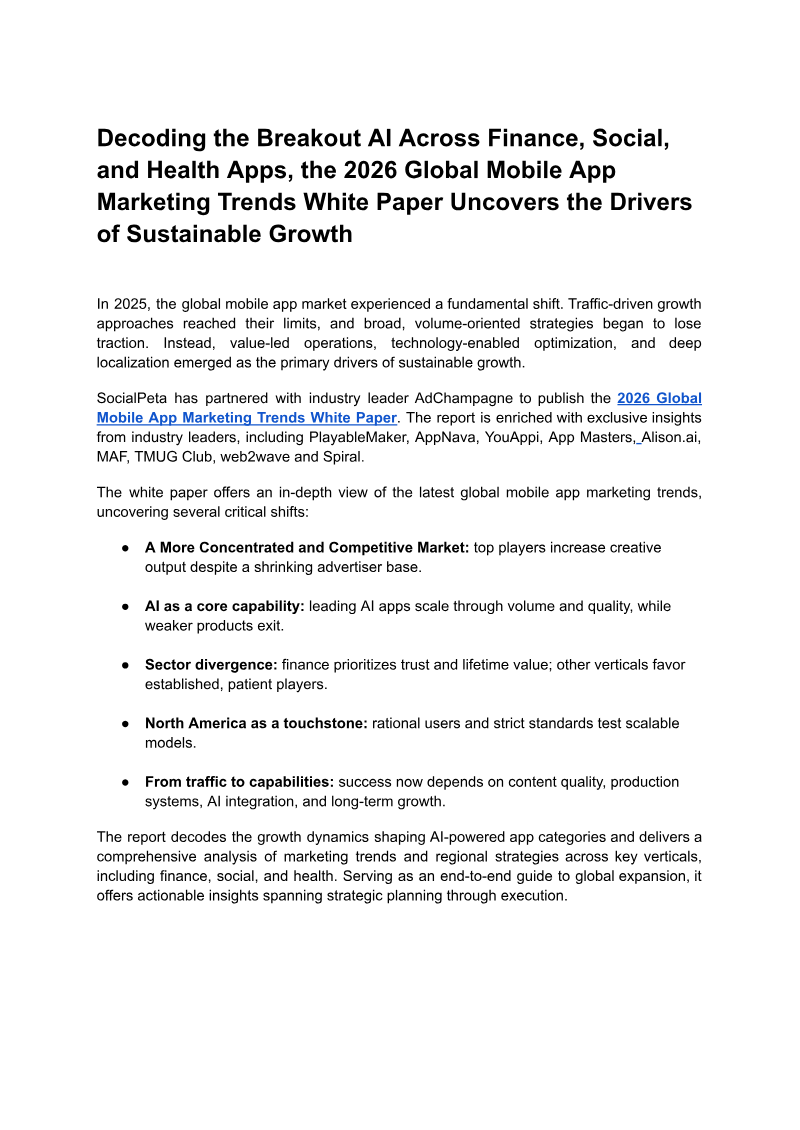
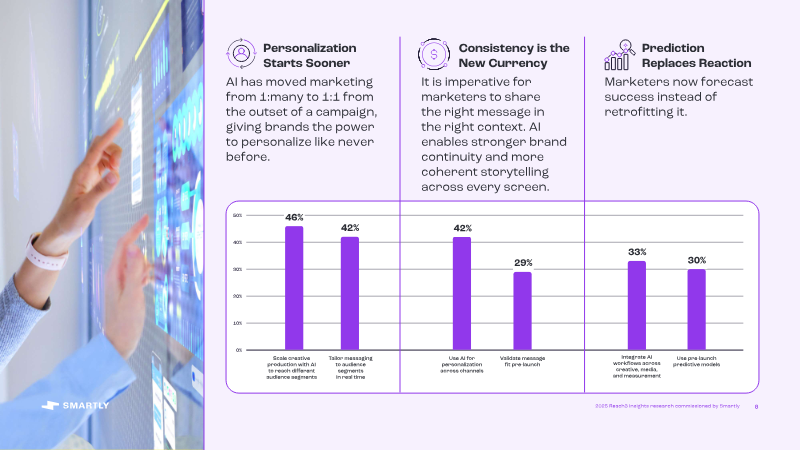
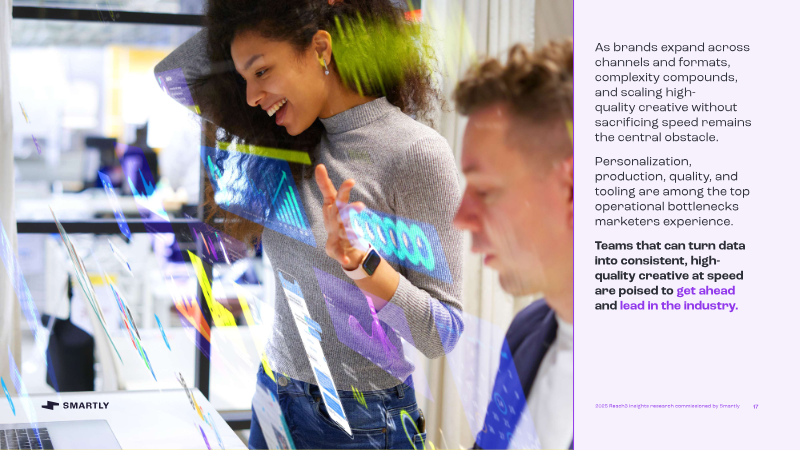
Artificial intelligence is being integrated into consumer-facing platforms. Consumer interaction is moving toward AI-driven, conversational interfaces.
The digital advertising landscape is currently undergoing a structural shift driven by the integration of artificial intelligence into consumer-facing platforms. The primary thesis posits that chatbot-based interfaces occupy a unique and privileged position within the advertising ecosystem due to their ability to capture and leverage high-quality user intent signals. By analyzing the mechanics of how these interfaces interact with users, it becomes clear that chatbots possess a distinct advantage over traditional digital advertising models in terms of data granularity and relevance.
The analytical framework categorizes digital advertising into five distinct models, differentiated by the availability, strength, and source of intent signals. This taxonomy serves to illustrate why chatbot advertising represents a significant evolution in how platforms identify and act upon consumer needs. Rather than relying on passive behavioral tracking or broad demographic profiling, chatbot interfaces facilitate a direct, conversational exchange that provides immediate and explicit insight into user intent. This shift allows for more precise targeting and higher-value advertising outcomes compared to legacy digital formats.
This assessment focuses on the intersection of artificial intelligence and advertising technology, specifically examining the competitive dynamics of the modern digital economy. By evaluating the quality of targeting signals as the primary metric for success, the analysis highlights the growing importance of conversational AI in maintaining market relevance. Ultimately, the findings suggest that as consumer interaction increasingly moves toward AI-driven interfaces, the ability to interpret and monetize these specific intent signals will become the defining factor for success in the digital advertising sector.

Mobile Dev Memo · 2026

Mobile Dev Memo · 2026

Mobile Dev Memo · 2026

Mobile Dev Memo · 2026

Mobile Dev Memo · 2026
Mobile Dev Memo · 2026

Mobile Dev Memo · 2026

Mobile Dev Memo · 2026
Mobile Dev Memo · 2026
Mobile Dev Memo · 2026

Mobile Dev Memo · 2026

Mobile Dev Memo · 2026
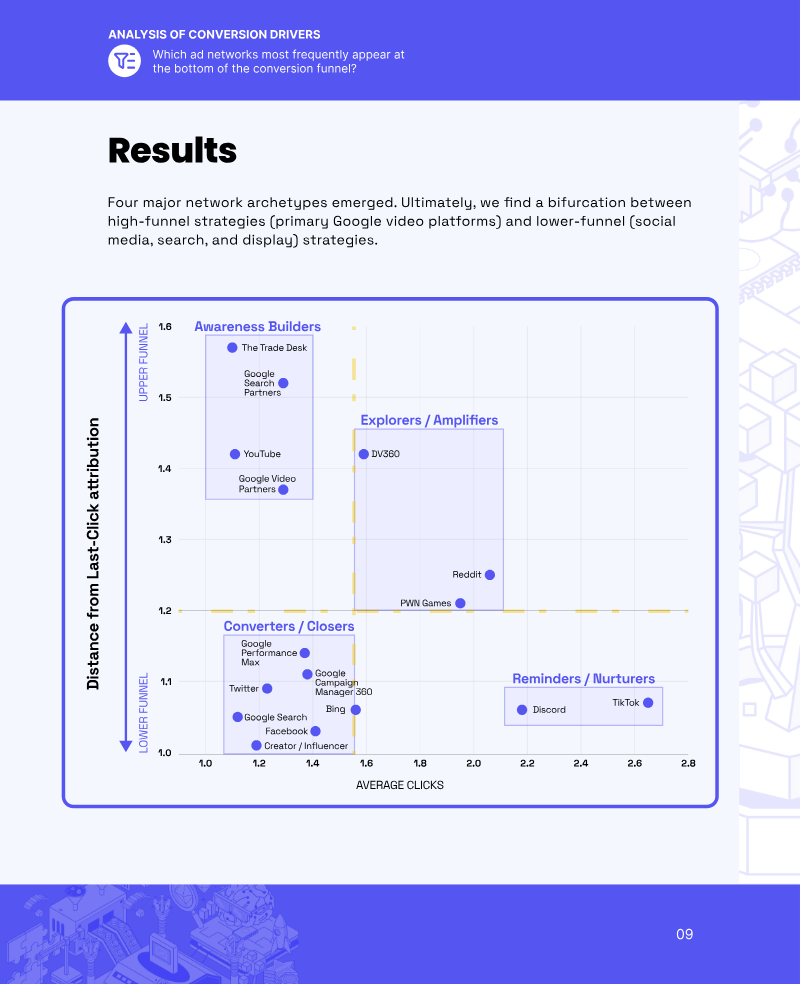
Gamesight · 2026