1 free read left. Create a free account for unlimited reading + AI research.
Create free accountArticle Mobile Dev Memo
1 free read left. Create a free account for unlimited reading + AI research.
Create free accountArticleMobile Dev Memo
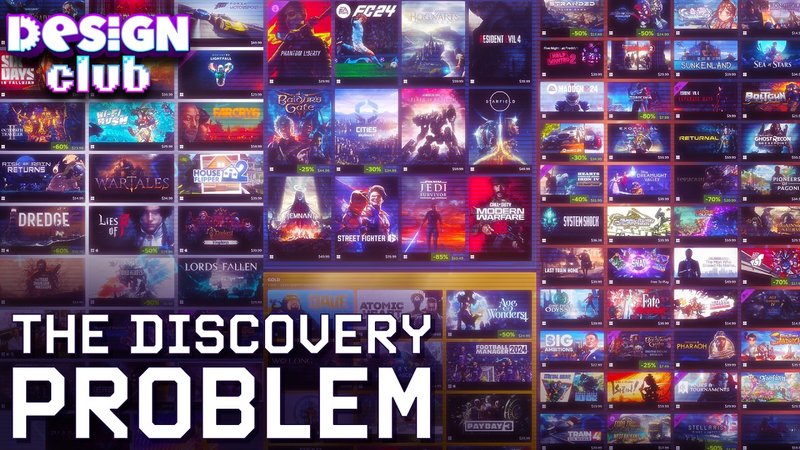
As recommendation systems become more sophisticated, they often inadvertently exacerbate content concentration. They push users toward high-performing titles rather than diversifying their consumption.
The analysis examines the evolving relationship between recommendation systems and content consumption patterns, specifically focusing on how algorithmic improvements influence the distribution of viewership across a platform's catalog. By referencing recent experimental research conducted at Netflix, the discussion highlights the tension between optimizing for user satisfaction and the resulting concentration of consumption among popular titles.
The core thesis centers on the concept of the "middle tail," a segment of content that exists between the most popular hits and the long-tail of niche, rarely viewed material. As recommendation systems become more sophisticated, they often inadvertently exacerbate content concentration, pushing users toward high-performing titles rather than diversifying their consumption. The research investigates whether these systems can be effectively tuned to promote the middle tail, thereby increasing the visibility of a broader range of content without compromising the quality of the user experience.
While the specific data points from the underlying study are restricted to subscribers, the analysis frames the broader industry challenge of balancing algorithmic efficiency with content discovery. By categorizing catalog segments based on popularity, the research provides a framework for understanding how platform-wide consumption metrics are impacted by technical adjustments to recommendation algorithms. This work serves as a critical evaluation of how streaming services manage their vast libraries to maximize engagement while addressing the inherent biases of automated content curation.
Mobile Dev Memo · 2026
Mobile Dev Memo · 2026
Mobile Dev Memo · 2026
Mobile Dev Memo · 2026

Mobile Dev Memo · 2026
Mobile Dev Memo · 2026
Mobile Dev Memo · 2026

Mobile Dev Memo · 2026
Mobile Dev Memo · 2026
Mobile Dev Memo · 2026
Mobile Dev Memo · 2026
Mobile Dev Memo · 2026
Mobile Dev Memo · 2026