Loading the document
1 free read left. Create a free account for unlimited reading + AI research.
Create free account
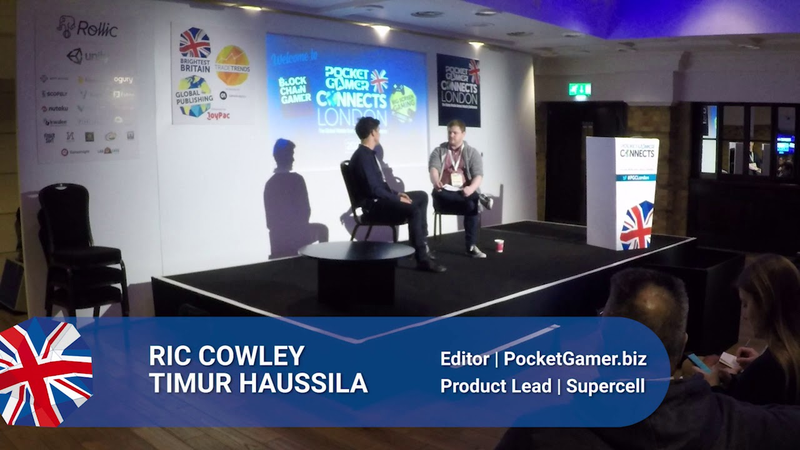
PocketGamer.biz Fireside Chat: Best Practices in Developing Games
Key insights
6 takeaways- 01Project viability is determined by a hybrid approach that balances subjective team passion with objective KPI analysis during external testing phases.
- 02Games are frequently canceled if they fail to meet internal 'fun' thresholds or demonstrate repetitive, problematic mechanics during the validation process.
- 03The studio empowers small, developer-led teams with full project ownership to minimize bureaucratic friction and maximize creative iteration.
- 04Infrastructure projects like Supercell ID are prioritized to enhance user security and account recovery rather than serving primarily as data-tracking tools.
- 05Supercell prioritizes the development of games designed for multi-decade lifespans rather than short-term market cycles.
- 06Long-term relevance for mobile titles is maintained through consistent LiveOps and ongoing innovation rather than static releases.
Ask AI about this video
Transcript
[Music] hello hello thank you for that warm reception so lovely so yeah as Chris was saying I'm Rick Carelli I'm the editor of Pocket Gamer biz and we'll be leading this fireside chats about the best practices and developing games although I'm sure we'll go off on wild tangents to talk about what supercells doing in general and with me I will allow you to introduce yourself okay thank you hello everybody I'm Tim Woodhouse 11-game leader at supercell I'll be working both on developing new games heyday boom beat a bunch of unreleased I lost and then doing investments and then currently working on super self-id cool so sort of
the general sort of introduction I thought maybe we could just talk about how was 2019 for supercell in general 2019 in general it was a good year for us within the coming weeks we'll be doing a bigger announcement like usually about the past year but it was a good year like we saw some of the old titles growing like major them keeping their position on and of course the game that we are still most excited about is is prose to us that we see that it's still in the very early life cycle and again at the moment when the game has and the potential that the game has is it's great and that's keeping us the most excited cool but also 2019 was a year where you announced and released and then subsequently killed again called rush Wars yes and you were quite open about the development of that and the reasons why but so what so one of the things you said as a company not you personally was that you couldn't make it as fun as
you would like so I kind of was wondering as a sort of a general idea what is fight what is fun I guess is a big question but is there any sort of way if there any processes that developers can use to sort of find that fun or is it really just like you're playing it you feel it you know what it is when you you have it yeah I wouldn't call that we have processes that like maybe that past experience is something that relates to a process that that helps us to create fun and test fun so as I said like fun fun is an is an emotion it feeling and you can't really measure it with the with non-person on the life cycle when we were testing game internal like fun is something like you get people to talk about if you get people to visit the game team you get people up playing the game on the corridor or suddenly slack gets full of messages related to the game and that's one sign of the fun of course it doesn't mean the game will become like major sucks is like there are a lot of points that may
give you good feedback it like if the game is has the potential to become fun mm-hmm so it's sort of like it's a bit internally you feel it's fun and then also you're looking to the fans I mean I guess it's more important that players find it fun than you do as a studio of course of course yeah we tested internally and then and we release it to external players and that's when we could get the real data right there unbiased data how because in our case like there are many people who are excited to see the new release of supercells I take some time to validate the data mm-hmm so we could easily say that we're gonna skip the first first few months right that doesn't really work as a validation that like we saw we start seeing some real data and that shows like for the team if they are on the right track on and what needs to be changed in the game right so what kind of data did you actually like take away from these games that you don't run with so what I mean might not be able to talk about exact thresholds but sort of like
what's your your KPIs I guess for like a game before it goes out to the wider release it depends on the stage in the lifecycle when you're testing the game the real users is definitely everything cement matrix because that's what misses the fun yeah and like that measures how engaged the players are and we're really following on that and then if we see issues there then we try to deep dive deeper to see like what are the reasons like in a battle game why are people battling and how people are using the different let's say troops in the game yeah it's a game other marks that the game is becoming may be able to repetitive that was the case with a basket right and just shifting gears completely a little bit so obviously supercell has been phenomenally successful there's no argument against that but I guess kind of obviously a lot of developers aren't going to achieve that level of success
but you've seen other developers I remember you saying that you've been looking at other companies investing working with other companies in your own capacity what kind of like what do you think success means in general for other people I don't know because successful supercell means it's got to be as big as its at the games what do you sort of see a success for others I a broad very big question definitely definition of success I think so it comes from the crew poor individual that's pursuing something you know if you're in the developer and like what do pursue he said like career in games as an independent developer and you can make a living out of it like I see that as a success yeah like you're fulfilling something that you're pursuing that reflects in that or if you're a smaller studio that wants to have fun and doesn't want to crawl too much and wants to have a really strong DNA like making something specific and its success yeah but for us like success again it's based on what we
want to be and we from the day one we wanted to craft something that can be played for years or decades and will be lasted forever and that's kind of a benchmark yeah and is there anything that developers can do to ensure that they're making their success is there something like they can do team structure wise or in their development processes that you think you're going to help ensure a success as a game or I think like when you start making processes to ensure the success that's the best way to kill the success zone [Music] kind of the corner stores for us is that like like first of all we are making something that we like and we'll be living so we are passionate about games and we are passionate about the players and that players enjoy the games of the game is fun yeah and of course a third one yes maybe that we're passions to do something that will last there for years so we are not building an experience that lasts for two or three sisters so
we are thinking of system that will be in thin for decades I guess in terms of developing because supercell obviously you have a unique structure to your development teams where you have your your different cells as developer led rather than being led by management and that kind of thing do you think that's a model that other developers should be using or is it something that why only you can do something that only we can do but it's a model made for us for our developers for the early employees and then we've been doing the recruitment based on that but it's it's a good model it's good model for us but it's not good model for everybody like there are different kind of individuals but everybody likes to get the huge responsibility over like everything in the game yeah some people want to be specialized in their smaller role they're focusing that and delivering tasks that's good but they need a different kind of organization to support that and there are examples of organization with different kind of different structures succeeding for
years so our structure isn't right isn't the right one but it's the is the right one for us it's the way how we want to work is there any way developers means I identify what's gonna work for them as a structure or maybe it's based on like how do you define yourself like he said if as a developer you find that you're a game developer and maybe your special skill is its art it means like you want to be doing a holistic game development and this environment for that is an environment that gives you a chance to move to be like independent and to be like making your own decisions okay oh well I'm getting very dry mouth and so obviously your big thing that you've been working on this year that was announced towards the end of last year was the super cell ID and I was kind of wondering like because you your background is in game leads being on boom beach in heyday and that kind of thing has has your work in games
informed any of the decisions behind how to build super cell ID or is it just come up as a completely new thing that you just had to learn yourself and develop differently because it's a different world to making games to making tools a bit of both so I joined the team pretty reasonable like few months ago so I think you haven't seen any of the outcomes of my participation yet but like from the games what I have taken is like really focus on the user so it's a big system that we are developing very early on but like we are thinking to play a value first so like thinking I think the experience similar to game game development like I've taken from the gate from the game development but but all the team already had when they really started the development and then like what makes it fun it's what makes it different than games when they study it is a supportive system it is like nobody down lost the
game because it has super celerity yeah so you need to complicate communicate the value for the player differently like why to use it like save your account and maybe see our other games then of course in the futures you have other features mm-hmm and can you talk about what you cuz you joined recently do what plans you have for supercell ID and how you're gonna build it out as a service for supercell in general we are bringing some social features there that because many players are playing multiple super solar games so it's natural that there's one we will be supporting them a way to connect connect with their friends through different games so if you are gaming friends in Game one you can be friends also in Game two without any extra steps yeah cool I have unfortunately blazed through all of my questions so I'm sure
the audience has a question for supercell there is a great opportunity to ask so if anybody has anything put your hand up we do have a roaming mic oh my god this is my worst nightmare let's ask my boss Chris Jason behind Chris my question was about super cell ID and if that's if it's mainly a way of tracking your users and getting data more accurately or if if the there are other motives behind it the primary reason for us was just like because let's go back a bit biggest challenge that our users had with our games was losing their accounts they were changing the devices so that is the number one reason for us to develop it so this actually placed like secondly store your data no progress and so if you lose your
device and it doesn't really matter because it your account is can still be connected to your email and you can retrieve it back so that was that's a reason of course it could be possible to get like more data but we as a company like it it's hard to use data and in this case they raised us to connect you with your account and to make the game experience better and safer any other questions yep I'm asked a question which is bit brought about the market so you might wanna answer it in a bit but some supercell games obviously I've been around for a few years now and still it's still dominating um which is great I mean great for supercells fantastic LiveOps there's lots of innovation all the time how long do you think a mobile game could last I mean are we still gonna see clash we are a clash of clans Beach you know hey they are still being there in another 10 years is that the
plan I don't want to preempt a massive strategy thing but it's when nobody missed we thought they'd last this long these these mobile games we thought would be replaced beforehand I strategist to make the games as good as possible so definitely I see the particular games we were talking about will be alive in in 10 years I think in few years will be exciting to see whether like there will be players who have played these games for 10 years and we don't see any science that they would be turning out and I think the games are actually becoming all the time more fun so the LiveOps has brought something new for the gamers and they definitely play us back to the game because the games feel against fresh so like definitely in 10 years I'll see those games still being big refers to previous talk invest York it was my bad parenting in my opinion so
much date has been this morning but but there was a talk that showed that that Jen's ed is the latest generation are engaging slightly less with mobile games than other mobile platforms except superstar notable their notable exception for that and that's they're still getting the same sort of attention to this new audience do you think there's any specific reason for that you guys took kind of target you know making sure you're relevant to that audience or is it just do not you just make the game you don't worry about that so much just make a game like try to be getting like the reasons behind it but we don't know you can't know it okay so like our focus really is on like just making it as good experience as possible and of course it helps that we have players that are interested in our brand so they get a good chance yeah like I think I think the stuff you do the influences which I know he's not your side of the business is been very smart and I think you were really pioneered a lot of the engagement with influences and I think that's
really helping with this all of course yeah there was another question yep just over there so supercells made a lot of great games and a lot of them totally new ideas often or crosses from other top games from other platforms what tips would you do would you give to any studio trying to do a brand new IP how to think about those new ideas and kind of evaluate them at the very beginning before any code has happened I think first thing is that it takes time so you need to be prepared for Alec spending time and of course it some money for it I don't know heard any story stories about cost like that game it took years to develop there were different teams different I'd reiterate different mechanics there like people the teams rely on exploration to do that and similar thing has happened with many of our other games so if you want to be doing something new it takes longer and
you need to be very open to learn I like like you shouldn't take anything for granted even the existing Mechanics button like be critical ok I believe we're out of time yet so I would like to just a round of applause with Teemo thank you so much for joining me [Applause] [Music]
Summary
Supercell’s development philosophy centers on creating games designed to last for decades rather than short-term cycles. The company prioritizes internal passion and player-centric design over rigid development processes, arguing that excessive management or standardized procedures can stifle creativity. By empowering small, developer-led teams to take full ownership of their projects, the studio fosters an environment where teams can explore new mechanics and iterate freely. This approach emphasizes that success is defined by the ability to craft enduring, high-quality experiences that resonate with players over many years.
When evaluating the viability of new titles, the studio relies on a combination of internal sentiment and external data. Fun is treated as an emotional response that is difficult to quantify, though it is often signaled by high team engagement and organic excitement during the development phase. Once a game reaches external testing, developers analyze key performance indicators to assess player engagement and identify repetitive or problematic mechanics. This data-driven validation is crucial for determining whether a project should continue or be canceled, as seen in the case of titles that failed to meet the studio's internal fun thresholds.
Regarding broader industry trends, the company maintains that mobile games can remain relevant for over a decade through consistent LiveOps and innovation, which keep experiences feeling fresh for long-term players. Furthermore, the development of infrastructure like Supercell ID is driven by the need to improve user security and account recovery, rather than purely as a data-tracking mechanism. While the company’s specific organizational structure is tailored to its unique culture and may not be suitable for every studio, the core lesson for developers remains consistent: prioritize player value, remain open to iteration, and be prepared for the extended time investment required to build original, sustainable intellectual property.




















Comments