1 free read left. Create a free account for unlimited reading + AI research.
Create free accountArticlegamevironments
They argue the services commodify gameplay and profit from neurodivergence rather than being neutral technological solutions.
Holroyd and Parker's article critically examines subscription-based "digital ludic wellness" services that use video games to treat neurodivergent youth, particularly those with autism and ADHD. Its central thesis is that these services, including Hero Journey Club, MindJam, and Mightier, are not neutral technological solutions but expressions of neoliberal healthism. Drawing on critical discourse analysis of their promotional materials, the authors argue that these platforms commodify gameplay, profit from neurodivergence, and locate responsibility for healing in the individual, thereby limiting their transformative potential.
The analysis situates these services within the broader restructuring of mental healthcare in the United States and United Kingdom, where pharmaceutical reliance, privatised insurance, and lengthy NHS waiting lists have pushed many neurodivergent people toward out-of-pocket care and wellness apps such as Calm and Headspace. Within this context, the services are priced at roughly $40 per session or week, or £24–25 per hour in the UK, and frame gaming as a secondary activity to talk-based or skills-based content. The authors contend that promotional language casts neurodivergence as a deficit to be corrected through self-help rather than through structural or public healthcare provision.
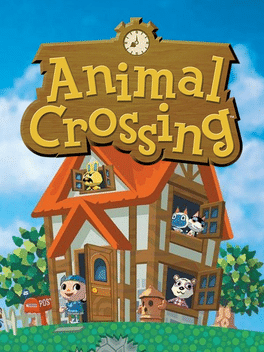
A recurring finding concerns the discursive framing of gameplay itself. Hero and self-improvement narratives, along with the portrayal of cosy sandbox titles such as Minecraft, Stardew Valley, and Animal Crossing as techno-solutions, are shown to train users toward neurotypical norms of productivity, emotional regulation, and self-management. Emotions such as anger, anxiety, and meltdowns are presented as non-normative symptoms, reflecting what the authors identify as the medical model of disability.
The authors conclude that these services' transformative potential remains constrained unless they engage with the sociopolitical structures that define normative behaviour. Their alternative directions emphasise community, social care, and accommodation of neurodiversity rather than assimilation. The study's scope is focused on three named commercial providers in the US and UK, and its critique complements a literature that has largely evaluated video game therapy in terms of efficacy rather than cultural and commercial dynamics.
gamevironments · 2026
International Journal of Role-Playing · 2026