1 free read left. Create a free account for unlimited reading + AI research.
Create free account
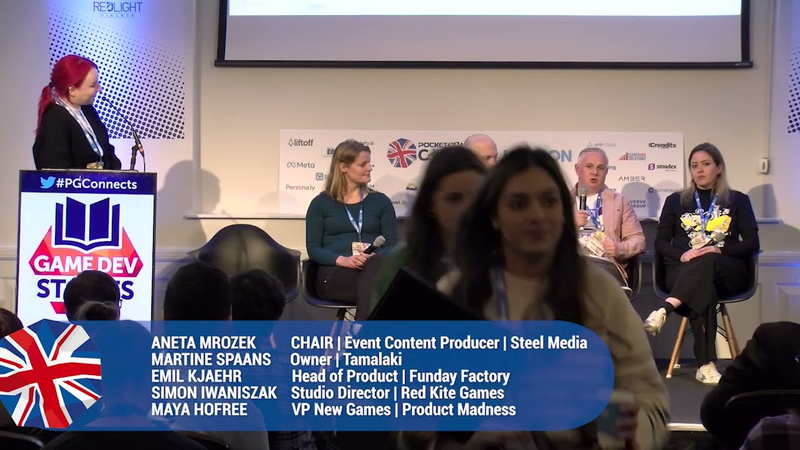
Panel: Tutorial Mode: What Every Developer Needs To Know Before Joining the Games Industry.
Key insights
6 takeaways- 01Long-term career sustainability depends on viewing individual project outcomes as learning opportunities rather than definitive measures of personal worth.
- 02Developers must prioritize cross-disciplinary empathy and the ability to integrate feedback without ego to foster the collaborative environment necessary for innovation.
- 03Success in the modern game industry requires a balance of creative vision, technical rigor, and professional resilience to navigate a high-pressure, hit-driven market.
- 04Commercial viability now demands expertise in marketing, team dynamics, and genre-specific mechanics, as a compelling concept alone is insufficient for success.
- 05Aspiring professionals should gain experience within established studio structures to understand the complexities of shipping titles and managing financial runway before pursuing independent ventures.
- 06The industry has shifted from generalist education to a specialized network of game-focused academic programs over the last fifteen years, significantly professionalizing the workforce.
Ask AI about this video
Transcript
foreign [Music] [Applause] we're going to be going to a panel session which is going to be moderated by Steel media's annetta so I would like to invite to the stage Martine from tamalaki uh Emil from Funday Factory Simon from Red kite games and Maya hoffy from product Madness okay my name is Anita and I'm working for still media I will be moderating this panel today and we will be talking about whatever
game developer needs to know before starting your like career in game industry and we have a bunch of experts which agreed to join us today and share their thoughts with us okay so we will start with the interaction could you please introduce yourself shortly to the audience hi I'm Maya I'm free I'm a VP of new games at product Madness I've been in the industry for the past 12 years almost started at the jelly button games created parking I worked in play Tikka for a few years and now I've been lucky to join product managers team about two years ago where we are working on creating a casual casino games and understanding what the future of that industry means hi everyone I'm Simon evansack I'm the
studio director at red card games I've been in video games for about 17 years started my career at Rockstar um worked there for about seven eight years sets up red kite it will be our 11th birthday on uh well in fact we've just had our 11th birthday um we're a work for higher cold air Focus studio um working on PC console games hey everyone my name is Emil I've been with I've been in the game industry for about 12 years Governor status is an indie developer um and then sort of from there shipped a few games for weird platforms like the Ouya and then about seven years ago I joined Funday Factory where I'm now head of product and a partner we also recently had our 11 years birthday so it takes it takes time and persistence to to survive in the industry for that long so yeah looking forward to to talking hi and my name is Martina sponsor from
the Netherlands I've been in the games industry for about 16 years always on the publishing side of things so back then it was all about publishing flash games on the web in a later transitioned to Mobile free to play and now since last year I'm also the general manager of the Dutch games Association and a quick calculation I think together we have 57 years of experience which is not a lot okay so my first question for you is what do you think differs the gaming industry from other creative and I.T Industries what are your thoughts about this I'll start um I think the game's history is notorious for moving fast um you can also see it for example at conferences like this like the Hot Topic uh with like let's say the Hot Topic of last year is not the Hot Topic of this year it's like every year there's some kind of new trends that people are talking about
um and I think when you compare that either to it or to other creative Industries obviously there's movement there as well but I have the feeling that movement there is just a little bit slower and you know it's because we're at those Crossroads of like creative work and and like I.T development I think that is where we find ourselves often at the Forefront uh new technology so everything is fast I think so and chats that I'd say like every both everything moves fast so the 57 years of combined experience I think part of being in the industry is also recognizing that that's that has value in they have something to hold back on but in terms of of where it differs from from a lot of other Industries is just the the whole concept of you know everything changes all the time so you gotta gotta be able to sort of move move quickly yeah yeah I I agree with everything that's been said I think I mean my answer is a bit boring to be honest it's I've I've only ever worked in games so I'm not
really going to comment on what um it or other creative Industries are like um because I've got no idea so [Laughter] I just say that I think one of the unique things in our industry is that we're creating fun we're creating an experience and our players they don't need us they want fun and I think that's also one of the hardest things because we need to deliver an experience to players that will when they finish it they will say oh this was fun and I think that's the hardest part of creating an experience [Music] you need to want them to engage with you which is exactly exactly so my next question is what are the advantages and downsides of working in the game industry what do you think this is the defrost disciplinary um space that you get to that it's one of the few places where you'll actually be able to put artists and sound designers
and game designers and programmers in one room as it's like weird social experiment to see like what happens and what will come out of it and sometimes it's it's utter chaos but then other times something like really beautiful can come out of that chaos and chaotic process so I've there's definitely something there that is unique to the games industry in the sense that we're a one big social experiment like what happens if you put four or five or ten really creative people in a room like who will win um sort of coming out of that um I think one of the big advantages of the game's history is also how much of a flat structure it is uh whereas I mean obviously you know there is a little bit of hierarchy but it's not it's not very sort of you know it even if you work for a big company there's a big chance that you can totally like reach out to your CEO and talk to them and you also notice that Flex structure at game conferences um I mean when I you know I usually only go to game conferences but sometimes I have to go to an ad conference and you
know no offense to add people but my soul dies a little bit when I'm there uh it's just it's it's not really I mean it's a very very different environment where um you know it can be fun as well but it feels more sort of like an ink route and to do you know game events feel a lot more sort of accessible to and also open and welcoming to uh to to other people true I'd say as well with with the games industry it's fair that the majority of people that that do get into it you know it's a hobby of theirs it's you know something that they really enjoy doing and I think you know no matter what career you end up kind of pursuing or going into is that if you can legitimately say that it's a hobby of yours then you you're gonna be well hopefully more happier more of the time than not so I think that's something that's really positive about pursuing a career in in games and a successful one is that um you know making games is you know it's difficult making games is really hard but it should be fun so most of the time you should be waking up in the
morning wanting to go to work it's very true hey I think also one of the advantages and the disadvantages of our industry is that it's very young it's uh it just started you can see all the regulations are now added to it you can see how everything transforms if 10 years ago things were done in one way now they're done completely different and we're constantly adapting to these changes into the growth of the industry so it's good because we're still like even if you're five years in their industry you're almost a veteran I think and it's it gives you everybody a fair chance to go and do whatever they want but the downside is that it's such a young industry and things are not yet established properly and and it's it's very hard for everybody to find their place there and so I think that's the biggest challenge that we're seeing now and you you also asked about disadvantages um so you know I think obviously a disadvantage for industry is also because it's hit driven right you're
always just as good as your last hit um and just like having having a big success doesn't necessarily guarantee that you're set for life and you can you know retire um so I I think you know obviously that is also the fun and excitement of working in in basically uh working on entertainment products and working on something like as fun as a game um but it does bring stress with it right I mean it's also a bit of a disadvantage and I think to your point in terms of being passion driven there's also a risk in sort of pursuing that hit that if your first game isn't a hit like you need to make sure that you build yourself up in a are in a company where you're set up in a state where you're not dependent on that first game to be in it because I I do think that we occasionally lose out on a lot of talented people who expect their first game to be a massive hit when that doesn't work out they burn up because so much of their personal identity has been bound into this concept of I'm a great game developer I'm going to go out and do great things and I'm probably going to do a home run the very first time I'm standing there to bed I think the good
companies are the ones that said you have to get more turns on the sort of betting States and give you more shots on the goal and also where where you're not set up in a state where your personal self-worth is tied into the success of the first game you put out like make sure that you're you give yourself more more shots at the goal essentially a lot to that that in our industry failing is just a path towards success it's not if your first game is a success it probably won't be and probably even your second but that doesn't mean that your third or your fourth or your tenths won't be a success and and every failure is is another layer towards learning learning more and and becoming a better expert in the genre that you're tackling and I think that's why you need to be you need a lot of strength and all the to understand that but that's the hard part you need to celebrate failures and it's it's nice when I sit here and say it but it's hard when you're working on
a title for a year you finally launch it you expect it to be like the biggest hit in the world and then suddenly it's not yet there so you need to be able to pass and overcome that yeah so so you need to learn on your mistakes and continue right no celebrate don't give up yeah okay so my next question for you will be what are the key General skills every developer should have and it's like independent of being a programmer designer artist Etc what are your thoughts about this name your top three I think that you know these there's some obvious ones which you know you can say Obviously communication and passion and those things that are always really important with with games something that um I learned when I was at Rockstar quite early was um you know I came from a programming background but then moved into more technical design and running red kite
now I don't get to make games anymore it's a bit sad really but um when I when I was a developer um something I learned and appreciated was having an understanding for what other people are doing around you um if you're a programmer or you're an artist a designer producer QA whatever it might be on the development side is having an appreciation for what your team are doing and you know you don't need to be able to do their jobs because that's what they're doing but understanding what their day-to-day is what their processes are the software that they're using all these things that when you go and you talk to them and you're creating a game together and you you're pulling ideas together is that have an appreciation for what you're asking them to potentially do or collaborate on and you know I just think that you then you get a much better reception from them and better collaboration and ideas when you know you you are talking to them and understanding what it is that that they do and what they bring to to table when it's developing games because you know obviously it's not always the case but the majority certainly on the big games
is that you know they're made by teams and and everybody plays their part I'll add to that there's a lot of it as being a team player it's not just about you doing the creating it's it's about working in a team and understanding that you're dependent on other people and they are dependent on you so you I think it's much harder it's possible to do a game alone but but in our industry it's working as a team is is respecting your teammates and being a team player that's I think the most important thing and the other one is is strengths you need to have personal strength you need to understand like I said celebrating failures is hard being late for deadlines constantly which is also a given that's also very hard because you always get like criticized about that why are you late and the last thing is creativity we need to be creative we're creating experience we're creating fun and I think that's one of the key skills that we need thank you yeah and milk and I I think in general the the creative process is a fragile one right like making games is
hard and setting up an environment I think stem from hybrid Hebrew who had a talk here about that a few talks back he mentioned this too that setting up a space where it's safe and open and you're listening to your peers and you understand what you're asking them to do is actually critical in order to to allow sort of that creative output to actually flow more freely because if you're in a in a room where you feel like your ideas might get judged then maybe you have a great idea but that will never be surfaced to the team because they don't feel safe so I think spending some time in the company you're in or on the team you're working with in order in order to like not just make games but actually go out and learn each other uh Bond and and do social activities together that are not necessarily related to the creation of the game can actually pay off great dividends in terms of yeah creating a Forest no yeah creating a space where we're creative creative boundaries are more sort of yeah open yeah yeah the only one I'd like to add to to
this great list is um being able to process feedback um because you're working in a creative industry the chance is very big that you're working on something that's close to your hearts and that you grow attached to and then it becomes extra difficult to really receive and process feedback very well um but you know it's it's important also to to really listen to you know what not only your peers and colleagues will so what your players are saying about it and learn to take sort of the value bits of that so that's that's skill I'd like to add to this list I think as well we've all touched upon or mentioned kind of team and the team Dynamic there and I think something in games that I always felt that's been important is you know leaving egos at the door as well I think that goes a long way um being completely blunt not being a goes a really long way in video games so yeah that's quite interesting so when we are on the topic of um being like in a team and working together uh what do you
think what kind of team or a company should new developer look for so I think the first thing is to ask yourself what's the company culture I think there's a lot about culture and who you are make sure there is compatibility there I think when you're interviewing to some place or or checking out a team ask what are the core values what's more what's the most important thing and make sure that it correlates with what you believe and second is is check your team out see who the team is and see that you're working with people who you respect and you want to work with and I think the third thing is Geno and it's weird that I say it but it's very important make sure that you're gonna work on a game that you will want to play with and and understand that the game that you're going to work on is probably what you're gonna be playing every morning every night and every afternoon also your competitors and also anything that even is remotely close to that because you need to be the expert in the
genre that you're developing on so I think that's also something that you need to make sure when you're joining a team that there's compatibility there I'd say as well for me um I started at Rockstar before I then set up red Kai so um I think that there's no kind of right or wrong answer I think you can you know go into the industry and join a company and do it that way or potentially you know set up your own studio and build it from there I think there's obviously there's success and failures in in both sides of that um I would say you know what's been touched upon there with with culture is is really important and you know I would always you know look at look at the games that's being made look at the the teams that you're going to be working with you know you're going to be spending a lot of time with these people if you join a company and I think you know try and find a place where you're making great games but you're also making great games with great people so
in general the the better the team you have the the better a shot at actually sort of making making something that will break through is going to happen I think for me also diversification in terms of having a more diverse team is important as well so also having people on the team who come with different perspectives and what you might sort of have yourself is is also something that's that's going to help you both look at your product from a different angle than what you might normally have looked at otherwise so I think yeah making sure this is not just a bunch of people that look exactly like you but someone that also are passionate about other other genres than you might be but I think in general ensuring that if you're moving towards joining a company making sure that that you're aligned with the goal of the company not just from a value perspective but also like the products that are being made um because they can they can be hard to change so it's it's easier and more it's going to be a better experience for you if you find a place that that is aligned
with where you want to be true yeah speaking also from uh sort of a perspective of remote work because like in the last 10 years I've only been basically working with a remote team uh where we you know maybe see those guys once every three years or something uh it really pays off to put in a little bit of efforts to really get to get to know uh also the team that you're working with gazebo and like remote when everyone's distributed all around the world it's so easy to just only talk about work stuff and like oh have you already done this if you're into that um but really like putting in the extra efforts to uh you know to get to know each other better uh really goes a very very long way and also it's it's good to have a cold video so you know the faces actually of the people you're talking to that's true okay so my next question when we are on the company topic is so like what do you think is the best way to go like say self of self-employment sorry establishing your own company or steady
job what should a developer keep in mind before choosing one of those what are your thoughts and it really depends on the person right like it's a it's very broad broad perspective so in here there's going to be people who are probably going to start their own company and there's also going to be people who will join another company and be frustrated with the way things are run there and go out from that with a clear goal of what do I want to change like what sort of what sort of company do I want to build um so I think yeah yeah um it's going to be different for different people I think I kind of touched upon it in the in the previous questioning that I don't think there's a right or wrong answer with it I think you know if you are going to pursue setting up your own Studio or and creating your own game I would say think about what it is that you really want to achieve um when I decided to set up right Kai it wasn't actually really to it wasn't we had this killer game idea and we want to
make a game it was actually about building a business and thinking well okay well we want to provide a service and what what is the service that we can provide that's going to mean that this business can be successful so and I'd also say that it was you know a time kind of on my journey in video games and also the journey within you know my my own life personally where it was the right time for me to to go and do it and to and to give it a shot because yeah building building a business is is you know it's easy to start a business it's hard to to keep it going so you know I think you know really have you know have thought out exactly what it is that you want to do um if if that's kind of how you want to pursue yeah I will add that it's it's hard creating a game even if you're part of a big company but it's even harder if you're doing it alone or if it's your own company I think that's the hardest because failing is much much harder when it's it's uh it's on your back I think
it it has a lot to do with the appetite that you have for failure until you succeed and it's also like I said it's a growing industry and it's not it's not an easy one it's it might seem easy what's the problem I'll just create a game and then they'll just put it out there and everybody will play it no but but no it's not that easy there's a lot of knowledge to gain and I I personally recommend starting from learning and the best school for video games I think is is working in in companies with people who have experience and learning from them and then when you're ready inside and feel okay now I feel like I don't have anything left to learn maybe that's a good time I can say for me I over always have more to learn and that's why I've been working in big companies or small companies all my life until now but maybe someday but I think it's up to you it's saying I'm ready for this adventure because it's hell of an adventure doing it on your own or opening your own Studio
and I think that's that's what is most important yes thank you I just tried I think before joining funding Factory I helped brand a game security base in space and one of the things I often saw was like students who came first out of an art school they were eager to get started in the business and make their own game and it was often this very first concept this this big best idea that they've been sitting with and sort of been scraping away for years and then it launched and again like back to the whole like tying yourself Worth to that idea if that doesn't work out then then you know one they were shocked that it didn't pan out and two they they might never come back to the industry so I think in a sense if you're if you're sitting with an idea and think like this could be a big thing that's cool figure out like who you need around you to make that happen if you think you can do it yourself spend maybe six months or a year somewhere else because then you'll realize it really takes a village to ship a game there's so many different components related to it the the whole I
like the concept of just build it and they will come that's that's this it's not true it doesn't work like that um there's so much uh competition no matter which platform you go to pretty much today that you you need people around you and you need to collect the team to to ship the game or partner with a good publisher if you decide to go it alone uh don't be afraid to ask questions everyone's friendly so if you've been talking about a specific if you're talking with a specific publisher go up to someone more experience and say hey I see you work with this publisher I've seen you work with this developer what's your experience there because we'll we'll be happy to share uh both the good and the bad um so hopefully you know work with your peers and and listen to the the community as a whole um we're here to help each other uh avoid the bad deals and find the good ones yeah and just to to I mean consider also of course the the the situation that you're in uh financially I mean if you
you know if your idea is like okay I can create a company now and I have a runway for about three four months and then I need to have you know funds and I need to have funds coming in um that Runway is just going to be too short so you know always basically plan plan for double the time um and yeah make sure that you basically you know it's a bad situation when you are um halfway in game development and then you need to get a daytime job to like continue paying for it yeah um you know rather have it sort of the other way around I always plan ahead started yeah I started next year daytime job and then build it out to to something full time if it's successful yeah thank you for your insights so my next question will be what change in the gaming industry from the time you started I would say one of the positive changes I've seen in the games industry has been um the idea of crunch becoming something that's disappearing it's not by no means
gone completely and I don't think it ever will because again it goes back to the industry being creative and passionate people and you know the truth is sometimes we just never know when something's done or when something's good enough but um I've certainly seen this idea of of crunch culture and things like that within the games industry just and it's just far less a thing and you know and it's a very positive thing to have seen over um my career so far yeah good riddance diversity I would say um I mean when I started in games industry uh what was 16 years ago or something I remember a big company meeting where we're at where like company was growing everyone was excited and they were presenting some statistics also about sort of the company internally and when the slides came up with sort of the gender equality and it was like 12 women you heard all the guys like 2023 you can't really imagine that
anymore now it'd be more like oh well actually only 12 we need to fix that you know and that is like a huge flip that I uh that I noticed and and not just when it comes to gender but really yeah equality kind of across the boards this is way more diversity in teams now that I see and I wouldn't say we're there yet but we're definitely on the good track great I'll be a little bit less optimistic and I think the the industry has grown and I think the hard part now is that it's not enough to have a great idea you need much more than that if in the past if you build it they will come was very 2012. we launched the game and suddenly it was a hit game and the day after we hit uh too many info million down and that's nothing that's something that doesn't happen now you need there's so much more in order to launch a game and it's so much more to get it out there I think that's the hard part about the industry the positive part is that it's grown and that it's it's full of so many talented people if in the past we're very few and not very diverse
unfortunately now looking at the swim and looking how we teach in school and mobile game development or any game development I think that's the best part about the industry is that it's grown and become such a fundamental part of our culture actually to riffen the home culture part back home I've got a box Barbie doll um for 2015 I think it was the career Barbie of the year which was uh surveyed as the coolest thing to be among among kids and and girls in the US and there was like game developer um so definitely sort of we've stepped out of the shadows and onto the big scene and I think that that comes with both more scrutiny in terms of both legislative and and we need to grow up as an industry and be more welcoming to a broader broader set of people of course but also grow up in terms of of the way we work and treat treat our developers to make sure that we don't burn them out so yeah we're we're walking out of the kids years and moving
more towards like teen teenage years and growing up as an industry I think that's that's a really good thing yeah access to just technology as well I mean looking at the game engines that are available to to people you know you can start learning you know learning to make games as as early as you want to now download Unity download unreal start learning to make games the the resources out there in terms of you know you know courses udemy all these kind of things that are accessible when I was at University and you know and I'm sure it's the same for for other people is that you know access to those kind of resources just weren't available then um so I think like now something that has changed is is again and I think it's to do with the majority of the industry is you know recognizing that the way to make this industry is as big and the best possible is you know we need to have a good strong focus on education and I mean again like when I when I went
to University there was probably a handful of courses up and down the country that you could do that even related to video games fair enough you could do computer science so you could do art and things like that but you know now these you know fantastic courses up and down the country helping to bring along the next generation of game developers and you know that's been really nice to see over you know the last kind of 15 plus years seeing all that developed Australia's days right okay so we ran out of time already thank you for joining us today and sharing your thoughts thank you thank you
[Music] [Applause]
Summary
The modern game development industry is defined by a unique intersection of creative vision and technical rigor, operating within a high-pressure, hit-driven market. Success in this field requires more than just technical proficiency; it demands a high degree of professional resilience and the ability to navigate rapid technological shifts. Because the industry is inherently collaborative, developers must prioritize cross-disciplinary empathy and the capacity to integrate feedback without ego. Fostering a safe environment where ideas can be shared openly is essential for innovation, and aspiring professionals are encouraged to view individual project outcomes as learning opportunities rather than definitive measures of personal worth.
Navigating a career in this sector involves strategic choices regarding studio environments and business management. While the industry has matured, moving toward more sustainable work-life balances and increased diversity, the competitive landscape has intensified. A compelling concept is no longer sufficient for commercial viability; developers must now demonstrate expertise in marketing, team dynamics, and genre-specific mechanics. For those entering the field, gaining experience within established professional structures is recommended to better understand the complexities of shipping titles and managing financial runway before attempting independent ventures.
The infrastructure supporting new talent has undergone a significant transformation over the last fifteen years. The transition from generalist computer science or art education to a specialized, robust network of game-focused academic programs has been instrumental in professionalizing the workforce. This evolution ensures that the next generation of developers is better equipped to handle the multifaceted demands of the industry. Ultimately, long-term success is built upon a foundation of continuous learning, strong teamwork, and the pragmatic application of both creative and business-oriented skills.




















Comments