1 free read left. Create a free account for unlimited reading + AI research.
Create free account
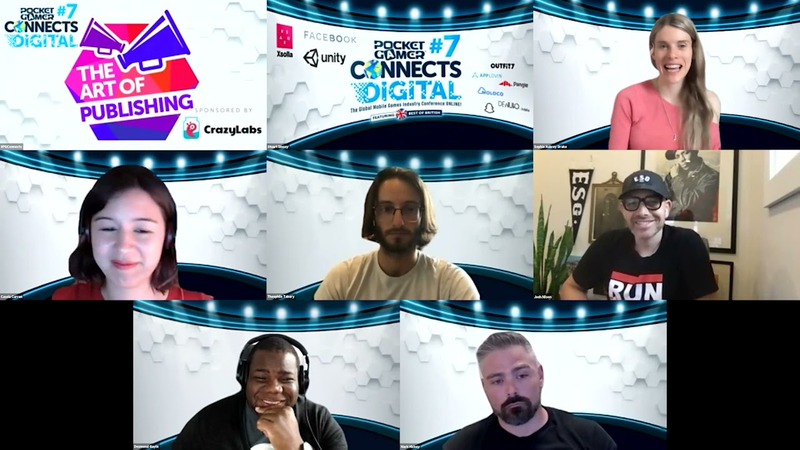
Panel: The Perfect Storm: Identifying the Best Time to Connect With Publishers
Key insights
6 takeaways- 01Top-tier publishers receive up to 2,000 pitches annually, necessitating a highly targeted approach that prioritizes cultural and operational alignment over generic project proposals.
- 02Developers must move beyond conceptual pitches by providing a playable prototype or vertical slice that demonstrates core gameplay mechanics and execution capability.
- 03Studios must conduct a rigorous cost-benefit analysis before signing, ensuring that the value of external support outweighs the long-term impact of revenue-sharing agreements.
- 04Success requires maintaining professional oversight of business management, as publishers function as strategic partners rather than replacements for internal studio leadership.
- 05Long-term viability should be validated through objective market signals, such as Steam wishlists, Kickstarter campaigns, or soft-launch data, to justify continued investment.
- 06For free-to-play titles, developers must present a comprehensive post-launch roadmap that demonstrates a clear strategy for sustainable user engagement.
Ask AI about this video
Transcript
hello sophia for the third time today hi again yes it is i'm back again nice to see you um we've got uh you've got a panel but i'm gonna let you introduce the uh what the topic is and your your brilliant guests so thank you very much and see you in a bit fantastic thank you thank you stuart so um yes i'm just gonna get myself quickly set up here so i can see your lovely chat because i do want you to throw in any questions um not any questions throw in and just keep the chat flowing basically we're going to be having a chat here so you know keep chatting with us in the chat function and of course there is the q a so make use of that to throw in your questions because at the end i'll be coming back to ask all our lovely panelists a range of questions hi julian c using the chat as requested perfect and of course use
the um subtitles and closed captioning if they are of use to you but yes i've got a full squadron of uh panelists here so um yeah let me introduce the panel to everyone and then i'm going to let everyone introduce themselves so um today we're going to be talking entitled the perfect storm and identifying the best time to connect with publishers so looking at all things to do with publishing from different angles what makes you know what what will help you get success in this market and what does the market look like at the moment amongst a range of other issues my name is fear albert drake i'm sure anyone who's been here knows exactly who i am i am obviously host moderator all those sorts of things and uh mainly known for the big indie pitch and helping promote independent developers around the world on mobile pc console xr all platforms really so yeah that's me but let's let the panelists introduce themselves so i'm going to go in the order that i've got you on my screen
which might differ from the order you got so cassia let's start with you hello hi um so i'm cassie i run current games agency through which i help multiple indie game studios find publishers and investors and i also am an advisor to various funds and incubators including astra fund and also wings interactive fantastic and next up is theo thanks sophia uh great great to be here uh simon theo i've been working at voodoo for two years and a half now and i'm in charge of publishing at the paris office so working on a daily basis with studios all around the globe to help them publish as many great hits as possible fantastic and next up is josh hey everyone i'm josh and i run east side games i'm the co-founder and i think my title is now gm of uh game studios at leaf mobile
we've been making games for 10 years and we've been publishing games for about two or three years now so um here to share what that's like to code fantastic and next up is des hello everybody uh i'm des gale and i run production for a indie publisher called fellow traveler uh we focus on uh story first narrative experiences um i am also on the back of the games committee and a uk board member and i think that's all the interesting stuff fantastic and last but not least mark hi i'm mark hickey i um focus on mobile for devolver digital we're an indie publishing label uh has been doing games for the better part of 12 years and um looking forward to chatting with you all also josh i like your t-shirt
fantastic right well let's get started with i think sort of like a broad icebreaker question at the moment um so to start with and i'll let anyone jump in as and when but later on i might pick on specific individuals um to make sure that everyone gets an opportunity to speak but yeah how competitive is uh the publishing scene right now especially within like the indie market i mean does anyone have any anything they'd like to say about the level of competition in the market uh who's going to go first who've i got des you've been muted you're at first i uh it depends who you speak to i mean i've got loads of uh developer friends who are saying they can't get a deal yet so it's not quite competitive enough um but no i think definitely from our side of things it is quite competitive um what's good at the moment is we're all quite friendly with each other and um it's always interesting when you
get so far down the line of the developer and then like you know they said all right see we decided to go with someone else uh you always try to play like pluto trying to work out who it could be and then they'll see like six to five months later you're like ah okay you guys got that one um yeah it's it's nice it's nicely competitive like it's not like we're you know cannibalizing each other because uh i think what's a good thing in a minute is that we've all well most of us have got like a very clear uh definition of what we're looking for um which is a great great asset for devs right because they don't have to waste their time you know shotgunning all their applications but uh yeah that's why i think you make a really interesting point there about like a lot of publishers especially in the market and what i'm going to touch upon after which maybe it comes into that is how publishing has changed but i think you are right there in the a lot of publishers have an identity and even if those who maybe you don't think there's a good chance they're searching for that identity and that that area in
the market um let me pick on someone uh let's go to you josh uh what are your thoughts on competition in the in the publishing scene right now do you think it's a you know a great space for opportunity or do you think it's one where actually this you know there's maybe too much competition and it's really difficult to find cool games because i can't believe them yeah yeah there can't be too much competition i mean we were a game developer we still are and we've been you know we're uh indie game developer for years and uh i wish there was this many publishers around kind of when we were starting out we chose the self-publishing route and that wasn't always the easiest one so i don't think there can be too many publishers around if you're a game developer you should shop around and make sure you find somebody that fits your i think you're finding more developers now um matching themselves with companies that match their core culture their values um who they want to work with which is kind of before there wasn't that wasn't
really a case there's many different models of it as well like we don't focus on traditional publishing at eastside games we're kind of like publisher light we call it co-development and there's lots of other people that do co-development as well so we work along with the teams to build something together and we're looking for a very specific type of game very specific type of studio and so what i think it's great is if you're a game developer shop around and work with work with as many different meet as many different publishers at pocket gamer as you can and and they're all different stages too some people look for games that are already completed and then want to do growth publishing some people want to work with you on integration from the get-go especially on the ad monetization front and then for us we want to work with you uh sort of from the very beginning to make sure that we build something that is uh long tail and we're still supporting the game four or five years down the road so it's good news and i think uh the more publishers out there that's better
choices for developers and in the ecosystem the developers are the most important person because they are making the content yeah i do want to say to anyone just dive in at any point if you want you don't have to wait for me to pick on you but in the in the spirit of that i am going to ask cassia and just keeping on the same topic is this something because obviously you you have a unique position in that you're helping connect those developers to you know maybe some of the people we see here and other publishers is it is the number a strength or can it sometimes become quite difficult connecting people necessarily to the right people but also making sure that they they gain that success in in a publishing deal so there it is great that there are so many publishers um available to developers now um so there's about 250 publishers roughly if you're talking on the pc and console side and mobile even more um but i think the flip side of this
looking at from the developer point of view is that um on average a publisher will receive something between 1 000 and 2 000 pitches a year for like the the most um high profile publishers at least so you have like a lot of competition in in a strange way um the the games industry the game's market continues to grow so uh just as there are more publishers and more developers there's also more players who are wanting to spend more money um so right now it's it's still like a good and healthy ecosystem but yeah it is like very time-consuming struggle for developers to find the right publishers or like the right fit because uh there are so many different types of publishers not always easy to find the one that's a really good fit for you yeah i mean mark theo give you a chance to jump in but interestingly based on what cassia said you know um yeah if you're inundated
with so many games coming in i mean obviously that's a big strength for the market but but you know how do you feel about like the fact that you can only take on so many of them i think uh josh said something earlier that that resonated with me was this idea of like finding finding the right fit like to cassio's point there's a ton of different options out there for people to go and pitch their games to and so um you know it's not just a question of finding the right game but it's also is at the end of the day it's people on both sides it's people on the developer side it's people on the publisher side and so hopefully you know there's a cultural fit a personality fit that is healthy enough that you can work together for the duration of a project and beyond especially in the world of live service and live ops where launch day is really just day one um there's no question that things are hotter than they've ever been i mean there's every signal is coming from the market from just the sheer number of games that are
launching every day there's more and more games that are available on a daily basis there are more and more press releases coming out saying this or that company is now moving to be a publisher as well uh you know m a's going crazy you know embracer still front group and so forth are buying up companies all over the place so i think all of those are are key sort of signals that there's consolidation happening there are people sort of taking you know the number one number two number three spots and so forth and becoming deeply entrenched and harder and harder to displace uh and so for sure like competition is across the board and i think that you know the downside of that is that like it or not some people will be forced to exit but then the upside of is of it is that it's it's you know it it sort of forces everybody across the board to to up their game and increase the level of production value the depth of the experiences the innovation in order to keep you know being able to stand out amongst
an increasingly crowded uh field of players yeah is that how you feel as well theo absolutely i definitely agree with josh's points when he said that there's no such thing as too much competition uh because competition is the best way to the best way to drive innovation and as a publisher you need to innovate in order to survive and that can benefit both publishers and developers because uh to go back to the point about you know this uh other population of of developers or maybe games or pitches to uh to look at uh if if let's say that voodoo was the only publisher on the market we wouldn't have the same uh the same volume issue right the fact that there are so many publishers out there now it pushes you to well to rethink and reconsider your working process and your publishing process to make sure that you can address as many of those pitches as as possible maybe looking at different criteria assessing performance and potential in a different way and i think that that's making the market move in the
right direction and maybe give give their chance to do more gains more pitches and more developers who wouldn't have had it in a in a different setting yeah and then as anyone will know so moving on and as anyone will know who's watched one of my talks or been a part of my uh panel of mine or a five-sided chat i love actionable things that people can take away so in the spirit of what we've been talking about accepting that there is a massive amount of competition not just in the publishing scene but also you know in the number of developers that there are are to pick from um what advice would any of you give to developers in terms of when the right time to be reaching out to publishers is i mean is there is there a sweet spot is there a too early too late and you know and and sort of when you're doing it so how much should you have ready to show um well i'd say on the pc and console side like the majority of publishers will want to see a vertical slice or
prototype at this stage like um there's unless you ha come straight from like a triple a sort of studio background with a whole team of like really experienced people you're really unlikely to land a publishing deal just on the basis of the concept and because the publishers are getting thousands literally thousands of pictures a year um it just means that the bar is that much higher for in order for you to get there and generally publishers generally the thought is is that um anyone could have a good idea but whether that game idea is actually fun and good in practice you can only really see that through like a prototype or a advanced vertical slice um i would say publishers kind of vary quite a lot in terms of how fully polished they would like want a vertical slice to be some are okay with like a bit more of like a bare bones prototype some will want to see like really like swish uh vertical slice um but
i also think that varies a little bit uh depending upon the kind of game genre uh that you're making as well um because i per for some sort of game genres uh like maybe like some strategy games for example you can get away with not having very good art um but then for anything that's kind of more narrative or atmosphere driven story driven you probably do want to have that kind of atmosphere all locked in uh through like a polished vertical slice um so that's that's generally my take on it yeah yeah does that does that mirror the panel uh the rest of the panel does anyone else have anything to add i don't know what else there is to say after such a comprehensive and accurate answer i mean at least a lot of what cassio just said uh reflects with some my experience some of our experience has been because we do get something on the order of like 2 000 proposals a year um and so for sure i had this written down actually before we started the panel is like find the fun right like uh whether that
means a vertical slice or maybe it's a prototype or maybe it's a concept whatever it is for sure code that you can touch and feel goes miles further than anything on paper um provided i mean i'll say the exception to that rule is maybe if it's coming if that concept or that pitch is coming from a team you've worked with before and they've proven themselves and you know and there's trust established and there's a healthy working relationship and so forth maybe you greenlight something off of a paper pitch but otherwise generally speaking i think that a demo in whatever form it takes it proves two things one it needs to prove the fun but two it proves that the developer has skin in the game and they've they have committed themselves and they've you know pursued some path uh beyond a powerpoint presentation or beyond some market research that shows they have a vision and that's something that they can execute against yeah yeah the anyone yeah sorry sorry no no please go i was just
gonna ask if anyone else had any thoughts so yeah yeah please go josh the uh um the old vertical slice it just brings that fear you know at the back of your neck to think like you have so much stuff to do before gdc and everyone that's been there knows that we thought we'd get to mobile games and we wouldn't have it anymore but it's more true than ever that you have to really have something other than a concept something that's playable something that um makes sense and you know another thing that we look for when we're we're getting developers to work with us on on idle kit or one of our technologies is also taking our existing game and thinking of another way that you can make a new version of that game as well that's another great way that we can work with developers to bring them in so i think if you're a developer out there and you're thinking about what you could do or maybe you don't have the resources to make that vertical slice one of the things you can do is even figure out a way to just like mock it up with
uh the publisher's existing game and figure out how you can do that we've seen um great mock-ups that actually work and play in everything from powerpoint to actually people bringing the project over and and working it but they really have to have an understanding on how it works and i think as a developer sometimes you get two down the rabbit hole of thinking my big thought has a lot of value but you know we all know in games as soon as you put it on the market if it's really good a lot of people are going to make a similar type of game so you have to be able to move fast anyway so before you talk to a publisher you really have to nail that down so you know like what you're making what your road map um and how that all works because they can't figure that stuff out for you yeah theo dez i can see why you're both unmuted so who wants to go first all right i'll start uh our approach at voodoo is really to encourage
studios and developers to get in touch with the publisher and us ideally of course as as soon as possible because they you can have a great idea but without maybe the right guidance or or tools or just partnerships you can really miss out on something really big so i i completely agree with josh that that you need to have an idea or basic prototype that that is quite fleshed out to make sure that you don't waste any time but you can't waste too much time you know trying to get the perfect product for that because uh if if you're too afraid to fail it's maybe it's not going to work for you at least in the hype casual industry because you're going to have to fail before you succeed and the only worst thing than failing is actually missing out on uh on something more uh plus at voodoo we don't work with games specifically we work with teams and individuals so we look beyond the first metrics or or the first prototype that you show us if we see potential in
in in your mindsets in the idea in just like the the level and quality of execution we're going to want to keep to keep working with you even even if we don't publish the prototype that you just pitched us so my answer would be as soon as possible all the time and des did you have anything to add i i i know you were right sorry great um well interestingly on that point that you mentioned theo and a lot of other people raised um i think one of the things that's always interesting and i see different approaches in my role as leading the big indie pitch and i'd love to get your thoughts is to any you know indie or mid-tier developer you know who's looking for publishing potentially as part of their roadmap you know do you think they should identify you know do you think developers should identify whether they want to secure a publisher from the start and develop based on that idea so you know for example saying oh well we won't do this unless we get a developer
or do you think that they you know you should develop within your constraints and adapt if the opportunity arises through your pitching what do you think is is the sort of the all or nothing i need a publisher approach or the sort of we can scale if we are you know in a position to gain a publisher what would you advise to a developer who has a great concept of these these sort of options um i'll come to you first as since uh you know give you the opportunity to give your thoughts uh on this one first before everyone else jumps in yeah this is this is this is a good one like so i just go for the slight tangent i had a heated discussion with a friend of mine um because you know a whole bunch of us were struggling getting funding and his argument was just oh just make something that is easy for publishers to sign right like there's certain uh you know trends before trends that you can spot you know let's just make this type of game and then that kind of bleeds into like well look at what the publisher's done
before and pitch that type of game i was on the side of well yeah sure we could do that but i think a big part of making video games is like you love doing it and if you're making something like as a me to an end rather than what you actually want to create um when you get into the fourth quarter because like it's always horrible when you get there making games is tough and if you don't love it it's just going to make it more and more difficult for you to finish um so i definitely don't suggest doing that um specifically to the question uh a spatula right so um if you're like if you're with your team like what you suggest depend on finances right you should be making a like a concept that kind of you could get as far as you can on your own but then on the flip side of that like everyone's got dreams right so if you want to make a multi-billion dollar game and that's not in the bank
then you have to think about a publisher or an investor or whatever external money you need up front um yeah i think yeah like you'd made a decision to start with type of game you're making i wouldn't i wouldn't go this is plan a if we don't have a publisher this is probably if we do um it kind of you know they're two very different things and just to finish what do you want about actionable advice whenever you're pitching a game like don't come to us with like an a la carte menu um that won't work because we're just like well what's the game you want to make is it this one or this one or even if you crazy do three options um the exception that i would add like is dlc right you could do the main game and then give us options for dlc if you want but um yeah don't yeah don't just don't cover too many options it's just there's no point yeah and mark i can see you've unmuted that's my sign to uh bring you in
thanks sophia um i think that the words it depends are going to be repeated a lot because uh well it depends i think that one of the things uh that's important is um sort of being realistic and honest with oneself on what is within a team or a person's area of expertise and what they can what can they reasonably handle and do a good job with versus what do they not know how to do and would really benefit from partnering with someone who can bring to bear expertise that they simply don't have don't have the bandwidth or because the reality is is the publisher is not cheap right they're going to take a significant piece of your revenue and you got to make sure that you're getting real tangible meaningful value in exchange for what you're giving up in revenue so you know if a team doesn't know how to do marketing whether that's brand or performance based they're very different
right do they know how to do ua uh is there any sort of expertise from a liveops standpoint or is there anything uh with regard to like analytics based decision making something that's hugely important for any free-to-play game right are you equipped to do qa are you equipped for look uh what if your game hits it big and like you need the legal support to make sure you're trademarked everywhere so someone nobody infringes on your stuff uh you know are you equipped for all the back of house accounting and reconciliation and taking care of all the payments and things like that a developer you know a publisher can do all of those things for you uh and so if you're not equipped to take care of those things yourself then yeah you'd probably do well to partner with somebody but the more i think i think the more especially as far as indies are concerned the more you can sort of handle yourself then probably the better deal you can negotiate so there's a definitely a balance that needs to be struck yeah now anyone else want to jump in with any thoughts on this question
yeah to to mark's point i think the the question that studios and developers should ask themselves when when considering a partnership is just okay what's uh what's the risk and and then compare that with the alternative of self-publishing again usually the risk of going with a publisher at least for your first game is is very low uh the only one i see is maybe maybe uh making less than if you self-publish it uh the risk of of actually self-publishing it is is actually maybe missing out on something much bigger because you wouldn't you wouldn't have had the partnership uh with different networks or just the guidance the expertise that enables you to uh to scale a game to your charts and maintain it there for for a long time and i think a good proof of that that the value that a publisher brings to your student developer you know goes beyond uh just helping with monetization and stuff like that is that most of the hits that we publish they actually come from studios uh that make hits repeatedly and and the
fact that they keep publishing these hits with us instead of just self-publishing uh self-publishing because they're not they're not bound to us in uh i mean we have a lot of studios who don't work exclusively with us yet they keep uh they keep prototyping and publishing with us just because they see that value that uh that we bring to the table and they ask themselves that question okay what's my risk and and the risk usually is is so low at least much slower than the alternative that they just go with it yeah joshua even yeah one of the uh pieces of advice i like to give um to people looking at this or indie developers is um also don't just assume because you have a publisher they're gonna handle everything business to do with your studio i know you love making games but if you're in in this for your profession you're gonna have to learn about the business of making games
and so you can't just throw that over the uh uh fence and you can't or you can't just find a consultant uh and you can't just say uh hey cassie you take care of all this for me i don't want to do that because you have to know about your own business and what's really important about knowing about your own business is also about the type of publisher you want and the length of publishing so there's some publishers that can help you um do the growth stage and get out there and maybe give you funding to start your game and then after you're you're live there's some decisions you have to make do you have the team that can continue to do live ops and do you want to continue working on this game and if it's successful and you want to continue working on this game maybe after a while you do want to find a publisher that can actually just take over the game and continue to work on it and then you could still get revenue from that you can work on your next game so these are all decisions you have to make so it's also important to be to go back to the earlier questions when you should look for a publisher you should probably start looking now even if you don't need
one six months in the future so you can just find the different types of teams you kind of want to work with and those in the future if something lines up and then when you get something say you have uh you know a team of 10 and two people make this great idea out of the main game for a great hyper casual you can hit up voodoo and say hey what do you think about this maybe we can do this as a as a game and that's kind of the business of running your game studios you have to look at the own opportunities within your own game studio um to to last and to know what's coming up next and so you have to you have to get out there and meet people eventually in person but now it's pretty easy over the computer but eventually in person you'll have to get out there and meet people and you may or may not shake hands in the future but you'll at least have to give them a business card of some sort do that sort of thing again yeah cassie i don't know if there's anything you'd like to add to this i think most uh it's mostly been centered already but yeah i think uh definitely what uh dez was
saying about scope i think is really important um i think there's uh marx is right as well about uh there's like pros and cons about going with a publisher or investor um if you're wanting to sort of pump up your game you have to think about it from like a business decision completely so i think just making sure that you do your research and making that decision uh about whether you want to aim for a publisher and or an investor and have a larger scope or whether you'd rather keep it small and then keep all the knowledge keep all the the revenue essential revenues for yourself as well yeah i mean the next thing i'd like to touch upon briefly and it's not to it's it's not to be negative it's just to make sure that all avenues you know are explored and to deal sometimes with the situation that maybe some developers especially indies will find themselves in is you know we're talking about the best time to connect with publishers
but in terms of timing you know well first of all is self-publishing still a viable option for independent developers in the current market competitive market that we're in and if so you know when is the best time to sort of call it and say okay you know maybe the publishers aren't interested but i still believe in this project um i'm gonna i'm gonna carry on to self-publish it or equally the best time to say okay the publishers aren't into this i'm gonna take the advice i've got and move on to a new project i mean you know basically how much persistence you know um is there in it before you decide uh maybe it's time to to move on and within that is self-publishing a viable option still um if i start with with josh if i come to you first just picking at random yeah that's a hard one i think the the other question you have to ask is if you do self-publish when is it time
to call it quits because we've also seen that quite a bit and we've been being in that situation a lot of times where you just continue to work on a game and hope it will it will succeed because it's it's your passion project and you want to make it and you just keep pouring money into it and it's really hard to grow that game and it's really hard to get out there um i think that's one of the things you really have to plan in your business plan before you get started about how much runway you have how long you're going to uh work this and get this out and uh what are your growth targets in order for it to be a viable business and i think you just have to look at that revenue so the mistake we see more often than not with most developers is a lot of developers are looking for a publisher because they're out of money and that makes sense but also now when you launch a game in mobile you should have three to six months of runway of development time
to actually grow and launch that game and work with it in the live ops model if you're not able to do that i would say a good viable option for that is to look at some of the uh curated games that go along with the platforms on google and apple and look at maybe making a game that way if you're not quite ready to make the jump and to do that sort of live ops budgeting because that's a big endeavor you got to have some i think experience on your team now in order to do that and i would say it's not impossible but it's definitely a lot harder than we just had our 10-year anniversary and it was it wasn't easy 10 years ago but it's a lot harder now than 10 years ago to launch a game and be like uh to even be like wow we got you know a couple thousand installs on the first day that's great now let's look at the data it's pretty hard now you have to have a target of working closely with the platforms
um for discovery your own growth ua your own your own organic ua and organic growth channels and then growth coming from existing cross-promotion as well if you don't have any of that in your network it's pretty hard to self-publish but it's not impossible um yeah the last thing i'll say is just get some that's a good way that you can get something out there quickly launch it in the store then you could fire that to any people any person here and say here you go this is what my game is play it and if they play it they think it's fun it's like oh can you make another one but maybe space theme that would be great and that's another great way you can get your foot in the door like a finished game goes way better than a pitch deck yeah and on this point because i think i might be wrong but we'll we'll play this theory out into practice and i wonder if there is a difference between the mobile market and the the pc console market in this respect so i'd like to stick with the you know
like go to theo here and and do your experiences mirror what josh is saying uh to some extent it does uh i i think the choice is actu is is not that binary because you can of course you can't self-publish and publish with a with a publisher at the same time but through the lifetime of a game you can actually do both you can either start self-publishing and it's going to catch the attention a lot of publishers and then you're going to publish it with them or the other way around you know you're going to publish it with someone uh maybe it's not going to work as well as what the publisher or the ceo was expecting and and game is going to be released back to the to the studio uh but josh raised a very important point is that all the all the time and and efforts you're going to have to uh to invest in um in uh and you know doing your new ua growing game making it available to as many people as possible is something to be uh to be considered and and also you need
to realize as a ceo or a developer that all the time that you spend uh trying to self-publish your game is time that you won't be spending actually improving your products or thinking about another idea so it's it's all about finding the right balance and and realizing uh where you at which stage you're at in terms of of creativity uh and and motivation if you feel like whatever you do you're not gonna have great ideas or uh we're not gonna find new ideas to improve your product then it might make more sense to uh to try to self-publish your game if you're confident into your ability of of shipping out more and more cool ideas that makes much more sense to uh to get the help of a publisher yeah um dez mark cassie cassia can see them jumping i think we're actually on the pc and console side you can do something a bit similar to what theo and josh is saying about you know getting your game out um typically
i think that pc and console games they do need that kind of extra funding to get to the final uh to be launched um compared to mobile games um but with uh you what you can do if you have like a pc and console game that you're developing is uh essentially like try doing something like a kickstarter um it the reason why your game might not be picked up by a publisher is perhaps there's a problem with the hook problem uh perhaps it's just like it's just really difficult for a publisher to validate whether it be successful or not um and so if you start sort of market testing the game with like a demo with on the actual public um via kickstarter and not using the kickstarter per se as a way to raise money to finish a game but new zealand is sort of this kind of event or uh as a way to attract the attention of a publisher um that sometimes works for for some developers like some developers are
making games in really kind of um historically not successful on pc and console platforms such as like match 3 but have been able to validate the fact that there is an audience for it by doing a successful kickstarter so that's that's one option and having like your steam page up and just seeing what kind of like organic wish list you're getting um that cat if you actually do have really good organic wishes you can sort of take that to a publisher that rejects you and perhaps say hey look we've got uh actually we're getting we are getting traction from from the from players there's a genuine interest so you actually uh so please take out take a look another look uh so uh yeah market testing like actually putting a game out there in some format um can can give you that second chance yeah mark or des anything to add it's it's a really it's a it's a tough
question for sure because um a lot of these projects are people's babies right they're passion projects they're the results of people's dreams and uh it's not easy to it's not easy to you can't just nonchalantly turn your back on that right um but the truth of the matter is people aren't just trying to pursue their dreams they're also trying to build successful businesses and so i think there there are truths and there are there's definitely platforms specific nuance but whether you're trying to get after steam or you want to go up for mobile for sure there's there are like validation signals there are validation gates for you to cross if one of the gates you try to cross is to go the publisher route and and and uh you know you're not getting any commitments well that's a pretty strong indicator that people who consider themselves experts in the space don't think that this product is viable that doesn't necessarily mean
it's time to uh you know shut it all down but there is a there is a time when you know you have to sort of be honest with yourself and admit when when good start good money starts being thrown after bad you know um i think it's possible to go out and it's not i mean i don't think it's fair to only focus on how competitive the market is one of the amazing times one of the amazing realities about being a developer today is that these channels are open all you all you got to do sign up you know it used to be that that that was just wasn't an option and um so it is possible to put a game out onto the app store or put it out on google play do a very small ua campaign and get some users in collect some data and then maybe with that data that shows i do have solid retention i do have solid engagement i do have people playing multiple times per day uh you know i'm getting positive feedback from forums or maybe it's on ichio or whatever wherever it is there is you know a huge variety of channels available out there today which is
amazing as a resource to developers to to hear from an unbiased audience what they think of this thing that they're trying to make so maybe once you get some valid you know some data that validates the vision for a project it can make sense to take the demo or the for the prototype and pair that with data and then go back to the publisher and say hey what now you know or uh or maybe the data itself proves that with with scale and by additional funding there is a way you know to build this thing towards something successful so um but as we said in that in response to a lot of the questions you know it depends and i think it takes a lot of self-reflection about what what uh how much investment starts to put the company at risk because eventually if you want to work on you know the next project uh it would be wise to know when it's time to you know move on yeah and there's anything to add it's fine if you don't um
i was just gonna say um knowing when to knife the baby is an extremely difficult skill and um like it doesn't matter if you're indie or triple a like people messed up all the time um i've worked on games that some of the team because like this isn't going to work but it goes on for another year x number of millions you're like oh okay cool um but what i will say just to add something to mark said just to add um when you're pitching your game and you get those uh it's not always you or your game like sometimes our roster's full up sometimes it's too expensive like the whole sentiment here is just to listen take that feedback and work out what it is and then like we said before like maybe you can rescue re-scope the game um you know maybe maybe like mark said you can ice it for a bit just do something else like you know yeah what's that what do we say like yeah it depends uh yeah yeah no i think you're right you
know it mean you know you might not even have to kill it you might have to like you say just put it on ice come back to it a a better time maybe when you've got more resources or something um i'm going to ask i know we've only got a couple of minutes left so i'm quickly going to ask the question we've got in the q a and then i'm going to come back and ask you one quick question that's uh i'm going to look for like a sentence answer the quickfire question but you can all see it in the q a so i won't read it all just to you know make sure we can get through it but essentially julian um is a business developer and who pitches projects all the time and says for now we're working on a pitch and scale format which is more secure regarding risk management and risk management for either you and us between seeing uh between the right time of the vertical slice and the third part of the pitch and the scale process basically what julian's wondering is what are your thoughts on that way of working with a pitch and scale format and you don't all have to jump in and i know you can all see it because it's a bit of a longer one rather than me read it out you can see it in the q a does anyone
have any input on this i'm not entirely sure what pitch and scale format is so i i think it's quite hard to comment i think maybe uh if i'm understanding it correctly it's like v1 like day one launch product and then a post-launch roadmap and how to scale that up um [Music] i think this is a very free-to-play specific question um i mean perhaps there are there are cases for for dlc business model but i think generally speaking anybody who's uh positions themselves as a you know a pro in the free to play space which isn't devolver to be quite frank but my uh that being said you know i spent uh five years on the app store team at apple and just from you know the variety of of interactions with publishers and
companies there is that uh yeah absolutely having some plan for the future uh for a free-to-play game i wouldn't say is a nice to have i'd go as far as saying it's almost an essential to have at least some kind of vision i don't know to what extent it needs to be you know have a milestone schedule built against it and deliverables and dates and budgets um but certainly having some uh intelligent answer to what happens on d30 and beyond is uh i i think a must-have for for a serious uh somebody trying to make a serious free-to-play game i suppose as julian's julian's thrown in in the in the uh the chat he's basically talking about funding different parts of the process separately is were you going to address that des yes i could say so um so if i understand this bit so you mean like get the prototype funded by one entity and then production by someone else etc um [Music] sometimes that can work but it depends on the terms so
obviously money's not free so um whoever's coming in second or third well you probably don't want a third person but um like if that deal only gets done if those terms on the first set of money isn't prohibitive so uh there's some prototype funds out there where they want money from your revenues afterwards now i'm not talking about fellow travelers specifically here but i know full well that if any publisher has those terms it'd be like okay great but what you owe them comes out of your cup so we don't we don't care if you can still live on whatever what that probably had to be like five or six percent at that point fine um but it's very rare to see like or if not if the vulva size something if they want the prototype i guarantee you they would want us to buy out whatever their investment was uh to carry that on um yeah yeah if i've understood you julian yeah yeah and i suppose we can continue on the
chat in other areas like discord and stuff i i'm just conscious of time i know we've run over ever so slightly but i did promise i will end on one final question and i'm going to ask everyone to give it a quick one it's going to be difficult but you know if you could offer sort of like a headline piece of advice to a developer out there watching who wants to gain a publishing deal maybe with yourselves or a different publisher you know what what would be the one thing you would love to say to them please remember this keep this in mind you can uh pitch to multiple publishers at the same time and their feelings won't be hurt that's great i love that one yeah uh whatever the answer great whatever the outcome you're gonna learn a lot from this yeah yeah always learned i think that's great dez pay attention to label fit yeah and josh mark mark i can see you've been muted first
uh there's your store mine now make sure yeah certainly understand who you're who you're pitching to yeah and uh josh the the last word to you yeah it's a long game so if you really want to look for a publisher that's you're gonna have to get good at business development and business development is a long game so start going to shows now and talking to people now for funding your project that's three six two years down the road to find that right fit yeah and i suppose if i was to add something that only just came to mind when you said it josh and we didn't have a chance to go on to it is i would say the the you know don't never underestimate the importance of networking and making connections and just getting out to shows even if they're digital ones if you you know maybe can't travel um and just make sure you take advantage of every opportunity to connect because even if it doesn't work now that connection you made today might pay off in five six years time for example so yeah that would just be
something i would say as well from my um years on the pitch but thank you all to uh to all of you thank you cassia to theo to josh dez and mark it's yeah that was brilliant really really great panel i hope everyone in the audience enjoyed it as much as i did so thank you to everyone thank you
Summary
The modern video game publishing landscape is defined by intense competition, with top-tier firms receiving up to 2,000 pitches annually. Despite this saturation, the market remains robust, offering developers a diverse array of potential partners. Success in this environment requires moving beyond mere project pitches to identify publishers whose cultural values, business models, and operational strengths align with the specific needs of the studio. Whether a developer requires co-development support, live-service expertise, or growth-focused marketing, the primary objective is to secure a partnership that enhances the project’s unique vision rather than simply providing capital.
To capture publisher interest, developers must move beyond conceptual pitches and provide a playable prototype or vertical slice that demonstrates core gameplay mechanics and execution capability. While polish requirements vary by genre, the most successful studios prioritize a clear, authentic vision over chasing fleeting market trends. Before finalizing any agreement, developers must conduct a rigorous cost-benefit analysis, weighing the value of external support against the long-term implications of revenue sharing. It is essential that studios remain active participants in their own business management, as a publisher serves as a strategic partner rather than a replacement for professional oversight.
Long-term viability hinges on objective validation and financial discipline. Developers are encouraged to utilize market signals—such as Steam wishlists, Kickstarter campaigns, or soft-launch data—to gauge audience interest and justify continued investment. For free-to-play titles, this necessitates a comprehensive post-launch roadmap that proves sustainable engagement. Ultimately, securing a favorable deal is a persistent, long-term endeavor that requires careful navigation of financial structures and a willingness to pivot or pause projects that fail to gain traction. By maintaining a balance between creative passion and fiscal responsibility, developers can better position themselves to thrive in a crowded global marketplace.















Comments