1 free read left. Create a free account for unlimited reading + AI research.
Create free account
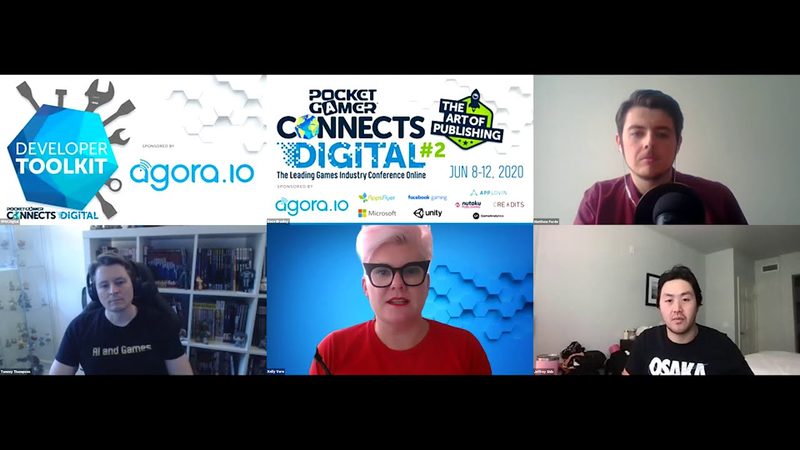
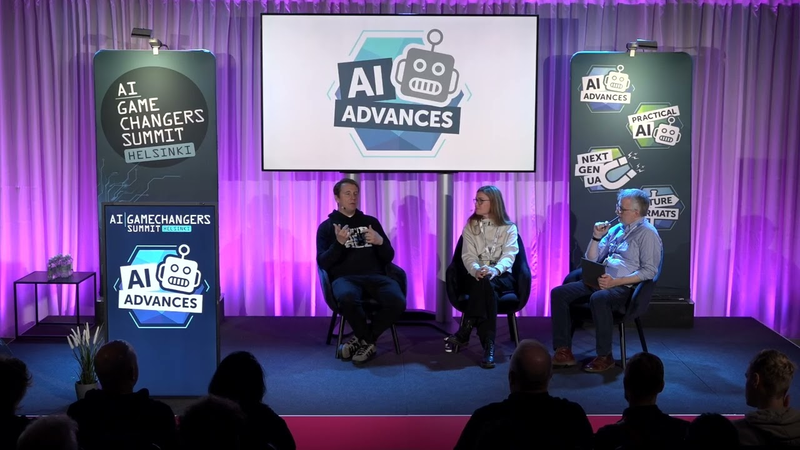
Panel: Machine Takeover - Improving Your Game With Machine Learning & AI - PGCD#2
Key insights
6 takeaways- 01Machine learning is shifting game development from static, rule-based state machines to dynamic, data-driven systems that automate labor-intensive tasks like animation and lip-syncing.
- 02Advanced implementations, such as the Drivatar system in the Forza series, demonstrate how machine learning allows NPCs to evolve based on player interaction rather than relying on pre-programmed behaviors.
- 03Machine learning is being applied to high-impact operational tasks, specifically real-time analytics, churn prediction, and the optimization of monetization strategies.
- 04The integration of machine learning is intended to augment human design, requiring ongoing manual oversight to ensure that AI-driven gameplay remains balanced and engaging.
- 05The industry is democratizing access to AI through tools like the Unity ML-Agents Toolkit and open-source frameworks, allowing smaller studios to implement sophisticated agents without large-scale research infrastructure.
- 06To address technical latency issues, developers are increasingly deploying inference models directly onto end-user hardware rather than relying on centralized cloud processing.
Ask AI about this video
Transcript
here in the developer toolkit track sponsored by Agora do i oh and we've got a great panel here to ran the day off I've seen so many things are something that have made me think in all sorts of different directions we've covered a lot of different topics and this one's no different this is Sir this is called machine takeover we've got a panel here about improving your game with machine learning and AI and my colleague Matthew Ford from Pocket Gamer busy is going to moderate this panel do we have Matthew and how to see if we break there we go fantastic and Matthews going to be joined by tommy Thompson for my own games and Kelly Varro from so real I think Jeff she was on the on the on the docket from unity but I'm not sure whether whether he's with us if if if
Jeff Church shows up we'll only buddy in but if not so Matthew how you doing how about yourself yeah I'm all right thank you yeah good I'm gonna tell you what I'm gonna hand over to you folks watching if you have questions for a Matthews panel pop them in the Q&A box at the bottom there and and Matthew can take a more I can join you later on and help out but over to you and to introduce your pal thank you so yes as a Davis saying my name is Matthew fraud and the staff writer for Pocket Gamer doc biz and I'm gonna be your host for today's session so we're talking about or even panel so we're talking about the Machine takeover and improving your game with machine learning AI and I'm joined by an esteemed panel of guest seein much more well-informed than myself so we'll start off at just telling me about yourself and what you do and your connection to machine learning so if we start with you Kelly I'm Kelly Weber I am the current head of game development at so real digital twins based in Bern Switzerland I've been working in the games industry for 25 years I don't think I'm a veteran
but I'm the person really that's responsible for doing all of the kind of dirty work underneath the hood when building our assets for game development via X or you name it fashion tech everything we do so any questions you got about anything machine learning and that water made shim platform please hit me yeah I actually tuned in to your talked earlier Kelly has a very interesting as well of series on the same subject yeah yeah interesting interesting the wank so it must have been okay exactly Tommy you wanna introduce yourself yeah hello everybody i'm tommy thompson I work as a senior lecturer in computer science with a particular specialism in artificial intelligence applied to video games however for the last couple years I have ran AI in games obligatory
company swag on today where I work as a consultant and a developer working with companies big and small about how to utilize AI in different ways and actually just help bootstrap them and particularly if they're really interested in working with the AI in a video game and they don't really know how no most people actually know me as a youtuber because AI in games the company spun out of my youtube channel if you actually just look up AI in games on YouTube you'll find it pretty quickly where I give a lot of videos but I crack open the hood of famous games and tell you how they work as well as look at weird and often very exciting academic research in game AI that you would never hear about otherwise good stuff so I want to start off by asking you both what does the term machine learning mean to you so I've actually found a quite good description online and so I want to read this through obviously give a bit of a quick nice little overview and everything like that and see what you think of it as well get your thoughts so machine learning is the ability for a system to learn and improve from
experience without being explicitly programmed machine learning is also more commonly known as AI and as a subset of technologies that make up artificial intelligence so akeli got to start off I mean I do prepared like an answer to this question that was from that incredible film from the 1980s Top Gun which was I feel the need the need for speed because what machine learning does in my line of work is is speed things up dramatically so we're talking from things happening over three hours or a week to going right down to minutes in some cases even seconds so what machine learning means to me is all of those things you just but that I can get my clients into the place that they need to be in much faster Tommy yeah I think actually I'm good I'll get to this I say super Kelly said right at the end because that kind of really helps summarize my perspective
on it but it's really about extrapolating relationships and established data and when you have a very large amount of data whether it's a very complex video game environment maybe it's data that you're actually getting from players or maybe a deity of gathering from other systems trying to extrapolate relationships with and that is often very difficult machine learning is really great at being able to recognize patterns within that behavior within that data say and then actually even tell you that those patterns exist because you didn't know it before and I'm looking at it cuz it was 10 million records of 50 fields of data in each case or it's able to allow you to then use that data to predict potential future outcomes and one of the big things that differentiates machine learning from classical or symbolic AI as you would typically consider it is that traditionally an old-fashioned EIU would build an annotation of how you would expect a proper system to solve a problem and then it kind of it searches for a solution by pretending to think like a human does whereas machine learning doesn't do that you give it the
data you give it the framework within wait you want it to learn and then we're relying on this idea that machine learning is going to learn kind of like a human does and hopefully the thing that it learns at the end is actually useful to is if we've done our job right doesn't always work but you know and some things that doesn't always pan it but yeah one of the critical parts as I said there it's all about speed because once you have trained that machine learning system the inference at runtime is incredibly fast versus a more traditional source system where it's still having to search for the solution every time you give it the problem it needs to solve that sounds good to me so and I'm gonna come back to you Tommy straightaway so what do you think of the best examples and uses of machine learning in game so far I get this one a lot this is always a difficult one to answer and actually what am i two of my favorites only one of them is player facing and the other one is actually in our pipeline which i think is really relevant so first of all I think the drive at our enforcer series is a really example of this that is one of the longest-running and established tools
there's been in triple-a game certainly for years where the driver tires the idea is that you have a digital avatar that replaces another human player and all the AI racers and in the Forza series since 4 5 onwards a believe or know these driver tars and that is a Bayesian learning system so it is using Bayesian learning to train an artificial neural network which then calculates the expected utility of a player's ability to driver in a racetrack even if the player has never raced in that car or never raced on that racetrack before it's a really awesome application that we no just expect it's only now rolling out into other racing games and MotoGP for example is doing very something kind of similar but different um more recently I've been really excited by the application in animation there's a huge amount of work notably from Ubisoft present looking how to build real time animation controllers through use of machine learning so to streamline the process for animators
that building they built the best animations they possibly can they don't have to worry about building these really complex animation controllers to make sure the character turns and moves smoothly so for example for honor that game was one of the first ones that they really used to pioneer this and more recently an assassin's creed Odyssey is actually one of the first games is using new voice trick voice lip synching tech that was developed through one of Ubisoft R&D units and that's allowing them to speed up the process of actually getting the lips to sync up when the character is speaking it's no actually learning off that data and doing it and and executing that in real time and it looks fantastic yes that's pretty cool actually and I don't know if you've heard of an EA had a program called seed I believe that imitates a sessional players yes that was quite a different and cool initiative yeah that's I think that's got a really interesting application in the coming years one of the big problems
that comes with it or you know certainly challenges is finding the data a lot of people are looking right now to the clients I speak to but they look alpha star which was google deepmind starcraft 2 a player and this oh my god we want to have this how can we reproduce that well one of the things that benefits alpha star is the ecosystem that Starcraft 2 exists within it's a very big game it's got very popular eSports environment it's been around for years and so one of the first things that alpha star does or deepmind it during the training of that system it's the use supervised learning to bootstrap that system against established human players and then it uses self play reinforcement learning to get better and exceed human play so the first thing they do is they rely on a lot of this existing professional gameplay replay data and they use that to Train it and this he'll keep good watch these replays get good and then we're going to improve you from there and so particularly looking at stuff that seed is doing is really exciting
but one of the things we need there is that data you actually need all that play data to then extrapolate from that like really good play patterns yeah conversely if I can just chip in I would save it like I'm more controversially actually speaking from somebody that's works like heavily in mmo's where new things I really really love is the kind of safe-breaker approach so anything that gold farmers have ever done really interesting for us to really understand and get under the skin exactly what is it we need to do in a very short space of time obviously as I said before in the previous conversation everything that we do speed but we can learn a great deal from what humans are doing and I think I said it's kind of earlier in my only attract you know algorithms are all about asking questions so you know being able to ask a series of questions that comes from a kind of human perspective without you know too
much negating what it is that you sent on me and it's important that in order for us to get into those places in MMO we have to ask those kind of human questions what better place to go to you than the burglars you know to ask how to build the perfect safe so and yeah I mean I like the way that some stuff has developed over the past four or five maybe ten years from back in the day when I was working on runescape up until present day and I think my favorite machine a I especially has been enforcing stole the words out of my mouth sorry sorry no camera stuff that we did in there I said earlier on transformers universe was absolutely spectacular it seemed that worked on that worked on amazing vehicle transformation using pure AI it was totally mathematical completely outside of everybody's understanding and it worked like a dream
first time yep yeah as I imagine you've seen Jeffers appeared in the bottom of a corner are you doing Jeff some great conversation about this topic I sincerely apologize which is getting going don't worry about it now do you want to do a quick introduction to yourself yeah absolutely my name is Jeff I'm with Unity Technologies I lead our product teams and AI focusing on like machine learning agents you're using deep learning and neural networks and games for various very happy to be here with with you and their fellow panelists yeah great to have you and I mean just the question we're just asking then and what are the best examples and uses of machine learning in game so far do you have anything to add to that oh there's a lot of god good stuff I think you know everything from like obviously like from like you know a user acquisition all the way to the experience in the game yeah I
think that for me the one that I really would love to see is the the use of like deep learning for like behaviors that obviously touches along and the areas that we work in you know one of the challenge we always see is like if you want to create really really compelling experiences you know what happens today there's a lot of iterative development uses a lot of state machines a lot of like you know sort of classical AI we're certainly you know games that are saying okay well I want to create a very dynamic behavior like how the game reacts to the way I play will be very much different from the way you played it so we're starting to see stumps to use they're using you know reinforcement learning to try these kind of behaviors so that to me is like really exciting in part I think you know the next generation of games not only will it be on like you know PS follow these like amazing graphics and consoles I mean real files demos were amazing but also just the experience I think they're gonna be very dynamic and you're starting to see this sort of intersection of machine learning and AI with with gaming yeah what about the lights of when it comes to competitive
play you know I'm now Tommy you mentioned eSports and everything like that and the likes of NPCs being more formidable and you know reading players movement you know you see like the Starcraft examples which are awesome right like and you see like you know these machines and from a research perspective trying to create new avenue of algorithms and coaches to beat you know some games like Starcraft the one I see that's kind of interesting is actually not so much as like humans competing against machines and like an arena setting that I think you at some point like you obviously like the machine has a lot of advantages they can play you know countless years of games you know in the matter of minutes what's interesting the eSports side is actually more like using you know NPCs and AI for training so if you're a top let's say you're top for tonight player you're a top point oh well you know like any game you're using the actually for training purposes I think that's where you'll see a lot of you'll probably the adoption for I'm you're starting to see that now some of the toughest sports player there you're looking into ways they can have
you know in their own personal training better you know better training and then when they go into like play you know human versus human competitions you know they have an advantage but I think the notion of like humans trying to be machines I think it's inherently disadvantaged to a human because you know machines can play you know like the training first or death was like something and like the hundreds of years of training range right so obviously like no we can't we can't simulate that in our own real world and so but that's kind of my might at least what I've seen like how this is stuff's apply to eSports yeah and so how important are humans when it comes to looking after the technology you know either you must to stop AI from doing something expected I'll continue first calendars time I think you know a good head of development surround themselves with experts I think that's just really important and we're kind of really lucky
that you know I think in previous games that I've worked on it's been really difficult because there's always this fear when you're making like a triple-a game that you're making a triple-a game that's for the designer or you're making it for the developer when actually if you surround yourself with people that are outside and living outside of the box you you're making a better game so on on this is your twin side for us we're working with you know guys who have got doctorates PhD like students and masters that kind of totals you know sensei's in terms of what it is that they want to achieve with in machine learning on the game side on the game developments like my experience has always been that it can be a little bit problematic maybe sometimes to bring in the human aspect that you know there's a couple games that you guys have already mentioned that are really incredible and that sort of taking away driving a train
through how humans and computers are interacting perfectly and that's EVE Online and Starcraft these two games like particularly are doing incredible things in terms of machine learning but they're also using human elements able to bring that stuff to life and dog board and I think that's really relevant to the conversation that we're having like right now I don't really think that many people have thought about it a great deal but even Starcraft definitely have and you didn't mention Geoffrey I'm really annoyed that you didn't mention Mars because Mars is absolutely amazing as well and so the ability of what Mars can do is just I'm blowing you know it's Costigan type stuff Geoffrey would you like to follow up to that you mean Mars like the Unity Mars they are say oh yeah absolutely um no because now you have a world where you could simulate anything and you know it's the you know we always talk about like behaviors a game start coming everything's in the bird we had something like Mars you know and
you play these things like you know like the constants of procedurally generated content with something like Mars with something like you know the living room or you know or like a patio and now you have a world where you can actually train any kind of model to do any kind of detection and using something like Mars or any Mars is still attended to you'll be a studio for crazy our applications but then if you extend that to the Machine Larry said now all of a sudden like you know you want to have like you know an app that can detect anything in the real world now you have something like Mars where you can extend so we're very excited and we actually have a few Studios that are building a our apps on Mars and then like now to engage us from the AI side and machine learning to do all this stuff so yeah you know glad you mentioned that that's a very important you know topic for us as such sorry I mean yeah like I often look at it as the application of any app a particular machine learning tool in this context it's not there to replace a human is there to enhance an existing
person's workflow and sometimes maybe a business level management may not see it that way which i think is potentially an issue we may have to deal with in the coming years but i think that's an incredibly important thing to recognize is that you still require human input machine learning is built to optimize a model based on what we originally think it is we may be wrong we may need to go back and revise that model because our original I mean I've made that mistake over the years I got it trained and Egypt that's gonna learn that it solve this problem and it comes up with the easiest and cheapest solution because I didn't give it enough information about the problem was trying to get it to solve but even looking at some of the existing examples we talked about drive ATAR for its us drive at our earlier one of the interesting things about that project is that the designers still have the ability to supersede what the drive ATAR system does in that game and one of the interesting reasons that emerged is because during play testing and development of that game they realized that um play testing players don't like to actually play driver tiles that play like humans do because they found that
all the driver tires with tebow and all the other cars and then just smash into them and drive away and people were getting frustrated the cars would take shortcuts and when people said why is the driver tyre doing this he said what we dreamed on a human and that's what the human does and so there's actually a layer of that system where the designers actually went in and said okay if the car is going to try and cut that corner we're not going to let it do it if it's going to smash into that other car were not going to let it do it so there's always a case of building the model that facilitates our a problem and then engineer level and design level coming in and saying is that really won't be born and then kind of tweaking back accordingly to suit yeah we've actually got a audience question from Dan buzzard asking you mentioned using AI to Train professional eSports players do you see this application being designed for tutorial icing players either throughout their gameplay or in specific tutorial sections could AI coaches beyond the horizon why not you know I don't think
anything's out of the realm of possibility I think you know just just this feeds out really nicely into what Tommy and Jeffrey were just talking about - my first games I did tombraider and I did MotoGP and these two games are primed for this absolutely primed I mean you've got the whole training night scene and tutorial scene in Nora's mansion imagine what could be done and so just having to put the Fawley around in a tray and there's so much more that can be done using you know making eSports tutorials and having that kind of coaching place so I don't really think that sounds yeah always think they consider is like there's always like a trade-off right because you know one side of it like you want to design it tutorial that you want to design a very specifics for an experience for a tutorial and you want
like you know you as the you know the designer or the producer you want like the experience to be very very specific when you give up sort of that control to the Machine you know then there's like a trade-off right like you know and there's not only just a cost like it may just be easier to develop a tutorial you know buy it you know iteratively by hand and there's a good trade-off for using machine learning takes time there's like you know setup costs so it's just you know Adam to kill Kelly mention like yeah of course you know like you want to like a very you know unique kind of tutorial maybe you want to be very adaptive machine Larry's are great for that admit that again this is like that depends on the experience where you're trading off development time experience control and that's where like those where this stuff is really fascinating because if their respective like how you can approach the the problem with search yeah so what would you say in your all of your experiences what are the best tools flash middleware for developers who are new to machine learning and know
nothing about the tech con Tommy you can you can sell I was gonna see I was actually going to start with the Unity ml agents which you know given given our company it's like well you know but I think that's actually a really relevant answer to this not just because I'm trying to be buddy here but because there's a fundamental change in the paradigm there's a fundamental change in the terms and terminology were using and particularly for someone who is used to doing in symbology I may be a rating old-fashioned like a star search algorithms maybe you're using finite state machines behavior trees whatever if you entrenched in that world and you know that we're all transitioning over to machine learning is quite a hurdle it's an entirely different and concept to get your head around and so finding something that is accessible and kind of more critically actually plugged in and ready to go inside an established engine is critical at this point I think really to help get some momentum and really bring more and more developers on board
so yeah I'd say probably the unity tools at the moment yeah thank you yeah you know like some of the product pieces for in Malaysia and Cynthia Slee we're very biased and we do see a lot of what I like about the first time I'll put them different another kind of tool out there that it's if you're an interesting turn about in your network steep learning reinforcement learning the open AI Atari you know twenty hundred base lines are really really good place to start I mean it's a lot more you know they use what they call like you know a DQ in and reinforcement so it teaches you how to like a lot more like a simplified you know model of RL and it's on Atari games which are a little bit more easy to like you know neither than your 2d a little bit more easier to kind of wrap around image is a really good tool if you want to learn you know like you know you'll get a little bit more deeper you can like you know put in your own environment you can flip in your games if you just want to learn about neural networks tensorflow you know you know like someone like
reinforcement learning how it works it the opening Atari set is really good to start with and I just finished by saying that on my side on the outside image segmentation and semantics is really important so if I would do something I slice a dog you can get a really good tour from slicer and it really just allows you not only because it's open source to be able to sort contribute to that environment but also be able to segment your images in the way that you want to segment them and then that enables you to be able to handle the machine learning at the level that you want to handle the machine learning it's not something that you can just jump out at the tracks and suddenly be an expert it's something that you need to take time over as I said earlier you have a lot of questions to ask especially if your environment and your objects and the things that you want to do using machine learning so slice is a really good place to start because it has a great community platform yeah you mentioned slicer and unity obviously
would you say there are they the best or are the best for beginners would you say is there one because the budget the budgetary constraints that a lot of people have when they want to get on the bottom row but you know unity tours are always the best tools to be able to open the door to really where you want to go and then slicer just adds on top of that obviously it's an open source tool you know it works alongside other things that you want to do and it's a you know really nice gateway drug into other things that you want to explore and experience yeah and of course you mentioned in image segmentation which was a plat of your talk this afternoon which n people can catch up and we'll be on our channels and in the coming days I imagine so what'd you expect to be the big drivers for machine learning over the next few years I'm gonna go to Jeffrey for this one first yeah I mean something I mentioned earlier around like you know just think the behaviors of games I mean
it's it's not just machinery but you're combining like sort of like the you know traditional like planner you know approaches with something like machine learning to create really you know different kinds of experiences in my view I think more and more games are just we just need to be more adaptive I think you know you know they have one game you know they being the traditional model just like like you have some adaptiveness but I think just having like very very customized you know very personalized games even to the the into the world where like even the game near the core game loops may change for different kinds of players and behaviors I think that's and you know like least in our view that's kind of what we we always kind of talked about it on like my lunch meetings and like you know happy hours like you know really where we're stuff what we do have been elite I think that's where we kind of feel like Kelly well I'm really enjoying at the moment Eve discovery I think you know
using the human as the machine is a really interesting experience because it is driving a heck of a lot of data towards places that we really need to go to you know coronavirus and kovin notwithstanding you know we have a lot to learn about human behavior we can only learn that by becoming part of a bigger machine but on the pure you know machine learning side I would say that I think there is a great deal of stuff out there Borderlands you know they're exploring a great deal of opportunities using machine learning within their game experience they're growing their IP cleverly by building a lot of deep learning into what it is that they're doing so expect to see more stuff on that halo destiny side expect to see stuff on the board and on site and more Eve Online and then though as we go into the new gen as well to be even more experimentation yeah Tommy anything pops up yeah I mean really to to things like whatever
data and whatever the opportunity to see if money or make it you know so we're looking I mean particularly one of the things I don't expect to see is a lot of machine learning our applications in the context of non player characters that doesn't and I think there certain circumstances but that works really well like the racing examples of Drive ATAR and MotoGP are great for that but a lot of that kind of tried and true techniques for building enemy characters I don't think that's going to change drastically because those are kind of entrenched at this point I'm interested in where there are open opportunities that we just have real development problems or those massive amounts of data Jamie lamb over in the group chat has pointed out economy systems right absolutely like what data can we get but in game monetization like how are people spending can we predict can we actually improve turn prediction can we customize monetization packages based on player interaction and how much money people are spending which has both significant opportunities but is also incredibly dangerous I think in some regards there
is particularly on life service games like Kelly was just sitting there you know destinies and Borderlands or whatever else the games of their nature eSports and there's already a huge amount of work that's happening in this space the digital creativity labs at the University of York has been working with valve as part of the door to invitationals well they're actually providing real-time analytics and essentially data that's used as part of commentary so people are able to play the game and it's sort of the equivalent of watching a sports game I know em football soccer American football whatever whenever we end up worlds were ever demographic I'm dealing with and that real-time informations coming in so people are able to see that data as they're playing the game maybe it's suggesting hey switch here oh you're not working in this point this Lane you're not working out change tactic and other I actually wrote somebody's down online toxicity yeah because there's always plenty of that and we need to minimize it and thankfully the research then increased urgency I think to address
this thankfully um optimization of given game systems such as physics the so actually some fantastic what that Ubisoft's doing along say McGill University at the moment and texture I'm scaling which is this small crowed movement are like kind of online hobbyist move reignover seeing a lot of old games getting mods where people are releasing 4k texture packs to run on emulators could that actually speed up some of the processes of doing a remaster a release of an old game by actually okay let's just put it through deep learning and see if we can actually upscale the old but the old textures yep you actually you mentioned the University of York interesting is that though in the UK or is that the American York because I'm actually from your sorry oh no no it's the one that's the one and you're actually so the University of York is along say Queen Mary University of London they are part of the intelligent games and gaming intelligence consortium or Aggie for short which is like one of the largest doctoral training centers for games research and it's the biggest one in
Britain is one of the biggest in the world and there's a huge amount of kind of game AI related research coming out of those two universities so if you're interested in that go and have a look at the work that they're churning out there doing great stuff there you go since I mean you yeah go York so obviously we mentioned next-gen everything that's obviously up coming very soon we've got the in the PlayStation 5 Xbox series X iPhone 12 anything like that how much of a shift do you expect with the next generation of softwares and consoles so I mean we start you know in the process right now where we're on Pocket Gamer connects digital to and the first version was a response to what was happening in the pandemic situation and so we've had to find a way to connect with one another over more of a virtual situation and this is caused us to make
a lot of changes not only to our life but also to our pipelines our workflows how we do things so everything has changed and I'm not just talking about us as a business I'm talking about the game development world as a whole and the only thing that I would say is that me because I work in loads of different industries the game developers are a little bit slower and that's what in their productivity a little bit as soon as they get a ride this wave of being able to change their mindset and their thinking about how they do stuff they're going to create stuff a lot faster and get to market a lot you know and just going back to what tommy said there are a variety of different things that could be done from e-commerce marketing from monetization to techniques with development so we just got it we've got it be at the bleeding edge of the technology oh we're going to get left behind because people are just going to go to different places they're
going to go to AR they're going to go to VR and traditional Tommy do you Monica ah it's I think it's always an integral at a really interesting point so this is gonna be my 9 answer to this question is that I think we're at this really interesting phase where a machine this is the second time machine learnings had its swipe at the games industry for all intents and purposes if we call back to the very late 90s early 2000s you have games like black and white creatures the original Total War all experimenting with this tech and it didn't it wasn't a proven commodity at this point we didn't really know how to apply it how to ensure consistency how to ensure and even where was the best places to apply and to improve the overall quality of the product that's being generated I think we're now at this really exciting phase where we're now beginning to understand the opportunities that lie
within games and we're now we can apply it and I think it's gonna it's gonna come down to a couple of one or two big companies making taking a gamble and releasing something with these with particular ml inspired implementations that's going to really change everything hard to sell what it is and particular I'm looking again at that list of different a like a topic areas or focus areas that it can be applied so I think we're we're gonna we're gonna see something I'm saying I'm excited I think I've got plenty of work to do so do you have anything to talk about in the coming years but um it's but I think certainly looking at some of the interesting stuff that comes out of academic research as well with no created this whole generation of PhD candidates who are also game developers that all know indie game devs because they have access to the tools the democratization of game technology has changed this that particular part of of my my world drastically and I think now we're seeing so many more proofs of concept that could then later be taken
and then fully adopted but then a larger project so ya don't know I'm super excited about it yes Oh Jeffrey yeah like how hardware and software frameworks are supporting like machine learning models if you think about most apps like you go to like like in the USP of Amazon right so you go to Amazon you go to the product page and all the decisions are like what it should you know what pages for surgery it's all like you know all the bit inferencing all the decision really kind of happens I'm like a server-side in the gaming world it's very edge it's very it's a much different problem like you're running a game at like let's say 30 40 50 FPS you don't have like the latency but you need the good decision from Michigan Lara cannot be like a server client server based the models yes you need to sit on the device and you're starting to see more and more and more applications where you know the machine learning decisions need to happen on the device not in a client-server in a model because their
latency is too high and game is gaming is like the perfect example so what I we see a lot of I mean we have our own inference engine you know so if you build a Unity gain your we use like our own shader libraries and we we basically have our own inference engine but what happens is that we also integrate with some partners so for example if you want to run like a neural network on Apple iPhone they have apple has like core ml which is their framework to run models and they use like they have a bunch of DSP chips that can be repurposed for machine learning inferencing you see the same thing with direct and null at windows recommend also they have their reason like the old direct deck stuff right and so it's all like the same math but then you can use that to remission learning models closer to the hardware because what happens again if you can't if you if you need to wait you did not even just waiting for a machine to make a decision but if you're like in places where there isn't a lot of interactivity you're going under a tunnel more and more indeed this is even
happening in the advertising space like you're actually putting more and more of the decisions and machine learning models under the device itself for privacy reasons for latency reasons so you again we we see a big obviously we're unique so we have to be partner with all the different platforms so we're starting to see like the apples the the Android the call comes like Intel all of them are creating like basically saying out that we recognize that there's gonna be a shift where machine learning models are moved to the device and we need to support you know either from a software framework perspective but also like the physical hardware and you seeing that with I think every ie in Apple every eight and by allyship and above now has DSP chips that can be used for machine learning which is I mean if you see that trend and it's gonna just increase I don't know I'm curious to see the next generation console that does is I don't know if like I'm not a console expert but I'm sure like when Nintendo will have like some sort of machine learning
[Applause] some weird version of it some massive alternative thing that nobody even thought of so when it comes to mobile what do you think mobile space will benefit most from machine learning especially over the next few years probably from user acquisition I would say it's like a massive driver having worked in that mobile space it's one of the things that we really just can't as a game development we just can't get over user acquisition is really important and we've also got to be able to ensure the safety of games it's really difficult because we've got no control over it but I think that and you know if I use that analogy that I used earlier about gold farmer and the safe-breaker we've got an opportunity to learn from our users and be able to create those digital of virtue
or spaces and learning experiences for us both as humans and for our AI and machine learning systems so we actually can easily learn from everything that's already out there and be able to create our own realities within mobile technologies anywhere else like I don't think I think that just I think actually Kelly just kind of summed up I think the other thing that goes with it though is also what Geoffrey was saying prior to that is the fact that we're now actually running more of these models their facility tree machine learning modules on the device and that is also going to provide all these new opportunities to you know potentially for procedural content generation for game bouncing toxicity purposes the ability to quickly make these decisions for us without running on without dealing with the network latency issues without having to crunch the numbers really hard if you have that model then all it takes is just downloading the latest version of that model onto the device so you could
actually see like significant improvements to existing functionality we have in games reducing the the CPU time but also just minimizing the network overhead as well yeah I think that's a everything I've got for my questions because we are running out of time fortunately I know we could discuss this all day but we have got one question from an anonymous attendee in the chat just asking can entry-level indie developers with low budgets make use of machine learning obviously we touched upon beginner tools stuff like that but is there anything specific for Indies that you'd recommend or literally go to unity unit is always been like the place where you can go no matter what levels developer you are I mean I don't blow smoke up Jeffrey's ass but I will do all night like that is the place that you go to if you're a student
or you're kind of developer because they provide so much and they can do so much and they're really challenging like a lot of areas and they're doing it in a really sort cost-effective ways of people that are at an intradermal all want to break into the industry like no doubt and also open source you know open source kit is really important as well don't go for the iPad pro lie dog go and do the cut and paste off and get up instead first it's really modern if you want to get into a RvR etc really just explore what open-source could do for you but know that unity is probably orphaned oh yeah I mean our MLA just told it all open source like we we open sores a lot of our machine learning stuff because we you know we realize it increases our ecosan it's it's right for our customers but you happen to be a lot of indeed in the market oh I can do with this is that
if you look at like deep mind and they base off Starcraft right and you look at open a they stop like dota 2 well you don't see behind it as look as the price tag I think something would be my salt lane we did that with him about it's just something we did I mean you're talking like tens of millions of dollars and training cost and time to solve like some of the hardest games now we always think about that is like that's not practical for actually most studios not even like you know like research but like even like probably you know like the bungees of the role that with big budgets and these are like not practical solutions so what we think about is like view some nail enamel agents we provide like things like sample efficient algorithms so you don't need a lot of training time we provide you know scale and distribution you know like you know abilities with you know with all of our to like we will allow you to run you to the engine to to in a way where you can get training Dave really quickly because we realize that like most studios don't have like 10 to 15 million dollars to create a machine learning system like a test games or can build infancy so for
us it's a very I love this question because it always comes off it's like I get what you're saying but I don't have either the expertise or costs for us at Unity this is my my only public announcement for unit we try very hard open-source implementing zimmel agents that are you know very sample efficient very you know like reduce training time reduced training costs because we recognize our customers are just or that have these kind of profiles definitely did it for you really sincerely appreciate that anything else Tommy just to take us on yeah I mean Geoffrey could have summed up like what my key point was that we really wait we said like when people are looking at training machine learning algorithms everyone's looking at the big fellas but looking at what opening I or Google are doing there I actually made at some point in an episode I actually sat down and calculated this one of the more recent versions of alpha star would have been estimated to have probably
spent three point two million dollars training on TP use as part of Google's infrastructure now you gotta pay you gotta keep in mind that's then training to create the best one of the best and Starcraft 2 players in the known world it's one of the highest ranking players of all time what a lot of us are trying to do is myself included I'm trying to create a little small agent that can solve maybe one specific problem in a larger context of a game I want my character that knows how to move around an environment and maybe not bump into balls I want to make sure it can kind of aim at a player but doesn't have godlike accuracy like these are the sorts of problems that we are dealing with and certainly I think with the Unity ml toolkit you can train these in a reasonable amount of time you're not gonna be sitting there like set in a laptop on fire for two weeks we've actually improved those two tools significantly I went through several laptops back in the day training machine learning agents to solve things and games thankfully the tools have got there and my laptop sadly can't speak to that but yeah as possible as long as
you're not trying to create something godlike like alpha star then you're fine there we go thank you very much for you all taking time out of your busy schedules to come and talk to us and unfortunately we haven't got any more time to answer any more questions but I'm sure I can everybody contact you Tommy what's best way for people to contact you on Twitter I've seen YouTube yeah everything YouTube and Twitter a eying games and you can also find me at yang Gamescom where you find the written versions of the stuff that I'm doing and also some of the projects with companies that I'd been working on cool what's your YouTube channel called AI and games see chef costs subscribe today we're on another platform so Geoffrey can people find you yeah absolutely like it's just my first name at unity unity 3d comm Twitter Facebook you know we did everything basically except Marlee probably home
address a phone number that's fair enough you're allowed that I think yeah Kelly an education Twitter you can follow me there and you can reach out to me on LinkedIn and you can email me Kelly act so real top CH thank God and I'm obviously at Pocky game Adobe's and you can find me at 4909 on Twitter and so yeah thank you again for everybody attending thank you again to my panelists and Dave Bradley thank you very much folks thank you yes Jeffery Kelly Tommy and Matthew what a great panel to end the day and I really appreciate it thank you I've had my mind blown this afternoon by so many great talks we've done machine learning we've had a ROV are we've spoken about UX and UI we've covered CG and development of CG in in the movie theaters and much much more what a great few hours we've had here and I really appreciate everyone taking time out to to be part of it but that does bring us to the end of today's talks and panels
you
Summary
Machine learning is fundamentally transforming game development by shifting industry standards from static, rule-based state machines toward dynamic, data-driven systems. By leveraging pattern recognition, developers can automate labor-intensive production tasks such as animation controllers and lip-syncing while creating more responsive, adaptive gameplay experiences. Notable implementations, such as the Drivatar system in the Forza series and advanced voice-syncing technologies, demonstrate how machine learning enables NPCs to evolve based on player interaction rather than relying on explicit, pre-programmed behaviors.
The integration of these technologies is intended to augment human design rather than replace it, necessitating ongoing manual oversight to ensure that AI agents remain balanced and fun. While high-profile research projects often require significant computational infrastructure, the industry is increasingly democratizing access to these capabilities. Tools like the Unity ML-Agents Toolkit and various open-source frameworks allow developers to implement sophisticated AI agents and solve specific gameplay challenges without the prohibitive costs associated with large-scale research initiatives.
Beyond gameplay mechanics, the industry is pivoting toward using machine learning for high-impact operational tasks, including real-time analytics, churn prediction, and monetization strategies. To address technical hurdles like latency, developers are increasingly deploying inference models directly onto end-user hardware, supported by optimizations from major technology providers. This transition toward on-device processing ensures that even smaller studios can integrate advanced intelligence into their workflows, signaling a broader industry shift toward accessible, efficient, and highly personalized gaming experiences across all segments of the market.




















Comments