1 free read left. Create a free account for unlimited reading + AI research.
Create free account
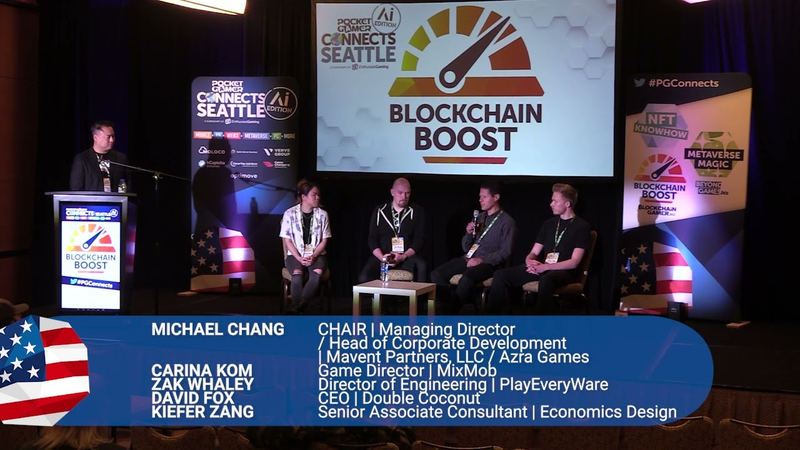
Panel: Rules May Apply: What to Expect From Blockchain Gaming in 2023?
Key insights
5 takeaways- 01Blockchain gaming is shifting from speculative, incentive-driven models toward a focus on high-quality, sustainable development and core gameplay experiences.
- 02To ensure economic stability and avoid the pitfalls of previous real-money auction models, developers are implementing hybrid systems that balance tradable and non-tradable assets.
- 03Developers are prioritizing a 'fun-first' design philosophy where blockchain elements function as backend utilities or digital collectibles rather than the primary drivers of the user experience.
- 04The long-term viability of the sector depends on making blockchain technology invisible to the mass-market player by integrating it seamlessly into traditional game design.
- 05Smart contracts are being leveraged to facilitate community-driven mechanics and rare collectible experiences, enhancing player agency without requiring users to navigate complex, chain-specific technical requirements.
Ask AI about this video
Transcript
[Music] thank you [Music] what I suggested we've got a 40 minute panel right now which proved is shaken up to be really insightful and um after that we'll head to the trackmix door to see the results of um the uh the Indie prizes we've got a few speakers here so we'll just while we grab the chairs I'm gonna I'm asking to come to the stage I believe we're going to be joined by uh Michael from movement Partners David from double coconut Zach from play everywhere Karina from mixed mob Christian from game jam and Kiefer from economics design am I right are you all here good afternoon everyone we're standing between you and some extra fun here so we'll make this a bit quick um by the way you're my favorite uh
questionnaire right now so I'm going to pick on you for a little bit so uh welcome to rules May apply what to expect from blockchain gaming in 2023. before we get started here I'd like to ask a few questions of the audience just so we can get a sense as to who do we have here it's also make sure you're awake can I ask you by show of hands who of you has actually played a blockchain game okay who actually owns cryptocurrency all right who owns an nft for those of you who assist in the earlier session this fellow asked effectively why do we have blockchain in games that's what it boils down to so to answer that we have a panel here to help thinking about what's happened in the past and what'll happen in the future maybe we'll go ahead and have everyone introduce ourselves one by one Karina how about you does pleasure to be here to be here it's Karina I am the game director for mix mob it's an upcoming
blockchain crypto game Studio I've had previously worked in traditional game development for about 15 years before making the switch it pretty much had a light bulb moment um when I started to quit my corporate job and go back to being Indie in blockchain hi I'm Zach Whaley I'm the director of engineering at play everywhere co-development Studio based in Georgetown in Seattle uh in my past I've also worked with uh magically doing XR and and whatnot so just always excited about different Cutting Edge Tech and the applications for it in in the industry I'm also the chair of the engineering Sig of the igda and the treasurer of the board of director GTA hey hey there I'm David uh Fox uh our company double coconut it's a 10 year old work for hire and co-development company as well we're based in San Francisco and Armenia and we've been in
blockchain even before it was hot uh so we have been worked with Splinter lands uh we built a big collectible card game called the emergence and we have a number of projects and we like playing into space and we'll tell you why everybody I'm Kiefer Zhang I'm a consultant on the economics design team we help companies like frapnels parcadia scopely with economy design and monetization strategy I have in terms of my my blockchain background I've been involved in blockchain space since 2014 or so and have been working in there professionally for the past five years or so thinking about how do you design the future of virtual economies and I realized forgot to introduce myself my name is Mike Chang I do personal Investments and I actually help out with a company called Azure games I was founded by the CEO of my best acquisition at EA a decade ago we just raised 25 million dollars last year primarily from a16z's games and crypto fund
maybe to start off and address the question head on um this has been a bit of a bear Market in recent times for crypto and and crypto gaming um can I ask the audience here or is it not the audience but the panel how they think about this this clearing out as it were is it good or bad and and why I'll go ahead uh yeah no I certainly think that uh it's it's one of those things that's uh I think that there's a direct inevitability of of the things that are being applied anyway and so a lot of the hype and whatnot there's always hype a lot of cutting edge Tech when it's exciting and whatnot uh and I think realistically the ups and downs are kind of something to just kind of be ignored it always sucks markets always are up and they're always down and moving through it and I think that it's just the opportunity to uh pursue and uh take advantage of those kinds of opportunities as it's emerging and developing just like keep heads down and move on David I know you have opinions
so is it good no it sucks it's not good um but so I mean I I think if you you also were in crypto games even before axi kind of took the World by storm 20 what was it late 2021 um so actually Infinity came and all of a sudden every VC and uh you know games became very very popular and the hype was clearly overhyped so the fact that that gas is out of the tires now and now we have a car that can actually run um maybe it's a little the tires are a little flat but uh that that part potentially is good um listen I mean I think I'll this is a big theme that I want to stick to but crypto has so many different audiences there's the hardcore Believers there's people that are in it just they need to earn a little bit and then there's people that just don't know much about it and are yet to learn and I think that biggest group is far ahead of us just like when free to play started most people just didn't know what free to
play art I didn't care or that there's so many people that have not experienced what crypto can do yet um no question there's great things ahead okay um I love his opinions so I think this is actually a pretty good time for developers who focus on building the right stuff and why do I say that we don't know what the right stuff is right now and but what I saw after you know actually Infinity um I saw a it's like a cleanse does anyone do like detox or you have a juice or you can cleanse like it's really healthy for you yeah that's right right um so when we saw the you know at the height of the the bull market things were good things were very bougie there's a lot of money being thrown around and that was the time where the market seemed a little irrational at the time it was very hype I hope the pedals to agree with me it's very hype and then we entered the bear market and this is where things got real so I I think it's a good thing because
things are super real right now and developers who have been building and focused on building all along the way can only see the benefits when we emerge from this and you know as Zach mentioned it's it's a market that will ebb and flow as do all things but if you can continue to build um this is this is a good time for those who are just focused on yeah bull marks are a great time to accumulate capital and talent into this space and so we've seen a lot of waves of this I was falling very closely in 2017 2018 uh when I I bought into axi Infinity's origin sale in 2018 there but there was this gap between them actually getting the funding getting enough interest in the space to get talented people to start building things out and then there's the lag time to actually build a game I assume a lot of you are familiar with how long it might actually take to build something of quality and so this passport Bull Run we've seen has been an opportunity to pull money into space and also really quality people in in building things now the bear Market is the time to actually leverage that
money and those resources effectively and build something great for the next cycle can I ask the panel or the audience is there a blockchain game that you enjoy playing today that you have fun with anyone sure okay it's one others interesting huh I've enjoyed playing Superior back all the games it's a roguelike shooter still they're working on the the depth of it a little bit but I think the the core game experience is pretty interesting two people on the bleeding edge anyone else Battle Nations sure but isn't that fascinating for this entire audience there's actually not that many quote-unquote fun games so in 2023 2024 are we going to see more of those types of games you work with a lot of clients are these fun games coming out they're they're absolutely coming we have really high
quality developers who are going with that mentality first if we have to create a really quality game and that's going to drive the the fundamental demand that will enable all these interesting uh web3 economies ownerships but underneath all that there needs to be real games that drive real demand from real gamers um so I think it depends on who you ask really um because we we as developers we still need access for the right tools sure to make things high quality um and so when we think about like web3 and some of these games are browser-based like Battle Royale or Mini Royal browser-based and so we're only limited by what we can do within a browser that time however as time progresses forward we are starting to see some really high quality games with all the right talent in the right places AAA developers are also leaving their jobs to come and do this and we can see from um the room next door like shrapnel is super high quality game developed by AAA
developers you know uh I'm looking really really looking forward to seeing more of that as the previous speaker also said web3 means different things different people I'm going to pick on Karina for a minute again here what do you think the biggest misconceptions are regarding blockchain games or what what what part of blockchain are we going to see in the games to be successful is it nfts is it tokens is it the back-end infrastructure what is it that you think is important I heard I heard sure misconceptions maybe what do you think the biggest misconceptions are about using blockchain blockchain technology in games Okay so the misconceptions of blockchain using blockchain games um so I think just maybe two people who are just coming in and reading what journalists tell us about blockchain asking yourself is this ethical does it use more energy consumption than average and and how do I avoid getting scammed how do I avoid getting exploits I think those are some of the biggest misconceptions right now because you
know again we are behind in tooling and but it's only a matter of time before the blockchain becomes more efficient I think the previous speaker if you were here was just saying that ethereum has maybe four or five iterations to go and so if you can consider that um Bitcoin is uh proof of work and that's how they verify what's on the on the Ledger uh ethereum and other blockchains are starting to go into like more like proof of stake proof of authorization proof of history and these are more efficient ways that reduce energy consumption and so um the game that I'm working on just quickly just for context it uses Solana which is a blockchain that is one of the more gas efficient and performance efficient blockchains out there and what I'm trying to do by using or selecting that blockchain and anyone who's thinking about making a web 3 or blockchain games to consider what chain they're going to use and we chose that chain because it is not quite on parodies where you want to
go for AAA but it's it's almost there ethically speaking and you know we we have lots of talks on AI right now that you know I'm sure there are many artists who are worried if if their content would be reproduced or sold onto the dark blockchain market and and that is a real concern but there are ways for us to verify and encounter that I won't go into those details right now and then the last thing about that um so asking the question maybe for the broader audience as well here tokens nfts interoperability what part of web3 is most exciting to you to put into these games what do you think will be adopted in 2023 and Beyond yeah and also a little bit to address the last question about games so you know and just to start off very quickly with like little personal like what brought me into blockchain in general was of course the kind of libertarian you know the system ethos um there's a little bit of the
um you know the potential for life-changing wealth was certainly a factor it's all these kind of sexy cool things brought me into it and I'm not as a technologist the nerdy part really brought me into it like there were all these systems to figure out it was so complicated and I'd love that as a nerd and I and there are Gamers who love that and there are still blockchain games that are fully Unchained where you have to really geek out and play in command line in some extent and play with ASCII art and they're incredible they're incredible into you know exercises that some of them actually are incredible uh in terms of their market cap today so when we think of games there there's a there's a there's a whole spectrum of uh people and a very small audience right now that does want to play these really crazy geeky blockchain games of course and this is the cliche thing to say because it's true all the games of the future are going to look like the games now they're going to be fun they're going to be easy onboarding you're going to play them you're going to enjoy them and there'll be some on-chain elements so in terms of what's working now I think nfts are the easiest
and safest way to go just in terms of some digital collectible right people don't like to use the term nft anymore but something you collect either to just get in or something that once you achieve you collect proof you've achieved it that's clearly already working and I think we're seeing more and more traction with that you avoid all of the issues with tokens in terms of regulations all of the issues with tokens in terms of the complexity of keeping it stay keeping them stable and keep them growing um it's so that's a very easy hook to a mass-market audience sorry long-winded answer yeah Kiefer do you have opinions on nfts yeah and so something that gets talked about a lot with nfts is the concept of interoperability and the things that that can leverage and maybe first first to say what I think that actually looks like what that actually means I I don't think it means that you take this specific sword that has a specific art and does five damage and you're just gonna throw that into another game and it's going to look exactly the same and
have the exact same stats like that's not realistic from uh balancing or our perspective but more realistically you have a set of traits and perhaps a history that evolves over time that another game can look at those fundamental traits and then create and then use it in whatever context is relevant to that scenario but in terms of how this actually is structured I think what makes the most sense is having these ecosystems where maybe it's a studio that is creating multiple games and nfts are used across them or perhaps even more interestingly we're going to see a web 3 version of of Roblox or fortnite uefn where there's one entity that is essentially creating nfts that are interoperable within the system and as an example this is actually what MapleStory is planning on doing with they've they've been going for 20 years and they're going hard into web 3 and so they're going to be monetizing an overall ecosystem by Distributing out nfts and they're opening up those nfts
and their IP to people being able to build out whatever in their ecosystem they could they'll have tooling to build out games tooling to build out apps and so you could leverage you could have a character that's you play with it in the main game from Nexon you play with it in a third party game it could even be your fitness trainer in your fitness app and it's not just leveraging the IP it's not just oh it's this character in these scenarios it's your character and it's matching the the traits and the experience and the history that you've had through all of these other experiences and grows and stays with you over time interesting so to re-emphasize this point imagine if you would all the different companies that we deal with Electronic Arts Activision Blizzard take two do you think that EA in Battlefield is going to allow a battlefield or an apex Legends item to go work in OverWatch or to work in Ghost Recon for Ubisoft there's kind of these wall Gardens between these different competitors it's very difficult to think about them allowing this to happen so as you say
within company perhaps we'll see this just as we've seen with the various platforms right yeah and there's an economic component of that as well um because like I was mentioned with a ugc perspective they're the uh it's maybe the side Studio that's creating this content within an overall ecosystem they're getting paid out of a portion of like the umbrella monetization um same as like with fortnite paying out 40 to creators uh but if you're you're talking about two companies that are both monetizing through nfts then now there's this competition it's sort of like if you're a country and you're producing something until you open up your borders to foreign competition then now they're going to undercut you you don't control the supply that and maybe the people who are creating ugc in in your game now they're making less money they're going to leave it's not not a good experience for them so it makes more sense to just have one entity that is uh leveraging the benefits of web3 nfts and getting the retention benefits of when people turn from a game they'll
want to go somewhere where they can still use that nft and they'll stay within the overall ecosystem I think something to uh Bridge a number of the previous uh questions and topics here um I I think I'd want to say that consider Network networking just not like technical Network I mean like business networking uh the most effective networking is where your friends first in business later because you have those uh relationships that you can like really build on and be able to help and support each other uh by going business first and whatnot severely alienate a lot of people and I think similarly uh addressing it to game design uh I think that fun first business later the business comes from things being fun the technology should be able to serve the actual uh uh like enjoyment of what people are pursuing um and so like to to actually try to be forward and about thinking about like well okay how do we like do economy
design with nfts and and whatnot it's it's I think the primary thing that's going to be able to be The Driver of adoption and utility from a broader uh her view Beyond uh like Boutique or Niche applications is how can it Service uh and not upstage like the actual content uh itself uh and utility for it for the players like considering like potentially even like non-monetary design like nfts are very very uh almost like the simplest form of a smart contract what are the additional applications or implications that are potentially non-monetary of even using like blizzard uh went and did the real money auction house back in the day right they basically became a bank to be able to support that economy is there something where sure you could do that with a Bao or something like that with some tokens and whatnot or you could entirely avoid the complications as mentioned in the previous speakers like all the wallets
and governance models there are custodial wallet models uh of just everything is like shielded by The Entity and it's just like well it even just perceives as a normal kind of experience from a player but it serves the like books for so Zach can we pick on blizzard for a minute and the uh the Diablo auction house uh let's let's pick on uh uh Blizzard's Diablo auction house for a minute does that work is that something that we'll see going forward in blockchain games in 2023 2024 and onwards yeah yeah yeah anyone yeah yeah so this is something I've been thinking about a lot from an economics perspective because that was an example of an open economy that failed and I think a lot of this comes down to the concept of controlling this five assets that are in your economy when we're thinking about closed economies which what you probably all are used to used to the player goes they kill they kill a boss and there's some probability that that Loop drops for them and that that
works great for the individual player experience you're tuning the frequency of getting assets to making sure the player feels like they can progress for the game and not be forced into buying stuff off the market to reasonably get through things but then you when you open up an economy you have to have this mindset shift as a developer of okay now I have to actually think about what is the total amount of this item that's in the economy because if you don't do that then those who are people are just trying to extract value they're it's just gonna be a race to the bottom they'll go they're going to keep taking money out or getting getting these items dumping them on the Market until the value drops to the how much people value their time in the lowest income country or basically zero if they figure out how to bought it but so with the Diablo 3 real money auction house now they they kind of run into this problem where okay now we've thought we realize we need to limit the overall supply of this but now the people who are just trying to play the game and don't care about this at all they're not getting enough of the
items they're they're like I need to to get get a stronger weapon to beat this boss but it's just not dropping and I don't want to go to the market so I'm going to leave this game and so that is also an issue and so I think where web3 needs to go when thinking about open economies is there needs to be a mix between tradable and non-tradable assets you need to have the uh non-tradable drops that are at a rate that's reasonable for the users to go through the experience and have a good time and not have to care about the market not be forced into any sort of web free interactions and then also at the same time have a drop of of these tradable items or materials to create tradable items depending on how this is set up that is based on the overall Supply regardless of the number of users and really based on what is the real demand from people the same people that might be buying in Black markets in traditional MMOs today that demand really is there they want to get the be able to buy these items and provide the fundamental demand here and so having
this mix between tradable non-tradable assets you don't have to go all in one way or another and I believe that that way we can solve that problem yeah how many game designers are in the audience today okay great so I agree that for for blockchain games be successful you have to make a a good game a fun game start to start with um but when we think about crypto and blockchain like there's another access to it that we we must consider so if you're a game designer you're probably very aware of the Bartle types that we have like the Explorer the achiever the social wise the killer Etc um but we go into blockchain there's actually another access which is someone who's more financially motivated someone who's looking at your game or product and looking at the nft is a financial vehicle so when we have that kind of person coming into your game we have to think about there's a hack and slosh uh opportunity for the gamers the people who want to enjoy and indulge in these uh quick game you know it could be
casual or hardcore games but then there's also a moment or pause where the financially motivated uh people will go into something like the auction house I think the thought that we even have of you know double threes auction houses test amount to how this is a desire for the players and it has been for many many years since World of Warcraft back in that long you know right like way back and players have been putting their accounts with their high level level 70 warlocks onto eBay for many many years before blockchain sure became and introduced nfts so the desire was always there it's just now we have to consider that balance of how do we make a fun game to provide the utility that makes sense for that gamer and also adheres and motivates to the financially uh motivated player so why does that matter to the audience here again time is the most precious thing you have to give yourself whether it's a project that you sign on to work with or a game that you
pick to play as you look for these games you should ideally find the ones where people are thinking about these Solutions these are games that will last a test of time those that do not address this will you know get some interest and then die as we've seen with actually Infinity most recently from Sky Mavis there's something we describe here called the time Paradox here and I'm going to pick on some people let's say Kiefer makes a dollar an hour Karina makes 100 an hour both of them play the same game for five hours both of them get you know the sword of death plus five okay so Kiefer spent five hours five dollars worth of his time so to speak to get this item Karina spent five hours five hundred dollars worth of her time to get the exact same item now let's say Kiefer puts this item up on Exchange what happens there it's quite a bit of problem because for someone who spent so much of their time your your time is now
devalued sure I could just buy it for five bucks if I do that I've skipped all the content that that's been built up to try and addict a user into this game right we call this a Time Value Paradox here challenges like this are new challenges we've not had to face before and why is that in free to play games you're designing a game where you're effectively leasing digital assets players in blockchain games now you're designing games where players actually own digital assets it's a subtle difference but it's a it's a difference in terms of how you design a game and I feel this because we interview designers and PMs and frankly a number of PMS who make free to play games are having a lot of trouble making adjustment over just as the old day premium developers were having trouble adjusting to free to play I would never back to premium developer or straight out until they made one or two mistakes so to speak you know speaking to this are there other challenges that you would think about other things you'd have the audience consider here as they as we move forward and hopefully get more successful games
yeah absolutely kind of uh uh continuing on to that like this is this is one of the the reasons uh I was kind of like talking also about uh having like the non-monetary implementations of being able to use uh still the same technology in in similar ways like from a game design perspective in general like Symmetry and fairness almost like essentially doesn't matter for entertainment like having you know those kinds of real world economic uh concentrations then suddenly have an impact on someone's experience in a game like this is why while subscriptions have radically different costs globally around the world that they understand and engage in like the same markets so it's like by not having by using that technology and potentially uh still being able to from a game design perspective like I'm going to inject and manipulate the market and whatnot and like you can still leverage a lot of the transactional benefits of being able to have an within the ecosystem as an
example but without the complications of like actually implementing it yourself so it's like there are some toolings and a middleware uh possibilities and just like having a boss fight being symmetrical and fair kind of sucks as a player you want that asymmetry you want that overpowering so being able to have levers to be able to design that can be very useful can we talk about middleware for a minute there's a lot of blockchains out there uh we've got Solana ethereum number one and then we have the chains above that the l2s whether it be the the Dapper the immutables the polygons the optos the mistins does anyone have an opinion who's going to win we have history here we have different Platforms in gaming that have won valve from Steam has won fortnite with epic's game store EA had origin now they call it something else Battlenet with blizzard is there any consistent
theme here as to what and why platform one so here's one thing I'm pretty sure of is that Mass Market players aren't going to care I don't care what chain they're playing on they're not thinking gain they don't if we you get to the point where they have to cross a chain you lost them already you lost the mass market so so tools like the the previous uh speakers and other tools that just figure that out and make all the chain and all the tech of very transparent are gonna are gonna be with what wins so can I ask here why do you use the app store if you're if if you're an Apple user why do you use the app store if you're an Android User why do you use Google Play if you're a PC Gamer why do you use Steam you don't have no choice sure okay a little bit more than that discovery content you have the winning content valve uh steam didn't really get adoption until certain games that valve
made forced adoption on Steam when I worked at EA we were rolling out origin origin adoption didn't happen until people were forced to download Battlefield and now Apex Legends through that right hmm perhaps the winner of these chain Wars is whoever picks the best content and it's not necessarily a lot of content it can only be maybe one or two hit games the epic game store would not exist without fortnite right so I just want to add on that because you're talking about Winners but from a perspective of I am the chain and I own you know I am Bitcoin so I want to win and but from the perspective of a developer actually you know of course we want to provide as much value as we can and that content will will ultimately win um but I believe the mecca for a developer is to distribute as much as we can yes once we figure out multi-chain that that would be the winner when we can have our our games or our products on all chains that that'll be that'll be awesome I like to ideally think that we're in this business to make a game that people get to play and enjoy and not just making money even
though that's a nice side feature but maybe I could we've got nine minutes so open up to a few questions if you would of the panelists okay yeah so we there's a lot of conversation about you know how you should make a fun game first and we have three uh but but I was always curious about is that I'm like is that a way that you can actually add fun using web free and I never seen anyone talk about it um because you guys come up with the examples of that yeah absolutely and this kind of touches on some other uh topics you talked about before in terms of like what's different and what's new and what's challenging like I I believe already there are games out there that do this remarkable thing of taking two completely different demographics that would never play a game together and bringing them together so what do I mean by that um you have games that you have the player and the player class and the players are playing and uh engaging and in order to play and to get further they need to purchase some sort of asset and
you have the investor class right so a ton of your point about that this new Bartle uh uh you know Persona that's essentially being opened up this investor class is now there and you know there's in fact there's a lot of games I don't have the time to play but I love engaging with the ecosystem I like dealing with the people in the in the community so I I invest I rent out assets and that's fun for me um it's fun I still feel like I'm part of the game and part of running a class do you guys know the name for these types of people they call them crypto degens so as opposed to intrinsically motivated players players who play for fun these folks are extremely motivated they're in it frankly for the money and yet they're a new valid player class right but just to be clear it's not necessarily the money I'm not necessarily me and a lot of them don't even have the expectation of necessarily having return on investment it's about being invested on a deeper level where money is a proxy for that investment if that makes sense absolutely um no because whales are players right so
this is a whole class that's not even playing they're just engaging yeah fun talk about getting back to the financial times yeah yeah it's fun there's a lot of speculation too and then that can be fun I mean something that I'm really excited about in the blockchain space is the Smart contract and that's embedded in the token it's embedded at the nft and the smart contract allows anybody not just an investor but also the players to contribute towards the vision right when we make good content we make good games we're thinking about Community First so to make a fun game um think about what your community desires first and foremost and then when you have that experience figured out you can actually bake in certain things in like stipulations into your smart contract for example if you want retention in your game perhaps you should create a an nft that you get on day one or day Zero and then by day 30 in the smart contract you could be
gaining currency every single day if I may I look at Taste face and I know what he's saying this answer is not being answered just like what's your name Jasper same question it's like why is blockchain nft web 3 fun right what does that do or add to the game all right can I add in building on that you can have you can sort of Leverage uh this using smart contracts and uh and building on chain in ways that are not necessarily Financial not necessarily about speculation an interesting one that I I found more recently um it's a team called curio and basically they they're building an on they're building on-chain games and they're able they call it like user generated logic what they're building out so you if you have a a completely on-chain Forex game you can think about the capabilities for the community members or players of the game to think about this is a game mechanic that I want to have maybe I want to make an agreement
with another player that we're not going to attack each other and you can have that as something that's built that the player creates that mechanic it's built into the the game they agree to this between each other no interaction with the game developer at all and now as part of the game itself it is programmatically impossible for them to attack each other and so you're able to have to Leverage The creativity of the community to enable them to create their own content that's it's not about speculation it's not just rehashing what's uh what's already been done or just about art but they're able to create interesting experiences and just fully on their own and that can create huge uh potential new community interactions I'm going to take one crack at this too because I'm suspecting like yourself even though I was passionate about free to play I got dragged Kicking and Screaming into web three this isn't a fun this is a Ponzi scheme it doesn't matter why are we doing this so I joined this company called azra it's founded by
the guy who helped design Star Wars Galaxy of Heroes I'm going to give you a story of what we've done and let you extrapolate from that where it could be fun someday but that is the billion dollar question right whoever can figure out a fun game in web 3 will recoup the win here sure yes in gameplay then develop some mechanics that only rapidly even though it doesn't work so Azure makes a collectible and combat RPG game collectible okay we issued 5000 some nfts for free uh not too long ago honestly they're not worth that much they're just player passes
they have no true intrinsic value in them anything like that we did it frankly to number one build an audience and number two we had a test there's 5000 nfts they kind of generally look the same same character face different colors different armor different weapons but you know it's the ones where it's slight iterations on 5000 automatically generated nft images but in that we put five Chase targets special nfts given to the founders uh they had a unique value to them we're kind of curious would people go out there and find out that there were five or six Chase targets inside of this Mass Market group and what would they do with them and what do we find people found us very quickly you know it's it's not hard to track but people did the work of tracking it down and started offering us bids for nfts so instead of one youth now it's 2 3 28th right so people are starting to offer 10 20 20 000 or more to buy these things they went out there and found them in under 24 hours something that is rare something that's
unique there's some sort of oh I discovered something special that people don't know about collectors had fun going to hunt the stuff down it it really depends on what your definition of fun is my definition of fun is to enhance relaxation while mitigating stress so depending on where you are in the bottle type or how you come into this blockchain space you you effectively want to mitigate stress as best as you can and so you know there is a utility to some of the nfts out there which is fun for collectors out there or people who are engaged in RPGs or people who are looking for a special rare uh you know Chase card I think that's that's pretty fun as well but you know coming back to Community First that is so important for for making a fun experience because the players um in the community first we can give them that hack and slash dopamine or we can give them a a Chase game or we can give them an auction house and it's all tied within the same ecosystem and it
happens quite organically so in in a way right when you ask like how do we make fun into the experience well you kind of have to think about the whole full meta of how this is all interconnected and and you know you have to be the master of one before you can start mastering everything else so I think the advice from many of the other panelists here is make a fun game first Master it and then you'll see the other opportunities organically popping up because the players will surprise you at every point in time Dave I think we'll give this back to you okay [Applause] [Music]
[Applause] [Music]
Summary
The current landscape of blockchain gaming is undergoing a necessary correction, moving away from speculative hype toward a focus on sustainable, high-quality development. This transition period serves as a filter, weeding out projects that lack substance and forcing the industry to prioritize core gameplay experiences over financial incentives. While the sector has historically struggled with a lack of engaging titles, a shift toward AAA-quality production and robust infrastructure is currently underway, signaling a maturation of the medium.
Success in this space requires a fundamental pivot toward a fun-first design philosophy. Blockchain elements, such as non-fungible tokens and tokens, should function as backend utilities or digital collectibles rather than the primary drivers of the user experience. To avoid the economic pitfalls of previous real-money auction models, developers must implement hybrid systems that balance tradable and non-tradable assets. This approach helps manage the time-value paradox, ensuring that game economies remain stable while respecting the varying ways players value their time and progression within a virtual environment.
Ultimately, the long-term viability of blockchain gaming depends on the seamless integration of technology that remains largely invisible to the mass-market player. By leveraging smart contracts to facilitate community-driven mechanics and rare collectible experiences, developers can foster deeper engagement without alienating users with complex chain-specific requirements. The industry’s trajectory is increasingly defined by the mastery of traditional game design, where blockchain utility emerges organically as a tool to enhance player agency and community interaction rather than serving as a substitute for a compelling game.